Navigating Poland Currency and Payment From Złoty to Contactless
Poland runs on the złoty, not the euro. Cards work in cities, but milk bars, rural shops, and Sunday closures mean cash still matters.
Poland Currency and Payment: the Złoty Reality
Most visitors arrive expecting to spend euros. Poland uses the Polish złoty (PLN, symbol zł), and that misunderstanding costs people money at every exchange counter and ATM. The złoty is a floating currency managed by Narodowy Bank Polski. Poland has not adopted the euro. No target date is set. One złoty divides into 100 groszy (symbol gr). Banknotes come in 10 zł, 20 zł, 50 zł, 100 zł, 200 zł, and 500 zł. Coins run from 1 gr up to 5 zł. If your home currency is the euro, pound, or dollar, you will be converting at every step. The question is how to pay once you arrive: where plastic works and where the only thing accepted is a pocket full of złoty notes.
Polish Złoty Cash vs Card: Where Each One Works
Card acceptance in Poland is high but not universal. Visa and Mastercard work in nearly every city supermarket, chain restaurant, hotel, and petrol station. Contactless payment terminals are everywhere. Whether you tap a card or a phone, the limit for PIN-less transactions is set by your issuer, not by the terminal. American Express is a different story. Only larger hotels and international chains in Warsaw and Kraków take it. Do not rely on Amex for daily spending.
Where Cash Still Wins
Cash dominates in several situations. Milk bars (bar mleczny), those communist-era canteens serving pierogi, soups, and cutlets at prices under 15 zł, take only cash. Rural shops and market stalls want złoty notes. If you are buying oscypek from a highlander in the Tatra foothills or vegetables at a village market, the vendor does not carry a terminal. Small-town bakeries and kiosks selling obwarzanek in Kraków are the same. The street vendor who twists those ring breads deals in coins and notes. Keep a stash of 10 zł and 20 zł notes for these moments.
The Minimum Card Trap
Some small merchants set a minimum charge for card payments, usually around 5-10 zł. If you try to pay for a single 3 zł bottle of water with a card, the shopkeeper may refuse it. Check for a sign at the till or ask "minimalna kwota?" before you fill your basket.
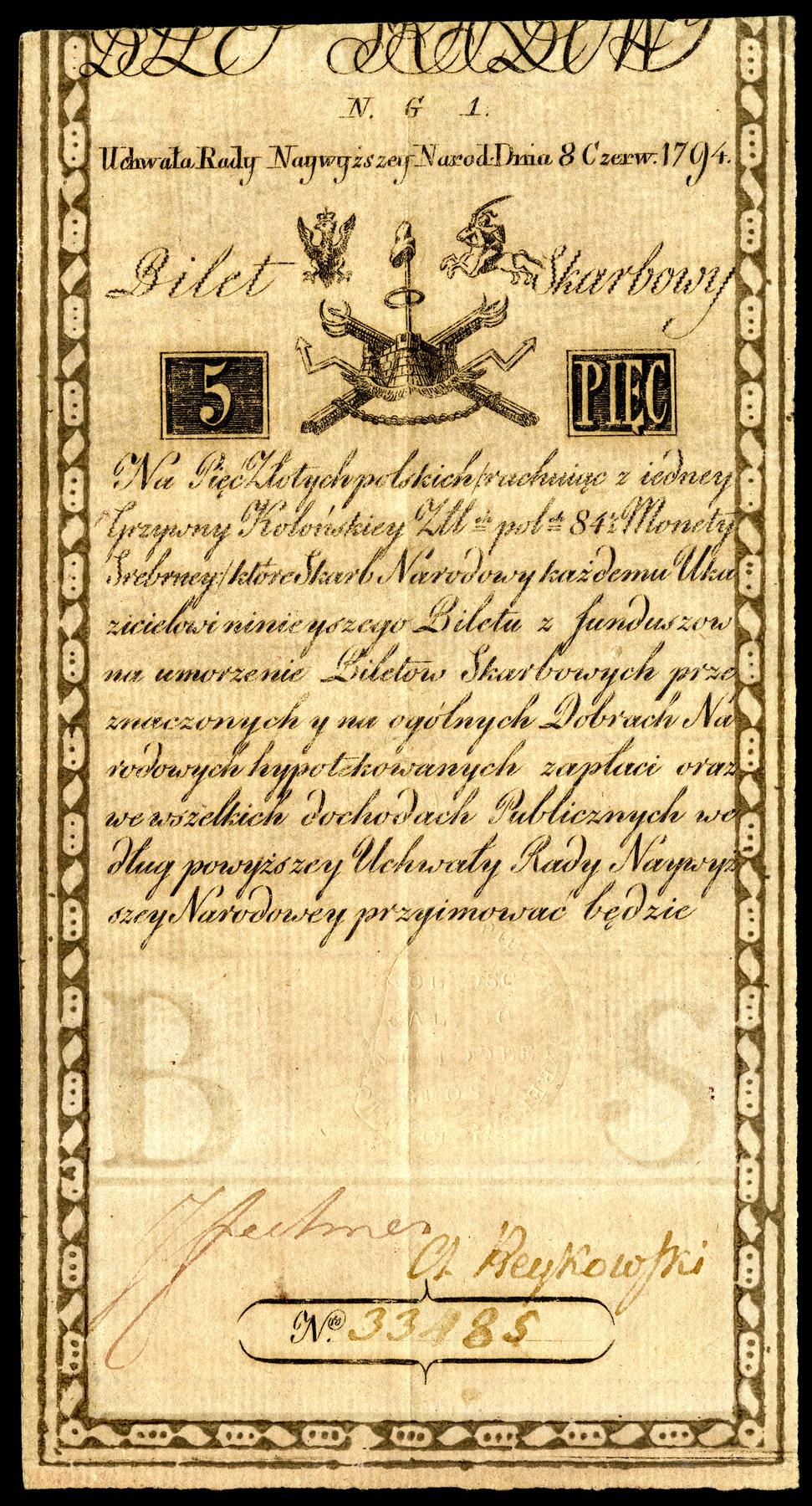
ATMs in Poland: Which Machines to Use and Which to Avoid
You will find ATMs on every city street. The networks divide into two categories. Bank-owned ATMs from PKO BP, Pekao, Santander, ING, Millennium, and mBank charge no fee for withdrawals on domestic cards and do not add a markup on foreign ones. Independent ATMs from Euronet and Planet Cash charge fixed fees and, more importantly, offer poor exchange rates through dynamic currency conversion (DCC).
The DCC Trap
When you insert your card, the screen offers to convert the amount into your home currency. It says "Conversion" or "Pay in your currency" and shows a rate. This rate is unfavourable. Always select "Pay in PLN" or "Without conversion." The same trap exists on payment terminals in shops and restaurants. If the terminal asks whether you want to be charged in your home currency, decline. Charge in złoty and let your bank handle the conversion. The difference is 4-6% on the transaction.
ATM Strategy
Use bank-owned machines inside bank branches or attached to the bank's exterior. Avoid Euronet and Planet Cash machines in tourist-heavy spots like Kraków's Main Square or Warsaw's Old Town. Withdraw moderate sums to minimise fee exposure per trip. Do not carry 500 zł notes. Many small shops will not break them.
Cash-Only Places Poland: Where You Must Carry Złoty
The list of cash-only places in Poland is longer than most visitors expect. Beyond milk bars and rural shops, the Sunday trading ban creates a specific problem. Most shops are closed on Sundays. Only small family-run stores, pharmacies, and petrol stations open. The shops that do open often operate on cash-only terms because their card terminals are linked to a weekday processing system. If you arrive in a small town on a Sunday and have no złoty, you may not be able to buy food or water except at a petrol station that accepts cards.
Markets, Toilets, and Tips
Market stalls at farmers' markets and the huge weekend bazaars outside cities are cash-only. Tickets for public toilets in train stations and bus stations are coin-only. Tipping in cash, even when paying by card, is expected by staff because card tips do not reach them quickly. You need actual złoty for that.
Tipping in Poland: Modest and Discretionary
Tipping in Poland is not obligatory. Service staff earn a living wage, and the social pressure to tip is lower than in North America or even Western Europe. The rules are simple.
Restaurants
Round up the bill or add 10% for good table service. Some restaurants add a service charge (dodatek za obsługę) to the bill. Check before you add a tip. If the service charge is already there, you are done. For counter service at a milk bar or a zapiekanka stand, do not tip.
Bars and Cafés
Round up to the nearest 5 zł or 10 zł. A coffee costing 12 zł becomes 15 zł. Table service at a nicer café earns the same. Drinks ordered and paid for at the bar do not require a tip.
Taxis and Hotels
Taxi drivers get a rounded-up fare: 38 zł becomes 40 zł. Ride-share apps like Uber and Bolt include the fare; tipping is unnecessary. In hotels, porters and housekeeping staff appreciate 5-10 zł per bag or per day of stay, left in the room.
Card vs Cash for Tipping
When you pay by card, some terminals allow you to add a tip before entering your PIN. Staff prefer cash tips because card tips may be processed through payroll. Carry small złoty notes of 10 zł and 20 zł for this purpose.
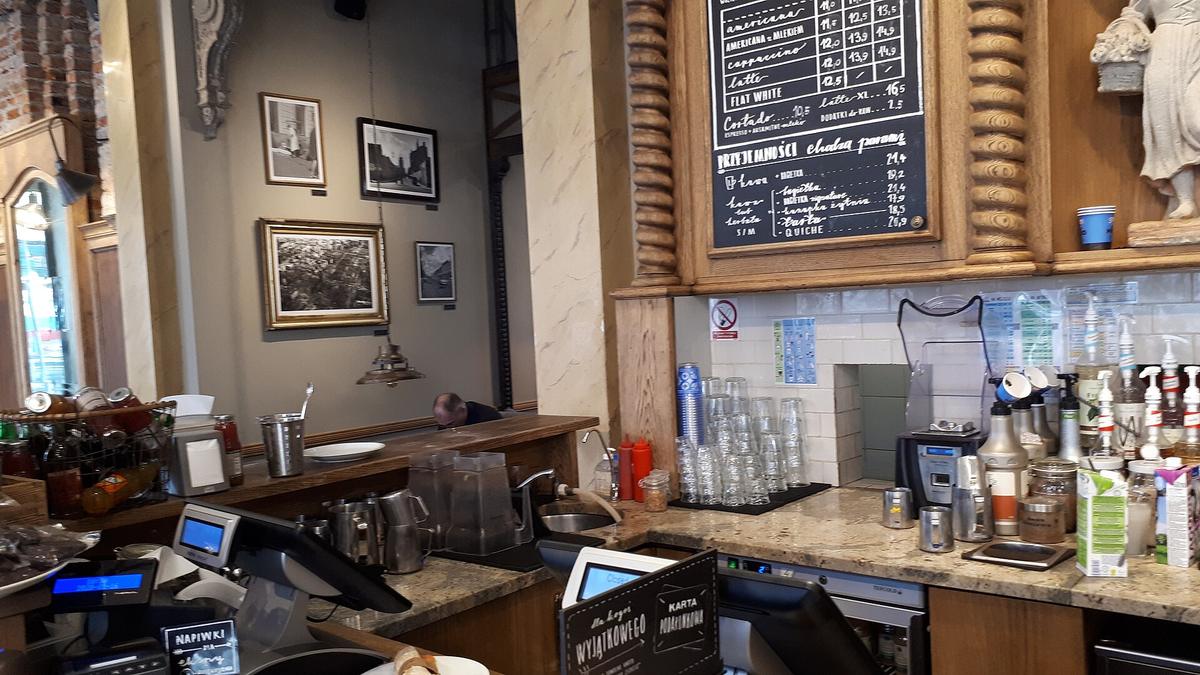
.jpg)

The Sunday Trading Catch
The Sunday trading ban limits retail openings to a few Sundays per month. On most Sundays, only small family-run shops, pharmacies, and petrol stations are open. This creates a cash-access problem. If you are in a small town on a Sunday and the family shop is cash-only, you cannot withdraw from a bank-owned ATM because those are in shopping centres that are closed. The solution: withdraw enough złoty on Saturday. Do not assume you can get cash on a Sunday outside of a city centre.
Common Questions
Can I use euros in Poland?
No. Some tourist shops near the border or in central Kraków may accept euros at poor rates, but you cannot rely on it. Every official transaction is in złoty.
How much cash should I carry per day?
Budget 100-200 zł per person per day if you plan to eat at milk bars, buy from market stalls, or visit rural areas. In cities, 50 zł cash plus card coverage is usually enough.
Are there ATMs at Polish airports?
Yes. Warsaw Chopin, Kraków, Gdańsk, and Katowice airports have both bank-owned and independent ATMs. Use the bank-owned ones in the arrivals hall before you leave the terminal.
What happens if I use a 500 zł note?
Many small shops, kiosks, and milk bars will refuse it because they cannot make change. Break large notes at supermarkets or hotel receptions.
Do I need to validate tickets with cash?
No. Ticket validation for public transport uses paper tickets stamped in onboard validators or digital tickets on apps. The fine for failing to validate is separate from payment method. Always stamp immediately after boarding.
Read next
-
 Staying Connected in Poland, from eSIM to a Paper Map Backup
Poland's connectivity splits sharply between city squares with free Wi-Fi and rural dead zones. Here's how to choose between eSIM, local SIM, or neither.
Staying Connected in Poland, from eSIM to a Paper Map Backup
Poland's connectivity splits sharply between city squares with free Wi-Fi and rural dead zones. Here's how to choose between eSIM, local SIM, or neither.
-
 Best Time to Visit Poland, What Each Season Actually Does
Summer brings long days and festivals but peak crowds in Kraków and Zakopane. November is grey and wet. Here is what each season actually delivers.
Best Time to Visit Poland, What Each Season Actually Does
Summer brings long days and festivals but peak crowds in Kraków and Zakopane. November is grey and wet. Here is what each season actually delivers.
-
 Getting Around Poland, Trains, Tickets, and What the Map Oversells
Polish trains connect the country well, but operator-specific tickets and mandatory seat reservations on EIP services trip up the unprepared.
Getting Around Poland, Trains, Tickets, and What the Map Oversells
Polish trains connect the country well, but operator-specific tickets and mandatory seat reservations on EIP services trip up the unprepared.
-
 Poland Visa Rules, Who Needs One and How the Schengen Process Works
Poland is part of the Schengen zone. Most Western passport holders get 90 days visa-free, but the rules change for others — here is exactly who needs what.
Poland Visa Rules, Who Needs One and How the Schengen Process Works
Poland is part of the Schengen zone. Most Western passport holders get 90 days visa-free, but the rules change for others — here is exactly who needs what.
-
 Is Poland Safe, Reading the Advice Without Being Misled by It
Poland is broadly safe with low violent crime. The real risks are plain-clothes ticket inspectors, jaywalking fines, and the language barrier in rural emergencies.
Is Poland Safe, Reading the Advice Without Being Misled by It
Poland is broadly safe with low violent crime. The real risks are plain-clothes ticket inspectors, jaywalking fines, and the language barrier in rural emergencies.
-
 What a Trip to Poland Really Costs, from Milk Bars to Mountain Lodges
How money works in Poland: where it vanishes fast, where it stretches, and why a single daily budget figure misleads more than it helps.
What a Trip to Poland Really Costs, from Milk Bars to Mountain Lodges
How money works in Poland: where it vanishes fast, where it stretches, and why a single daily budget figure misleads more than it helps.
-
 A Ground-Level Logistics Guide to Independent Travel in China
First-time independent travel in China: what you need to know about visas, rail booking, eSIMs, mobile payments, and power adapters.
A Ground-Level Logistics Guide to Independent Travel in China
First-time independent travel in China: what you need to know about visas, rail booking, eSIMs, mobile payments, and power adapters.
-
 How Solo Travelers Stay Ahead of Flight Delays and Cancellations
How solo travelers can track inbound aircraft, claim rebooking rights, and adjust ground transport when flights go wrong — step by step.
How Solo Travelers Stay Ahead of Flight Delays and Cancellations
How solo travelers can track inbound aircraft, claim rebooking rights, and adjust ground transport when flights go wrong — step by step.
-
 Why Your eSIM Might Not Work Abroad and How to Check Before You Go
Buying an eSIM doesn't guarantee signal abroad. Learn why coverage fails by location and how to verify reach before you commit to a plan.
Why Your eSIM Might Not Work Abroad and How to Check Before You Go
Buying an eSIM doesn't guarantee signal abroad. Learn why coverage fails by location and how to verify reach before you commit to a plan.