When to Go to Poland, Month by Month
Summer brings long days and festivals but peak crowds in Kraków and Zakopane. November is grey and wet. Here is what each season actually delivers.
When to Go to Poland, Month by Month
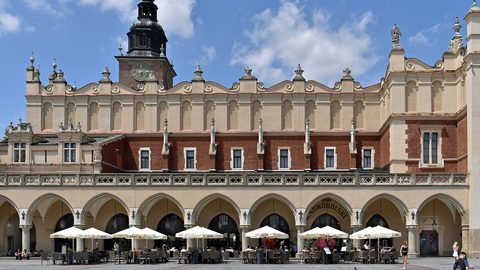
You are standing in Kraków's Main Square in mid August. The arcades are shoulder to shoulder. A queue for zapiekanka at one of the window hatches stretches twenty deep. Your hotel room cost 60 percent more than it did in June. The restaurant you wanted is booked until 21:30. This is Poland in peak season: long daylight, festivals, crowds that can make Wawel Castle feel like a queueing exercise. The question of the best time to visit Poland is really a question of what you are willing to trade.
Poland delivers dense history, genuine warmth and surprising natural beauty. Its scale and regional contrasts catch first timers off guard. Visitors underestimate travel times between cities. The language barrier sharpens fast beyond tourist bubbles. The minimum stay to see the country properly is 10 days. Anything less forces a choice between the north and the south, missing the geographic and cultural spread entirely.
What Each Season Actually Does
This breakdown gives you the practical answer for how you travel. Not an abstract best.
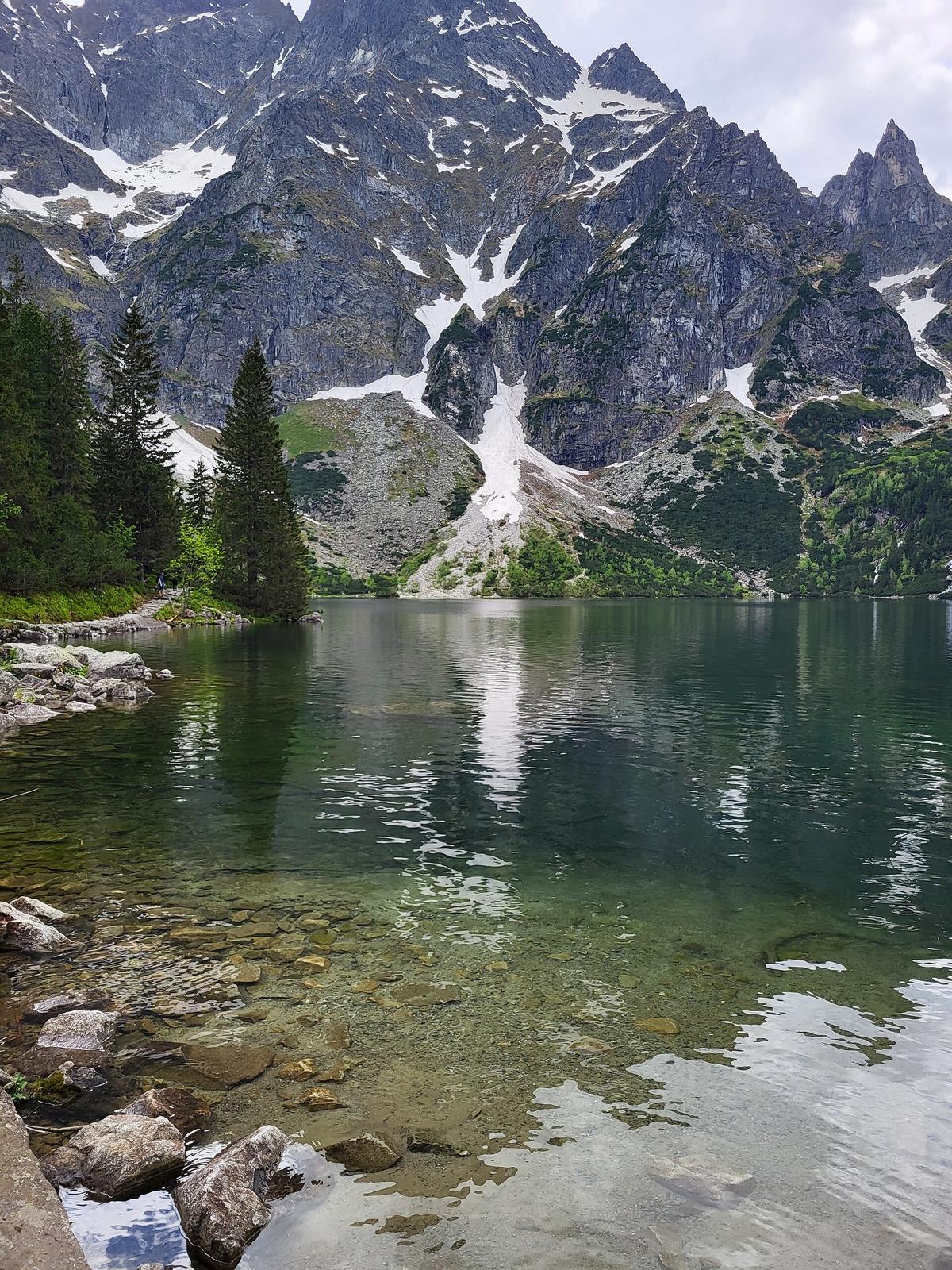

Poland Weather by Season: What Each Season Actually Feels Like
Poland sits in a humid continental climate zone for most of the country, with an oceanic influence along the Baltic coast and subarctic conditions in the highest Tatras. That matters because the weather varies hugely by month and by elevation.
Spring: Unpredictable Transitions
March still feels like winter. Late snow is possible. April and May bring rapid greening, but cold snaps hit even in late April. Mountain trails in the Tatras above roughly 1500 metres stay snow bound into May. The Baltic coast warms up later than the southern lowlands. The Mazury lake district only fully opens its tourist infrastructure from late May. Pollen levels are high, which matters if birch or grass irritates you.
Summer: Long Days And Frequent Storms
June to August is peak season. Daylight lasts long, with sunset after 21:00 in June. The Baltic coast is warmest and busiest, though water temperatures hover between 17 and 21 degrees Celsius. The Mazury lake district is fully operational for water sports. In the cities, temperatures exceed 30 degrees Celsius. Air conditioning is limited in older buildings. Frequent afternoon thunderstorms roll in, especially in the mountains.
Autumn: The Golden Window
September is stable and warm, called the Polish golden autumn. October cools and rain increases. November is overcast, damp and grey. Mountain hiking is viable into October, but the weather windows narrow fast. The Baltic and lake districts wind down from September. City tourism remains active through October. Cultural events fill the calendar.
Winter: Short Days And Christmas Markets
Daylight is short. Sunset before 16:00 in December. Snow cover is common across most of the country, heaviest and most reliable in the Tatras, Sudetes and Bieszczady. The Baltic coast is cold and damp with occasional sea effect snow. Many rural attractions, open air museums and minor tourist sites close or run reduced hours. Ski resorts operate December through April, snow dependent, with peak crowding during winter school holidays in January and February. Christmas markets run from late November to early January and animate the main squares in Kraków, Wrocław, Gdańsk and Warsaw.
Poland Peak Season Crowds: Where They Hit Hardest
The peak season runs June to August. School holidays, long daylight and festival season drive demand. In July and August, pricing and crowds spike hardest in three places: Kraków, Gdańsk and Zakopane.
Book Wawel Castle ahead. Book the Wieliczka Salt Mine ahead. Auschwitz Birkenau requires timed entry and booking far ahead. In summer, these bookings fill days in advance. Zakopane's trails, especially the walk to Morskie Oko, become a human chain. Gdańsk's Long Market is dense from late morning to evening.
If you travel in summer, book accommodation at least two months ahead for those three cities. Reserve dinner tables in the old towns. The payoff is long evenings, open air concerts and the full festival calendar. The trade off is that you share every landmark with a lot of other people.
| Month | Crowd Level | Weather Type | Key Consideration |
|---|---|---|---|
| January | Low | Cold, short days, snow cover | Ski season core; Christmas markets end early January |
| February | Low | Cold, variable snow | Winter school holidays spike mountain crowds |
| March | Low | Winter like, late snow possible | Many attractions on reduced hours |
| April | Low to Moderate | Rapid greening, cold snaps | Easter closures; mountain trails snow bound |
| May | Moderate | Warm, high pollen | Majówka first week: domestic travel surge, avoid |
| June | Moderate to High | Warm, long daylight | Shoulder start; water temperatures cool |
| July | Peak | Hot, thunderstorms | Peak pricing in Kraków, Gdańsk, Zakopane |
| August | Peak | Hot, storms continue | Hottest month; Baltic water warmest |
| September | Moderate | Stable, warm, golden autumn | Best hiking; cultural calendar full |
| October | Low to Moderate | Cooling, increasing rain | Mountain hiking deteriorates; cities fine |
| November | Low | Grey, overcast, damp | Lifeless outdoor attractions; All Saints Day traffic |
| December | Low to Moderate | Cold, short days, snow | Christmas markets from late November |
November Poland Travel: the Month to Skip
November is the weakest month to visit Poland. The weather is overcast, damp and grey. Daylight is short. Many outdoor attractions in the lake districts, mountains and Baltic coast have already closed for the season or run on reduced hours.
Two specific events complicate travel. All Saints Day on 1 November sees traffic around cemeteries paralyse cities. If visiting cemeteries is not your plan, avoid driving or using public transport near major graveyards that day. The other risk is the lifelessness of outdoor attractions. The shifting dunes of Słowiński National Park are wind whipped and miserable in rain. Białowieża Forest bison viewing is possible year round, but the short days and mud make it less rewarding.
City tourism in Kraków and Warsaw remains active, but the squares lack the energy of summer or the festive lighting of December. Aim for the second half of the month when Christmas markets begin opening in major cities. That shifts the experience from grey to atmospheric.
_Hanna_%C5%BBu%C5%82awska_Plac_Konstytucji_(2).jpg)
Shoulder Seasons: Where the Breathing Room is
The shoulder periods of May June and September October give you the best balance. Weather is stable. Crowds are thinner. Accommodation costs less than in July and August.
May To June Shoulder
Daylight is long and temperatures are mild. The Baltic and lake districts are operational, though water temperatures are cool for swimming. Mountain trails at mid elevations open, but the highest passes in the Tatras may still hold snow. The first week of May is the Majówka window that triggers a domestic travel surge. Hotels sell out. Prices spike. Roads fill. Avoid that specific window. The same applies to the Corpus Christi long weekend, a movable holiday in May or June that brings another domestic rush.
September To October Shoulder
Early autumn offers the steadiest weather of the year: warm days and cool nights. The sea and lake water is still swimmable in early September. Mountain hiking is at its best through September and deteriorates through October as weather windows narrow. The cultural calendar is full in cities. Accommodation pressure is lower than in the summer peak, which means you can book Wawel Castle, Wieliczka and Malbork Castle with less lead time.
Majówka: the Domestic Travel Surge You Must Avoid
Majówka refers to the period around 1 May and 3 May, both public holidays. The exact dates shift each year because Poles take extra days off to create a long weekend, from 1 May through 3 May, sometimes extending to 5 May.
During this window, domestic travel surges. Hotels in Kraków, Zakopane, Gdańsk and the Mazury lake district sell out. Prices spike. Roads to the mountains and coast clog. If you are not Polish and do not have family commitments during this period, avoid travel to Poland in the first week of May. The same advice applies to the Corpus Christi long weekend, a movable holiday in May or June that triggers a secondary domestic rush.
If you are already in Poland during Majówka, stay in one city and book restaurants ahead. Do not attempt intercity train travel without a reserved seat, especially on EIP trains where reservations are mandatory. The KOLEO app shows seat availability in real time.
What Poland Suits and Who Should Look Elsewhere
Poland suits history buffs, especially those interested in WWII and Jewish heritage. It suits budget conscious explorers who want strong value for accommodation, food and transport. It suits travellers tired of Western Europe and ready for a place where pierogi costs the equivalent of a few euros at a milk bar. It suits foodies after hearty evolving cuisine, and slow travellers who enjoy mixing cities with countryside and have the 10 day minimum to do it properly.
Poland is not for resort beach holiday seekers expecting Mediterranean style coasts. The Baltic is cool, the water is 17 to 21 degrees and the weather is variable. It is not for travellers wanting English everywhere outside major cities; the language barrier sharpens fast beyond tourist bubbles. It is not for those on a whirlwind multi country sprint who cannot allocate enough time. The common mistake is treating Poland as a Kraków Warsaw Gdańsk sprint in seven days, spending half the trip on trains and missing the distinct character of the east, the mountains and the lake districts entirely. The single thing that most often goes wrong is underestimating travel times between regions and arriving at a landmark too late because the train took longer than expected.
Common Questions
What is the cheapest month to visit Poland?
November through March, excluding the Christmas market period and ski season peaks, offer the lowest prices on accommodation and flights. The trade off is short daylight and many rural attractions closed.
Is summer too crowded in Kraków?
Kraków is dense in July and August. Wawel Castle, Wieliczka Salt Mine and Auschwitz Birkenau require bookings well ahead. The Main Square is busy from late morning. Visit at opening time or book for early entry.
When do Christmas markets open in Poland?
Christmas markets run from late November to early January, varying by city. Kraków's market on the Main Square and Wrocław's market are among the largest. December daylight is short, sunset before 16:00, so markets are best visited in the late afternoon and evening.
Is the Baltic coast warm enough to swim in June?
Water temperatures on the Baltic coast in June range from 17 to 19 degrees Celsius. Lifeguard patrolled beaches operate from late June. If swimming matters, visit in August when water is warmest.
Do I need to book trains in advance for Poland?
For intercity travel on PKP Intercity's EIP trains, seat reservations are mandatory. Book in advance, especially during summer and holiday periods. Use the KOLEO app. A ticket bought for one operator is not valid on another on the same route.
Read next
-
 Staying Connected in Poland, from eSIM to a Paper Map Backup
Poland's connectivity splits sharply between city squares with free Wi-Fi and rural dead zones. Here's how to choose between eSIM, local SIM, or neither.
Staying Connected in Poland, from eSIM to a Paper Map Backup
Poland's connectivity splits sharply between city squares with free Wi-Fi and rural dead zones. Here's how to choose between eSIM, local SIM, or neither.
-
 Getting Around Poland, Trains, Tickets, and What the Map Oversells
Polish trains connect the country well, but operator-specific tickets and mandatory seat reservations on EIP services trip up the unprepared.
Getting Around Poland, Trains, Tickets, and What the Map Oversells
Polish trains connect the country well, but operator-specific tickets and mandatory seat reservations on EIP services trip up the unprepared.
-
 Poland Visa Rules, Who Needs One and How the Schengen Process Works
Poland is part of the Schengen zone. Most Western passport holders get 90 days visa-free, but the rules change for others — here is exactly who needs what.
Poland Visa Rules, Who Needs One and How the Schengen Process Works
Poland is part of the Schengen zone. Most Western passport holders get 90 days visa-free, but the rules change for others — here is exactly who needs what.
-
 Money in Poland, Złoty, Cards, and Where Cash Still Wins
Poland runs on the złoty, not the euro. Cards work in cities, but milk bars, rural shops, and Sunday closures mean cash still matters.
Money in Poland, Złoty, Cards, and Where Cash Still Wins
Poland runs on the złoty, not the euro. Cards work in cities, but milk bars, rural shops, and Sunday closures mean cash still matters.
-
 Is Poland Safe, Reading the Advice Without Being Misled by It
Poland is broadly safe with low violent crime. The real risks are plain-clothes ticket inspectors, jaywalking fines, and the language barrier in rural emergencies.
Is Poland Safe, Reading the Advice Without Being Misled by It
Poland is broadly safe with low violent crime. The real risks are plain-clothes ticket inspectors, jaywalking fines, and the language barrier in rural emergencies.
-
 What a Trip to Poland Really Costs, from Milk Bars to Mountain Lodges
How money works in Poland: where it vanishes fast, where it stretches, and why a single daily budget figure misleads more than it helps.
What a Trip to Poland Really Costs, from Milk Bars to Mountain Lodges
How money works in Poland: where it vanishes fast, where it stretches, and why a single daily budget figure misleads more than it helps.
-
 A Ground-Level Logistics Guide to Independent Travel in China
First-time independent travel in China: what you need to know about visas, rail booking, eSIMs, mobile payments, and power adapters.
A Ground-Level Logistics Guide to Independent Travel in China
First-time independent travel in China: what you need to know about visas, rail booking, eSIMs, mobile payments, and power adapters.
-
 How Solo Travelers Stay Ahead of Flight Delays and Cancellations
How solo travelers can track inbound aircraft, claim rebooking rights, and adjust ground transport when flights go wrong — step by step.
How Solo Travelers Stay Ahead of Flight Delays and Cancellations
How solo travelers can track inbound aircraft, claim rebooking rights, and adjust ground transport when flights go wrong — step by step.
-
 Why Your eSIM Might Not Work Abroad and How to Check Before You Go
Buying an eSIM doesn't guarantee signal abroad. Learn why coverage fails by location and how to verify reach before you commit to a plan.
Why Your eSIM Might Not Work Abroad and How to Check Before You Go
Buying an eSIM doesn't guarantee signal abroad. Learn why coverage fails by location and how to verify reach before you commit to a plan.