Egypt Trip Cost Breakdown, From Nile Cruises to Street Koshari
Egypt splits your spending into two layers: hard-currency costs you cannot avoid and Egyptian-pound costs you negotiate daily. Confuse them and your budget breaks.
The Real Cost of Travel in Egypt, Beyond the Numbers
A weak Egyptian pound makes street food cheap and a bed in Luxor cheap. It does not make the trip cheap. Egypt runs on two separate money layers: a soft layer of local cash for daily life, and a hard layer of dollars, euros, and cards for the fixed costs you cannot dodge. Confuse the two and your budget collapses. Every expense sits in one layer or the other. What follows is the map.
You do not need a budget range for backpackers versus mid range travellers. You need to know what is payable in Egyptian pounds and what is not. That split is the same for everyone. The only variable is how many tombs you enter and how many overnight train cabins you book.

The Hard Currency Layer: What You Cannot Pay with Local Cash
These costs demand foreign currency or a foreign-issued card. Plan for them before you leave home. Carry USD cash as your primary backup. EUR works too. Cards work at larger hotels and official online booking portals, but not for the visa on arrival or the overnight train.
Entry Visa
For US, UK, EU, Australian, and Canadian passport holders, a single-entry 30-day tourist visa is available on arrival at the airport. The fee is set by the Egyptian Ministry of Interior and is payable in USD cash only, exact amount. No change is given. No cards are accepted. Verify the current fee before departure; it changes. Indian and Chinese passport holders must get an e-Visa in advance. The Sinai-only entry stamp for eligible nationalities is free but restricts you to South Sinai.
Overnight Train Cairo to Luxor or Aswan
The overnight train on the Cairo, Luxor, Aswan corridor is operated by Watania Sleeping Trains. A ticket includes dinner and breakfast and cannot be bought with Egyptian pounds. This catches out travellers who planned to use local cash. Payment is by USD cash, EUR cash, or a foreign-issued credit card booked online. Book at least two weeks ahead in peak season, October to February. The failure case: if the train is sold out, book a domestic flight via EgyptAir or Nile Air, or take the daytime express train in first or second class. The daytime train is payable in EGP at the station and costs a fraction of the overnight service. Same 10 hours, but you arrive in daylight.
Major Archaeological Site Tickets
The Giza Pyramids, the Grand Egyptian Museum, the Valley of the Kings, and Abu Simbel all require entry tickets increasingly purchased online in hard currency. The Giza Pyramids online booking portal charges in foreign currency. Try to buy at the gate in EGP and you risk the machine being down or the cashier demanding dollars. The single most expensive site entry is the tomb of Seti I in the Valley of the Kings, followed by the tomb of Ramesses V and VI, then the tomb of Tutankhamun. The Great Pyramid interior requires a separate ticket that is structurally expensive. A Cairo Pass exists and covers the Giza Plateau, Saqqara, Dahshur, and the Egyptian Museum sites, but it has a high upfront cost and a limited validity window. A Luxor Pass covers all open tombs and temples on both banks; the premium tier includes Seti I and the Nefertari tomb. Both passes are revised annually. If you plan to enter three or more paid tombs, the Luxor Pass saves money. Student discounts of 50 percent apply at government-run sites with an ISIC card, but only if you are under 30.
Domestic Flights
EgyptAir, Nile Air, and Air Cairo connect Cairo to Luxor, Aswan, Hurghada, Sharm el Sheikh, Marsa Alam, and Alexandria. Prices start low and rise steeply close to departure. Book domestic flights no later than three weeks out in peak season. You can pay in EGP if you book through the EgyptAir website with a local IP and a local card. Foreign cards are charged in hard currency. The failure case: a same-day ticket can cost three times the advance price. If flights are too expensive, the bus network operated by Go Bus, Blue Bus, and Upper Egypt Bus Company covers all major cities for a fraction of the price, payable in EGP at the terminal.
The Soft Currency Layer: What You Actually Pay in Egyptian Pounds
Once the visa, the overnight train, and the major entry tickets are paid in hard currency, everything else is cheap and cash only. You need a stack of small-denomination EGP notes every single day.
Daily Cash Needs
Budget 400 to 800 EGP per day for one person. That covers meals, local transport, baksheesh, and entry to one or two minor sites. Three street-food meals run 50 to 80 EGP total. A few short Uber rides cost 20 to 50 EGP each. Keep a 10 EGP note ready for every toilet attendant or unsolicited guide. You do not need more than 1500 EGP in your pocket at any time. ATMs are widespread in Cairo, Luxor, Aswan, and Hurghada. They are unreliable or empty in rural Nile Valley towns and the Western Desert oases. Withdraw cash in the city before heading to the countryside. The exchange rate floats. Check the parallel market rate at a currency exchange kiosk in Cairo before changing dollars; the official bank rate and the street rate can differ significantly.
Baksheesh: The Hidden Cost
Every interaction incurs a demand for cash. Directions. Letting you take a photo. Unlocking a toilet. Watching your car. Carry 5 and 10 EGP coins. Refuse politely but firmly when a tout demands 100 EGP for pointing at a sphinx. The failure case: running out of small notes. You then overpay because you have to break a large note for a 10 EGP service, and the person does not have change. Keep a separate pocket of 5 and 10 EGP notes.
Food and Drink
Koshary from a street stall costs 15 to 30 EGP. Ful medames and taameya for breakfast cost 10 to 20 EGP. A grilled fish meal in Hurghada costs 150 to 300 EGP. Alcoholic drinks in licensed venues are unexpectedly expensive. A beer or a glass of wine runs 100 to 250 EGP. Imported sunscreen and toiletries are also expensive; bring your own. Fresh juice from street stalls is cheap at 10 to 20 EGP. Tap water is not safe. Bottled water is 5 to 10 EGP per litre. The cheap items keep your daily average low.
Transport in Cities
Uber operates in Cairo and Alexandria. Drivers cancel frequently on short trips and then call demanding a higher cash fare. Cancel the ride and take a white taxi, which you must negotiate in advance. A microbus ride costs 5 to 10 EGP, departs when full, and follows fixed routes. The public ferry crossing the Nile in Cairo and Luxor costs 1 to 5 EGP. A felucca sunset sail in Aswan costs 150 to 300 EGP for an hour, negotiated before boarding.
Where Your Budget Actually Goes: the Shape of Spending
International airfare dominates. Second is domestic transport: flights or a private car with driver. Third is entry tickets to archaeological sites. Accommodation is moderate. Food is low. The absolute gap between a dorm bed and a mid-range hotel room is wide. The gap between a street-food meal and a sit-down restaurant meal is narrow. That means mid-range travellers do not save much by eating cheap. They save by choosing one major optional tomb instead of three, and by taking the daytime train instead of the overnight service.
A multi-day Nile cruise package between Luxor and Aswan includes accommodation, meals, and guided excursions. Prices range from budget floating hotels to luxury vessels. A multi-day felucca cruise with camping on deck is the cheap alternative and costs a fraction of a ship cabin. Western Desert safaris require a 4x4, driver, guide, permits, and camping equipment. The cost increases with remoteness. A White Desert overnight from Bahariya is a 4.5-hour drive from Cairo, then a 4x4 camp. Budget 2000 to 4000 EGP per person for a one-night safari including meals and transport.
.jpg)
The One Thing That Goes Wrong Most Often
Travellers arrive with only Egyptian pounds, expecting to buy the overnight train ticket, the visa, and the pyramid entry at the gate. They cannot. The train refuses EGP. The visa booth takes only USD cash. The Giza ticket machine charges in hard currency and the queue is 45 minutes long while you figure out how to pay. The failure cascade: you spend the first two hours of your trip in a currency exchange queue at a terrible rate, you miss the morning entrance to the Giza plateau, and you pay a taxi driver triple to take you to an ATM that accepts your card.
Break that cascade. Carry USD cash in small bills, 20s and 50s, plus a Visa or Mastercard that works overseas. Withdraw EGP from a Cairo airport ATM after immigration. Book the overnight train and the Luxor Pass online before you leave home. Arrive with your hard currency layer already solved. The soft layer sorts itself out on day one.
Common Questions
How much USD cash should I bring for the first 48 hours?
Bring small bills, mostly 20s and 50s. You need the exact visa fee in cash on arrival, plus the overnight train fare if you plan to book at the station, and a buffer for emergencies. Do not bring 100-dollar bills; taxi drivers and small shops cannot change them.
Can I pay for the overnight train with a credit card?
Yes, if you book online through the Watania Sleeping Trains website with a foreign-issued card. At the station ticket office, payment is cash only, USD or EUR. You cannot use an Egyptian pound card or Egyptian cash.
Are there ATMs in Luxor and Aswan?
Yes, on the East Bank in both cities. On the West Bank of Luxor, ATMs are scarce and sometimes empty. Withdraw cash before crossing the river. In rural towns like Edfu, Kom Ombo, and the Western Desert oases, ATMs are unreliable or absent.
Is it worth buying the Luxor Pass?
Yes, if you plan to enter three or more paid tombs in the Valley of the Kings, including the premium tombs of Seti I or Nefertari. The standard Luxor Pass covers all open tombs and temples on both banks. The premium tier adds Seti I and Nefertari. Calculate the cost of individual tickets; the pass saves money above three entries.
What happens if the overnight train is sold out?
Book a domestic flight from Cairo to Luxor or Aswan via EgyptAir or Nile Air. Cost is roughly 2,000 to 4,000 EGP if booked in advance. Alternatively, take the daytime express train in first or second class; it is payable in EGP at the station, costs 150 to 400 EGP, and takes the same 10 hours but arrives in daylight. The bus via Go Bus or Blue Bus is cheaper and runs overnight.
Read next
-
 Staying Connected in Egypt With eSIM, Local SIM or Hotel Wi-Fi
Egypt's mobile network works well but carries two traps: a 90-day IMEI tax that blocks foreign phones and a WhatsApp calling ban on mobile data.
Staying Connected in Egypt With eSIM, Local SIM or Hotel Wi-Fi
Egypt's mobile network works well but carries two traps: a 90-day IMEI tax that blocks foreign phones and a WhatsApp calling ban on mobile data.
-
Best Time to Visit Egypt by Season, Heat, and Crowds
When to visit Egypt: October to February for Nile Valley temples, Ramadan restrictions to avoid, summer heat realities, and the Khamsin sandstorm season.
-
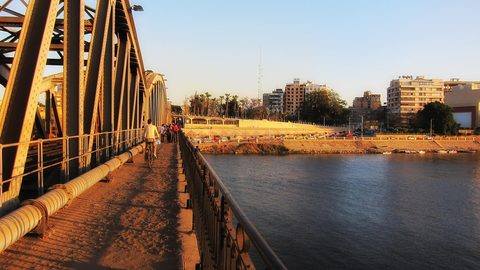 Getting Around Egypt, Flights, Sleeper Trains, and Road Convoys
How to get around Egypt: domestic flights, the Cairo–Luxor–Aswan sleeper train, road convoys to Abu Simbel, and why Uber in Cairo is unreliable.
Getting Around Egypt, Flights, Sleeper Trains, and Road Convoys
How to get around Egypt: domestic flights, the Cairo–Luxor–Aswan sleeper train, road convoys to Abu Simbel, and why Uber in Cairo is unreliable.
-
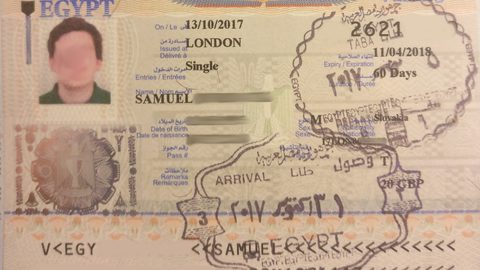 Egypt Visa Rules, Who Needs One, E-Visa Steps, and Airport Arrival
Who needs a visa for Egypt, how the e-visa and visa-on-arrival processes work at Cairo airport, and what the Sinai-only stamp covers.
Egypt Visa Rules, Who Needs One, E-Visa Steps, and Airport Arrival
Who needs a visa for Egypt, how the e-visa and visa-on-arrival processes work at Cairo airport, and what the Sinai-only stamp covers.
-
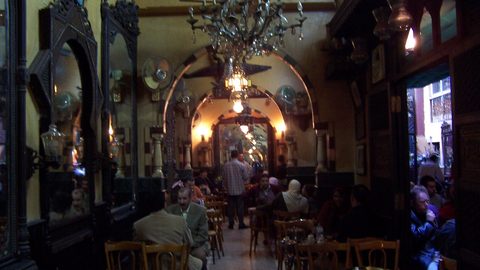 Money in Egypt, Egyptian Pounds, Cards, and the Cash Economy
How money works in Egypt: the Egyptian pound cash economy, where cards are accepted, the sleeper train foreign-currency rule, and baksheesh tipping norms.
Money in Egypt, Egyptian Pounds, Cards, and the Cash Economy
How money works in Egypt: the Egyptian pound cash economy, where cards are accepted, the sleeper train foreign-currency rule, and baksheesh tipping norms.
-
 Egypt Safety Advice, Reading Travel Advisories Without the Alarm
How to read Egypt travel advisories sensibly: Nile Valley vs Sinai risk profiles, solo female travel realities, road safety in Cairo, and security checkpoints.
Egypt Safety Advice, Reading Travel Advisories Without the Alarm
How to read Egypt travel advisories sensibly: Nile Valley vs Sinai risk profiles, solo female travel realities, road safety in Cairo, and security checkpoints.
-
 How to Budget a Trip Based on Purchasing Power, Not Just Exchange Rates
Exchange rates tell only half the story. See how purchasing power shapes your real travel budget across Southeast Asia, Eastern Europe, and Latin America.
How to Budget a Trip Based on Purchasing Power, Not Just Exchange Rates
Exchange rates tell only half the story. See how purchasing power shapes your real travel budget across Southeast Asia, Eastern Europe, and Latin America.
-
 A Ground-Level Logistics Guide to Independent Travel in China
First-time independent travel in China: what you need to know about visas, rail booking, eSIMs, mobile payments, and power adapters.
A Ground-Level Logistics Guide to Independent Travel in China
First-time independent travel in China: what you need to know about visas, rail booking, eSIMs, mobile payments, and power adapters.
-
 How Solo Travelers Stay Ahead of Flight Delays and Cancellations
How solo travelers can track inbound aircraft, claim rebooking rights, and adjust ground transport when flights go wrong — step by step.
How Solo Travelers Stay Ahead of Flight Delays and Cancellations
How solo travelers can track inbound aircraft, claim rebooking rights, and adjust ground transport when flights go wrong — step by step.