Staying Safe in Egypt: Practical Risk Assessment for Travellers
How to read Egypt travel advisories sensibly: Nile Valley vs Sinai risk profiles, solo female travel realities, road safety in Cairo, and security checkpoints.
Staying Safe in Egypt: Practical Risk Assessment for Travellers
You step out of Cairo International Airport into a wall of heat and horn noise. The first interaction: a taxi driver grabs your bag and names a fare three times the going rate. That moment, not a terrorism warning from a foreign ministry, is the real safety test of Egypt.
Read safety advice by geography, not headlines. The Nile Valley visitor spine has a completely different risk profile from North Sinai or the Western Desert border zones. Travel advisories from the UK Foreign, Commonwealth & Development Office, the US State Department, the administration in Ottawa and the Australian Department of Foreign Affairs and Trade all map risk by region. Do the same.

Reading Government Advisories by Region, Not by Country
Open any of the four major official travel advisories and find the regional risk map. The pattern is consistent. North Sinai has a higher threat level than anywhere else in the country due to ongoing military operations. The Western Desert within 50 kilometres of the Libyan and Sudanese borders requires permits and carries additional risk. The Nile Valley, the Red Sea coast and South Sinai are treated similarly to comparable destinations in the region.
Advisories change. The 2024 releases from the US State Department and FCDO both listed North Sinai as a high risk zone and advised against all but essential travel there. South Sinai, including Sharm el-Sheikh and Dahab, received a lower advisory level. Check the current advisory on the specific official website before you book. The figures that matter sit in the regional breakdown, not the country level rating.
The Real Safety Friction Points You Will Face
Forget terrorism. The safety issues that will affect your trip are mundane, constant and predictable. Solving them is a matter of money and awareness, not fear.
Road Danger Is the Biggest Risk
Egypt's road fatality rate is 28.4 per 100,000 people according to a 2019 WHO estimate. That is about six times the rate in the UK. Lane markings are widely ignored. Drivers use the horn constantly. Unmarked speed bumps appear on highways without warning. Vehicles drive with no lights at night. Stray livestock wander onto rural roads. Sand drifts cover desert highways. If you drive yourself, you need an International Driving Permit, and you should still think twice. Hire a driver instead. A private driver for a day in Luxor removes the risk entirely.
Harassment Is Real, Not a Culture Shock Warning
Solo women face persistent verbal attention in public spaces. Unwanted physical contact happens in crowded areas. The Cairo Metro has women only carriages; use them. Dress conservatively, elbows and knees covered, to reduce the attention. The travel advisory from the Australian Department of Foreign Affairs and Trade flags harassment as a common issue. Carry a wedding ring even if you are not married. A firm no repeated three times works better than ignoring it. If a situation escalates, find a tourist police officer. The tourist police emergency number is 126.
Petty Crime and Scams Are Relentless
The major visitor sites and the crowded streets around them are pickpocketing territory. Keep your phone in a front pocket or a zipped bag. The common scams are predictable. Unofficial guides appear at temple entrances and demand payment. Always set a price before accepting help from anyone. Taxi and horse carriage fares must be agreed before the ride starts. The fake papyrus and alabaster trade is enormous. Buy from a fixed price shop if you want authenticity. The invitation to visit a family shop is always an invitation to be pressured into a purchase. The baksheesh economy means every interaction carries a demand for coins. A direction given, a toilet used, a photo taken. Carry 5 and 10 EGP coins for toilet attendants. Carry 20 and 50 EGP notes for small tips.
Public Health Is Manageable but Requires Caution
Tap water is not drinkable anywhere in Egypt. Bottled water is cheap and ubiquitous. Brushing teeth with tap water in major cities and good hotels is safe. Ice in drinks is a risk unless you confirm it comes from treated or bottled water. Avoid raw vegetables and unpeeled fruit. Eat food from street vendors only if you see it cooked fresh and served hot. Travellers' diarrhoea is the most common illness. Hepatitis A is a real risk and the vaccine is recommended. Rabies is present in stray dog and cat populations. Do not approach animals. Bilharzia is present in the Nile and irrigation canals. Never swim or wade in fresh water, even if locals do. The sun is a real hazard. UV index is high year round and extreme in summer. Heat stress peaks from May to September, particularly in Upper Egypt and the desert.
| Service | Number |
|---|---|
| Tourist Police | 126 |
| Ambulance | 123 |
| Fire | 180 |
| General Police | 122 |
| Roadside Assistance (Automobile & Touring Club of Egypt) | 02 2391 6814 |
.jpg)
Security Checkpoints, Permits and Restricted Zones
Expect multiple security checkpoints on any intercity road. Police will check your passport, visa and sometimes your luggage. Keep all documents accessible, not buried in a bag. Do not photograph military installations, checkpoints, bridges, canals including the Suez Canal, embassies or state buildings. Photographers have had equipment confiscated and been detained for this.
Certain routes and areas require permits or police escorts. The convoy requirement for the road to Abu Simbel from Aswan is the most common one travellers encounter. The bus departs at 4am and travels with a police escort. Alternatively, book the 45 minute flight. The Western Desert requires permits for some remote areas and for off road driving. The zones near the Libyan and Sudan borders require permits and have restricted access. These restrictions are reviewed annually. Check the latest official travel advisory for the specific area you plan to visit before booking internal transport. If a zone is restricted, the guidance from the FCDO or State Department will say so.
South Sinai is a special case. If you fly into Sharm el-Sheikh or Taba, you can get a Sinai only entry stamp that allows a 15 day stay restricted to South Sinai. This is simpler than a full visa but limits your itinerary. Do not attempt to travel to North Sinai. The advisory against all but essential travel there has been in effect for years and covers the entire governorate.
Frequently Asked Questions About Egypt Safety
Is it safe to travel to Egypt right now?
The Nile Valley visitor spine, the Red Sea coast and South Sinai have risk levels comparable to other major destinations in the region. North Sinai, the Western Desert border zones and areas within 50km of Libya and Sudan have elevated risk and require permits or are advised against. Check the regional breakdown on the FCDO, State Department, Canadian or Australian travel advisory for the current assessment.
What is the most common crime against tourists in Egypt?
Pickpocketing and bag snatching in crowded visitor areas and markets. Do not carry valuables in back pockets or open bags. The harassment and scam economy is more persistent than the theft risk, but both are problems you manage with awareness.
What should a solo woman do about harassment in Egypt?
Dress conservatively with elbows and knees covered. Use women only carriages on the Cairo Metro. Carry a fake wedding ring. Respond to verbal attention with a firm no and do not engage further. If physical contact occurs, move to a crowded area or find a tourist police officer. The tourist police number is 126.
Do I need to hire a guide for safety in Egypt?
No. Guides are for interpretation, not safety. The main safety problems are road danger, petty crime and harassment, all of which you manage yourself. An official guide at a major site like Karnak or the Valley of the Kings adds value for the history, not for security.
Can I drink tap water in Egypt?
No. Tap water is not safe to drink anywhere in Egypt. Use bottled water for drinking and brushing teeth. In major cities and good hotels, tap water is safe for brushing, but bottled water is cheaper than a case of travellers diarrhoea. Avoid ice in drinks unless you confirm it is made from treated or bottled water.
Is it safe to drive in Egypt?
No, unless you have significant experience driving in chaotic, low rule of law traffic conditions. The road fatality rate of 28.4 per 100,000 is about six times higher than the UK. Lane markings are ignored, speed bumps appear unmarked on highways, and vehicles drive without lights at night. Use a hired driver for intercity trips.
What vaccinations do I need for Egypt?
Yellow fever vaccination is required only if arriving from a country with yellow fever risk. Hepatitis A, typhoid, tetanus and polio are recommended. Malaria risk is very low and limited to the El Fayoum area from June to October. Check with a travel health clinic 4 to 6 weeks before departure.
Read next
-
 Staying Connected in Egypt With eSIM, Local SIM or Hotel Wi-Fi
Egypt's mobile network works well but carries two traps: a 90-day IMEI tax that blocks foreign phones and a WhatsApp calling ban on mobile data.
Staying Connected in Egypt With eSIM, Local SIM or Hotel Wi-Fi
Egypt's mobile network works well but carries two traps: a 90-day IMEI tax that blocks foreign phones and a WhatsApp calling ban on mobile data.
-
Best Time to Visit Egypt by Season, Heat, and Crowds
When to visit Egypt: October to February for Nile Valley temples, Ramadan restrictions to avoid, summer heat realities, and the Khamsin sandstorm season.
-
 Getting Around Egypt, Flights, Sleeper Trains, and Road Convoys
How to get around Egypt: domestic flights, the Cairo–Luxor–Aswan sleeper train, road convoys to Abu Simbel, and why Uber in Cairo is unreliable.
Getting Around Egypt, Flights, Sleeper Trains, and Road Convoys
How to get around Egypt: domestic flights, the Cairo–Luxor–Aswan sleeper train, road convoys to Abu Simbel, and why Uber in Cairo is unreliable.
-
 Egypt Visa Rules, Who Needs One, E-Visa Steps, and Airport Arrival
Who needs a visa for Egypt, how the e-visa and visa-on-arrival processes work at Cairo airport, and what the Sinai-only stamp covers.
Egypt Visa Rules, Who Needs One, E-Visa Steps, and Airport Arrival
Who needs a visa for Egypt, how the e-visa and visa-on-arrival processes work at Cairo airport, and what the Sinai-only stamp covers.
-
 Money in Egypt, Egyptian Pounds, Cards, and the Cash Economy
How money works in Egypt: the Egyptian pound cash economy, where cards are accepted, the sleeper train foreign-currency rule, and baksheesh tipping norms.
Money in Egypt, Egyptian Pounds, Cards, and the Cash Economy
How money works in Egypt: the Egyptian pound cash economy, where cards are accepted, the sleeper train foreign-currency rule, and baksheesh tipping norms.
-
 What a Trip to Egypt Actually Costs and Where the Money Goes
Egypt splits your spending into two layers: hard-currency costs you cannot avoid and Egyptian-pound costs you negotiate daily. Confuse them and your budget breaks.
What a Trip to Egypt Actually Costs and Where the Money Goes
Egypt splits your spending into two layers: hard-currency costs you cannot avoid and Egyptian-pound costs you negotiate daily. Confuse them and your budget breaks.
-
 How to Budget a Trip Based on Purchasing Power, Not Just Exchange Rates
Exchange rates tell only half the story. See how purchasing power shapes your real travel budget across Southeast Asia, Eastern Europe, and Latin America.
How to Budget a Trip Based on Purchasing Power, Not Just Exchange Rates
Exchange rates tell only half the story. See how purchasing power shapes your real travel budget across Southeast Asia, Eastern Europe, and Latin America.
-
 A Ground-Level Logistics Guide to Independent Travel in China
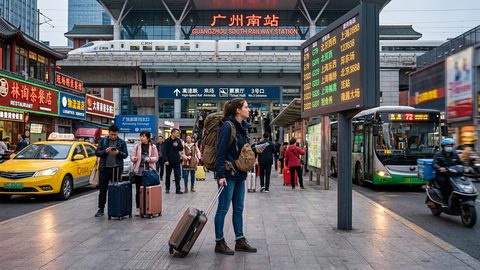
First-time independent travel in China: what you need to know about visas, rail booking, eSIMs, mobile payments, and power adapters.
A Ground-Level Logistics Guide to Independent Travel in China
First-time independent travel in China: what you need to know about visas, rail booking, eSIMs, mobile payments, and power adapters.
-
 How Solo Travelers Stay Ahead of Flight Delays and Cancellations
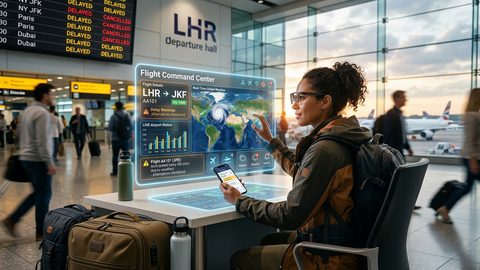
How solo travelers can track inbound aircraft, claim rebooking rights, and adjust ground transport when flights go wrong — step by step.
How Solo Travelers Stay Ahead of Flight Delays and Cancellations
How solo travelers can track inbound aircraft, claim rebooking rights, and adjust ground transport when flights go wrong — step by step.