Is Denmark Safe for Tourists Right Now and What the Warnings Leave Out
Denmark is a low-crime country, but cycling culture, coastal weather, and tidal flats pose real risks. This page reads the safety advice critically.
How Safe Denmark Actually is
You step off the metro at Nørreport and a bicycle handlebar misses your hip by four centimetres. The rider does not slow down. Does not apologise. Helmets are optional here and that is the first clue that Denmark rewrites your assumptions about safety. Violent crime sits near the bottom of global rankings. You will not find yourself translating a street scam in Copenhagen. The real risk profile of a trip here is not what the safety bulletins cover. You need to know where the actual dangers are.
The Cycling Trap That Most Visitors Walk Into
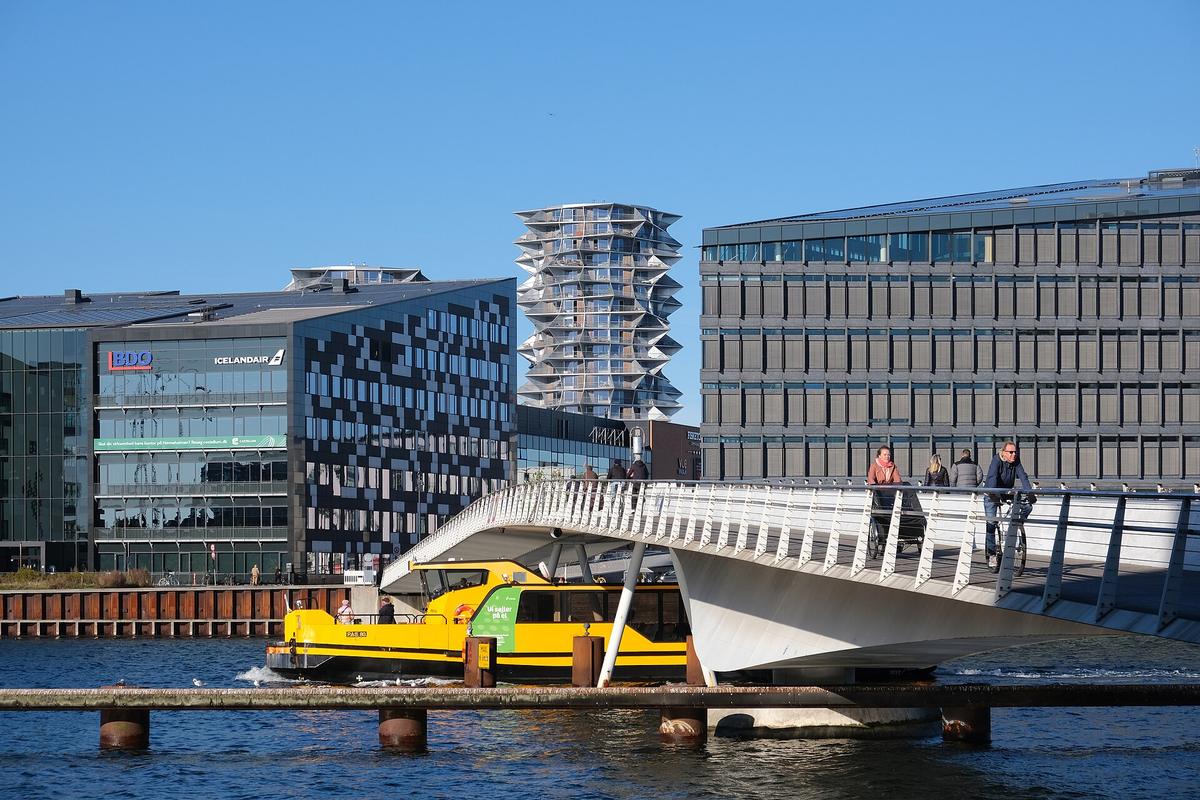
Denmark has no cyclist helmet law for any age and the bike lanes are physically separated from traffic. That sounds reassuring until you try to merge onto a Copenhagen cycle track at 08:45. The bikes move fast, they do not slow for tourists, and they expect you to signal every turn with an arm. What fails: the visitors who stop in the middle of the bike lane to check a phone, who turn right without looking over the left shoulder for a faster cyclist overtaking, or who step off the kerb into the lane at all.
Rent the bike. Use the dedicated bridges. But do not move on a cycle track until you have watched the flow for a full minute. The failure case is broken spokes and a Danish emergency room. Copenhagen's non-emergency medical helpline for Capital Region is 1813. That is the number you call if you get clipped and it is not life-threatening.
Cycling Beyond The City
The flat Danish landscape draws long-distance cycle tourers. The risk is not the cars. It is the distance and the weather. Denmark gets 17 to 18 hours of daylight in June, but the wind comes from the west at a prevailing speed that shifts the felt effort by a full gear. A 70-kilometre leg on the North Sea coast can take more than an hour longer if the wind is in your face. Sea temperatures off the west coast sit at 15 to 20 Celsius in July. Hypothermia on a bike is rare but real when you are sweaty, the sun disappears behind cloud, and the rain arrives sideways. Pack a windproof layer that fits over your cycling kit. Do not set out after 15:00 for a ride longer than 30 kilometres unless you have lights: bicycle lighting law requires a white front light and a red rear light from sunset, and sunset in late June is around 21:30 in the south and 22:15 in the north.

Coastal Weather Shifts and the Wadden Sea
The Wadden Sea National Park is a UNESCO tidal flat that empties for kilometres at low tide. You can walk out onto the sea bed. You must be on a guided tour. The tide comes back faster than you can run, 4 metres of vertical rise in a couple of hours, and the channels shift every month. There is no phone service on parts of the mudflat. Book your oyster walk through the Ribe or Mandø visitor centres, not a random Facebook post. The guide carries a VHF radio and knows the safe crossing windows.
Outside the Wadden Sea the same rapid weather shift applies on any exposed coast. Møns Klint, Skagen Grenen, the west Jutland beaches. The air temperature can drop 10 degrees inside an hour. If you are walking the Skagen sandbar where the two seas meet, watch the tide schedule posted at the parking lot. Visitors get stranded on the spit every summer because they walked out at low tide and the water cut them off.
| What | The Number | Who To Call |
|---|---|---|
| Emergency | 112 | Police, ambulance, fire |
| Non-emergency medical (Copenhagen) | 1813 | Capital Region; other regions use local numbers |
| Non-emergency police | 114 | Lost property, noise complaints, non-urgent reports |
| Blood alcohol limit driving | 0.05% | 0.5 g/L; same limit for e-scooters |
| Cyclist helmet | Not required | Any age; no fine for bare heads |
| Bicycle lights | Mandatory after sunset | White front, red rear; fine enforced |
| E-scooter minimum age | 15 years | Helmet mandatory; alcohol limit 0.05% |
| Storebælt Bridge toll | Automatic plate recognition | No cash; pay online or via bill in the post |
| Øresund Bridge toll | Automatic or online | No cash at booths; pay by card or post-paid account |
| Motorway speed limit | 130 km/h | Some sections 110 km/h; daytime running lights mandatory |
Pusher Street, Christiania and the One Rule You Cannot Break
Christiania is a self-governing neighbourhood in Copenhagen with a famous market on Pusher Street where cannabis is sold openly. Photography is prohibited there. Not discouraged. Prohibited. The dealers and the lookouts enforce this immediately. You will have your phone taken, your camera memory card removed, or you will be physically escorted out of the area. Danish police do not intervene in the dispute. The drug trade occasionally flares into violence between rival sellers, and in 2021 a shootout left a man dead. The risk for a tourist is not the drug itself. It is being in the wrong place when a conflict escalates and not being able to explain what you saw because you had a phone in your hand.
Walk through Christiania by all means. The area is otherwise peaceful, the architecture is unique, and the food stalls are worth the trip. Do not take a picture of anything on Pusher Street. Do not ask a dealer if you can photograph their stall. If you want a photo, frame the shot away from the market. The non-emergency police number 114 is for lost property, not for recovering a camera from a cannabis seller.
The Friction That Feels Like Danger
Denmark's low crime means the frustrations are bureaucratic. Shops close by 17:30 or 18:00 on weekdays, drop to 14:00 or 16:00 on Saturday, and are completely shut on Sunday outside Copenhagen. Public toilets cost coins or MobilePay. You cannot get MobilePay without a Danish CPR number and bank account. Carry a pocket full of 10- and 20-kroner coins. Tap water is free everywhere but restaurants will refuse to serve it unless you buy a meal. The water is potable nationwide, hard in most of Zealand and eastern Jutland, soft in western Jutland, but it will not hurt you.
,_Bahnhof_--_2017_--_1672_(bw).jpg)
The One Thing That Most Often Goes Wrong
Travellers treat Denmark as a low-friction add-on to a bigger trip. The failure case is the same every time: they arrive in July, rent a bike without learning the signalling rules, get knocked off at a junction, and spend an afternoon in a Danish emergency room for a bruised elbow and no translator. The real risk is not violence or theft. It is the quiet confidence that a safe country means nothing will go wrong, and that confidence is exactly what puts you in the path of a bicycle that does not yield.
Common Questions
Is Denmark safe for solo female travellers?
Yes, with the same urban cautions you would use in any capital. Copenhagen is well lit, public transport runs late, and street harassment is less common than in Southern Europe. The non-emergency police line 114 works for reporting any persistent incident. The main safety issue is the cycling traffic described above, not personal crime.
Can I walk home at 2 am in Copenhagen?
The city centre and the Vesterbro, Nørrebro and Østerbro districts have people around until late. The metro runs all night on weekends. The failure case is a quiet residential street in Amager where a drunk group can feel intimidating, but actual assaults are rare. Keep your phone out of sight if you are the only person on the street.
Is the water safe to drink from the tap?
Yes, everywhere. Denmark's tap water is potable nationwide, from the North Sea coast to Bornholm. The hardness varies but the safety does not. Restaurants will not serve it without a purchase, so carry a refillable bottle for public fountains.
Do I need travel insurance for Denmark?
Yes, unless you are an EU/EEA citizen with a valid European Health Insurance Card (EHIC) or a UK citizen with a Global Health Insurance Card (GHIC). Those cover medically necessary care but not ambulance transport, repatriation, or lost luggage. Non-EU visitors pay full cost for all medical care and must have insurance.
What happens if I forget to check out with the Rejsekort?
You are charged the maximum fare for the entire route. The Rejsekort anonymous card costs an 80 kroner deposit. Check out at the card reader at the exit of every station. If you forget, you can appeal to DSB customer service but the refund is not guaranteed.
Is it safe to swim in the sea?
Check the local municipality warning flags. Blue-green algae blooms appear June through September in lakes and sheltered coastal inlets. The Danish Veterinary and Food Administration posts warnings online. Sea temperatures in summer are 15 to 20 Celsius, coldest on the North Sea coast, warmest in shallow Baltic bays like the south coast of Bornholm.
What should I do if I see a tick?
Remove it immediately with fine-tipped tweezers or a tick remover. Tick borne encephalitis risk exists on Bornholm and in small coastal areas of North Zealand. Lyme borreliosis is present in all regions with tick habitat, which includes forests, heathland and tall grass. The Danish Health Authority recommends the TBE vaccine for frequent outdoor exposure in those areas. Monitor the bite site for a red ring and see a doctor via the 1813 helpline in Capital Region if one appears.
Read next
-

 Staying Connected in Denmark eSIM Local SIM or Just Roaming
Denmark runs on MobilePay but tourists are locked out—here is how to stay connected for the DSB app, ferry bookings, and the coin-only toilets that define
Staying Connected in Denmark eSIM Local SIM or Just Roaming
Denmark runs on MobilePay but tourists are locked out—here is how to stay connected for the DSB app, ferry bookings, and the coin-only toilets that define
-
 Best Time to Visit Denmark, What Each Season Actually Does
Denmark's seasons swing from 17-hour summer daylight to seven-hour winter gloom. This page explains what each season does to crowds, closures, and your trip.
Best Time to Visit Denmark, What Each Season Actually Does
Denmark's seasons swing from 17-hour summer daylight to seven-hour winter gloom. This page explains what each season does to crowds, closures, and your trip.
-
 Getting Around Denmark, Trains, Ferries, and What the Map Oversells
Denmark's transport map looks seamless but hides ferry gaps, cashless buses, and a Rejsekort system that punishes forgetfulness.
Getting Around Denmark, Trains, Ferries, and What the Map Oversells
Denmark's transport map looks seamless but hides ferry gaps, cashless buses, and a Rejsekort system that punishes forgetfulness.
-
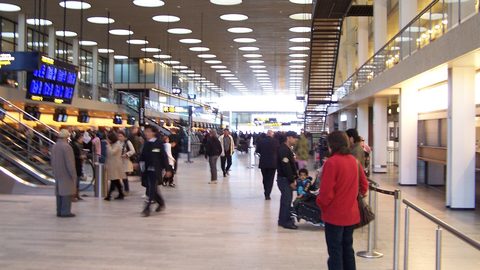 Denmark Visa Rules, Who Needs One and How the Application Works
Denmark is in the Schengen zone. This page explains who needs a visa to enter, how the Danish application process works, and what ETIAS will change.
Denmark Visa Rules, Who Needs One and How the Application Works
Denmark is in the Schengen zone. This page explains who needs a visa to enter, how the Danish application process works, and what ETIAS will change.
-
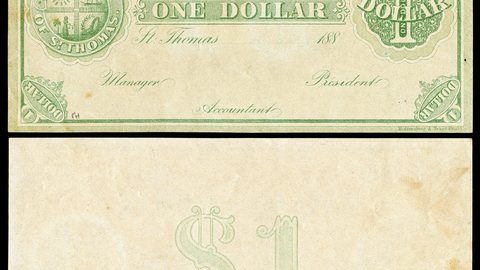 Money in Denmark, Danish Krone, Cards, and When Cash Still Wins
Denmark runs on cards and MobilePay, but tourists cannot get MobilePay. Here is how to handle Danish krone, where cash still matters, and why tap water costs.
Money in Denmark, Danish Krone, Cards, and When Cash Still Wins
Denmark runs on cards and MobilePay, but tourists cannot get MobilePay. Here is how to handle Danish krone, where cash still matters, and why tap water costs.
-
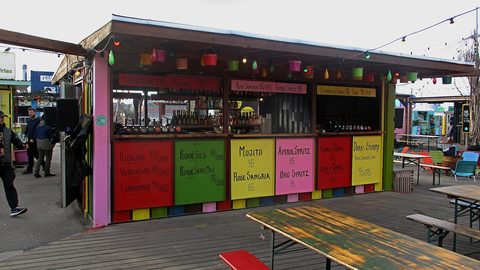 What Denmark Costs Without the Shock A Rough Budget in Shape Not Figures
Denmark's costs hit in patterns, not random prices—eating out, alcohol, and summer house hidden fees are the structural shocks that catch even warned
What Denmark Costs Without the Shock A Rough Budget in Shape Not Figures
Denmark's costs hit in patterns, not random prices—eating out, alcohol, and summer house hidden fees are the structural shocks that catch even warned
-
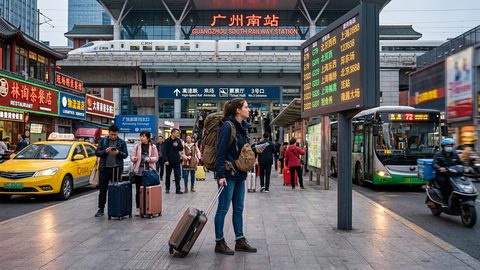 A Ground-Level Logistics Guide to Independent Travel in China
First-time independent travel in China: what you need to know about visas, rail booking, eSIMs, mobile payments, and power adapters.
A Ground-Level Logistics Guide to Independent Travel in China
First-time independent travel in China: what you need to know about visas, rail booking, eSIMs, mobile payments, and power adapters.
-
 How Solo Travelers Stay Ahead of Flight Delays and Cancellations
How solo travelers can track inbound aircraft, claim rebooking rights, and adjust ground transport when flights go wrong — step by step.
How Solo Travelers Stay Ahead of Flight Delays and Cancellations
How solo travelers can track inbound aircraft, claim rebooking rights, and adjust ground transport when flights go wrong — step by step.
-
 Why Your eSIM Might Not Work Abroad and How to Check Before You Go
Buying an eSIM doesn't guarantee signal abroad. Learn why coverage fails by location and how to verify reach before you commit to a plan.
Why Your eSIM Might Not Work Abroad and How to Check Before You Go
Buying an eSIM doesn't guarantee signal abroad. Learn why coverage fails by location and how to verify reach before you commit to a plan.