Denmark Through the Year, From 17-Hour Days to Seven-Hour Darkness
Denmark's seasons swing from 17-hour summer daylight to seven-hour winter gloom. This page explains what each season does to crowds, closures, and your trip.
Denmark Through the Year, from 17-Hour Days to Seven-Hour Darkness
At 22:30 in late June, the light over Helsingør harbour is still bright enough to read a book. By 15:30 in late December, you will be reaching for a headlamp on a city afternoon. That six-month swing between 17.5 hours of daylight and seven hours of darkness is the single biggest factor in deciding when to go. The weather shifts from sun to sideways rain faster than you can zip a jacket. The practical consequence of each season is not a temperature chart but a list of what is open, what is crowded, and what costs more. Pick the wrong window and you could arrive at a rural castle interior in January to find a locked gate, or land in Legoland in week 42 with no tickets left. Here is how the seasons actually behave.
Summer: 17-Hour Days and Packed Beach Houses
July and early August are peak season. Danish school holidays run from late June to early August, and every beach house, campsite, and west-coast resort fills. Roskilde Festival in late June or early July pulls international crowds into Zealand. Daylight stretches past 17 hours in June. It is spectacular for cycling the 4,500 km of national cycle routes or swimming at a harbour bath in the capital. But you pay for it. Accommodation prices spike.
Ferries Sell Out. Book Them.
Ferry reservations to Bornholm, Samsø, and the South Funen islands sell out in July. Do not assume bridges connect everything. They do not. Book the overnight ferry to Bornholm or the 35-minute flight months ahead. The sea temperature in August reaches its peak at 17 °C, which is cold enough to wake you up but warm enough for a proper swim.
What It Costs And What To Book
Domestic ferries must be booked in advance for July. The Bornholm route from the capital requires a reservation. Samso and Laeso ferries are the same. Do not show up at the dock without one. Legoland Billund requires advance online booking, which saves 10 to 15 percent. Tivoli Gardens operates from April through September, so you are safe. The harbour baths at Islands Brygge are free and open in summer. The water is monitored by the Danish Environmental Protection Agency and Blue Flag assessed annually.
If you skip July, August 15 onward sees a steep drop in crowds. The coastal services wind down through October, so you still have most facilities. The schools do not return until early August, so the second half of August is a quieter version of peak season with similar daylight.

Winter: Seven-Hour Days and the Rural Shutdown
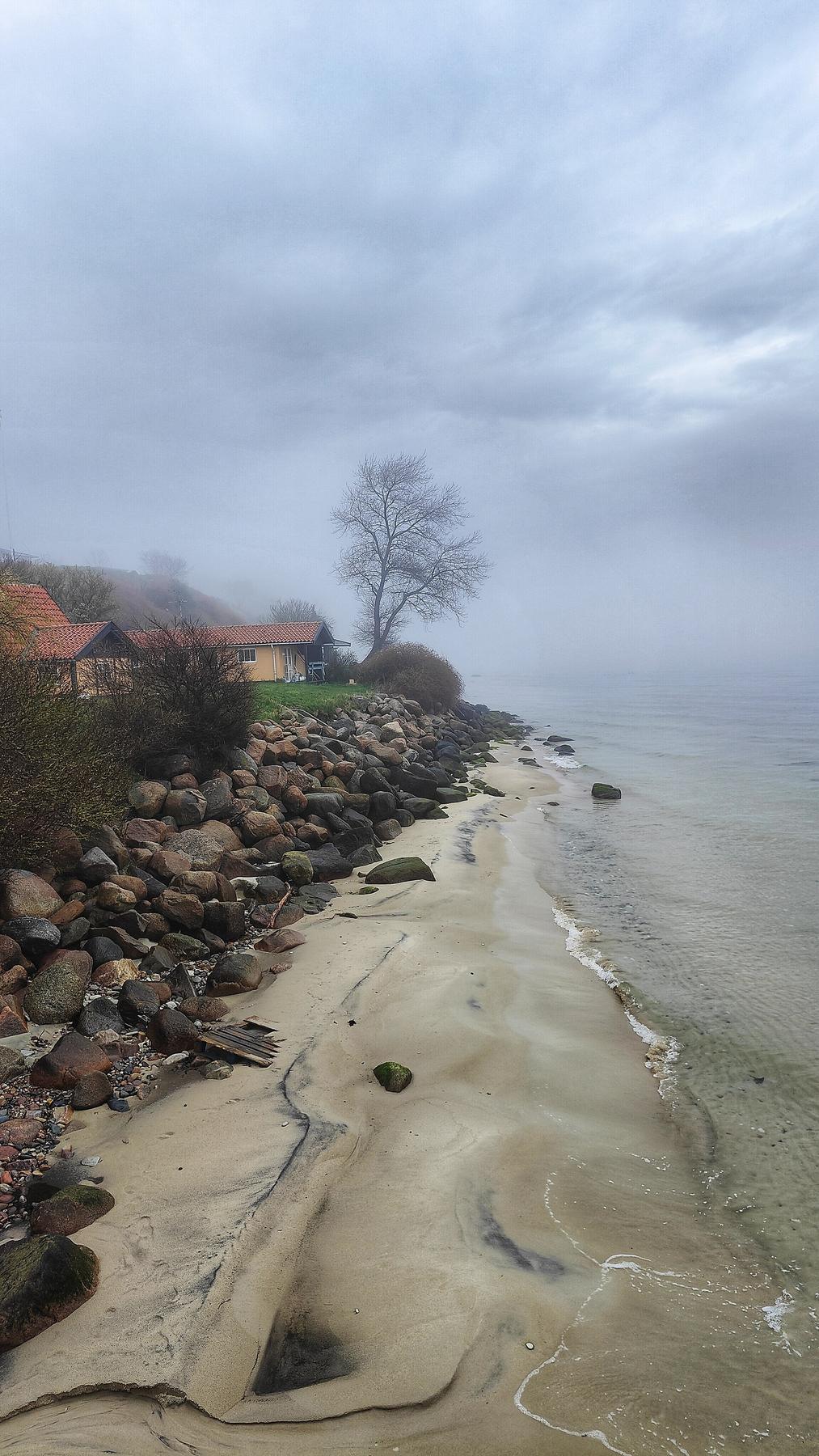
Late December through January is the window to avoid unless you specifically want Christmas markets. Daylight bottoms out around seven hours. Rural coastal towns feel shuttered. Many rural attractions, castle interiors, and smaller museums close entirely. Kronborg Slot and Frederiksborg Slot keep their exterior grounds accessible, but the indoor exhibits and guided tours stop. The Jelling Monuments and Ribe Domkirke are outdoor or partially accessible. Smaller sites across North Jutland and Bornholm shut down completely.
Urban life continues. Tivoli Gardens opens for its Christmas season from mid-November to early January. Restaurants serve smørrebrød year-round. But the practical friction of Danish winter is relentless: shops close by 17:30 on weekdays, 14:00 to 16:00 on Saturdays, and are fully shut on Sundays outside the capital. Public toilets are scarce and cost 2 to 5 kroner in coins. You need them because MobilePay requires a Danish CPR number and bank account that tourists cannot get. The December average sunshine in the city is 1.1 hours per day. You will eat dinner in the dark and walk back to your hotel in the dark.
Easter weekend in March or April is a partial reopening. Many seasonal attractions open for the Easter holiday period. It is a better winter option than January, but still limited compared to spring.
Spring and Autumn: the Shoulder Months That Work
April to mid-May is the spring shoulder. Temperatures are cooler. Some seasonal facilities remain closed. But the daylight is expanding, cycling routes reopen, and nature reserves and gardens come into bloom. You trade a few closed doors for lower visitor density and emerging natural landscapes. The gardens of Funen peak in May and June. Møns Klint chalk cliffs and the dark-sky area are accessible without summer crowds.
September to mid-October is the autumn shoulder. The sea temperature is still mild from summer. The shortening days and progressive closure of summer-only services are offset by autumn foliage, migratory birdwatching on the Wadden Sea, and the fact that the coastal holiday cottages drop their prices. The school autumn break in week 42 is the one trap: Legoland and domestic holiday areas book solid that week. Avoid week 42 entirely unless you have prebooked accommodation.
| Season | Daylight | Crowds | What Is Closed | Best For |
|---|---|---|---|---|
| Summer (Jun-Aug) | Up to 17.5 hours in June | Peak; beach houses and campsites full | Nothing; everything open | Family trips, cycling, festivals, harbour swimming |
| Spring (Mar-May) | 10.3 to 16.3 hours | Low in Apr; moderate in May | Some coastal attractions and seasonal eateries | Cycling, gardens, lower costs, wildflowers |
| Autumn (Sep-Nov) | 12.7 to 7.5 hours | Low except week 42 | Coastal services winding down from October | Birdwatching, mild sea temps, lower accommodation rates |
| Winter (Dec-Feb) | 7 hours in December to 9.6 in February | Very low except Christmas markets | Rural castle interiors, small museums, many island ferries | Urban tourism, Christmas markets, low airfares |

The Practical Friction You Will Face Any Time of Year
Danish weather is not extreme. The dominant climate is temperate oceanic, with westerly winds year-round and the Gulf Stream keeping coastal waters from freezing. But the weather shifts from sun to sideways rain faster than you can zip a jacket. You need a waterproof shell in any season. The coastal wind is stronger on the Jutland west coast year-round.
The Cost Will Shock You
Eating out and drinking alcohol is expensive. The VAT rate on goods and services is 25 percent. A dorm bed in the city will still cost you. Budget backpackers: the supermarket is your friend, not the restaurant. Tap water is free but restaurants refuse to serve it without a meal purchase. Bring coins for public toilets and cash for small vendors. The Rejsekort anonymous travel card costs an 80 kroner deposit and requires mandatory check-out when you leave a train or bus. Forgetting the check-out charges the maximum fare for the route. Regional bus drivers rarely accept cash at all.
Arriving And Getting Online
If you arrive at the airport, the metro (M2 line, 15 minutes, about 36 kroner) or the regional train (12 minutes to København H, about 30 kroner) gets you into the city. Billund Airport has buses to Vejle and Aarhus. Aarhus Airport is poorly connected with a 50-minute bus that runs infrequently. Non-EU visitors should buy a physical SIM at the airport kiosks in CPH arrivals, 30 GB for 50 to 100 kroner.
What Denmark Suits and What it Does Not
Denmark suits solo cyclists and cycle tourers, families with young children, design and architecture pilgrims, slow travel enthusiasts who prefer countryside and coast over blockbuster cities, and second time Europe visitors looking for low stress, high comfort trips. It does not suit travellers seeking dramatic mountain landscapes, wilderness isolation, or spontaneous nightlife outside the capital. Budget backpackers will find dorm beds and supermarket meals still painfully expensive. If you need grand, monumental sights at every stop, the understated scale of Denmark will feel underwhelming. The single thing that most often goes wrong is underestimating the 52 km maximum distance from the sea and assuming the ferries are like bridges. They are not. Book them.
Common Questions
What is the best month for good weather and low crowds?
September. The sea temperature is still around 17 °C from the August peak. Daylight is 12.7 hours at the start of the month. The crowds have left after the August school holiday ends. Most attractions remain open. The exception is week 42 in mid October, when Danish schools take autumn break and Legoland and domestic holiday areas book solid.
Can I visit rural castles and museums in January?
Many close entirely. Castle interiors and small museums in rural areas shut from late December through January. Kronborg and Frederiksborg Slot grounds may be accessible, but indoor exhibits and guided tours stop. Coastal towns feel shuttered. Urban areas continue operating, but anything outside the capital requires checking individual websites before you go.
How do I pay for trains and buses without a Danish bank account?
Buy a Rejsekort anonymous travel card at any station for an 80 kroner deposit. Load it with cash at a ticket machine. Tap on before boarding and tap off after exiting. Forgetting the check out charges the maximum fare for the route. Alternatively, use the DSB app with a credit card. Paper tickets bought on board carry a surcharge.
Is Legoland worth visiting in summer?
Legoland Billund operates late March to early November plus select winter dates. Summer crowds are heavy. Book online in advance, which saves 10 to 15 percent. Avoid week 42 entirely when Danish schools have autumn break and the park fills. The best time is a weekday in late May or early June before school holidays start.
Do I need a visa for Denmark?
Denmark is a Schengen Area and European Union member. Schengen area nationals need a national ID card or passport. EU and EEA nationals outside Schengen need a passport. Visa exempt non EU nationals from the US, UK, Canada, Australia, and New Zealand need a passport valid at least three months beyond intended departure and will require ETIAS authorisation from 2025. Visa required nationals need a passport plus Schengen visa. The maximum stay for visa exempt visitors is 90 days in any 180 day period.
Read next
-

 Staying Connected in Denmark eSIM Local SIM or Just Roaming
Denmark runs on MobilePay but tourists are locked out—here is how to stay connected for the DSB app, ferry bookings, and the coin-only toilets that define
Staying Connected in Denmark eSIM Local SIM or Just Roaming
Denmark runs on MobilePay but tourists are locked out—here is how to stay connected for the DSB app, ferry bookings, and the coin-only toilets that define
-
 Getting Around Denmark, Trains, Ferries, and What the Map Oversells
Denmark's transport map looks seamless but hides ferry gaps, cashless buses, and a Rejsekort system that punishes forgetfulness.
Getting Around Denmark, Trains, Ferries, and What the Map Oversells
Denmark's transport map looks seamless but hides ferry gaps, cashless buses, and a Rejsekort system that punishes forgetfulness.
-
 Denmark Visa Rules, Who Needs One and How the Application Works
Denmark is in the Schengen zone. This page explains who needs a visa to enter, how the Danish application process works, and what ETIAS will change.
Denmark Visa Rules, Who Needs One and How the Application Works
Denmark is in the Schengen zone. This page explains who needs a visa to enter, how the Danish application process works, and what ETIAS will change.
-
 Money in Denmark, Danish Krone, Cards, and When Cash Still Wins
Denmark runs on cards and MobilePay, but tourists cannot get MobilePay. Here is how to handle Danish krone, where cash still matters, and why tap water costs.
Money in Denmark, Danish Krone, Cards, and When Cash Still Wins
Denmark runs on cards and MobilePay, but tourists cannot get MobilePay. Here is how to handle Danish krone, where cash still matters, and why tap water costs.
-
 Safety in Denmark, Reading the Advice Without Being Misled by It
Denmark is a low-crime country, but cycling culture, coastal weather, and tidal flats pose real risks. This page reads the safety advice critically.
Safety in Denmark, Reading the Advice Without Being Misled by It
Denmark is a low-crime country, but cycling culture, coastal weather, and tidal flats pose real risks. This page reads the safety advice critically.
-
 What Denmark Costs Without the Shock A Rough Budget in Shape Not Figures
Denmark's costs hit in patterns, not random prices—eating out, alcohol, and summer house hidden fees are the structural shocks that catch even warned
What Denmark Costs Without the Shock A Rough Budget in Shape Not Figures
Denmark's costs hit in patterns, not random prices—eating out, alcohol, and summer house hidden fees are the structural shocks that catch even warned
-
 A Ground-Level Logistics Guide to Independent Travel in China
First-time independent travel in China: what you need to know about visas, rail booking, eSIMs, mobile payments, and power adapters.
A Ground-Level Logistics Guide to Independent Travel in China
First-time independent travel in China: what you need to know about visas, rail booking, eSIMs, mobile payments, and power adapters.
-
 How Solo Travelers Stay Ahead of Flight Delays and Cancellations
How solo travelers can track inbound aircraft, claim rebooking rights, and adjust ground transport when flights go wrong — step by step.
How Solo Travelers Stay Ahead of Flight Delays and Cancellations
How solo travelers can track inbound aircraft, claim rebooking rights, and adjust ground transport when flights go wrong — step by step.
-
 Why Your eSIM Might Not Work Abroad and How to Check Before You Go
Buying an eSIM doesn't guarantee signal abroad. Learn why coverage fails by location and how to verify reach before you commit to a plan.
Why Your eSIM Might Not Work Abroad and How to Check Before You Go
Buying an eSIM doesn't guarantee signal abroad. Learn why coverage fails by location and how to verify reach before you commit to a plan.