Navigating Denmark Currency and Payment Methods as a Visitor
Denmark runs on cards and MobilePay, but tourists cannot get MobilePay. Here is how to handle Danish krone, where cash still matters, and why tap water costs.
You Cannot Just Tap Your Phone Like a Local
Most visitors assume Denmark is fully cashless. It is nearly, but not for you. The dominant mobile payment system, MobilePay, requires a Danish CPR number and a Danish bank account. Tourists cannot get it. That locks you out of paying for public toilets, flea market stalls, and harbour vendors. You need a different strategy.
The Danish krone (DKK) is the only legal tender. Danmarks Nationalbank fixes the krone to the euro at a central rate of 7.46038 kr per euro, with a 2.25% fluctuation band. Euro acceptance is rare in tourist businesses and always at poor rates. Pay in kroner, always. Foreign-issued Visa and Mastercard work at almost every terminal in cities and large towns. American Express and Diners Club do not. Contactless is near universal, but you must have a physical card with a PIN as backup. The terminal sometimes asks for the PIN even on a contactless transaction, and you cannot do that with a phone wallet unless the phone supports the exact local protocol.
The failure case: you arrive, try to pay for a 5 kr public toilet with a card, and the terminal says minimum card spend is 20 kr. The toilet does not take MobilePay from you. You need 2 kr coins. Not 5 kr notes, not the 10 kr coin. Two 1 kr coins or a 2 kr coin. Carry them.
Cards Work, but Cash Solves the Frictions
In Copenhagen, pay for everything by card. A coffee, a museum ticket, a supermarket purchase, a metro ride. The card terminal at 7-Eleven, the DSB ticket machine, the bakery in Nørrebro. All take contactless Visa or Mastercard. The problem is not the city. The problem is the edges.
Where Coins Are Still King
Public toilets cost 2 to 5 kr, coin only. No card terminal. No MobilePay for you. The public toilet at Kongens Nytorv, the one at the harbour baths in Islands Brygge, the toilets in most train stations outside the ticket hall. Keep a handful of 1 kr, 2 kr, 5 kr, and 10 kr coins in a separate pocket. Flea markets, the ones in Vestebro on Saturdays and the seasonal markets on Refshaleøen, have stalls where the vendor accepts only cash or MobilePay. You have cash. Harbour vendors selling smoked fish on Bornholm, the guy with the open fire and the herring at the side of the road in West Jutland. Cash only. Rural bus drivers, especially on regional routes in North Jutland and the smaller islands, do not carry cash and do not accept cards. You need the Rejsekort anonymous travel card, purchased at a station for an 80 kr deposit, or the DSB app with a card loaded.
ATM Strategy
Bank owned ATMs are common in towns and cities. Fewer in rural areas. The non-bank operator Kontanten, found in convenience stores, charges a surcharge on foreign cards that the bank ATMs do not. At any ATM, the terminal will ask if you want to convert the amount to your home currency. Decline that. Always select “pay in DKK” or “continue without conversion.” That is Dynamic Currency Conversion (DCC), and the rate set by the ATM operator is worse than your bank’s rate. Under EU rules the terminal must give you the choice. Use it.
The Rejsekort Trap
The single biggest trip up on Danish public transport is the Rejsekort check out. You tap the card on the reader at the start of your journey and again at the end. Forget to check out, and the system charges you the maximum fare for the entire route. That can turn a 30 kr journey into a much larger charge. Set a phone alarm when you board. The DSB app avoids this because it auto calculates the fare for a single ticket, but it requires a foreign credit card that works in the app. Most do. Test yours before you travel.
The Real Cost of Eating and Drinking
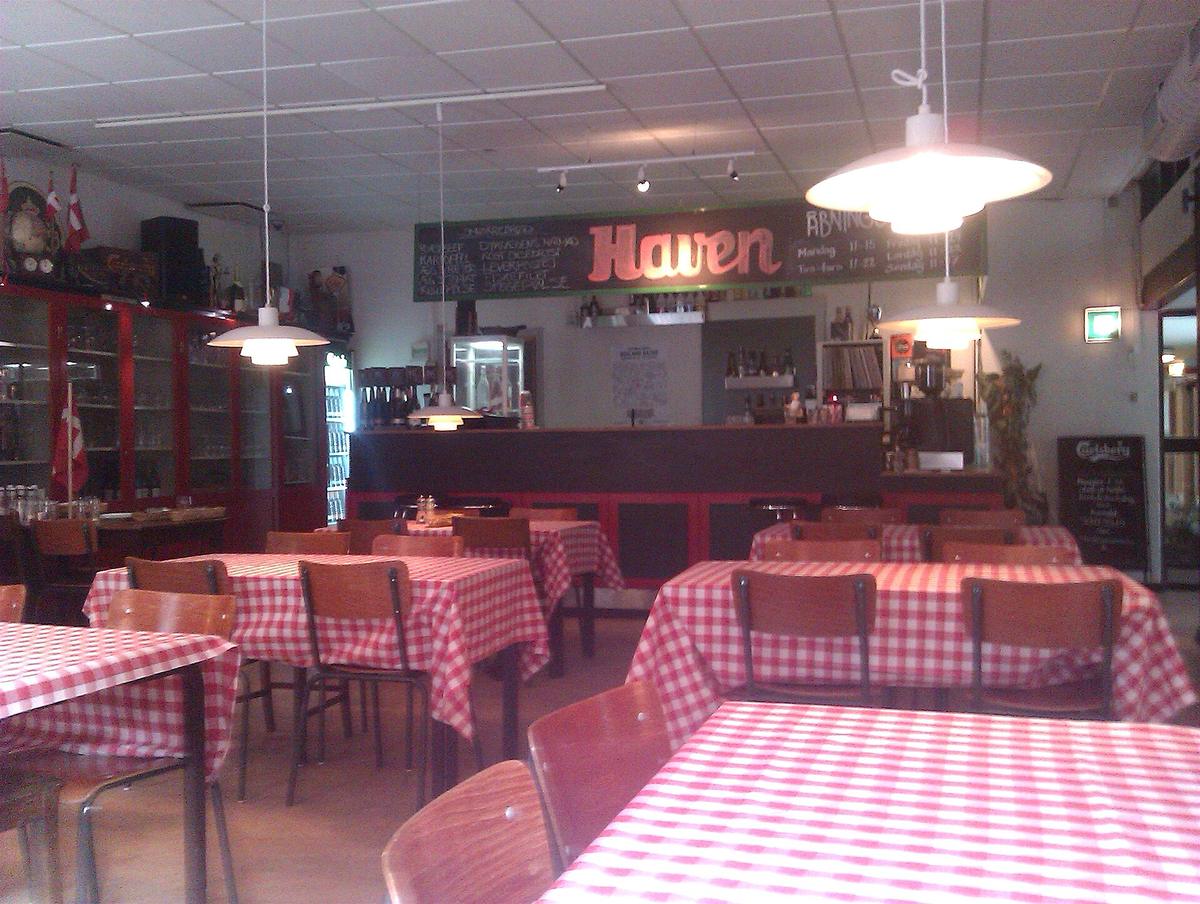
The cost of eating out shocks even prepared travellers. A main course at a mid range restaurant in Copenhagen is expensive. A beer runs 60 to 80 kr at a bar. A glass of wine, 80 to 120 kr. A smørrebrød lunch at a proper frokostrestaurant, ordered by the piece not as a buffet, costs per piece. You eat two or three pieces. That adds up fast.
Tap water in restaurants is free, but restaurants routinely refuse to serve it without a meal purchase. If you sit down and ask for tap water, most will say no. Order a coffee or a beer if you must sit. The water in your accommodation is safe. Fill a bottle there. The tap water everywhere in Denmark is excellent. Carry a reusable bottle.
Supermarket meal strategy: a rød pølse from a pølsevogn costs 35 to 45 kr. A bakery cinnamon bun runs 20 to 28 kr. A supermarket sandwich for 40 to 60 kr. The budget option is the Netto or Rema 1000 koldskål with biscuits in summer, about 20 kr for a litre. Dorm beds in Copenhagen start around 350 kr per night in July. A private room in a budget hotel is more. Budget backpackers will find the whole country painfully expensive.
Tipping: Do Not Overthink it
Service is included in the bill by law. No tip is expected. In restaurants, rounding up to the nearest 10 or 20 kr happens but is not required. For exceptional service, leaving 5 to 10% is entirely voluntary. Taxis: round up to the nearest krone. No percentage. Hotels: no tip for housekeeping, porters may receive 20 kr if they carry luggage. Bars: pay the exact amount. Tipping is not part of the culture and nobody will chase you for it.
-1_Dollar_(1889).jpg)
.jpg)
Hours and Days That Trip You Up
Most shops close by 17:30 to 18:00 on weekdays, 14:00 to 16:00 on Saturdays, and are fully shut on Sundays outside Copenhagen. If you arrive in a small town at 17:00 on a Saturday, you cannot buy food. The supermarket is closed. The bakery is closed. The kiosk is open but charges a premium. Plan your arrival times.
Public toilets are scarce, as noted. The coin problem repeats. The MobilePay problem repeats. The failure case: you are cycling on the West Jutland coastal route, 20 km from the next town, and need a toilet. The public toilet at the beach car park costs 5 kr coins. You have none. The nearest cash machine is in the town 20 km back. Carry coins.
Danmarks Nationalbank sets the exchange rate fixed to the euro. The central rate is 7.46038 kr per euro. The DKK to USD rate floats with EUR to USD. Check the actual rate via the European Central Bank or Danmarks Nationalbank on the day you exchange.
Frequently Asked Questions
Can I use my phone to pay everywhere in Denmark?
No. Contactless cards work at almost every terminal, but Apple Pay and Google Pay are not accepted at some older ticket machines and small vendor terminals. Your phone wallet also cannot generate a PIN that some terminals require. Carry a physical card as backup.
What do I do if an ATM offers to convert my currency?
Always decline the conversion. Select "pay in DKK" or "continue without conversion." This avoids Dynamic Currency Conversion, which adds a markup of 3 to 7% hidden in the exchange rate. Your home bank gives a better rate.
How do I pay for a bus in rural Denmark if the driver does not accept cash?
You need the Rejsekort anonymous travel card, sold at stations for an 80 kr deposit, or the DSB app with a foreign credit card loaded. Paper tickets bought on board carry a surcharge. Regional bus drivers do not carry cash and will turn you away.
Is tipping expected in Copenhagen restaurants?
No. Service charge is included in prices by law. No tip is expected. Rounding up the bill happens but is not required. A 5 to 10% tip for exceptional service is entirely voluntary.
What is the biggest money mistake tourists make in Denmark?
Arriving without small denomination coins. You need 1 kr, 2 kr, 5 kr, and 10 kr coins for public toilets, flea market stalls, and some harbour vendors. No ATM dispenses coins. Get them by paying cash for a small purchase at a supermarket and asking for coins as change.
Read next
-

 Staying Connected in Denmark eSIM Local SIM or Just Roaming
Denmark runs on MobilePay but tourists are locked out—here is how to stay connected for the DSB app, ferry bookings, and the coin-only toilets that define
Staying Connected in Denmark eSIM Local SIM or Just Roaming
Denmark runs on MobilePay but tourists are locked out—here is how to stay connected for the DSB app, ferry bookings, and the coin-only toilets that define
-
 Best Time to Visit Denmark, What Each Season Actually Does
Denmark's seasons swing from 17-hour summer daylight to seven-hour winter gloom. This page explains what each season does to crowds, closures, and your trip.
Best Time to Visit Denmark, What Each Season Actually Does
Denmark's seasons swing from 17-hour summer daylight to seven-hour winter gloom. This page explains what each season does to crowds, closures, and your trip.
-
 Getting Around Denmark, Trains, Ferries, and What the Map Oversells
Denmark's transport map looks seamless but hides ferry gaps, cashless buses, and a Rejsekort system that punishes forgetfulness.
Getting Around Denmark, Trains, Ferries, and What the Map Oversells
Denmark's transport map looks seamless but hides ferry gaps, cashless buses, and a Rejsekort system that punishes forgetfulness.
-
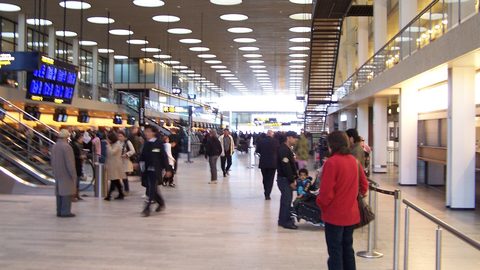 Denmark Visa Rules, Who Needs One and How the Application Works
Denmark is in the Schengen zone. This page explains who needs a visa to enter, how the Danish application process works, and what ETIAS will change.
Denmark Visa Rules, Who Needs One and How the Application Works
Denmark is in the Schengen zone. This page explains who needs a visa to enter, how the Danish application process works, and what ETIAS will change.
-
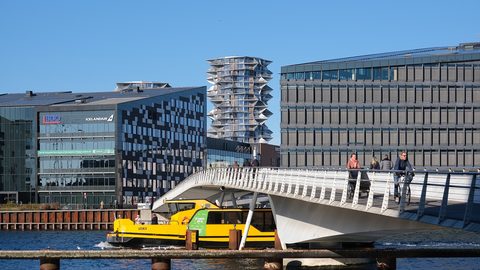 Safety in Denmark, Reading the Advice Without Being Misled by It
Denmark is a low-crime country, but cycling culture, coastal weather, and tidal flats pose real risks. This page reads the safety advice critically.
Safety in Denmark, Reading the Advice Without Being Misled by It
Denmark is a low-crime country, but cycling culture, coastal weather, and tidal flats pose real risks. This page reads the safety advice critically.
-
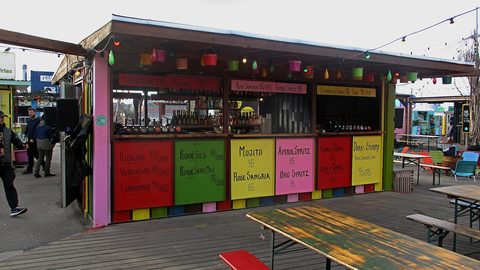 What Denmark Costs Without the Shock A Rough Budget in Shape Not Figures
Denmark's costs hit in patterns, not random prices—eating out, alcohol, and summer house hidden fees are the structural shocks that catch even warned
What Denmark Costs Without the Shock A Rough Budget in Shape Not Figures
Denmark's costs hit in patterns, not random prices—eating out, alcohol, and summer house hidden fees are the structural shocks that catch even warned
-
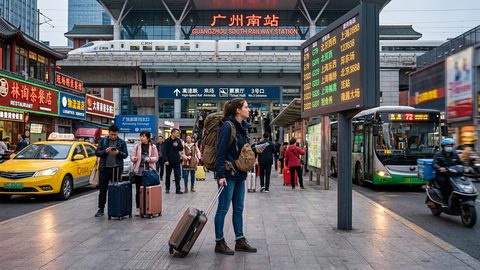 A Ground-Level Logistics Guide to Independent Travel in China
First-time independent travel in China: what you need to know about visas, rail booking, eSIMs, mobile payments, and power adapters.
A Ground-Level Logistics Guide to Independent Travel in China
First-time independent travel in China: what you need to know about visas, rail booking, eSIMs, mobile payments, and power adapters.
-
 How Solo Travelers Stay Ahead of Flight Delays and Cancellations
How solo travelers can track inbound aircraft, claim rebooking rights, and adjust ground transport when flights go wrong — step by step.
How Solo Travelers Stay Ahead of Flight Delays and Cancellations
How solo travelers can track inbound aircraft, claim rebooking rights, and adjust ground transport when flights go wrong — step by step.
-
 Why Your eSIM Might Not Work Abroad and How to Check Before You Go
Buying an eSIM doesn't guarantee signal abroad. Learn why coverage fails by location and how to verify reach before you commit to a plan.
Why Your eSIM Might Not Work Abroad and How to Check Before You Go
Buying an eSIM doesn't guarantee signal abroad. Learn why coverage fails by location and how to verify reach before you commit to a plan.