Navigating the China Tourist Visa Application Process for Your Trip
Most visitors need a Chinese tourist visa before departure. Here is who qualifies for visa-free entry, who does not, and exactly how the L-visa application works.
Most passport holders need a visa for China, but the country's transit-without-visa policies and regional exemptions create genuine loopholes worth understanding before you start an application. The China tourist visa application process is straightforward if you meet every requirement on the first try. You must apply in person at a Chinese Visa Application Service Centre in your country of residence, submit a complete paper form, provide a passport valid for six months beyond your intended stay with at least two blank pages, attach a photograph that meets exact specifications, and prove onward travel. The L visa allows a single or double entry with a stay of 30 to 90 days per entry. Standard processing takes four working days. Express service cuts that to two to three, and rush service to one working day where available. The National Immigration Administration of China publishes the official entry requirements, and the General Administration of Customs of China handles the health declaration you submit on arrival.
Who Needs a Visa and Who Qualifies for Visa-Free Entry
Nationalities That Skip the Visa
Thirty-day visa-free entry is available to ordinary passport holders from Armenia, Azerbaijan, Belarus, Bosnia and Herzegovina, Brunei, Croatia, Fiji, Georgia, Grenada, Kazakhstan, Malaysia, Maldives, Mongolia, Montenegro, North Macedonia, Qatar, Russia, Serbia, Seychelles, Singapore, Solomon Islands, Thailand, Tonga, and the United Arab Emirates. Fifteen-day visa-free entry applies to Andorra, Australia, Austria, Barbados, Belgium, Bulgaria, Cyprus, Czech Republic, Denmark, Estonia, Finland, France, Germany, Greece, Hungary, Iceland, Ireland, Italy, Japan, Latvia, Liechtenstein, Lithuania, Luxembourg, Malta, Monaco, Netherlands, New Zealand, Norway, Poland, Portugal, Romania, San Marino, Slovakia, Slovenia, South Korea, Spain, Sweden, and Switzerland. Both lists are annual. A cumulative stay limit of 90 days per 180-day period applies to most visa-free nationalities.
Transit Without a Visa
Beyond those bilateral agreements, the transit-without-visa policy is the most useful option for travellers passing through. All nationalities qualify for 24-hour transit at all international airports. Selected nationalities can use the 144-hour transit at Beijing, Shanghai, Guangzhou, Chengdu, and 17 other cities, provided you hold a confirmed onward ticket to a third country and remain within the permitted metropolitan area. Hainan province offers 30-day visa-free access to 59 nationalities who arrive directly in Hainan and stay within the province. Groups from Hong Kong or Macao entering through designated Guangdong ports qualify for 144-hour visa-free entry for Guangdong.
When You Need the L Visa
If you do not qualify for any exemption, apply for an L visa from your country of residence. Port visas are available only at designated ports for urgent travel where no Chinese embassy exists in your country, and even then you need an invitation letter and full documentation. E-visas do not exist. The online portal is for submitting documents before visiting a CVASC in person.

Step by Step: the Chinese L Visa Application
Where To Apply
Submit your application in person at a Chinese Visa Application Service Centre or consular section in your country of residence. The centre collects biometric data including fingerprints for all applicants aged 14 to 70. If you apply from a country where you are not a resident, expect rejection. The centres do not accept walk-in submissions for tourist visas without a completed online form.
The Invitation Letter Requirement
Independent travellers trip on the invitation letter. You need a letter of invitation from a Chinese host or a hotel confirmation. If a Chinese friend or business contact invites you, the letter must include their Chinese ID number, address, a handwritten signature, your passport details, and your itinerary. If you use a hotel booking, the confirmation must list your name, the hotel's address, and its phone number. Many first-time applicants get rejected because the letter lacks a host's phone number or the hotel booking is not on the hotel's official letterhead. Use a verified hotel booking, not a reservation from a third-party site that shows a different address.
China Visa Photo Requirements
The China visa photo requirements cause more rejections than any other single item. The photograph must be 33 millimetres wide by 48 millimetres tall, full face, head centred, with a white background and no shadows on the face or behind the head. Print it on high-quality photo paper with no ink bleeding. Eyeglasses are not allowed unless a medical certificate justifies them, and the photo must be taken within the last six months. Many CVASC centres have on-site photo booths that meet the exact specifications. Pay the small fee and use the booth rather than risking a rejection that costs you a day.
Health Declaration And Biometrics
Before you board your flight, submit the China Customs Health Declaration through the customs.gov.cn portal or via the China Customs app. The form asks for your passport number, flight details, recent travel history, and your health status. Complete it 24 hours before departure and save the QR code. You show it at immigration on arrival. At the visa centre, your fingerprints are scanned and stored. On entry, travellers aged 14 through 70 have their fingerprints collected again. If you have previously supplied biometrics to China, the system may waive the re-collection. Do not count on it.
Passport Validity And Blank Pages
Your passport must be valid for at least six months beyond your planned departure date. Two consecutive blank visa pages are required. Endorsement pages do not count. If your passport has fewer than two clean pages, the application is rejected immediately.
Accommodation Proof And Registration
Hotels register foreign guests with the local Public Security Bureau automatically. If you stay in private accommodation, register in person at the local PSB station within 24 hours of arrival or risk fines and complications when departing. Keep a copy of the registration receipt with your passport. Both visa-free and visa holders must carry proof of onward or return travel at the border.
| Service Level | Working Days | Notes |
|---|---|---|
| Standard | 4 working days | Most CVASC centres; baseline fee applies |
| Express | 2-3 working days | Availability varies; additional fee |
| Rush | 1 working day | Limited availability; highest fee |
| Port visa | Same day at port | Urgent circumstances; invitation letter required |
What Happens at the Border and After Arrival
Onward Tickets And Accommodation Proof
Immigration officers ask for proof of onward or return travel. Have a printed copy of your flight itinerary, train ticket, or ferry booking. Hotel bookings should show your name and the address. If you use the transit-without-visa policy, the officer checks that your onward ticket is to a third country, not back to your origin. A ticket to Hong Kong, Macao, or Taiwan counts as a third-country ticket for transit purposes.
Digital Friction: Payment, Apps, And Internet
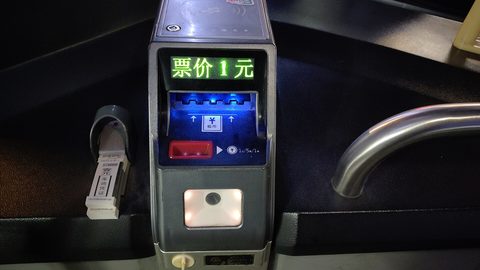
Cash is nearly extinct in Chinese cities. Foreign credit cards fail to link with WeChat Pay or Alipay, leaving you unable to pay for a bottle of water or a metro ticket. Bring a backup card that works on UnionPay networks. Carry enough RMB cash to cover emergencies. The digital wall means you need a local phone number. Purchase a SIM card or eSIM from Nihao Mobile or China Unicom at the airport upon arrival. Hotel Wi-Fi requires a local number for verification codes. Without one you cannot connect to most public networks or use bike-sharing apps. Install a VPN before you arrive. The Great Firewall blocks Google, Instagram, WhatsApp, X, YouTube, and Wikipedia, and many foreign VPNs are blocked. Legal VPN services work intermittently, so have a second option ready.
Toilets, Pollution, And Train Security
Toilets in public areas, train stations, and on trains are overwhelmingly squat-style, often without toilet paper, soap, or doors. Carry your own paper and hand sanitiser. Tap water is not potable anywhere. Air pollution in northern cities such as Beijing and Xi'an can exceed hazardous levels from November through March, shutting down outdoor activities. Check real-time AQI data before planning sightseeing days. At train stations, security confiscates aerosols and power banks over 20,000mAh without warning. Keep your power bank under that limit and pack aerosols in checked luggage or leave them at home.
Common Questions
How long does a Chinese tourist visa take to process?
Standard processing is four working days. Express service takes two to three working days, and rush service takes one working day, though availability varies by CVASC centre. Apply at least two weeks before your travel date to account for any delays.
Can I get a Chinese visa on arrival?
Visa on arrival is not generally available. Emergency port visas exist for exceptional circumstances only, such as urgent travel from a country with no Chinese embassy, and require an invitation letter and full documentation. Do not plan on this option.
What are the China visa photo requirements?
The photograph must be 33 mm wide by 48 mm tall with a white background, full face, head centred, no shadows, no eyeglasses unless medically justified, and printed on high-quality photo paper. The photo must be no more than six months old.
Do I need an invitation letter for a China tourist visa?
Yes. If a Chinese host invites you, the letter must include their Chinese ID number, address, and handwritten signature plus your passport details and itinerary. If you use a hotel booking, the confirmation must list your name and the hotel's address and phone number on the hotel's official letterhead.
Which nationalities get visa-free entry to China?
Thirty-day visa-free entry applies to passport holders from 24 countries including Malaysia, Singapore, Thailand, and Russia. Fifteen-day visa-free entry applies to 38 countries including Australia, Japan, France, Germany, and the United Kingdom. The lists are updated annually by the National Immigration Administration.
How does the 144-hour visa-free transit work?
Selected nationalities can stay up to 144 hours (six days) in designated cities including Beijing, Shanghai, and Guangzhou provided they hold a confirmed onward ticket to a third country and remain within the permitted metropolitan area. You cannot exit the designated region or travel to other cities.
Do I need to register with the police when I arrive in China?
Hotels handle registration for you automatically. If you stay in private accommodation, you must register at the local Public Security Bureau station within 24 hours of arrival. Failure to register can result in fines and complications at departure.
Read next
-

 Staying Connected in China Without Losing Access to Everything
The central tradeoff is this: a local physical SIM gives you the Chinese phone number you need for WeChat Pay, bike sharing, and public Wi-Fi login.
Staying Connected in China Without Losing Access to Everything
The central tradeoff is this: a local physical SIM gives you the Chinese phone number you need for WeChat Pay, bike sharing, and public Wi-Fi login.
-
 Best Time to Visit China by Region and Season
China's climate spans subtropical to subarctic. Here is what each season means region by region, from October's clear Beijing skies to August's Guangdong humidity.
Best Time to Visit China by Region and Season
China's climate spans subtropical to subarctic. Here is what each season means region by region, from October's clear Beijing skies to August's Guangdong humidity.
-
 China High-Speed Trains and Getting Around Without a Chinese App
China's high-speed rail is fast and efficient, but booking as a foreigner is a puzzle.
China High-Speed Trains and Getting Around Without a Chinese App
China's high-speed rail is fast and efficient, but booking as a foreigner is a puzzle.
-
 How to Pay for Things in China Without Getting Stranded
China runs on WeChat Pay and Alipay, and cash is often refused. Here is how to link a foreign card, what to do when it fails, and where renminbi notes still work.
How to Pay for Things in China Without Getting Stranded
China runs on WeChat Pay and Alipay, and cash is often refused. Here is how to link a foreign card, what to do when it fails, and where renminbi notes still work.
-
 Is China Safe for Travel and What Safety Advice Actually Applies
China is statistically safe from violent crime, but scams, air pollution, and digital surveillance are real concerns. Here is what to actually watch for.
Is China Safe for Travel and What Safety Advice Actually Applies
China is statistically safe from violent crime, but scams, air pollution, and digital surveillance are real concerns. Here is what to actually watch for.
-
 What a Trip to China Actually Costs and Where the Money Goes
A realistic breakdown of China travel costs, from G-train tickets and attraction entry fees to the hidden expenses of a cashless society.
What a Trip to China Actually Costs and Where the Money Goes
A realistic breakdown of China travel costs, from G-train tickets and attraction entry fees to the hidden expenses of a cashless society.
-
 A Ground-Level Logistics Guide to Independent Travel in China
First-time independent travel in China: what you need to know about visas, rail booking, eSIMs, mobile payments, and power adapters.
A Ground-Level Logistics Guide to Independent Travel in China
First-time independent travel in China: what you need to know about visas, rail booking, eSIMs, mobile payments, and power adapters.
-
 How Solo Travelers Stay Ahead of Flight Delays and Cancellations
How solo travelers can track inbound aircraft, claim rebooking rights, and adjust ground transport when flights go wrong — step by step.
How Solo Travelers Stay Ahead of Flight Delays and Cancellations
How solo travelers can track inbound aircraft, claim rebooking rights, and adjust ground transport when flights go wrong — step by step.
-
 Why Your eSIM Might Not Work Abroad and How to Check Before You Go
Buying an eSIM doesn't guarantee signal abroad. Learn why coverage fails by location and how to verify reach before you commit to a plan.
Why Your eSIM Might Not Work Abroad and How to Check Before You Go
Buying an eSIM doesn't guarantee signal abroad. Learn why coverage fails by location and how to verify reach before you commit to a plan.