Building a Realistic China Travel Budget Breakdown for Any Trip
A realistic breakdown of China travel costs, from G-train tickets and attraction entry fees to the hidden expenses of a cashless society.
The Shape of a China Travel Budget
The most common mistake is thinking a trip here costs the same as a trip to Japan or Thailand. It does not. A China travel budget breakdown starts with a hard truth: the long-haul flight is just the entry fee. Once you land, the real cost structure is determined by the country's scale, its app-based payment ecosystem, and the fixed prices of G train tickets that surge during peak seasons. A 10-day trip has a hard cost floor that a 7-day trip in Southeast Asia does not. You cannot skip the internal transport between regions.
The dominant cost category is long-distance transport between regions and high-speed rail. The second is accommodation. Urban public transport is unexpectedly cheap. Street food and university canteen meals are also cheap. But a Western-style coffee or imported beer is unexpectedly expensive. The largest price gap between budget and mid-range spending is on accommodation quality and location.
You cannot rely on cash buffers. Mobile payment via WeChat Pay or Alipay is dominant. Foreign cards often fail to link to these apps. Small vendors frequently refuse cash. If your payment setup fails, even buying bottled water becomes a puzzle. A SIM card from Nihao Mobile or China Unicom at the airport solves the verification code problem for hotel Wi‑Fi and bike-sharing apps. Without a local number you cannot connect to most public Wi‑Fi.

How Much to Budget for a China Trip by Category
Long-Distance Transport Is Non-Negotiable
A trip from the capital to Xi'an on a G train costs about ¥515 second class. Xi'an to Chengdu adds roughly ¥263. Those two tickets alone cost ¥778. Add an internal flight from Chengdu to Shanghai and the price rises sharply three to seven days before departure, varying by competition on the route. The failure case: during Chinese New Year and Golden Week (October 1-7), tickets vanish minutes after release and domestic flight prices triple. Book all train tickets exactly 15 days before departure through a local platform or agent.
Accommodation Depends on City Tier
A dormitory bed in a Tier 1 city costs ¥80-120 per night. A private room in a budget guesthouse costs ¥150-250. A mid-range domestic chain like Hanting or 7 Days costs ¥300-500 in a Tier 1 city and ¥150-300 in a Tier 3 city. International brands like Holiday Inn Express or Ibis charge a premium of ¥400-700. During July and August summer holidays, demand on routes from the capital to Xi'an to Guilin to Shanghai pushes hotel prices up 30-50 percent.
Beijing, Shanghai Budget Comparison
A budget comparison between the northern capital and the eastern metropolis reveals different cost drivers. The northern city has higher attraction entry fees because of the Forbidden City, which requires a timed reservation booked seven days ahead, priced at ¥60. The Great Wall at Mutianyu charges entry plus a shuttle bus plus a cable car or toboggan, each separately. The eastern hub offers free access to the Bund, and West Lake in nearby Hangzhou is free entry. However, the metro in the eastern city is distance-based and trips across town cost ¥5-10, while the northern capital's flat-fare metro ride costs ¥3-7 depending on distance. Taxi flag fall starts at ¥13 in the north and ¥14 in the east. Didi surge pricing applies during peak hours and rain in both cities.
Food costs are similar. A budget meal at a street-food stall or noodle shop costs ¥15-25 in both cities. A mid-range meal at an air-conditioned local restaurant costs ¥60-120. The difference: Peking duck at a mid-tier restaurant in the north costs ¥150-200 for a whole duck, while soup dumplings (xiaolongbao) at a good restaurant in the eastern city cost ¥30-50 per basket.
China Daily Travel Costs on the Ground
Daily costs are manageable once the big transport and accommodation are paid for. Urban metro fare is cheap: a single ride in most cities costs ¥3-8. City bus fare is a flat ¥1-2, lower with a stored-value card like Beijing Yikatong or Shanghai Public Transportation Card. A day of public transport costs ¥10-20 at most.
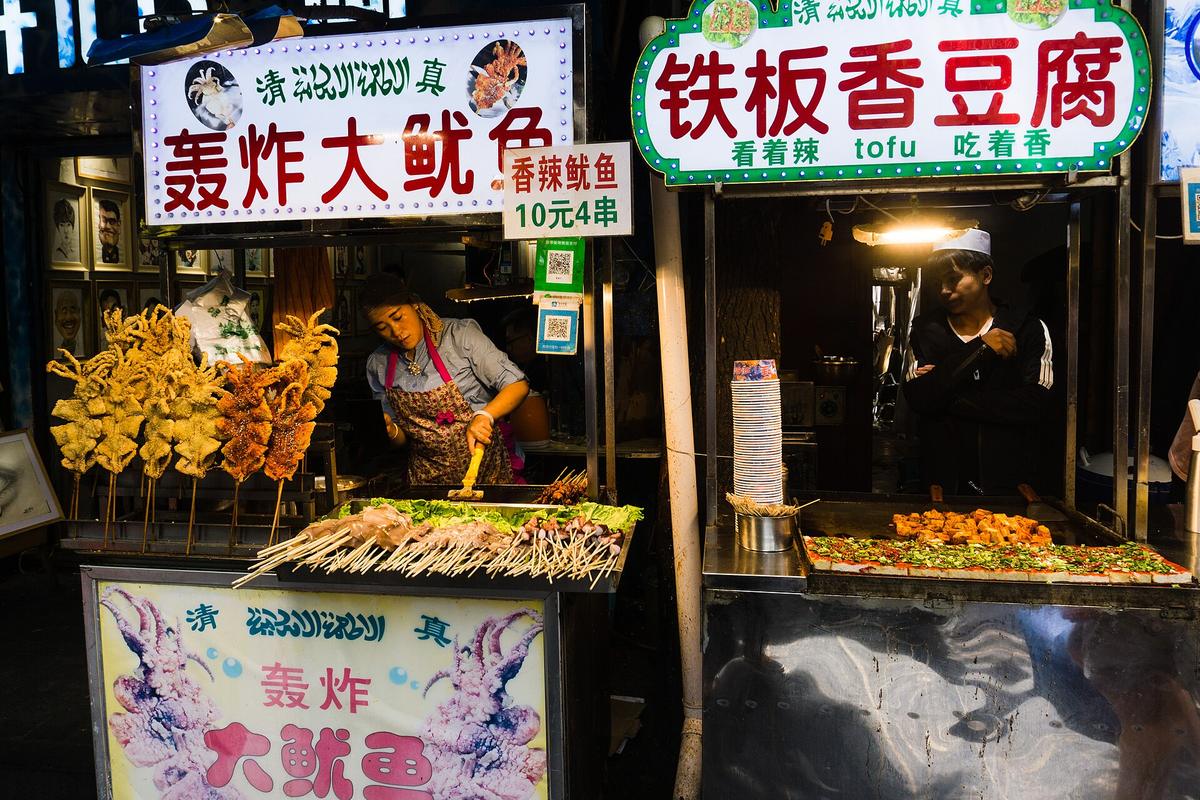
Food is where you control spending. Three street-food meals cost ¥50-80 total. A Xinjiang lamb skewer costs ¥5-8. A bowl of Lanzhou hand-pulled noodles costs ¥15-20. A Chongqing hot-pot meal for two in a mid-range restaurant costs ¥120-200. The surprise: a cappuccino in a Western-style cafe costs ¥35-45. An imported beer costs ¥30-50.
Attraction Entry Fees
Major UNESCO sites charge significant entry. The Terracotta Army costs ¥120. Zhangjiajie National Forest Park charges a multi-day pass plus separate fees for the Bailong Elevator and glass bridge. Mogao Caves require a timed reservation at a price tier based on how many caves you visit. Public museums are free with a passport reservation. Some sites charge a higher entry for foreign passport holders than for citizens, so check the official site before booking.
.jpg)
China Trip Cost-Saving Tips That Actually Work
Book high-speed rail in second class, not first or business. Second-class seats are already comfortable, and the price gap is large: the capital to Xi'an second class is ¥515, first class is ¥872. Eat where locals eat. University canteens and street stalls serve meals for ¥10-20. Avoid tourist-strip restaurants near the Badaling Great Wall or the Forbidden City. Skip the internal flight between the capital and Shanghai. The G train takes 4.5 hours and costs ¥662 second class. The flight takes 2.5 hours but requires an hour at each airport, plus the train to the city from PEK, making total door-to-door time nearly five hours anyway. Use a stored-value metro card to avoid buying single tickets. Travel in shoulder season (April, May or September) instead of peak season (May and September, October) to avoid surging hotel prices.
The biggest saving tip: skip Golden Week entirely. Hotels double or triple their rates, and tickets to the Forbidden City sell out days ahead. Instead, visit in late November through early March, excluding Chinese New Year. Accommodation discounts are widespread in low season. Air pollution in northern cities can exceed hazardous levels from November to March, which may shut down outdoor sightseeing.
The One Thing That Most Often Goes Wrong
The single biggest failure in a China trip is underestimating the country's scale and trying to visit the capital, Shanghai, Xi'an, and Guilin in a single week. You spend half the trip in transit and security lines instead of experiencing any place. The minimum is 10 days. Stick to two regions. For a first trip, pair the capital and Xi'an (five days each), or Shanghai and Guilin (four and six days). That gives you time for the G train, the Great Wall, the Terracotta Army, and a Li River bamboo raft without the burn of a fourth destination. Try a seven-day loop of the capital, Shanghai, and Xi'an, and your last two days will be in a train station or airport security line. You will leave knowing train platforms better than temples.
Common Questions
Do I need a visa for China and how much does it cost?
A visa is required for most nationalities. The standard single-entry tourist visa costs about USD 140 for US passport holders and GBP 85 for UK passport holders, payable to a Chinese Visa Application Service Centre. The fee varies by nationality, number of entries, and service speed. A visa agency adds a service fee. Some nationalities have 15-30 day visa-free access, and a 144-hour transit without visa is available at select ports for eligible nationalities. Check the most recent visa policy from the Chinese embassy in your home country before booking.
Is cash still usable in China or do I need apps?
Cash is nearly extinct in daily use. Mobile payment via Alipay or WeChat Pay is dominant. Foreign cards often fail to link to these apps. If you cannot set up Alipay before departure, buy a SIM card at the airport from Nihao Mobile or China Unicom, then try linking a foreign card inside the app. Some travellers succeed, some do not. Bring a backup Visa or Mastercard that works at ATMs of major banks, and carry about ¥500 cash for emergencies.
How much should I budget for a 10-day China trip including flights?
The hard cost floor per person for a 10-day trip covering two regions is roughly ¥15,000 (USD 2,070) for mid-range spending, excluding international flights. This includes two G train tickets totalling ¥800, four nights in a mid-range chain hotel at ¥350 per night, food at ¥150 per day, attraction entry fees totalling ¥500, and ¥1,000 for local transport and incidentals. A strict budget halves the accommodation and food cost and drops the total to about ¥7,000 (USD 970).
What is the best way to get between Beijing and Shanghai?
The high-speed G train is better than flying. It costs ¥662 second class and takes 4.5 hours from Beijing South to Shanghai Hongqiao. Flying from PEK to PVG costs ¥500-1,200 depending on how far ahead you book, but total door-to-door time is 4.5 to 5.5 hours including airport transfer and security. The train arrives at Hongqiao, which is on metro Line 2 into central Shanghai. Book the train exactly 15 days ahead on a local platform. Add 30 minutes for station security and you will arrive at each gate.
Is it worth visiting China during Golden Week?
No. Golden Week (October 1-7) sees the entire country travel. High-speed rail tickets sell out instantly. Attractions are dangerously crowded. Hotels double or triple their rates. If you must travel during that period, pre-book everything three months ahead, expect two-hour queues at the Great Wall, and budget twice your normal daily cost. The 2025 dates fall on October 1-7. The Labour Day holiday (May 1-5) is less intense but still surges.
Read next
-
 Staying Connected in China Without Losing Access to Everything
The central tradeoff is this: a local physical SIM gives you the Chinese phone number you need for WeChat Pay, bike sharing, and public Wi-Fi login.
Staying Connected in China Without Losing Access to Everything
The central tradeoff is this: a local physical SIM gives you the Chinese phone number you need for WeChat Pay, bike sharing, and public Wi-Fi login.
-
 Best Time to Visit China by Region and Season
China's climate spans subtropical to subarctic. Here is what each season means region by region, from October's clear Beijing skies to August's Guangdong humidity.
Best Time to Visit China by Region and Season
China's climate spans subtropical to subarctic. Here is what each season means region by region, from October's clear Beijing skies to August's Guangdong humidity.
-
 China High-Speed Trains and Getting Around Without a Chinese App
China's high-speed rail is fast and efficient, but booking as a foreigner is a puzzle.
China High-Speed Trains and Getting Around Without a Chinese App
China's high-speed rail is fast and efficient, but booking as a foreigner is a puzzle.
-
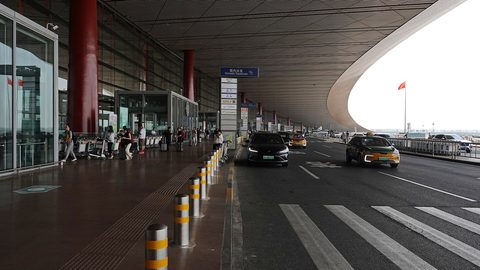 China Visa Requirements and the Application Process Step by Step
Most visitors need a Chinese tourist visa before departure. Here is who qualifies for visa-free entry, who does not, and exactly how the L-visa application works.
China Visa Requirements and the Application Process Step by Step
Most visitors need a Chinese tourist visa before departure. Here is who qualifies for visa-free entry, who does not, and exactly how the L-visa application works.
-
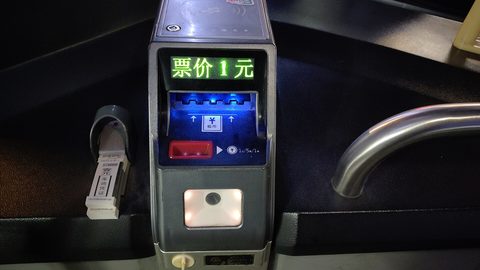 How to Pay for Things in China Without Getting Stranded
China runs on WeChat Pay and Alipay, and cash is often refused. Here is how to link a foreign card, what to do when it fails, and where renminbi notes still work.
How to Pay for Things in China Without Getting Stranded
China runs on WeChat Pay and Alipay, and cash is often refused. Here is how to link a foreign card, what to do when it fails, and where renminbi notes still work.
-
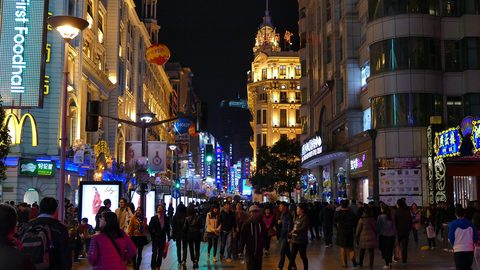 Is China Safe for Travel and What Safety Advice Actually Applies
China is statistically safe from violent crime, but scams, air pollution, and digital surveillance are real concerns. Here is what to actually watch for.
Is China Safe for Travel and What Safety Advice Actually Applies
China is statistically safe from violent crime, but scams, air pollution, and digital surveillance are real concerns. Here is what to actually watch for.
-
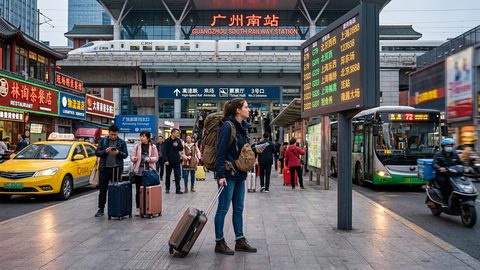 A Ground-Level Logistics Guide to Independent Travel in China
First-time independent travel in China: what you need to know about visas, rail booking, eSIMs, mobile payments, and power adapters.
A Ground-Level Logistics Guide to Independent Travel in China
First-time independent travel in China: what you need to know about visas, rail booking, eSIMs, mobile payments, and power adapters.
-
 How Solo Travelers Stay Ahead of Flight Delays and Cancellations
How solo travelers can track inbound aircraft, claim rebooking rights, and adjust ground transport when flights go wrong — step by step.
How Solo Travelers Stay Ahead of Flight Delays and Cancellations
How solo travelers can track inbound aircraft, claim rebooking rights, and adjust ground transport when flights go wrong — step by step.
-
 Why Your eSIM Might Not Work Abroad and How to Check Before You Go
Buying an eSIM doesn't guarantee signal abroad. Learn why coverage fails by location and how to verify reach before you commit to a plan.
Why Your eSIM Might Not Work Abroad and How to Check Before You Go
Buying an eSIM doesn't guarantee signal abroad. Learn why coverage fails by location and how to verify reach before you commit to a plan.