The Real Picture of China Travel Safety for Tourists Today
China is statistically safe from violent crime, but scams, air pollution, and digital surveillance are real concerns. Here is what to actually watch for.
Safety in China for Travellers
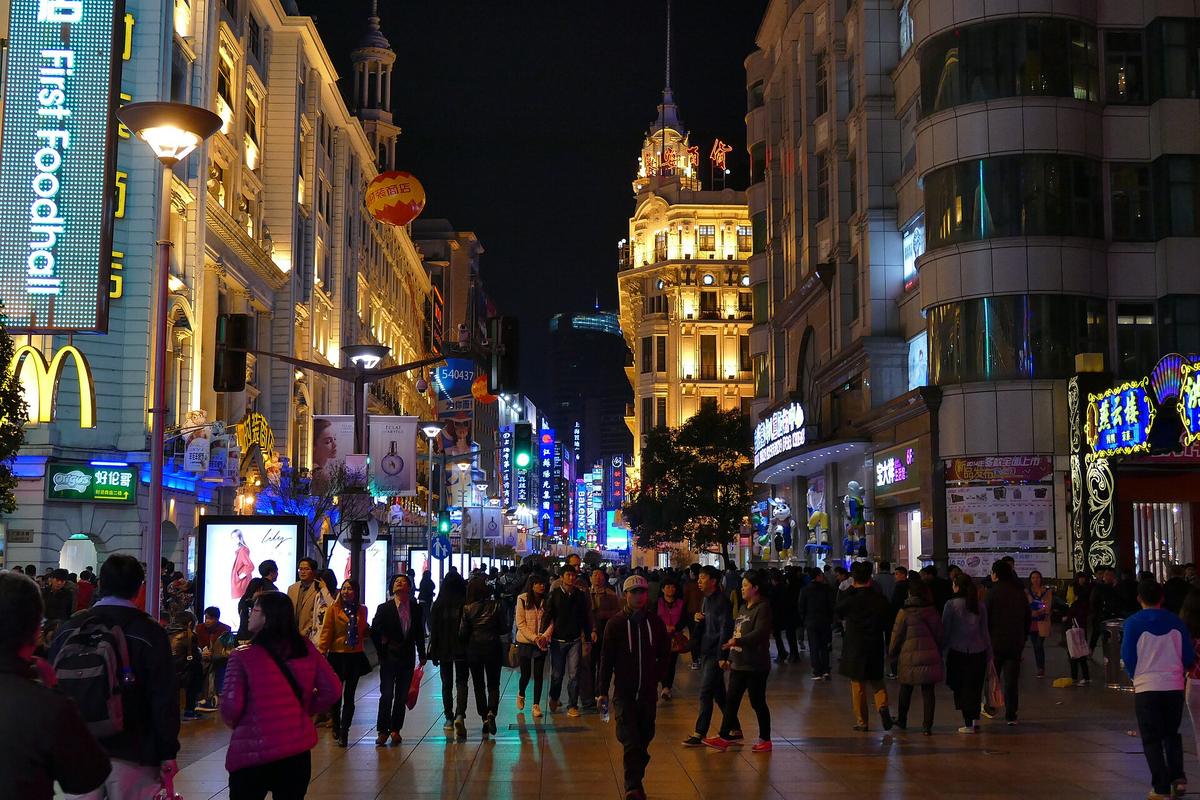
At 11pm on a Tuesday in Chengdu, women walk alone down backstreets near the Jinli market without a second glance. Street food vendors still grill lamb skewers. The only raised voices come from a group playing cards under a fluorescent light. That scene holds across most of urban China, and it is the single most important fact for anyone researching safety as a tourist.
Violent street crime against foreigners is rare. Walking alone at night in Shanghai, Guangzhou, or Xi'an feels safer than in most Western cities of comparable size. The real safety concerns are not mugging or assault. They are a set of friction points: scams aimed at tourists in specific zones, the health impact of air pollution in northern cities from November to March, the logistics of a cashless society that does not accept your bank card, and a digital environment that blocks your phone unless you prepared in advance. Here is what the numbers actually say, and exactly what to do about each risk.

The Scams That Actually Target Tourists in China
The most common crime you will encounter is a financial scam dressed as a cultural invitation. These concentrate in the tourist zones of the capital and the east coast financial hub, and they follow predictable scripts. Knowing them is the only defence you need.
Tea Ceremony Scams
In areas around Tiananmen Square, the Forbidden City, and the Bund, a friendly local approaches you, often a student or a young couple. They claim to be practising English and ask to walk with you. After several blocks they suggest a traditional tea ceremony at a nearby establishment. You go inside, drink two cups, and receive a bill for 500 to 2000 RMB for leaves that cost 20 RMB. The venue is not a tea house. It is a room rented for this purpose. Walk away from any unsolicited invitation to drink tea. Say no clearly and continue walking.
Art Student Gallery Lures
Another version targets visitors near major landmarks in Xi'an and the capital. A person who appears to be an art student asks for your opinion on their portfolio, then leads you to a gallery or studio. Inside, you are pressured to buy cheap ink paintings at inflated prices. The same rule applies: do not follow a stranger to a secondary location.
Taxi Overcharging at Airports
From the main airport serving the capital to central Dongzhimen, the Airport Express train costs 25 RMB and takes 25 minutes. From the east coast hub's Pudong airport, the Maglev and Metro Line 2 reach the centre for 50 to 70 RMB in 45 to 60 minutes. From Guangzhou Baiyun, Metro Line 3 reaches the city centre in 40 minutes for 8 RMB. Taxis at all three airports will charge several times these amounts, particularly if you do not have a Chinese-language address ready. Use the train or a ride-hailing app like Didi Chuxing, which displays the fare before you confirm the trip. If you must take a taxi, have the driver use the meter. If they refuse, get out.
Where Pickpocketing Happens
Pickpocketing risk is higher in crowded transport hubs, markets, and tourist sites, exactly as it is in every major city globally. Keep your phone in a front pocket or a zipped bag, especially on the subway in the capital, in the Muslim Quarter in Xi'an, and on the Bund. This is opportunism, not organised targeting of foreigners. Normal urban precautions handle it.
Solo Female Travel Safety in China: What the Data Shows
China is one of the safest large countries in the world for solo female travellers. Street harassment is notably absent in major cities. Women walk alone at night, eat alone in restaurants, and use public transport late without being followed or catcalled at the rate common in Europe or North America. The statistical reality supports this: violent crime against foreigners is rare.
What Actually Matters: Logistics, Not Danger
What a solo female traveller should prepare for is friction, not danger. The lack of squat toilets with paper or soap matters more than any security concern. The fact that you cannot hail a taxi without a Chinese address written out is a practical problem, not a safety one. The requirement to carry your passport at all times is legal, not protective.
The failure case for a solo woman is being cashless in a retail system that runs on WeChat Pay and Alipay, not being unsafe. Install both apps before you arrive. Link an international credit card. Bring a backup Visa or Mastercard that works at ATMs in major cities. Carry 500 RMB in small bills for taxis and rural markets. That stack of notes will solve more problems than any safety gadget.
| Contact Type | Number |
|---|---|
| Police emergency | 110 |
| Medical ambulance | 120 |
| Fire | 119 |
| Traffic accident | 122 |
| Foreigner police assistance hotline | 12367 |
| Consumer complaint hotline | 12315 |
| Tourist complaint hotline | 12301 |
The Health Risks That Actually Affect Travellers
Most health advice about China focuses on food, but the two risks that disrupt trips with the highest frequency are altitude sickness and air pollution.
Air Pollution: When To Avoid Northern Cities
From November to March, air pollution in the capital, Xi'an, and other northern industrial cities can exceed hazardous levels. The China National Environmental Monitoring Centre publishes an Air Quality Index on a 0 to 500 scale. Values above 200 are heavy pollution, and outdoor activity is not recommended. During winter heating season, which runs from mid November to mid March, northern cities rely on centralised coal and gas heating that produces the worst haze of the year. Haze peaks from November to February.
If you travel to the northern capital between November and March, check the AQI each morning. If it is above 200, switch indoor sightseeing to a day at the National Museum or the Summer Palace covered corridors. Wear an N95 mask when outside. Book a hotel room with an air purifier; these are common in higher end hotels in polluted cities. Skip outdoor running entirely.
The best weather window for northern China is September to October, when clear skies and moderate temperatures make the Great Wall at Mutianyu and the Forbidden City genuinely pleasant. If your itinerary is flexible, plan northern cities in autumn.
Altitude Sickness in Tibet and Western China
Altitude sickness onset is possible within hours of arrival above 2500 metres. That includes Lhasa, the Qinghai Tibet Railway route that reaches 5072 metres at Tanggula Pass, and trekking areas in western Sichuan and northwestern Yunnan. The risk zone covers Tibet, Qinghai, western Sichuan, and northwestern Yunnan. Acetazolamide is available in some Chinese pharmacies but availability is inconsistent; bring it from home if you plan to go above 3500 metres. On the Qinghai Tibet Railway, onboard oxygen supply systems are fitted to all trains.
The most reliable road access for the Tibetan Plateau runs from May to October. Winter closures on high passes are standard. You do not need to worry about malaria in most of the country; historical risk is limited to border areas of Yunnan and Hainan. You do need a repellent for dengue mosquitoes in southern coastal provinces from summer to autumn.
Food Hygiene and Water Safety
Tap water is not safe to drink untreated anywhere in China. Bottled water is widely available. In hotels, the electric kettle in your room is standard for boiling water. Ice in drinks is made from purified or boiled water in established venues, but the risk of travellers diarrhoea is higher in street food and small rural eateries than in established urban restaurants and hotel dining. Avoid peeled fruit and raw vegetables from street stalls. Gluten free dining infrastructure is limited outside major international cities, and food allergy awareness is low outside high end urban restaurants and international hotels in the capital, the east coast hub, Guangzhou, and Shenzhen.
.jpg)
Is it Safe to Walk Around Chinese Cities at Night
Yes. The question reveals a Western anxiety that does not translate to Chinese urban reality. Chinese cities have dense street level activity late into the night. Restaurants serve dinner past 10pm. Parks are lit. Pedestrian streets in central districts are crowded until midnight. The risk of being robbed or assaulted on a main street in the capital, the east coast financial centre, Chengdu, or Guangzhou is lower than in London, New York, or Paris.
The Real Nighttime Hazards
The two things that genuinely endanger you at night are traffic and poor lighting in backstreets. Pedestrian right of way is not reliably observed; vehicles proceed through crosswalks. E scooters and e bikes are silent and ubiquitous on shared paths, and they do not slow down for pedestrians. In rural areas and smaller towns, street lighting is inconsistent. Stay on main roads, do not assume a driver will stop, and step out of a bike lane when you hear nothing approaching.
The Political Dimension: What Not to Photograph, What Not to Say
China monitors online activity. Without a VPN installed before you arrive, Google, Instagram, WhatsApp, and Gmail are blocked. Hotel Wi Fi requires a local phone number for verification codes, which means you need a SIM card or eSIM from Nihao Mobile or China Unicom purchased at the airport. A VPN that fails mid trip is common; have a backup method for accessing your email and maps.
What Not to Photograph
Military installations, government buildings with guards posted, border checkpoints, and anything inside a restricted area like Tibet or parts of Xinjiang, which require permits for foreign visitors. In Xinjiang, security checkpoints are frequent on roads, at transport hubs, and at public building entrances. Police checks of foreigner documents are more frequent in Xinjiang and Tibet than elsewhere.
What Not to Say
Avoid commentary on topics that are politically sensitive, including the status of Tibet, treatment of Uyghurs in Xinjiang, the Tiananmen Square incident, and criticism of the Communist Party. Conversations about these topics in cafes or on WeChat are not private. The police assistance hotline is 12367 if you are detained.
Foreigners staying in private homes must register with local police within 24 hours. Hotels register guests automatically, which is one reason to use hotels in smaller towns. If you stay with a friend in a Chinese apartment, go to the local police station with your host and your passport to register.
Common Questions
Do I need a visa to travel to China?
Yes, for most nationalities. Visas are obtained before travel unless you are eligible for the visa free transit policy, which offers 24 hour, 72 hour, or 144 hour transit without a visa at designated ports for certain nationalities. The policy changes annually. Check with the National Immigration Administration of China before you book.
Is tap water safe to drink in China?
No. Tap water is not safe to drink untreated anywhere in China. Bottled water is widely available. In hotel rooms, electric kettles are standard for boiling water. Brush your teeth with bottled or boiled water.
What is the most common scam in China?
The tea ceremony scam in tourist zones of the capital and the east coast financial hub. A friendly person invites you for tea, then presents a bill of 500 to 2000 RMB. Do not accept unsolicited invitations to tea or galleries.
Can I use my credit card in China?
Not reliably. Mobile payment via WeChat Pay and Alipay is dominant in cities. Foreign card support on both apps is increasing but not universal. Carry 500 RMB in cash for taxis, small vendors, and rural areas. ATMs in major cities accept foreign cards; rural ATMs may not.
Do I need a VPN to use the internet in China?
Yes. Google, Instagram, WhatsApp, Gmail, and many other international sites and apps are blocked. Install a VPN before you arrive. VPNs fail unpredictably, so have a backup plan.
Is it safe to eat street food in China?
The risk of travellers diarrhoea is higher in street food and small rural eateries than in established urban restaurants and hotel dining. Avoid peeled fruit and raw vegetables from street stalls. Ice in drinks is safe in established venues.
What emergency number should I call in China?
Police: 110. Medical ambulance: 120. Fire: 119. Traffic accident: 122. The foreigner facing police assistance hotline is 12367.
Read next
-

 Staying Connected in China Without Losing Access to Everything
The central tradeoff is this: a local physical SIM gives you the Chinese phone number you need for WeChat Pay, bike sharing, and public Wi-Fi login.
Staying Connected in China Without Losing Access to Everything
The central tradeoff is this: a local physical SIM gives you the Chinese phone number you need for WeChat Pay, bike sharing, and public Wi-Fi login.
-
 Best Time to Visit China by Region and Season
China's climate spans subtropical to subarctic. Here is what each season means region by region, from October's clear Beijing skies to August's Guangdong humidity.
Best Time to Visit China by Region and Season
China's climate spans subtropical to subarctic. Here is what each season means region by region, from October's clear Beijing skies to August's Guangdong humidity.
-
 China High-Speed Trains and Getting Around Without a Chinese App
China's high-speed rail is fast and efficient, but booking as a foreigner is a puzzle.
China High-Speed Trains and Getting Around Without a Chinese App
China's high-speed rail is fast and efficient, but booking as a foreigner is a puzzle.
-
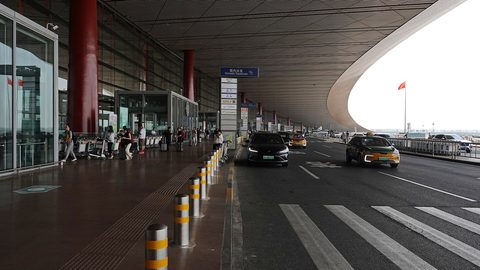 China Visa Requirements and the Application Process Step by Step
Most visitors need a Chinese tourist visa before departure. Here is who qualifies for visa-free entry, who does not, and exactly how the L-visa application works.
China Visa Requirements and the Application Process Step by Step
Most visitors need a Chinese tourist visa before departure. Here is who qualifies for visa-free entry, who does not, and exactly how the L-visa application works.
-
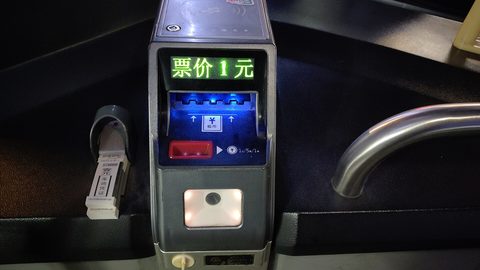 How to Pay for Things in China Without Getting Stranded
China runs on WeChat Pay and Alipay, and cash is often refused. Here is how to link a foreign card, what to do when it fails, and where renminbi notes still work.
How to Pay for Things in China Without Getting Stranded
China runs on WeChat Pay and Alipay, and cash is often refused. Here is how to link a foreign card, what to do when it fails, and where renminbi notes still work.
-
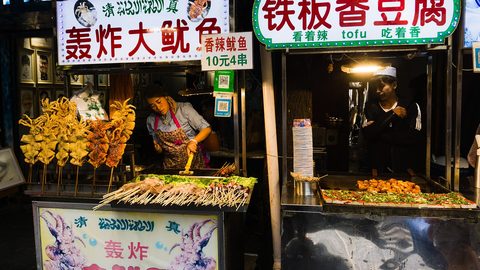 What a Trip to China Actually Costs and Where the Money Goes
A realistic breakdown of China travel costs, from G-train tickets and attraction entry fees to the hidden expenses of a cashless society.
What a Trip to China Actually Costs and Where the Money Goes
A realistic breakdown of China travel costs, from G-train tickets and attraction entry fees to the hidden expenses of a cashless society.
-
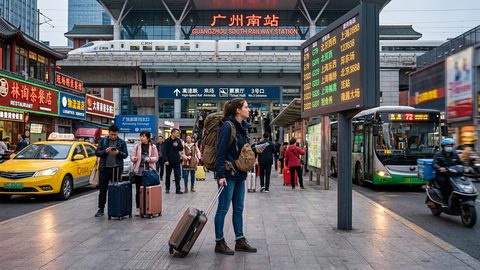 A Ground-Level Logistics Guide to Independent Travel in China
First-time independent travel in China: what you need to know about visas, rail booking, eSIMs, mobile payments, and power adapters.
A Ground-Level Logistics Guide to Independent Travel in China
First-time independent travel in China: what you need to know about visas, rail booking, eSIMs, mobile payments, and power adapters.
-
 How Solo Travelers Stay Ahead of Flight Delays and Cancellations
How solo travelers can track inbound aircraft, claim rebooking rights, and adjust ground transport when flights go wrong — step by step.
How Solo Travelers Stay Ahead of Flight Delays and Cancellations
How solo travelers can track inbound aircraft, claim rebooking rights, and adjust ground transport when flights go wrong — step by step.
-
 Why Your eSIM Might Not Work Abroad and How to Check Before You Go
Buying an eSIM doesn't guarantee signal abroad. Learn why coverage fails by location and how to verify reach before you commit to a plan.
Why Your eSIM Might Not Work Abroad and How to Check Before You Go
Buying an eSIM doesn't guarantee signal abroad. Learn why coverage fails by location and how to verify reach before you commit to a plan.