When to Go to Morocco and What Each Season Actually Delivers
March to May and September to November deliver Morocco's best conditions. July and August bring 45°C interior heat, and Ramadan's final days shut services down.
The call to prayer from the Koutoubia Mosque fades at dusk and the heat does not. That is the moment you know whether you chose the right month. Morocco delivers its best from March to May and from September into November, when the weather works with you rather than against you. Understanding the best time to visit Morocco by season is the single decision that turns a trip from a survival exercise into something worth the jetlag.
Peak Season Windows: March to May and September to November
Why These Four Months Work
These two windows exist for the same reasons: manageable heat, clear mountain skies, and conditions that make both trekking and desert camping work. In March, the High Atlas still carries snow above 2500 metres, but valley temperatures sit at 20 to 28°C. Wildflowers cover the Middle Atlas and the Rif. The desert reads 18 to 22°C, dropping to 0 to 5°C at night. That is cold but manageable with a good sleeping bag and a lined tent. By May, the interior plateaus hit 35 to 40°C, the upper limit of comfortable, but the Atlantic coast stays at 22 to 26°C and sea breezes keep the north coast between 28 and 32°C.
September mirrors March. The interior heat retreats. The sea on both the Atlantic and Mediterranean coasts stays warm from the summer, and the date harvest begins in the desert oases in October. The Sahara is empty of the July and August crowds. Walk the dunes at Erg Chebbi at sunrise and you will not see another footprint. High Atlas afternoons bring occasional thunderstorms on the southern slopes, but those clear the dust and sharpen the light for photography.
High Atlas Trekking Windows
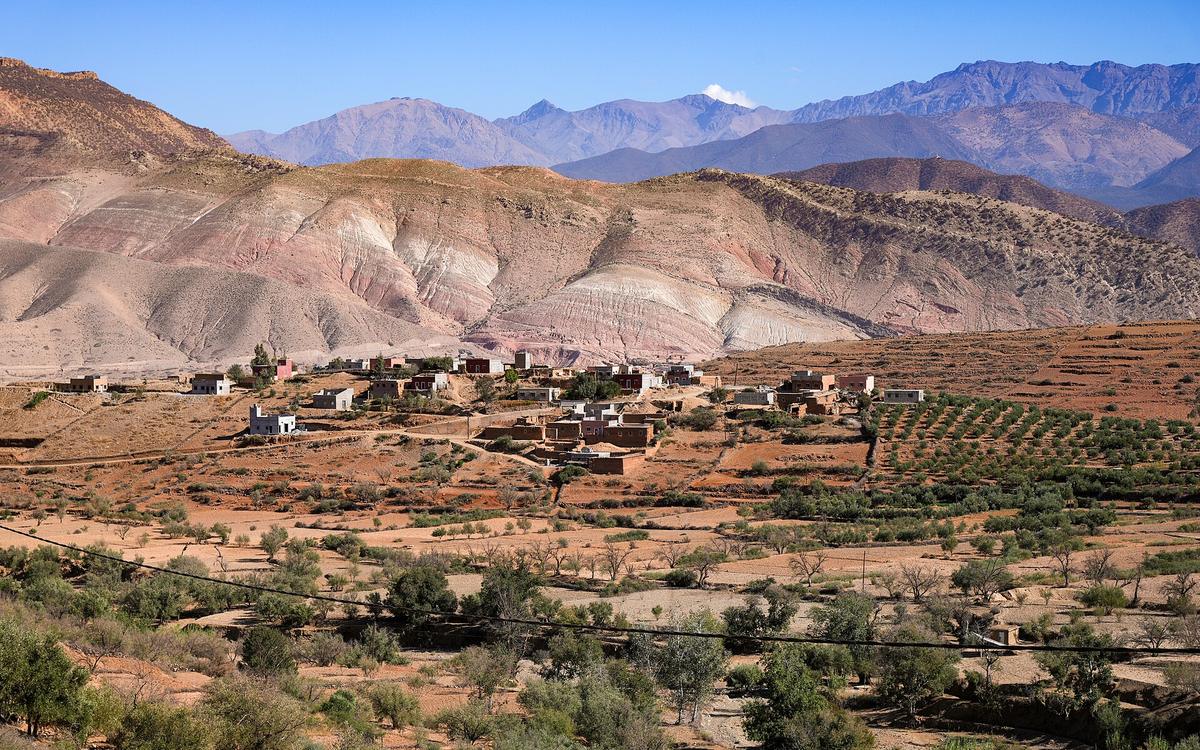
For hikers, the High Atlas trekking season peaks in these four months. Snow persists on the highest passes into June some years, but the trails above 1500 metres are open from late March through November. Below 1500 metres, the valleys are accessible year round. Summer heat above 2000 metres is safer after September.

When to Absolutely Not Go: July, August, and the Last 10 Days of Ramadan
July and August: The Interior Becomes Dangerous
July and August in the interior is not uncomfortable. It is dangerous. Daytime highs in Marrakech, Fes, and the desert sit at 40 to 48°C. The Jemaa el-Fna food stalls stay open, but walking through the medina at midday is a health risk. Hotels in Marrakech and Fes operate at lower occupancy because experienced travellers avoid these months. The heat does not care about hotel ratings. The Atlantic coast is cooler at 22 to 26°C, but Agadir and Essaouira fill with Moroccan holidaymakers. Coastal accommodation prices rise and beaches crowd.
The Last 10 Days of Ramadan
The last 10 days of Ramadan create a different problem. Services slow to a crawl. Many cafes shut entirely during daylight. Restaurant service outside tourist hotels is reduced or absent. Alcohol sales are restricted. The evenings are festive after iftar, but if you need to buy a bus ticket, find an ATM that has cash, or get a petit taxi to accept the meter, the last 10 days are frustrating. Ramadan shifts earlier by roughly 10 to 11 days each Gregorian year. Check the lunar calendar for the exact dates in your travel year.
Eid al-Adha is a two day public holiday that brings livestock movement and slaughter into public spaces. Intercity transport is packed with people travelling to family. Some shops and services close entirely. If you are in a major tourist hotel, you will barely notice it. In a riad in Fes el Bali or a desert camp, the disruption is significant. The date shifts annually per the lunar calendar.
Seasonal Conditions Across Morocco’s Climate Zones
Coasts and Plateaus
Morocco has five distinct climate zones that affect where and when you can travel comfortably. The Mediterranean north coast, including Tangier and Tetouan, is hot and dry in summer with average highs of 28 to 32°C, moderated by sea breezes. Winter is the wettest season. Most rain falls from November to March and average highs sit at 15 to 18°C. The Atlantic coastal zone from Casablanca to Essaouira runs cooler than the interior year round, with summer averages of 22 to 26°C and persistent morning fog in June and July. Winter brings mild temperatures of 16 to 19°C. The surf swell is large and consistent from November to March.
The interior plateaus around Fes and Meknes hit 35 to 40°C in summer but cool significantly at night due to altitudes of 400 to 600 metres. Winter nights drop to 2 to 5°C. Frost is possible in the Middle Atlas.
Desert and High Atlas
The desert zone runs from the pre Saharan regions down into the Sahara proper. Summer daytime highs reach 40 to 48°C with large diurnal swings, meaning nights fall to 20 to 25°C. Sandstorms can occur. Winter is mild by day at 18 to 22°C but cold at night, dropping to 0 to 5°C. The High Atlas creates its own weather, dividing the cooler wetter north from the hotter drier south. Above 2500 metres, snow persists from November to April. Summer days run 20 to 28°C with cool nights of 8 to 14°C and afternoon thunderstorms possible on the southern slopes. Winter daytime highs are 5 to 12°C. Nights fall below freezing, and mountain passes can close temporarily after heavy snowfall.
| Region | Summer High (°C) | Summer Night (°C) | Winter High (°C) | Winter Night (°C) |
|---|---|---|---|---|
| Mediterranean North Coast | 28–32 | 20–24 | 15–18 | 8–12 |
| Atlantic Coast | 22–26 | 16–20 | 16–19 | 8–12 |
| Interior Plateaus (Fes, Meknes) | 35–40 | 18–24 | 14–18 | 2–5 |
| Desert (Merzouga, Zagora) | 40–48 | 20–25 | 18–22 | 0–5 |
| High Atlas (Toubkal area) | 20–28 | 8–14 | 5–12 | below 0 |
Morocco Peak Season Months and What They Mean for You
The peak season runs from mid October through April, driven by European winter escape travellers. Desert and mountain tourism infrastructure runs at maximum capacity. Desert camps book out weeks ahead in December and January. High Atlas trekking routes are busiest from October to November and again from March to May. Coastal resorts like Agadir and Essaouira are quieter during this period except for surf destinations, which peak from September to April with the most consistent swell from November to March.
Low season for the interior and desert is June through early September. That is exactly when the heat makes those regions difficult. The coastal destinations flip the pattern: July and August are peak for Moroccan holidaymakers, so Agadir fills with domestic tourism and prices rise. If you want the Sahara cheap and empty, July and August deliver that. You must be prepared for 45°C daytime heat and a schedule that starts before dawn and stops by 11am.
Morocco Summer Heat July August: What it Actually Feels Like
July and August in Marrakech, Fes, and the desert produce daytime highs of 40 to 48°C. That is not an exaggeration. The Jemaa el Fna square at midnight still radiates heat from the stone. Walking from the Bahia Palace to the Ben Youssef Madrasa, a 15 minute walk, requires 1.5 litres of water and a hat. The Koutoubia Mosque minaret shimmers in the haze. Air conditioning in riads is often limited to bedrooms, not common areas. The courtyards that look beautiful in photos are unusable from 10am to 6pm.
If you do travel in July or August, stay on the Atlantic coast. Casablanca, Essaouira, and Agadir run 22 to 26°C. The Hassan II Mosque in Casablanca is tourable. Book ahead because it sells out. The Hercules Caves in Tangier are cool inside and the sea breeze keeps the city at 28 to 32°C rather than 45°C. The ferry from Tangier Med to Algeciras is a viable escape if the heat becomes too much.

Ramadan Travel in Morocco: What Changes and What Stays Open
Daytime food service is reduced outside tourist hotels. Many cafes shut entirely during daylight hours. Alcohol sales are restricted, and even licensed liquor stores may close. Business hours shift. Shops open later in the morning and stay open later into the night after iftar, the evening meal that breaks the fast. The evenings become festive, with streets crowded until late. If you are in a major tourist hotel, the restaurant will still serve lunch. In a riad in Fes el Bali or a small guesthouse in Chefchaouen, you will need to eat at your accommodation or buy food the night before.
The last 10 days of Ramadan are the hardest for travel. ATMs in small towns like Merzouga or Todra may run out of cash. CTM buses on key routes sell out days ahead. Grands taxis still run but depart when full, which takes longer because fewer people are travelling during daylight. The iftar cannon that signals the end of the fast is a cultural experience worth watching. Plan nothing between 4pm and 7pm that involves a driver, a guide, or a reservation.
Morocco Trekking Season High Atlas: When the Trails Work
Season Windows and Snow
The High Atlas trekking season runs from March to November, with the sweet spot from April to June and September to October. Snow persists above 2500 metres from November to April. The passes above 2500 metres may remain closed until June in heavy snow years. Oukaimeden, the primary ski resort, operates from late December to March. Conditions are snow dependent.
Day Hikes and Multi Day Treks
For day hikes in the Ourika Valley, one hour by grand taxi from Marrakech, the season is year round. Summer afternoons bring the risk of thunderstorms on the southern slopes and the heat at the valley floor can hit 35°C. For multi day treks to Mount Toubkal, the highest peak in North Africa, the best window for summit attempts is May to September. The shoulder months of April and October give better valley temperatures at the cost of colder nights at altitude. The Todra Gorge and Dades Gorge are accessible all year. The road from Marrakech to the gorges goes through Ouarzazate and Aït Benhaddou, and those plateau sections hit 40°C in July and August.
Festival Dates Worth Building a Trip Around
The Fes Festival of World Sacred Music takes place in June. It is a week long event that brings musicians from across the Islamic world and beyond to venues across Fes el Bali. Tickets sell out weeks ahead. Accommodation in Fes doubles in price during the festival. Book a riad in the medina six months in advance.
The Essaouira Gnaoua Festival happens in late June or early July, depending on the year. It is a three day celebration of Gnawa music with free concerts on the beach and in the medina. The town fills to capacity. The wind is strong but the temperatures stay at 22 to 26°C. If you cannot find a room in Essaouira, stay in a riad in Marrakech and take the 2.5 to 3 hour Supratours bus each morning.
Who Morocco Works for and Who Should Skip it
Morocco suits culture first travellers who want medina deep dives, photographers chasing light and texture, hikers and mountain trekkers, surfers chasing Atlantic points, and overland adventurers willing to trade comfort for desert and mountain drama. It does not suit travellers seeking a relaxed all inclusive beach resort bubble, anyone who finds persistent street level hustling genuinely distressing, or visitors who want punctual predictable public transport schedules. The fake guides at train stations who claim your riad is closed and redirect you to a cousin's place are not a one off problem. They are the norm. The petit taxi driver at Marrakech airport who refuses the meter and demands 150 MAD for a 40 MAD ride is the rule, not the exception. If that wears you down by day two, Morocco is not for you.
Common Questions
Can I travel to Morocco in July and August?
Yes, but only if you stay on the Atlantic coast or in the High Atlas above 1500 metres. The interior cities and the desert hit 40 to 48°C, which is dangerous for daytime walking. Coastal cities like Essaouira, Casablanca, and Tangier stay at 22 to 32°C. If you do go inland, start your day at 6am and finish by 11am.
What is the cheapest month to visit Morocco?
June and early September in the interior and desert are low season because of heat, so accommodation prices drop 30 to 50 percent. January and February are low season on the coast because of rain and cold. The cheapest overall window is June in Marrakech, but you will pay for it in comfort.
Is Morocco safe to visit during Ramadan?
Yes, but the experience is different. Daytime food service is limited outside tourist hotels. Alcohol is restricted. Business hours shift to evenings. The last 10 days of Ramadan see services slow significantly. If you book a tourist hotel with a restaurant, you will be fine. If you plan to eat in the medina, you will struggle.
When is the best time to visit the Sahara desert?
October to early May is the best window. The summer months of July and August produce 40 to 48°C daytime heat that makes camel trekking dangerous. Winter nights in the desert drop to 0 to 5°C, which is cold but manageable with proper gear. October and November deliver the best balance of warm days and cool nights.
How many days do I need in Morocco?
10 days minimum. Anything less forces a choice between the north and the south, and transit distances plus jetlag eat two days just moving between regions. Attempting Marrakech, Fes, Chefchaouen, the desert, and Essaouira in 7 days creates a trip that is 60 percent transit on winding roads.
Read next
-
 Staying Connected in Morocco With eSIM and Local SIM Cards
A direct comparison of eSIM and local SIM options for Morocco, covering airport purchase, passport rules, and which network actually works in the Atlas and Sahara.
Staying Connected in Morocco With eSIM and Local SIM Cards
A direct comparison of eSIM and local SIM options for Morocco, covering airport purchase, passport rules, and which network actually works in the Atlas and Sahara.
-
 Getting Around Morocco, Trains, Buses, Grands Taxis and What the Map Oversells
Trains link Morocco's northern cities efficiently, but the south and desert rely on buses that sell out and grands taxis that leave only when full.
Getting Around Morocco, Trains, Buses, Grands Taxis and What the Map Oversells
Trains link Morocco's northern cities efficiently, but the south and desert rely on buses that sell out and grands taxis that leave only when full.
-
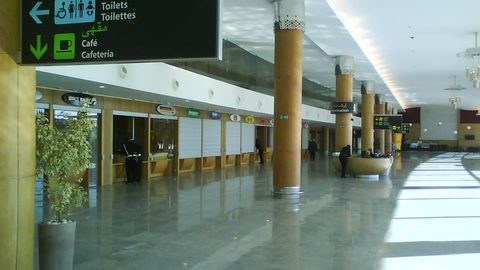 Morocco Visa Requirements and the Application Process Explained
Which nationalities can enter Morocco visa-free, who needs to apply in advance, and how the Moroccan visa application process actually works.
Morocco Visa Requirements and the Application Process Explained
Which nationalities can enter Morocco visa-free, who needs to apply in advance, and how the Moroccan visa application process actually works.
-
Money in Morocco, Dirham, Cards, ATMs and What You Actually Need Cash For
The Moroccan dirham is a closed currency you cannot buy abroad. Cash dominates medinas and small towns, and ATMs in desert regions run dry on weekends.
-
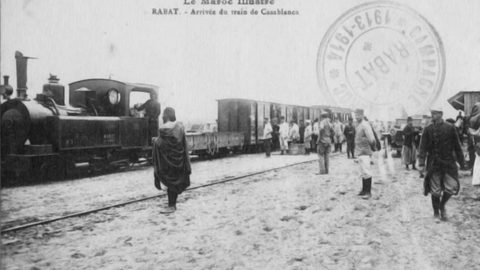 Is Morocco Safe, Reading Travel Advice Without Being Misled by It
Violent crime against tourists in Morocco is low, but persistent hustling, taxi scams and medina touts are the daily reality travellers need to manage.
Is Morocco Safe, Reading Travel Advice Without Being Misled by It
Violent crime against tourists in Morocco is low, but persistent hustling, taxi scams and medina touts are the daily reality travellers need to manage.
-
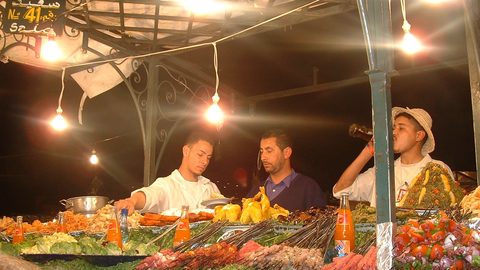 What a Trip to Morocco Actually Costs in Real Terms
A practical breakdown of how money flows on a Morocco trip, from pre-booked riads and desert camps to the daily medina cash burn that depends on your haggling
What a Trip to Morocco Actually Costs in Real Terms
A practical breakdown of how money flows on a Morocco trip, from pre-booked riads and desert camps to the daily medina cash burn that depends on your haggling
-
 How to Budget a Trip Based on Purchasing Power, Not Just Exchange Rates
Exchange rates tell only half the story. See how purchasing power shapes your real travel budget across Southeast Asia, Eastern Europe, and Latin America.
How to Budget a Trip Based on Purchasing Power, Not Just Exchange Rates
Exchange rates tell only half the story. See how purchasing power shapes your real travel budget across Southeast Asia, Eastern Europe, and Latin America.
-
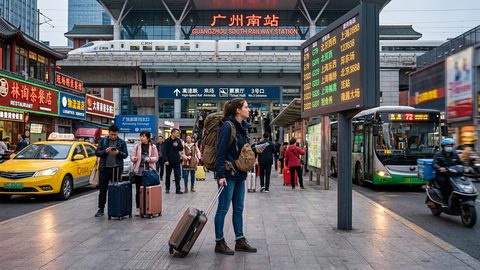 A Ground-Level Logistics Guide to Independent Travel in China
First-time independent travel in China: what you need to know about visas, rail booking, eSIMs, mobile payments, and power adapters.
A Ground-Level Logistics Guide to Independent Travel in China
First-time independent travel in China: what you need to know about visas, rail booking, eSIMs, mobile payments, and power adapters.
-
 How Solo Travelers Stay Ahead of Flight Delays and Cancellations
How solo travelers can track inbound aircraft, claim rebooking rights, and adjust ground transport when flights go wrong — step by step.
How Solo Travelers Stay Ahead of Flight Delays and Cancellations
How solo travelers can track inbound aircraft, claim rebooking rights, and adjust ground transport when flights go wrong — step by step.