Practical Zambia Safety Advice for Travellers on the Ground
Zambia's real safety risks are self-drive breakdown isolation, opportunistic theft in Lusaka, and tsetse flies—not the violent crime some advisories imply.
Zambia Safety Advice for Travellers, Reading the Warnings Without Being Misled by Them
You are two hours south of Lusaka on the T1, the only sealed road linking the capital to Livingstone, and your rental SUV has just lost its third gear. There is no hard shoulder. The next fuel station is 60 kilometres away and closed on Sundays. No one is coming to help you. That moment, not the government travel advisory issued by the United Kingdom Foreign, Commonwealth and Development Office or the United States Department of State, is the real safety risk in Zambia. This separates genuine risks from generic cautions so you can assess what actually threatens your trip. The responsible Zambia safety advice starts with the failures that happen on the ground, not the warnings written in an embassy.
Zambia Lusaka Street Crime, Opportunistic, Not Organised
Lusaka's street crime is real but concentrated. The risk is opportunistic theft in specific places: crowded minibus terminals near the city centre, the pavement outside Shoprite in Cairo Road, and the pedestrian underpasses around the intercity bus park. A phone grabbed from a hand that is holding it. A wallet lifted from a rear pocket in a shared taxi queue. These are not muggings with weapons. The perpetrators depend on distraction and speed.
Carry your phone in a front pocket or a zipped bag. Do not walk after dark in the blocks between Cairo Road and the railway line. Use a pre-booked taxi from Kenneth Kaunda International Airport into town; the 30 to 45 minute ride avoids the shared minibus route entirely. In the daytime, Lusaka's main malls and hotel districts (Manda Hill, Arcades, the Ridgeway area) are as safe as any African capital. The failure case is the traveller who walks from the bus park to a guesthouse at 9pm with a phone in one hand and a map on the screen. Do not do that.
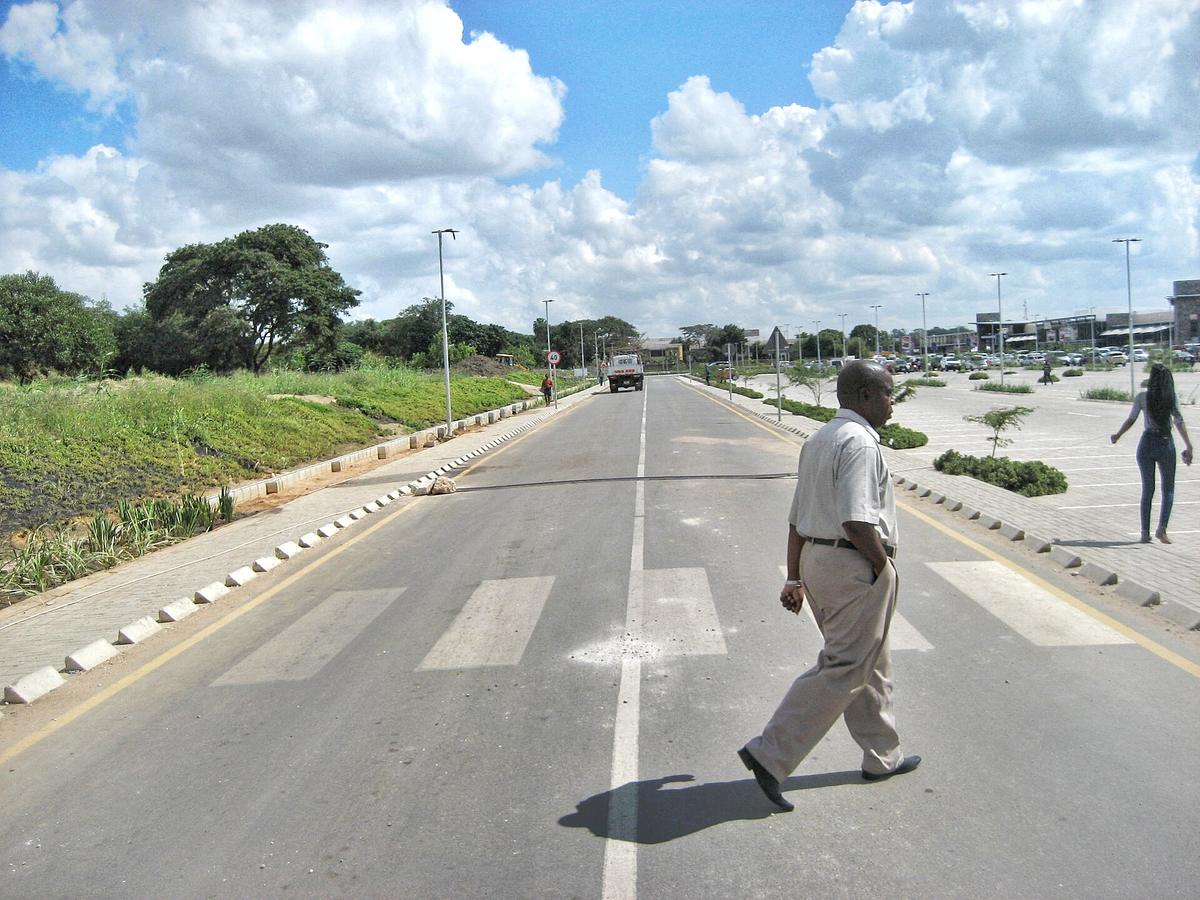

Zambia Self-Drive Breakdown Risk, the Single Worst Surprise
The Brutal Distances Between Highlights
Self-driving in Zambia is not a road trip. It is an expedition with a near-total lack of roadside assistance. The distances between highlights are brutal: the drive from Lusaka to Mfuwe, the entry point for South Luangwa National Park, takes 8 to 10 hours on the Great East Road, a paved but variable surface that deteriorates into potholed gravel in sections. A single puncture without two spares can strand you for hours in 38°C heat. Fuel stations are concentrated in provincial towns; between those towns, they are scarce. In November and December, before the rains improve tanker access, fuel shortages occur without warning.
What to Carry and When to Stop
Carry a satellite phone or an inReach device. The T2 north from Lusaka toward Mpika has sections with potholes that snap tyres at speed. The Mongu to Kalabo road across the Barotse Floodplain is an engineered sand-track causeway that becomes impassable during the peak flood months of March to May. Night driving is a separate risk: unlit roads, pedestrians, livestock, unlit broken-down vehicles, and wildlife on rural roads make it dangerous. The rule is to stop driving by 17:00 and be at your accommodation before dusk. If you are not a serious 4x4 overlander who has driven in southern Africa before, do not self-drive. Book light aircraft charter instead. Proflight and Mahogany Air cover Lusaka to Livingstone, Mfuwe, and Ndola, and the cost replaces two lost days of transit.
Zambia Tsetse Fly Areas, Where They Bite and What Works
Tsetse flies are not a safety advisory from a government; they are a real, physical nuisance that can ruin a game drive. They are present in wooded savannah areas, especially the Luangwa Valley, Lower Zambezi National Park, and Kafue National Park. Their bite penetrates clothing. Repellent applied to skin is largely ineffective because the fly is attracted to movement, dark colours, and the carbon dioxide you exhale, not the scent of DEET.
Wear light-coloured, long-sleeved shirts and long trousers. Tuck trousers into socks. Avoid dark blue and black. The flies are most active in the heat of the day and during the wet season, November to April. In Kafue's Busanga Plains and Lower Zambezi's riverine woodland, a vehicle with closed windows is the only reliable defence. Lodges in these areas will supply fly nets for the vehicle grille if you ask. The failure case is the traveller who wears a black t-shirt on an open-sided safari vehicle in Kafue in December and spends four hours being bitten through the fabric. Dress for the fly, not for the photo.
Zambia Political Rally Roadblocks, Rare, Localised, Avoidable
Political rally roadblocks are a remote possibility during election periods. When announced, political rallies can cause localised roadblocks on major highways, particularly the T1 between Lusaka and Livingstone and the Great North Road T2. These are not armed checkpoints. They are gatherings of party supporters who slow or stop traffic in a single location for a few hours. The risk is delay, not violence.
Avoid travel on days when rallies are announced. The UK Foreign, Commonwealth and Development Office and the US Department of State issue specific alerts for these periods. If you are driving and encounter a roadblock, do not stop. Turn around and take a different route, or wait at a nearby fuel station until the crowd disperses. The election calendar is published; check it before you book. The failure case is the traveller who drives into an unannounced rally area at dusk and cannot reverse because the road is blocked both ways. Do not drive after lunch on election days in contested regions.
Wildlife Safety, a Lodge Briefing, Not a Government Advisory
Wildlife safety on walking safaris is a lodge-briefing matter, not something a government travel advisory covers. South Luangwa is the birthplace of the walking safari; every reputable lodge there runs a mandatory pre-walk briefing that covers the distance to keep from a buffalo, what to do if a lion is on the trail ahead, and how to stand still during an elephant encounter. The briefing is specific to the guide, the terrain, and the animals seen in that area that week. There is no generic advice that replaces it.
The genuine risk on a walking safari is not being eaten. It is being in the wrong position because you did not listen. Follow the guide's instruction exactly. Do not walk behind the guide. Do not run. Do not take photos while stepping backwards. The failure case is the traveller who assumes the briefing is optional and walks 20 metres behind the group while taking a phone video of a hippo on a bank. Hippos kill more people in Zambia than any other large animal. Stay close to the guide.
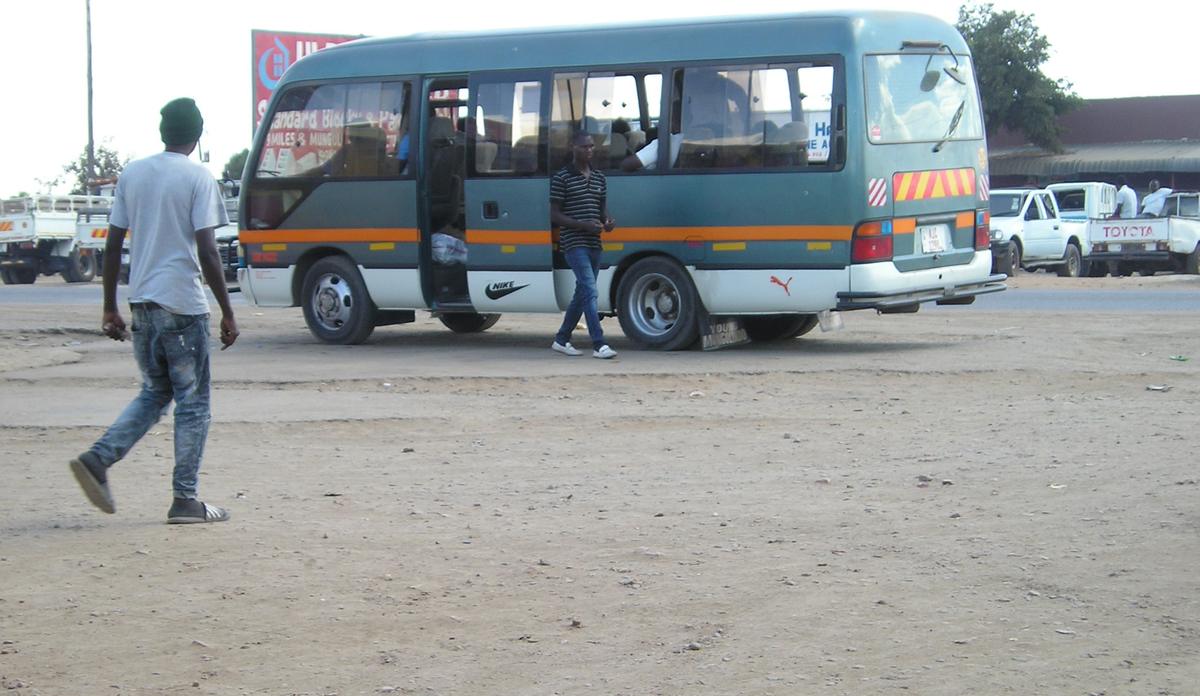

| Risk | Details | Key Action |
|---|---|---|
| Street crime in Lusaka | Opportunistic theft in minibus terminals, Cairo Road area. No armed muggings. | Keep phone zipped. Use pre-booked taxi from airport. Avoid walking after dark near the railway line. |
| Self-drive breakdown | Near-total lack of roadside assistance. Single puncture without two spares can strand you for hours. Fuel shortages in rural areas. | Carry satellite phone or inReach. Stop driving by 17:00. Do not self-drive without serious 4x4 experience. |
| Tsetse flies | Present in Kafue, Lower Zambezi, Luangwa Valley. Bite through clothing. Active in heat of day during rainy season. | Wear light-coloured, long clothing. Tuck trousers into socks. Use closed windows on vehicles. |
| Political rally roadblocks | Rare, localised, during election periods only. Cause delays, not violence. | Check election calendar. Avoid driving on rally days. Turn around if you encounter one. |
| Wildlife on walking safaris | Lodge briefing covers specific risks for that area. Hippos cause the most fatalities. | Attend the briefing. Stay close to the guide. Do not walk behind or take photos while moving. |
| Malaria | Transmission year-round, peak November to April. Entire country affected. | Take chemoprophylaxis as recommended by international health authorities. |
| Road safety | Unpaved, corrugated, potholed roads outside major routes. Night driving is dangerous. | Drive only in daylight. Carry two spares. Check road conditions before departing. |
Practical Precautions That Actually Matter
Cash, Connectivity and Daily Frictions
Beyond the headline risks, the everyday frictions in Zambia are what derail trips. Cash is king outside lodges; ATMs run out of Kwacha in small towns and card machines fail due to connectivity. Carry enough Zambian Kwacha for fuel, food, and minor purchases between cities. US dollars are widely accepted in tourism hubs, but small denominations are preferred. A US$50 note is too large for a fuel station in Mpika.
Road transfers between parks take double the time estimates due to potholes, police checkpoints, and unmarked speed bumps. The roadblock frequency on major highways is high; police and Road Transport and Safety Agency checkpoints conduct document checks, speed enforcement, and vehicle condition checks. Carry your driving licence, international driving permit, vehicle registration, insurance certificate, and reflective triangles. The fine for missing any one of these can cost you hours at a roadside station.
Fuel, Seasons and Water
Fuel availability in urban areas is good; in rural areas it is scarce, concentrated in provincial towns. Fill up whenever you see a station with petrol, even if your tank is half full. The dry season, May to October, is the only reliable period for road travel. January to March in low-lying valleys like Luangwa and Zambezi brings heavy rains that make roads impassable and close many camps. Urban tap water is not consistently potable; treatment is recommended. Malaria transmission is year-round across the entire country, with peak from November to April. Chemoprophylaxis is recommended by international health authorities, and bilharzia (schistosomiasis) is present in freshwater lakes and slow-moving rivers including Lake Tanganyika, Lake Kariba, and Zambezi tributaries.
The One Thing That Most Often Goes Wrong
The most common mistake travellers make in Zambia is trying to cover too much geography by road. A self-drive itinerary linking Livingstone, Lusaka, South Luangwa, and Kafue in 10 days burns two full days just in transit on roads that punish every kilometre. The drive from Lusaka to South Luangwa alone takes 8 to 10 hours on the Great East Road. From Livingstone to Lusaka on the T1 is 6 to 7 hours. You arrive at each camp exhausted, with no time for the walking safari or canoe trail you came for. The failure case is the traveller who spends more time in a rental SUV than on the game drive.
Cut the itinerary. Stay in one valley for a minimum of five nights. Fly between parks. Accept that Zambia's scale is its feature, not its flaw. The country delivers raw, high-effort safari without the crowds of its neighbours, but it demands that you respect its distances. Book a light aircraft transfer, pack a satellite phone, wear light-coloured clothing in tsetse areas, and attend every lodge briefing. If you do that, the real risks are manageable and the overstated warnings fall away.
Zambia Safety FAQ
Is Lusaka safe for solo travellers?
Lusaka is safe for solo travellers during daylight hours in the main commercial and hotel districts. The risks are opportunistic theft in crowded transport hubs and after dark around Cairo Road and the railway line. Use pre-booked taxis, avoid walking alone after dark, and keep valuables zipped in front pockets.
Do I need a yellow fever vaccine for Zambia?
Zambia is not classified as yellow-fever-endemic. The vaccine is required only if you are arriving from a country with yellow fever transmission risk. Otherwise, it is not mandatory. Routine vaccines recommended by international health authorities include hepatitis A, typhoid, tetanus, diphtheria, and polio.
What is the emergency services number in Zambia?
The national emergency number is 992. For ambulance services, use 991 (Lusaka only). For police, use 993. These numbers work on any mobile network. Medical evacuation to Lusaka or Johannesburg is normal for serious conditions; travel insurance with evacuation cover is expected.
Can I drink tap water in Zambia?
Urban tap water is not consistently potable; treatment is recommended. In rural areas, water comes from boreholes, hand pumps, and untreated surface water. Bottled water is widely available in cities and lodges. Carry purification tablets for remote areas.
Read next
-
 Staying Connected in Zambia With eSIM Local SIM or Neither
A Zambia eSIM or local MTN or Airtel SIM works in towns but not in most national parks. Here is how to plan for the gaps.
Staying Connected in Zambia With eSIM Local SIM or Neither
A Zambia eSIM or local MTN or Airtel SIM works in towns but not in most national parks. Here is how to plan for the gaps.
-
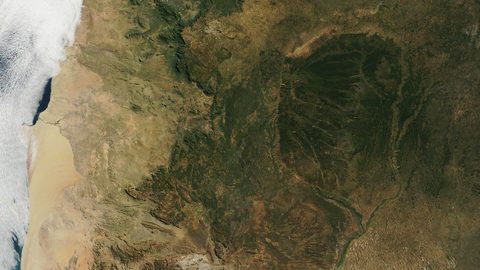 Best Time to Visit Zambia, What Each Season Actually Does
Zambia's dry season runs May to October for peak wildlife, but the bat migration and wildebeest migration make November compelling too—rains close many camps
Best Time to Visit Zambia, What Each Season Actually Does
Zambia's dry season runs May to October for peak wildlife, but the bat migration and wildebeest migration make November compelling too—rains close many camps
-
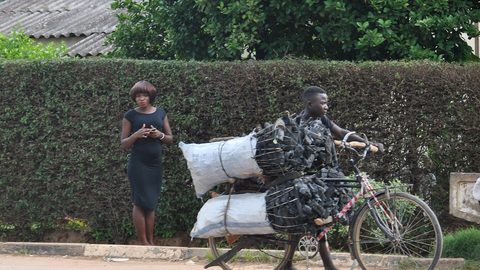 Getting Around Zambia, What Connects Where and What the Map Oversells
Distances in Zambia are vast and road transfers take double what maps estimate—light aircraft and pre-arranged transfers dominate safari travel.
Getting Around Zambia, What Connects Where and What the Map Oversells
Distances in Zambia are vast and road transfers take double what maps estimate—light aircraft and pre-arranged transfers dominate safari travel.
-
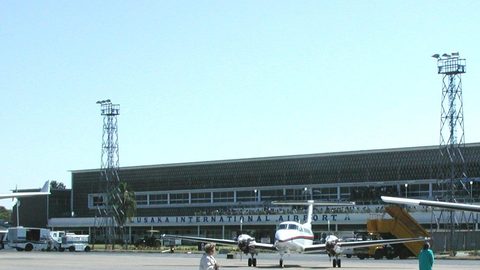 Zambia Visa Rules, Who Needs One and How the Process Works
Who needs a visa for Zambia, who does not, and how the e-visa, visa-on-arrival, and KAZA Univisa processes actually work.
Zambia Visa Rules, Who Needs One and How the Process Works
Who needs a visa for Zambia, who does not, and how the e-visa, visa-on-arrival, and KAZA Univisa processes actually work.
-
Money in Zambia, Kwacha, Cards, and Where Cash Still Wins
How the Zambian kwacha works, why cards fail outside lodges, and where cash is the only thing that will get you fuel or food.
-
What Zambia Safari Trips Cost and Where the Money Goes
Zambia costs more than its neighbours because remoteness and low guest density drive lodge prices. Here is where the money actually goes.
-
 A Ground-Level Logistics Guide to Independent Travel in China
First-time independent travel in China: what you need to know about visas, rail booking, eSIMs, mobile payments, and power adapters.
A Ground-Level Logistics Guide to Independent Travel in China
First-time independent travel in China: what you need to know about visas, rail booking, eSIMs, mobile payments, and power adapters.
-
 How Solo Travelers Stay Ahead of Flight Delays and Cancellations
How solo travelers can track inbound aircraft, claim rebooking rights, and adjust ground transport when flights go wrong — step by step.
How Solo Travelers Stay Ahead of Flight Delays and Cancellations
How solo travelers can track inbound aircraft, claim rebooking rights, and adjust ground transport when flights go wrong — step by step.
-
 Why Your eSIM Might Not Work Abroad and How to Check Before You Go
Buying an eSIM doesn't guarantee signal abroad. Learn why coverage fails by location and how to verify reach before you commit to a plan.
Why Your eSIM Might Not Work Abroad and How to Check Before You Go
Buying an eSIM doesn't guarantee signal abroad. Learn why coverage fails by location and how to verify reach before you commit to a plan.