Zambia Visa Requirements for Travellers
Who needs a visa for Zambia, who does not, and how the e-visa, visa-on-arrival, and KAZA Univisa processes actually work.
Zambia Visa Requirements for Travellers
Most travellers need a visa to enter Zambia. The process is straightforward if you follow the correct route for your passport. Nationals of SADC member states and several Commonwealth countries get visa-free access for up to 90 days. Everyone else must obtain a visa, either through the e-visa portal or at the border. The single exception is the KAZA Univisa, which covers cross-border trips between Zambia and Zimbabwe for over 65 eligible passport holders. Here is exactly who needs what and how to get it.
Your passport must have at least six months validity beyond your intended departure date from Zambia and a minimum of two blank pages. Border officers may ask for proof of onward or return travel. Carry a printed flight itinerary or e-ticket. If you are arriving from a country where yellow fever is endemic, you need the yellow fever certificate. Dual citizenship is recognised in Zambia since the 2016 constitutional amendment, but enter and exit on the same passport.
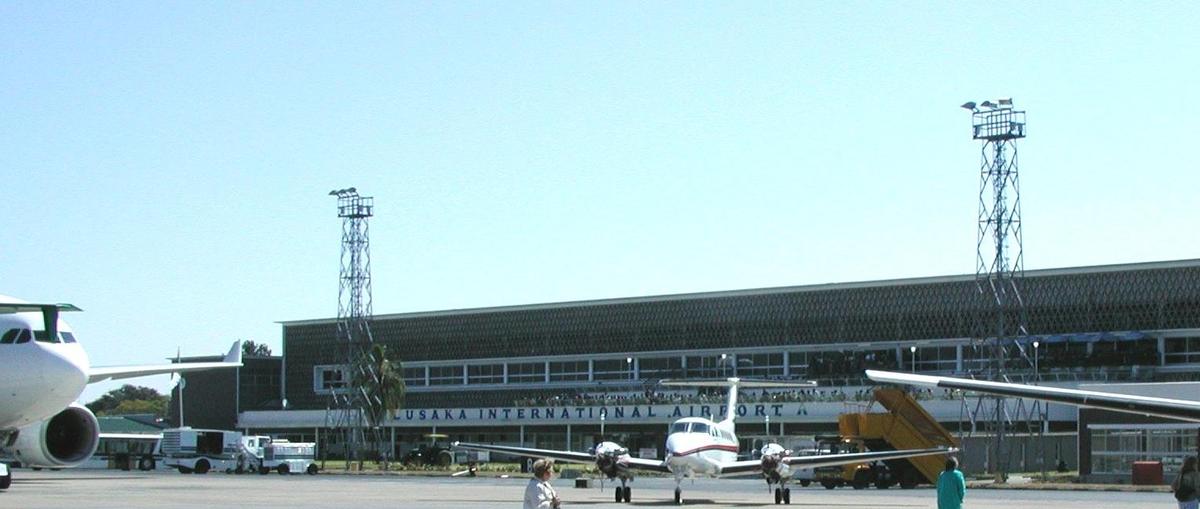

Visa Free Nationalities and Who Qualifies
All nationals of Southern African Development Community (SADC) member states do not need a visa for Zambia. That list includes Angola, Botswana, Comoros, Democratic Republic of Congo, Eswatini, Lesotho, Madagascar, Malawi, Mauritius, Mozambique, Namibia, Seychelles, South Africa, Tanzania, and Zimbabwe. These passport holders receive a visa-free stay of up to 90 days for tourism or business within any 12-month period.
Several other Commonwealth and specified passport holders also qualify for visa-free entry, again up to 90 days. The full schedule changes periodically. Check the Zambia Department of Immigration website at zambiaimmigration.gov.zm for the most current list before you book flights.
Zambia E Visa Application
For any traveller who does need a visa, the Zambia e-visa is the recommended route. The official portal is the Zambia Department of Immigration e-Services at eservices.zambiaimmigration.gov.zm. All passport holders requiring a visa may apply online. Some visa-free passport holders also use the e-visa system if they want to obtain a visa before travel.
How The E-Visa Process Works
Complete the online form, upload a digital passport photo and a scan of your passport bio page, pay the fee by credit or debit card, and submit. Processing takes 3 to 5 working days. Do not book non-refundable flights or accommodation until you have the approval. Print the e-visa approval letter and carry it with your passport for presentation at the border.
Visa Types And Validity
A single-entry visa is valid for 90 days from the date of issue. Double-entry and multiple-entry visas are also available, each with 90-day validity. If you need to stay longer, apply for a visa extension through Department of Immigration offices inside Zambia.
For business travel, you need an invitation letter from your host organisation in Zambia. Employment requires a separate work permit obtained before travel, not a standard visa.
Zambia Visa on Arrival
If you did not apply for an e-visa and you hold a passport from a visa-required country not on a restricted list, you can get a visa at the port of entry. This option is available at Kenneth Kaunda International Airport in Lusaka, Harry Mwaanga Nkumbula International Airport in Livingstone, Simon Mwansa Kapwepwe International Airport in Ndola, and at major land borders. The visa on arrival allows a maximum stay of 90 days.
Payment At The Airport Vs Land Borders
At the airports, you can pay the visa fee in cash using US dollars, British pounds, South African rand, or Zambian kwacha. Card acceptance varies by location and by the officer on duty. Carry enough cash in US dollars to cover the fee. At land borders, cash is the only reliable method. ATMs in border towns run out of kwacha and card machines fail due to connectivity problems.
The exact visa fee for each passport is set by the Immigration Department and changes annually. The 2024 rate for a single-entry visa was approximately US$50 for most passport holders, but verify the current fee on the Immigration Department website before you travel. Do not assume the fee is the same as last year.
Zambia KAZA Visa
The KAZA Univisa is a joint visa between Zambia and Zimbabwe that covers multiple-entry travel between the two countries for up to 30 days. It also allows day trips into Botswana in the Kazungula area. This visa is ideal if your itinerary includes a day trip to Chobe National Park from Livingstone or if you plan to cross the Victoria Falls bridge multiple times.
Who Can Get The KAZA Univisa
The KAZA Univisa is available to passport holders from over 65 countries. It is not available to SADC nationals except Angola. A small number of restricted passport holders also cannot use it. Verify your eligibility against the current KAZA Univisa schedule published by the Zambia Department of Immigration.
Where To Obtain It
Get the KAZA Univisa at Kenneth Kaunda International Airport in Lusaka, Harry Mwaanga Nkumbula International Airport in Livingstone, the Victoria Falls land border, or the Kazungula land border. Apply at these ports of entry. The cost is higher than a standard single-entry visa, around US$80 at the 2024 rate, but it replaces two separate visas if you are visiting both Zambia and Zimbabwe.
Zambia Visa Cost
Zambia visa costs vary by passport, visa type, and whether you apply online or at the port of entry. The e-visa fee is lower than the visa-on-arrival fee for the same passport. At the 2024 rate, a single-entry e-visa for most passport holders cost approximately US$50. The visa-on-arrival fee at the airport was around US$50 as well, but some passport holders pay more.
The KAZA Univisa cost approximately US$80 in 2024. Overstay penalties include a daily fine and possible detention. Avoid overstaying: check your entry stamp date before you leave the border post.
The fee structure is revised regularly. The only authoritative source is the Zambia Department of Immigration website at zambiaimmigration.gov.zm. Check the fee schedule for your specific passport before you pay.
| Requirement | Detail |
|---|---|
| Passport validity | 6 months beyond intended departure date |
| Blank passport pages | At least 2 |
| Onward/return ticket | May be requested at the border |
| Yellow fever certificate | Required if arriving from endemic country |
| Visa free for SADC nationals | 90 days within any 12 month period |
| E visa processing time | 3 to 5 working days |
| Visa on arrival available | At LUN, LVI, NLA airports and major land borders |
| KAZA Univisa validity | 30 days, multiple entry Zambia and Zimbabwe |
| KAZA Univisa cost (2024) | Approximately US$80 |
| Single entry visa validity | 90 days from date of issue |
| Visa extension | Possible through Immigration Department offices |
| Overstay penalty | Daily fine and possible detention |
| Official source | zambiaimmigration.gov.zm |
Practical Tips for a Smooth Entry
Carry cash in US dollars for visa fees at the airport and especially at land borders. ATMs in small towns run out of kwacha and card machines fail due to poor connectivity. If you are flying into Lusaka and connecting immediately to a domestic flight to Mfuwe for South Luangwa or to Livingstone, clear the border at LUN first. You cannot get a visa on arrival at a domestic airstrip.
Self-Drive Realities
For self-drive travellers, the common mistake is assuming you can rent a car in Lusaka and reach South Luangwa in a day. The drive from Lusaka to Mfuwe takes 8 to 10 hours on punishing roads. Build in a full day for that transfer or book a light aircraft charter through Proflight Zambia or Mahogany Air. The internal flight from LUN to Mfuwe takes about 90 minutes and costs roughly US$200 to US$300 one way, depending on season.
The Zambia visa system suits safari-goers who plan ahead and carry the right documents. It is not for travellers who expect to show up at the border without cash or a printed e-visa approval, or for anyone who assumes a quick drive between parks works in a single day. The distances are vast, fuel stations are sparse, and a puncture without two spares can strand you for hours.
Common Questions
Do I need a visa for Zambia?
It depends on your passport. SADC member state nationals do not need a visa for up to 90 days. Travellers from Commonwealth and other visa-free countries also do not need one. All other passport holders require a visa, which can be obtained as an e-visa or on arrival.
Can I get a Zambia visa on arrival at the airport?
Yes, if you hold a passport from a visa-required country not on a restricted list. Visas on arrival are available at Kenneth Kaunda International Airport in Lusaka, Harry Mwaanga Nkumbula International Airport in Livingstone, and Simon Mwansa Kapwepwe International Airport in Ndola. Pay in cash in US dollars to avoid card issues.
How long does the Zambia e visa take?
Processing takes 3 to 5 working days. Apply on the official portal at eservices.zambiaimmigration.gov.zm. Do not book non-refundable flights until you have the approval.
What is the KAZA Univisa?
The KAZA Univisa is a 30 day multiple entry visa covering Zambia and Zimbabwe. It also allows day trips to Botswana in the Kazungula area. It is available to over 65 passport holders and costs approximately US$80.
How much does a Zambia visa cost?
The cost varies by passport and visa type. A single entry e-visa for most passport holders was approximately US$50 in 2024. The KAZA Univisa was US$80. Check the current fee on the Immigration Department website before you travel.
What happens if I overstay my visa in Zambia?
Overstaying results in a daily fine and possible detention. The exact penalty is set annually by the Immigration Department. Check your entry stamp date and apply for a visa extension before your current visa expires if you need more time.
Do children need a separate visa for Zambia?
Yes, every traveller needs their own visa regardless of age. Minors travelling without one or both parents may need an unabridged birth certificate and a consent letter from the non-travelling parent. Verify current practice with the Immigration Department before departure.
Read next
-
 Staying Connected in Zambia With eSIM Local SIM or Neither
A Zambia eSIM or local MTN or Airtel SIM works in towns but not in most national parks. Here is how to plan for the gaps.
Staying Connected in Zambia With eSIM Local SIM or Neither
A Zambia eSIM or local MTN or Airtel SIM works in towns but not in most national parks. Here is how to plan for the gaps.
-
 Best Time to Visit Zambia, What Each Season Actually Does
Zambia's dry season runs May to October for peak wildlife, but the bat migration and wildebeest migration make November compelling too—rains close many camps
Best Time to Visit Zambia, What Each Season Actually Does
Zambia's dry season runs May to October for peak wildlife, but the bat migration and wildebeest migration make November compelling too—rains close many camps
-
 Getting Around Zambia, What Connects Where and What the Map Oversells
Distances in Zambia are vast and road transfers take double what maps estimate—light aircraft and pre-arranged transfers dominate safari travel.
Getting Around Zambia, What Connects Where and What the Map Oversells
Distances in Zambia are vast and road transfers take double what maps estimate—light aircraft and pre-arranged transfers dominate safari travel.
-
Money in Zambia, Kwacha, Cards, and Where Cash Still Wins
How the Zambian kwacha works, why cards fail outside lodges, and where cash is the only thing that will get you fuel or food.
-
 Zambia Safety Advice, Reading the Warnings Without Being Misled by Them
Zambia's real safety risks are self-drive breakdown isolation, opportunistic theft in Lusaka, and tsetse flies—not the violent crime some advisories imply.
Zambia Safety Advice, Reading the Warnings Without Being Misled by Them
Zambia's real safety risks are self-drive breakdown isolation, opportunistic theft in Lusaka, and tsetse flies—not the violent crime some advisories imply.
-
What Zambia Safari Trips Cost and Where the Money Goes
Zambia costs more than its neighbours because remoteness and low guest density drive lodge prices. Here is where the money actually goes.
-
 A Ground-Level Logistics Guide to Independent Travel in China
First-time independent travel in China: what you need to know about visas, rail booking, eSIMs, mobile payments, and power adapters.
A Ground-Level Logistics Guide to Independent Travel in China
First-time independent travel in China: what you need to know about visas, rail booking, eSIMs, mobile payments, and power adapters.
-
 How Solo Travelers Stay Ahead of Flight Delays and Cancellations
How solo travelers can track inbound aircraft, claim rebooking rights, and adjust ground transport when flights go wrong — step by step.
How Solo Travelers Stay Ahead of Flight Delays and Cancellations
How solo travelers can track inbound aircraft, claim rebooking rights, and adjust ground transport when flights go wrong — step by step.
-
 Why Your eSIM Might Not Work Abroad and How to Check Before You Go
Buying an eSIM doesn't guarantee signal abroad. Learn why coverage fails by location and how to verify reach before you commit to a plan.
Why Your eSIM Might Not Work Abroad and How to Check Before You Go
Buying an eSIM doesn't guarantee signal abroad. Learn why coverage fails by location and how to verify reach before you commit to a plan.