A Straightforward Zambia Safari Cost Breakdown for Planning
Zambia costs more than its neighbours because remoteness and low guest density drive lodge prices. Here is where the money actually goes.
The Real Cost of a Zambia Safari and Wilderness Trip
Most first-time safari buyers assume a Zambia safari cost breakdown looks like any other Southern African destination: a per-person-per-night lodge rate with meals and game drives included. That is wrong. Zambia's cost structure is inverted. High-quality lodges are expensive not because of luxury but because of low guest density and extreme remoteness. Budget options exist. They mean camping, self-catering, and long drives on punishing roads. The money you spend goes to different things here than in Botswana or Kenya. If you do not understand the shape of those costs before you book, you will either overpay for a package that does not fit or underspend and spend half your trip stranded at a fuel station.
You need a minimum of 10 days in Zambia. Anything shorter and half your itinerary burns in transit between one or two parks, missing the country's scale entirely. Distances between highlights are brutal. The drive from Lusaka to South Luangwa National Park alone takes 8 to 10 hours on unpaved, deeply corrugated roads. Visitors routinely try to link Livingstone, Lusaka, South Luangwa, and Kafue National Park in 10 days and realise too late that they have burned two full days just in transit.
Zambia Lodge Prices Dry Season
Dry season runs May to October. July and August are the absolute peak, with fully booked camps and the highest lodge rates. In South Luangwa National Park, a mid-range lodge during July charges from roughly US$350 to US$600 per person per night on a full-board basis including two game activities daily. A top-tier camp runs from US$800 up to US$1,500 per person per night. These rates feel high compared to South Africa or Tanzania. The reason is not profit margins. It is logistics: every bottle of wine, every sheet, every spare part for a vehicle arrives by charter flight or road transfer over hundreds of kilometres of unpaved track. Camps in the Luangwa Valley operate on a low-guest-density model, typically 8 to 12 beds, which spreads fixed costs over fewer guests.
If you book a lodge in the park for August, expect to pay the premium and book at least 6 to 8 months ahead. Camps that run bush walks, which originated in this valley, tend to have the highest guide-to-guest ratios and therefore the highest rates. A walking-focused lodge charges more than a drive-only camp because each walk requires a qualified guide and an armed scout, and the group size is capped at six or seven guests.
South Luangwa Walking Safari Cost
A South Luangwa bush walk booked through a specialist operator costs from roughly US$500 to US$900 per person per night for a 3- to 5-night package that includes all walking activities, a backup vehicle, full-board meals, park fees, and transfers from Mfuwe Airport. The price is driven by the guide. This valley is the birthplace of the walking safari, and the best guides hold a level of certification that takes years to earn. You are paying for their ability to read animal behaviour at close range, not for a vehicle. Budget bush walks do not exist in the Luangwa ecosystem because the park requires an armed scout on every outing. That scout plus the guide plus a vehicle on standby create a fixed cost floor around US$400 per person per night even at a basic camp.
The cheaper way to experience a walk is to book a camp that offers it as an add-on to standard game drives rather than a dedicated walking lodge. Some mid-range camps in the park offer a single morning walk for US$50 to US$80 per person on top of the nightly rate. That gives you the experience without the premium of a full walking package.
Zambia Park Fees Per Day
Zambia park fees for non-residents are a two-part charge: a daily park entry fee plus a separate per-person-per-night bed levy. Both are set by the Department of National Parks and Wildlife and revised annually. For 2024, South Luangwa charged from roughly US$25 to US$35 per person per day for entry and a bed-night levy of around US$20 to US$30 per person per night. Lower Zambezi National Park and Kafue National Park fall into similar brackets. The exact figures change each year. Check the current rates on the official tourism website zambiatourism.com or the DNPW site before you finalise a trip budget.
These fees add up fast. A couple spending 4 nights in the Luangwa Valley pays roughly US$200 to US$260 in park fees alone before any accommodation, guide, or transport cost. The bed levy is charged per person per night even if you are camping. Community-run campsites outside park boundaries sometimes waive the bed levy, but you still pay the daily entry fee each time you drive into the park. Budget for this as a separate line item in your Zambia safari cost breakdown, not as something folded into a lodge rate.
Zambia Budget Camping Safari
A Zambia budget camping safari is the cheapest way to see the parks, but the phrase means exactly what it says: you camp, you cook your own food, and you handle your own logistics. A guided camping safari with a tour operator costs from roughly US$150 to US$250 per person per day including a vehicle, a guide, three meals, camping equipment, and park fees. That rate drops if you bring your own tent and sleeping gear. Self-drive camping pushes the cost lower but shifts the burden to you.
To self-drive camp in the Luangwa Valley, you pay from roughly US$15 to US$25 per person per night at a community campsite outside the park boundary. Inside the park, designated campsites cost more, around US$30 to US$50 per person per night, and require advance booking through park authorities. You also need a 4x4 rental. A basic 4x4 from Lusaka costs from roughly US$100 to US$150 per day. Fuel for the drive from Lusaka to the valley and back, plus game driving inside the park, runs US$200 to US$300 total. A satellite phone or inReach device is essential outside Lusaka and Livingstone because roadside assistance is near-total absent.
The Hidden Cost of Going Cheap
Time. Self-driving between parks takes double the time mapping apps estimate due to potholes, police checkpoints, and unmarked speed bumps. Fuel shortages occur without warning in remote areas, especially November to December. If your plan is to drive from Livingstone to South Luangwa in a day, reconsider. That route is over 600 kilometres and much of it unpaved. Break it in Lusaka or stay overnight in Chipata.
Where the Money Leaks: Transport, Flights, and the Self-Drive Trap
The largest single cost category for a budget trip is overland transport. For a mid-range trip, accommodation inside or near major parks dominates. The biggest differentiator between budget and mid-range is safari activities: self-drive versus guided game drives and bush walks. The second biggest is accommodation class: backpacker lodges and campsites versus mid-range lodges and tented camps.
Internal Flights
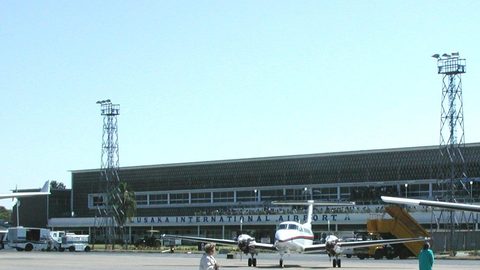
Domestic flights between Lusaka and the major parks are unexpectedly expensive because limited competition on thin routes keeps prices high. A one-way flight from Lusaka to Mfuwe Airport, which serves the Luangwa Valley, costs from roughly US$180 to US$250 on Proflight Zambia or Zambia Airways. Flights to Jeki or Royal airstrips for Lower Zambezi are charter-only, costing US$400 to US$800 per flight for a small plane carrying 4 to 6 passengers. These flights are the only practical way to reach Lower Zambezi if you are not driving, because the road from Lusaka via Chirundu takes 2.5 hours plus a river crossing.
Road Transfers
Pre-arranged road transfers from Lusaka to the valley cost around US$80 to US$120 per person one way in a shared vehicle, or US$300 to US$500 for a private 4x4. The drive takes 8 to 10 hours on unpaved roads that are deeply corrugated in dry season. A puncture without two spares strands you for hours. Most lodges include road transfers from the nearest airstrip in their package, but transfers from Lusaka to the airstrip are not included.
The Self-Drive Reality
Self-driving in Zambia is exhausting. The country lacks infrastructure for casual self-drive tourism. Fuel stations are sparse outside major routes. A single puncture without two spares strands you for hours. Self-drivers face a near-total lack of roadside assistance. A satellite phone or inReach device is essential outside Lusaka and Livingstone. If you have not driven a 4x4 in deep sand or on corrugated gravel for hours at a time, Zambia is not the place to learn.
Local Friction: Cash, Fuel, and Tsetse Flies
Cash is king outside lodges. ATMs run out of Kwacha in small towns and card machines fail due to connectivity. Carry US dollars in small denominations, US$5 and US$10 bills, for tips, market purchases, and emergencies. Major lodges and urban hotels accept Visa and Mastercard but surcharges are common. Amex acceptance is limited.
Tsetse flies in certain woodland areas of Kafue and Lower Zambezi bite through clothing and make game drives miserable without dark-coloured clothing and repellent. Light colours attract them. Wear dark green, khaki, or olive. A tsetse bite is painful and can cause swelling. It is not dangerous if you are not allergic.
Fuel shortages occur without warning in remote areas, especially November to December before rains improve tanker access. If you are self-driving, fill up whenever you see a station with fuel, even if your tank is half full. Do not trust that the next station will have diesel.
Local SIMs from MTN or Airtel are cheap and work in towns and some safari camps, but signal vanishes entirely in most parks and remote areas. Download offline maps and entertainment before leaving Lusaka or Livingstone. Lodges often charge US$10 to US$20 per device per day for patchy Wi-Fi.
The One Practical Step to Take Now
Before you price a single lodge or flight, decide how you will handle transport between parks. The most common mistake visitors make is trying to cover too much geography by road. Do not book a self-drive itinerary linking Livingstone, Lusaka, South Luangwa, and Kafue in 10 days. That itinerary burns two full days just in transit. Instead, pick two parks maximum for a 10-day trip. Fly into one, fly out of the other, and book road transfers only for short distances. That one decision saves you days of driving, hundreds of dollars in unexpected fuel and repair costs, and the frustration of realising halfway through your trip that you are spending more time in a vehicle than in the bush.
Common Questions
What is the cheapest way to do a Zambia safari?
The cheapest way is a self-drive camping safari using a 4x4 rental and community campsites outside park boundaries. A couple can spend from roughly US$150 to US$200 per day including vehicle rental, fuel, park fees, campsite fees, and self-catered food. The trade-off is time and effort: you handle navigation, cooking, and vehicle recovery if things go wrong.
How much do park fees cost in Zambia per day?
For non-residents, park fees are a two-part charge. The daily entry fee runs US$25 to US$35 per person per day at premier parks like South Luangwa, Lower Zambezi, and Kafue. The bed-night levy adds US$20 to US$30 per person per night. These figures are set by the Department of National Parks and Wildlife and revised annually. Check current rates on zambiatourism.com before booking.
Is it cheaper to book a safari package or self-drive in Zambia?
A guided safari package dominates costs with guide fees, vehicle costs, and full-board lodge rates. A self-drive trip dominates costs with 4x4 rental rate, park entry fees, and fuel. For two people on a 10-day trip, a self-drive camping safari costs roughly US$2,000 to US$3,000 total. A mid-range guided package costs US$4,000 to US$6,000 per person. Self-drive is cheaper but carries more risk and requires serious 4x4 experience.
Why are Zambia lodges so expensive compared to South Africa?
Zambia lodges are expensive because of low guest density and extreme remoteness. Camps in the Luangwa Valley operate 8 to 12 beds and spread fixed costs over fewer guests. Every supply arrives by charter flight or long road transfer over unpaved tracks. There is no economy of scale. You are paying for exclusivity and logistics, not for luxury finishes.
How much does a walking safari in South Luangwa cost?
A dedicated walking lodge in the valley charges from roughly US$500 to US$900 per person per night for a full package including walks, meals, and transfers. A cheaper option is to book a mid-range camp that offers a single morning walk as an add-on for US$50 to US$80 per person. The guided walk option gives you the experience without the premium of a full walking lodge.
Read next
-
 Staying Connected in Zambia With eSIM Local SIM or Neither
A Zambia eSIM or local MTN or Airtel SIM works in towns but not in most national parks. Here is how to plan for the gaps.
Staying Connected in Zambia With eSIM Local SIM or Neither
A Zambia eSIM or local MTN or Airtel SIM works in towns but not in most national parks. Here is how to plan for the gaps.
-
 Best Time to Visit Zambia, What Each Season Actually Does
Zambia's dry season runs May to October for peak wildlife, but the bat migration and wildebeest migration make November compelling too—rains close many camps
Best Time to Visit Zambia, What Each Season Actually Does
Zambia's dry season runs May to October for peak wildlife, but the bat migration and wildebeest migration make November compelling too—rains close many camps
-
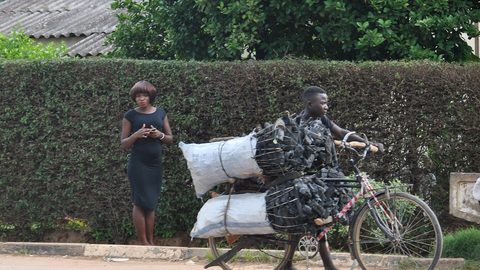 Getting Around Zambia, What Connects Where and What the Map Oversells
Distances in Zambia are vast and road transfers take double what maps estimate—light aircraft and pre-arranged transfers dominate safari travel.
Getting Around Zambia, What Connects Where and What the Map Oversells
Distances in Zambia are vast and road transfers take double what maps estimate—light aircraft and pre-arranged transfers dominate safari travel.
-
 Zambia Visa Rules, Who Needs One and How the Process Works
Who needs a visa for Zambia, who does not, and how the e-visa, visa-on-arrival, and KAZA Univisa processes actually work.
Zambia Visa Rules, Who Needs One and How the Process Works
Who needs a visa for Zambia, who does not, and how the e-visa, visa-on-arrival, and KAZA Univisa processes actually work.
-
Money in Zambia, Kwacha, Cards, and Where Cash Still Wins
How the Zambian kwacha works, why cards fail outside lodges, and where cash is the only thing that will get you fuel or food.
-
 Zambia Safety Advice, Reading the Warnings Without Being Misled by Them
Zambia's real safety risks are self-drive breakdown isolation, opportunistic theft in Lusaka, and tsetse flies—not the violent crime some advisories imply.
Zambia Safety Advice, Reading the Warnings Without Being Misled by Them
Zambia's real safety risks are self-drive breakdown isolation, opportunistic theft in Lusaka, and tsetse flies—not the violent crime some advisories imply.
-
 A Ground-Level Logistics Guide to Independent Travel in China
First-time independent travel in China: what you need to know about visas, rail booking, eSIMs, mobile payments, and power adapters.
A Ground-Level Logistics Guide to Independent Travel in China
First-time independent travel in China: what you need to know about visas, rail booking, eSIMs, mobile payments, and power adapters.
-
 How Solo Travelers Stay Ahead of Flight Delays and Cancellations
How solo travelers can track inbound aircraft, claim rebooking rights, and adjust ground transport when flights go wrong — step by step.
How Solo Travelers Stay Ahead of Flight Delays and Cancellations
How solo travelers can track inbound aircraft, claim rebooking rights, and adjust ground transport when flights go wrong — step by step.
-
 Why Your eSIM Might Not Work Abroad and How to Check Before You Go
Buying an eSIM doesn't guarantee signal abroad. Learn why coverage fails by location and how to verify reach before you commit to a plan.
Why Your eSIM Might Not Work Abroad and How to Check Before You Go
Buying an eSIM doesn't guarantee signal abroad. Learn why coverage fails by location and how to verify reach before you commit to a plan.