Zambia Seasons and When to Go
Zambia's dry season runs May to October for peak wildlife, but the bat migration and wildebeest migration make November compelling too—rains close many camps
Zambia Seasons and When to Go
The Land Cruiser noses into the valley at 06:30. A leopard has killed an impala in the fork of a sausage tree, and the guide kills the engine. The answer to when to go is May through October, the dry season. The roads hold. The animals have nowhere to hide. Outside those months the country flips: camps vanish under mud, rivers swell, and wildlife disperses into vast tracts of bush you cannot reach.
The calendar matters here more than in almost any other African safari destination. Zambia does not offer a year-round product with slight variation in game density. It offers two different countries: one where you walk up to a leopard under a mopane tree, and one where the same leopard is invisible behind chest-high grass and the track to reach it is a mud pit. Each season maps to what actually happens to wildlife, roads, camp access, and your budget.
.jpg)
Zambia Dry Season Safari: May to October
From May the rains stop, the vegetation thins, and animals concentrate at shrinking water sources. This is the only period when the majority of Zambia's parks are fully accessible. South Luangwa sees daytime temperatures of 25-30°C in the cool dry months (May, August), climbing to 35-40°C by September and October. Wildlife viewing peaks in the hot dry months, when the grass is at its shortest and you can spot a lion clear across a dry riverbed.
Roads And Access
All-weather roads inside South Luangwa stay passable throughout the dry season. The same applies to Kafue, where the Busanga Plains dry out and become reachable from June. Lower Zambezi opens fully; canoeing and boat safaris operate at their best as the river level drops. The paved highways connecting Lusaka to Livingstone, the Copperbelt, and Chipata (the access town for South Luangwa) remain reliable. Self-drive only works in this window. Outside it, covering the distances means getting stranded.
Peak Rates In July And August
July and August sit at the absolute peak of the calendar. Lodges charge their highest rates, and the better camps book out three to six months ahead. A night at a quality lodge in the valley in July costs 40-50 percent more than the same room in November. Families travelling during the Northern Hemisphere summer holidays dominate the guest lists. You will not find a last-minute booking. Reserve by March for July and August slots, and expect to pay the published rack rate with no flexibility.
Walking Safaris And Moderate Temperatures
The cool dry months of May through August are the best time for walking safaris. Daytime temperatures sit at a manageable 20-26°C on the Lusaka plateau and 25-30°C in the valley. Low vegetation gives you clear sightlines, and guides track animals at a safe distance without the heat exhaustion that hits in September. South Luangwa is the birthplace of the walking safari concept. Every lodge in the park offers a morning or full-day walk. Book through the lodge; independent walking is not permitted.
Zambia Wet Season Camp Closures: November to April
January through March is the window most travellers should avoid for valley parks. Heavy rains make roads impassable in low-lying areas, and many camps close for the season. In South Luangwa, bush camps close between November and April, though some operators run through December and reopen in March. In Lower Zambezi, most lodges close from November through March. The park access roads become impassable, and the airstrips may be too wet for charter landings.
What Stays Open
Lusaka and the central plateau remain functional year-round. The capital sits at 1,200-1,300 metres altitude, which moderates temperatures. Daytime highs in the rainy season range 25-30°C, and afternoon thunderstorms are common. The paved roads hold. Southern Kafue camps may stay open through the wet season, and birding peaks as migrant species arrive. If your interest is birds rather than big game, November and April deliver breeding plumage and rare species you will not see in the dry months. Bangweulu Wetlands fills with floodwater from March to May, making shoebill stork sightings possible only from a boat with a local guide.
Heat And Humidity
December and January bring excessive heat and humidity, particularly in the Luangwa and Zambezi valleys. Daytime temperatures in South Luangwa hit 30-35°C with humidity that makes a game drive feel like a sauna. Even the lodges that remain open see low occupancy. Book a lodge with a pool and air conditioning, and plan your activities for early morning and late afternoon only.
Election Period Disruption
Zambia holds elections on a five-year cycle. When an election is announced, avoid the period around polling day. Political rallies can cause localised roadblocks, and tensions in rural areas may disrupt travel. The United Kingdom Foreign, Commonwealth & Development Office, the United States Department of State, the Government of Canada, and the Australian Government Department of Foreign Affairs and Trade each publish travel advisories for Zambia. Check the one relevant to your nationality before booking, and verify the current status of any visa requirements for your country.
Zambia November Bat Migration: Kasanka National Park
November is the single month that justifies a trip to Zambia outside the dry season. Kasanka hosts the largest mammal migration on Earth by biomass: millions of straw-coloured fruit bats descend on a patch of mushitu swamp forest from late October into December. The peak spectacle runs from mid-November to early December. At dusk, the bats lift off the trees in a column so dense it registers on weather radar. Watch from a hide booked in advance through the Kasanka Trust.
This is a specialist event. Kasanka is remote. Accommodation is a basic campsite or the small lodge inside the park. The roads to Kasanka from the Great North Road are unpaved and deteriorate in the rains, so a 4x4 is essential. November also sees the Liuwa Plain wildebeest migration, a second major wildlife movement that requires fly-camping bookings. The hot dry period of September and October transitions into the shoulder of late October to early November, when the first rains begin and humidity builds, but the game viewing remains good until the camps close.
| Period | Wildlife Viewing | Road Access | Camp Availability | Crowds And Rates |
|---|---|---|---|---|
| May–August (Cool Dry) | Excellent; animals at water sources | Good; all-weather roads passable | All camps open | Moderate; July–August peak rates and full bookings |
| September–October (Hot Dry) | Peak; thinnest vegetation, best sightlines | Good; dust roads, no rain issues | All camps open | High season continues; rates still elevated |
| Late October–November (Shoulder) | Transitional; first rains disperse animals | Degrading; first rains make unpaved roads slippery | Some camps begin closing | Rates drop; low crowds |
| December–March (Rainy) | Poor to fair; wildlife dispersed, birding excellent | Poor; valley roads impassable, plateau roads ok | Many valley camps closed; plateau camps open | Low season; lowest rates, fewest visitors |
| April (Late Rains) | Improving; green landscape, birding peak | Wet; roads still difficult, drying slowly | Some camps reopen late April | Low season; quiet |
| May (Dry Start) | Good; grass receding, animals starting to concentrate | Improving; roads drying fast | All camps fully open by mid-May | Rates still moderate, rising to peak by July |

Getting Around: What Actually Works
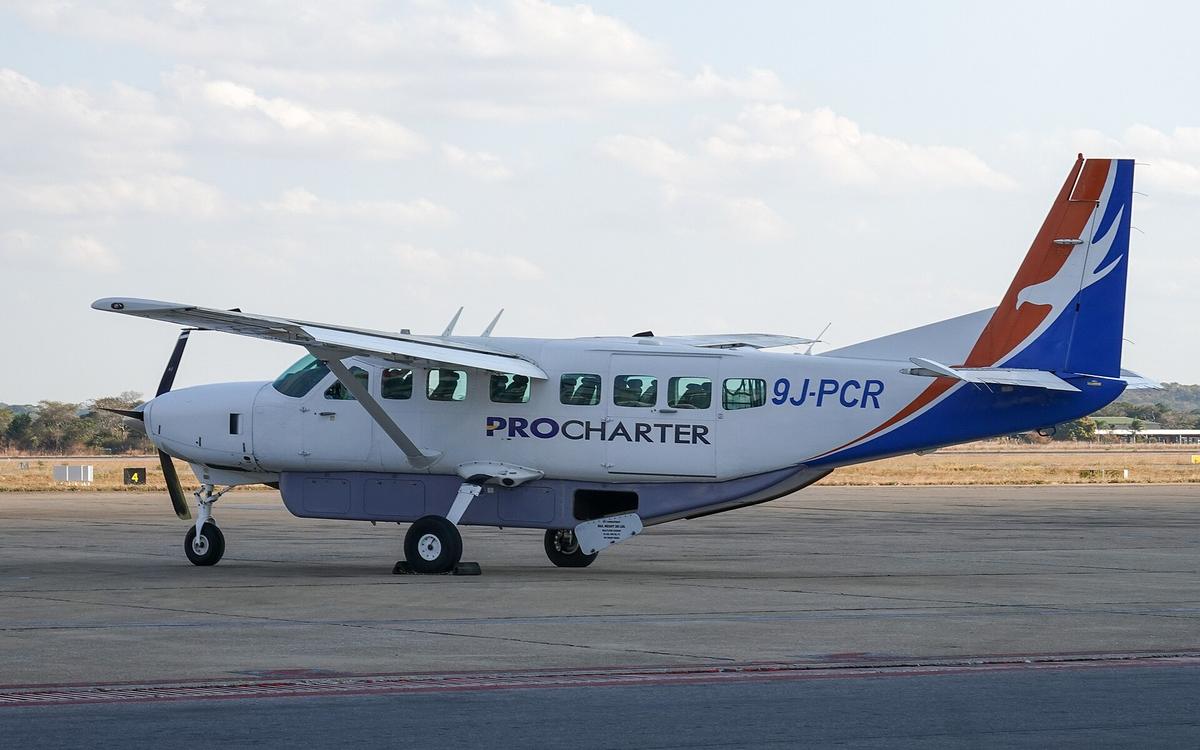
The dominant mode for inter-city and safari transfers is light aircraft charter. Proflight Zambia and Mahogany Air connect Lusaka with Livingstone, Ndola, Solwezi, Mfuwe (South Luangwa), and Lower Zambezi airstrips. Pay online or via lodge packages. Public buses exist but are slow, and safety standards vary.
The assumption that trips up visitors is the self-drive. Renting a car in Lusaka and driving to a remote park in a single day is not realistic. The drive from Lusaka to South Luangwa alone takes eight to ten hours on punishing roads. That burns two full days just in transit. Distances between highlights are brutal, fuel stations are sparse, and a single puncture without two spares strands you for hours. Carry a satellite phone or inReach device outside Lusaka and Livingstone.
Money, Phones And Fuel
Local SIMs from MTN or Airtel cost a few kwacha and work in towns and some safari camps, but signal vanishes inside most parks. Lodges charge US$10-20 per device per day for patchy Wi-Fi. Download offline maps and entertainment before leaving Lusaka or Livingstone. Cash is king outside lodges; ATMs run out of kwacha in small towns, and card machines fail due to connectivity. Fuel shortages occur without warning in remote areas, especially in November and December before rains improve tanker access. Road transfers between parks take double the time maps estimate because of potholes, police checkpoints, and unmarked speed bumps.
Who Zambia Actually Suits
Zambia delivers raw, high-effort safari and wilderness without the crowds or polish of its neighbours. It suits seasoned safari-goers who want exclusivity and walking safaris, adventure travellers who want canoeing and wild camping, birders targeting rare species in remote wetlands, and second-time Africa visitors bored of easy game drives. Self-drive overlanders with serious 4x4 experience find a country that rewards patience with solitude.
Skip Zambia if you are a first-time safari traveller who wants guaranteed Big Five sightings with minimal effort. Skip it if you expect butler service outside a handful of top lodges. Skip it if you are on a tight budget and not prepared to camp, and skip it if you want a city-break with nightlife and dining scenes. The single thing that most often goes wrong here is the road: visitors assume they can drive across the country in a day, and they pay for that assumption with hours of transit, a broken vehicle, or a missed flight.
Common Questions
When is the absolute best time for game viewing in Zambia?
The dry season from May to October, peaking in September and October when vegetation is thinnest and animals cluster at water sources. July and August are excellent but come with peak rates and fully booked camps.
Can I visit Zambia in January or February?
Only if you stay on the central plateau or have a specific reason such as birding. Low-lying valley parks like South Luangwa and Lower Zambezi have impassable roads and many camp closures. Expect heat and humidity in December and January.
When does the Kasanka bat migration happen?
The peak spectacle runs from mid-November to early December, with bats arriving from late October and departing by late December. Book the hide in advance through the Kasanka Trust.
Is July or August worth the high prices?
Yes, if you want guaranteed dry conditions, all camps open, and the best access to walking safaris and remote areas. Book by March. If your budget is tight, aim for May, June, or September, when rates are lower but conditions are still good.
What is the biggest mistake visitors make with timing?
Trying to cover too much geography in one trip by road. A self-drive itinerary linking Livingstone, Lusaka, South Luangwa, and Kafue in 10 days fails because the drive from Lusaka to South Luangwa alone takes 8-10 hours on punishing roads, burning two full days just in transit.
Read next
-
 Staying Connected in Zambia With eSIM Local SIM or Neither
A Zambia eSIM or local MTN or Airtel SIM works in towns but not in most national parks. Here is how to plan for the gaps.
Staying Connected in Zambia With eSIM Local SIM or Neither
A Zambia eSIM or local MTN or Airtel SIM works in towns but not in most national parks. Here is how to plan for the gaps.
-
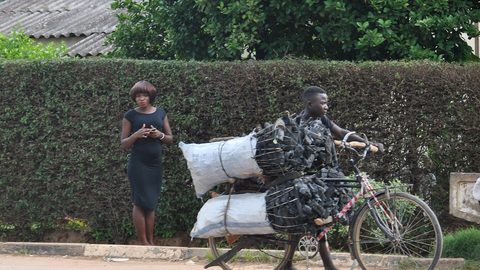 Getting Around Zambia, What Connects Where and What the Map Oversells
Distances in Zambia are vast and road transfers take double what maps estimate—light aircraft and pre-arranged transfers dominate safari travel.
Getting Around Zambia, What Connects Where and What the Map Oversells
Distances in Zambia are vast and road transfers take double what maps estimate—light aircraft and pre-arranged transfers dominate safari travel.
-
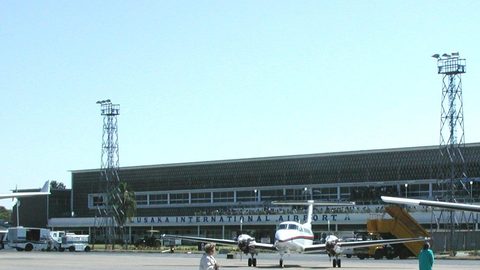 Zambia Visa Rules, Who Needs One and How the Process Works
Who needs a visa for Zambia, who does not, and how the e-visa, visa-on-arrival, and KAZA Univisa processes actually work.
Zambia Visa Rules, Who Needs One and How the Process Works
Who needs a visa for Zambia, who does not, and how the e-visa, visa-on-arrival, and KAZA Univisa processes actually work.
-
Money in Zambia, Kwacha, Cards, and Where Cash Still Wins
How the Zambian kwacha works, why cards fail outside lodges, and where cash is the only thing that will get you fuel or food.
-
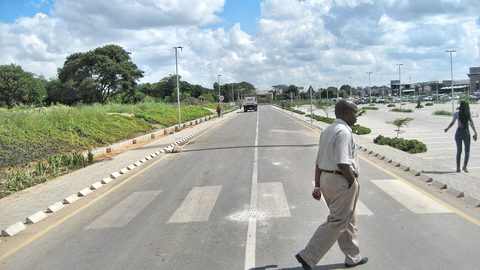 Zambia Safety Advice, Reading the Warnings Without Being Misled by Them
Zambia's real safety risks are self-drive breakdown isolation, opportunistic theft in Lusaka, and tsetse flies—not the violent crime some advisories imply.
Zambia Safety Advice, Reading the Warnings Without Being Misled by Them
Zambia's real safety risks are self-drive breakdown isolation, opportunistic theft in Lusaka, and tsetse flies—not the violent crime some advisories imply.
-
What Zambia Safari Trips Cost and Where the Money Goes
Zambia costs more than its neighbours because remoteness and low guest density drive lodge prices. Here is where the money actually goes.
-
 A Ground-Level Logistics Guide to Independent Travel in China
First-time independent travel in China: what you need to know about visas, rail booking, eSIMs, mobile payments, and power adapters.
A Ground-Level Logistics Guide to Independent Travel in China
First-time independent travel in China: what you need to know about visas, rail booking, eSIMs, mobile payments, and power adapters.
-
 How Solo Travelers Stay Ahead of Flight Delays and Cancellations
How solo travelers can track inbound aircraft, claim rebooking rights, and adjust ground transport when flights go wrong — step by step.
How Solo Travelers Stay Ahead of Flight Delays and Cancellations
How solo travelers can track inbound aircraft, claim rebooking rights, and adjust ground transport when flights go wrong — step by step.
-
 Why Your eSIM Might Not Work Abroad and How to Check Before You Go
Buying an eSIM doesn't guarantee signal abroad. Learn why coverage fails by location and how to verify reach before you commit to a plan.
Why Your eSIM Might Not Work Abroad and How to Check Before You Go
Buying an eSIM doesn't guarantee signal abroad. Learn why coverage fails by location and how to verify reach before you commit to a plan.