Old Town Key West: Duval, Hemingway, and the Historic Core
Most first-time visitors imagine Key West as a lazy beach town with wide sand and cheap margaritas. The reality is far more specific.
- Flag
-

- ISO code
- US
- Timezone
- America/New_York
Old Town Key West: Duval, Hemingway, and the Historic Core
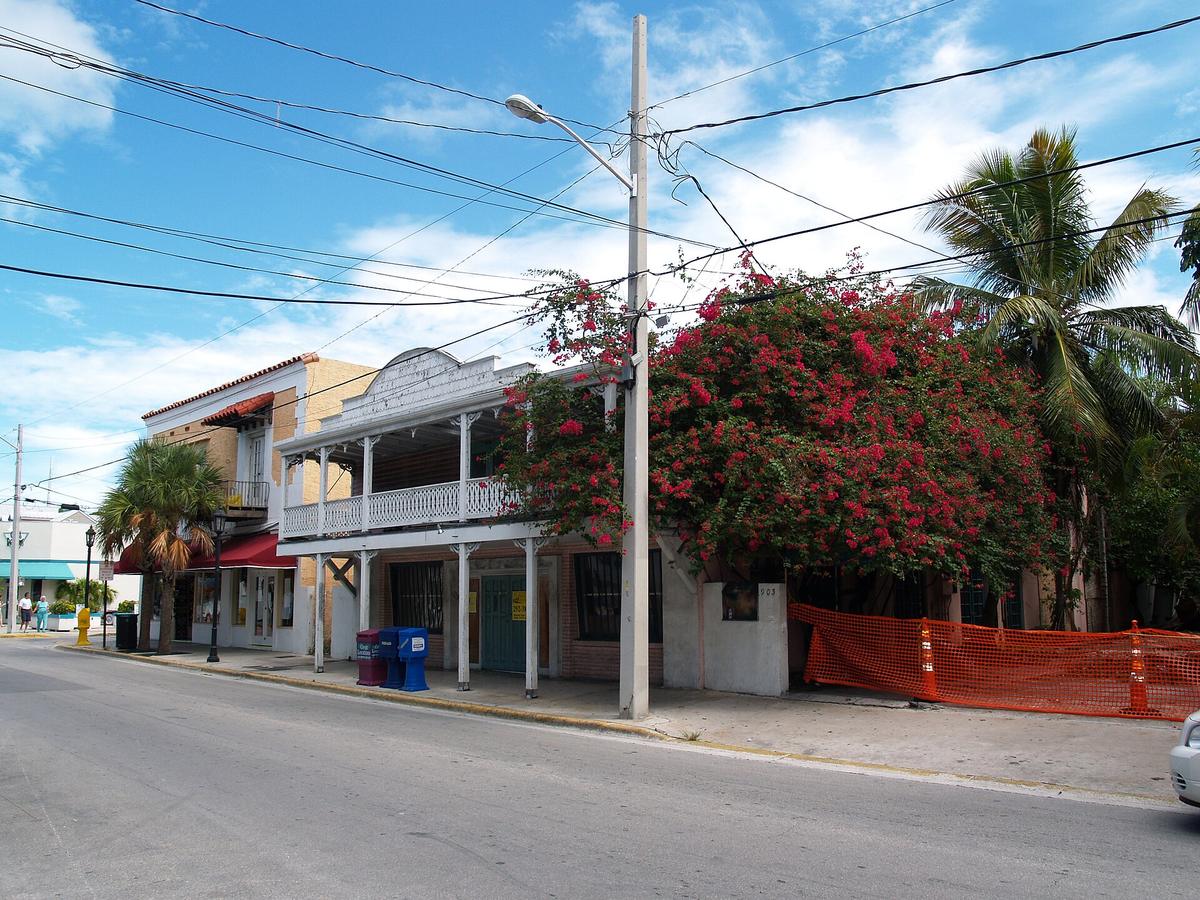
Most first-time visitors imagine Key West as a lazy beach town with wide sand and cheap margaritas. The reality is far more specific. Old Town Key West is a compact, walkable historic district of roughly 1.5 square miles on the western end of the island. Wood-frame Conch houses and shotgun cottages from the 1840s sit inches from the sidewalk. Roosters crow from hidden gardens at any hour. This is the historic core where nearly every visitor sleeps, eats, and drinks. It is noisy, expensive, and crowded. If you want a resort with a calm surf and a pool big enough for cannonball contests, Old Town is the wrong place. If you want a dense, adult-oriented party town with literary history and a Caribbean pulse, this Old Town Key West guide will show you exactly what that means and how to choose the right pocket of it for your trip.
Staying in Old Town Key West: What to Expect and Where to Book
Accommodation in Old Town consists almost entirely of guesthouses, bed-and-breakfast inns, and small hotels, most with fewer than 20 rooms. Chain hotels are nearly absent. You will pay a premium for the walkable location. Do not trust a third-party booking site that shows a low rate for Old Town in January; that rate likely belongs to a property in New Town, east of White Street, where the car-dependent strip malls and mid-century motels sit. Confirm the property address before booking. Because on-site parking is virtually nonexistent in Old Town, a rental car becomes a costly liability unless your guesthouse includes a dedicated spot. Budget for walking, bicycles, or the free Duval Loop bus instead. For exact rates and availability, check the property's own website or the Florida Keys & Key West tourism site; seasonal pricing changes annually and no guide can publish a rate that holds past the current year.

Duval Street Key West: the Raucous Spine of Old Town
Daytime Shopping and Sightseeing
Duval Street is the primary north-south artery of Old Town and the engine of its nightlife. During the day, the thoroughfare operates as a retail and sightseeing corridor: T-shirt shops, cafes, galleries, and the Key West Butterfly & Nature Conservatory at 1316 Duval.
After-Dark Party Zone
After dark, the character shifts to open-container bars, live music, drag shows, and late-night food counters. The highest concentration of nightlife sits between Front Street and Angela Street. Open-container laws permit drinking in plastic cups on public streets within the Old Town core; glass is banned. If you want to be in the middle of the party, book a room on or within a block of this stretch, and accept that quiet hours (enforced from 10 p.m. to 7 a.m.) will be relative. If you do not want the noise, avoid any guesthouse between Duval and Whitehead Street, north of Truman Avenue.
Key West Historic District: Whitehead Street and the Landmark Cluster
Hemingway Home and the Morning Routine
The Ernest Hemingway Home & Museum at 907 Whitehead Street anchors the quietest landmark zone in Old Town. Book a morning ticket and arrive by 09:00 to beat the queue; the famous six-toed cats will be active, and the guided tour covers Hemingway's writing studio and the lush tropical garden.
Southernmost Point and the Waterfront
From there, walk south on Whitehead three blocks to the Southernmost Point Buoy at the corner of South Street. Expect a 15-to-45-minute wait for a photo at midday. Continue past the buoy to the small, man-made South Beach, or turn west toward Fort Zachary Taylor Historic State Park, which offers the only natural sand beach worth visiting on the island.
Lighthouse, Truman House, and the One-Day Plan
The Key West Lighthouse & Keeper's Quarters sits a block from the Hemingway Home; the 88-step climb rewards you with a full view of the historic district's 1-to-2-storey wood-frame skyline. The Truman Little White House at 111 Front Street requires advance booking for guided tours of the presidential retreat. All these landmarks sit within a 15-minute walk of each other, which is the point: the historic district is small, and you will cover it on foot if you budget a full day.
Old Town Key West Walkability: How the Grid Works and Where it Breaks
The Grid and the Sidewalk Problem
Old Town Key West walkability is the single strongest reason to stay here, but it comes with friction points. The grid runs northeast-southwest, aligned with the island axis. Duval Street runs the length of the district; Truman Avenue (US 1) forms the southern boundary. Sidewalks are intermittent. Many lanes lack continuous pedestrian paths, and some remain unpaved or laid in brick. You will walk on the road edge frequently, so wear shoes you do not mind scuffing.
Getting Around After Dark
The walk from Mallory Square at the western edge to the Southernmost Point buoy takes 30 to 35 minutes at a moderate pace. The free Duval Loop circulator bus runs every 15 to 20 minutes during daytime to early evening, with no late-night service. Ride-share availability drops sharply after midnight, so plan your return from Duval bars on foot or by taxi from the Mallory Square stand. Download offline maps before arrival; thick walls in some Old Town guesthouses degrade Wi-Fi in rooms, and cell service is otherwise strong across the island.
Quieter Sub-Zones: Bahama Village and the Meadows
Bahama Village lies south of Truman Avenue and west of Simonton Street, a historically Afro-Bahamian residential enclave with its own cultural identity. The lanes here are quieter, lined with colorful shotgun houses, and roosters are more aggressive in this neighborhood than anywhere else in Old Town. The Meadows, south of Truman Avenue between Whitehead and White Streets, offers leafy lanes, grand historic homes, and a more local feel with fewer commercial uses. If you want the walkability of Old Town without the Duval noise, book a guesthouse in Bahama Village or The Meadows. The walk to Duval from either neighborhood takes 10 to 15 minutes. That is short enough for bar-hopping and long enough to return to silence.
The Friction Points: Cruise Ships, Roosters, and Parking Scarcity
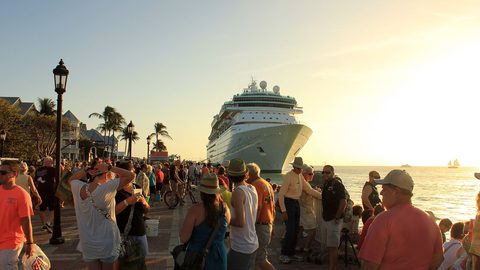
Three factors can derail a trip to Old Town if you do not plan for them. First, cruise ship crowds: when multiple ships dock, Duval and Mallory Square become impassable bottlenecks from roughly 10 a.m. to 4 p.m. Schedule your landmark visits for early morning or late afternoon on those days. Second, aggressive roosters: free-ranging chickens crow at all hours, particularly loud in Bahama Village and The Meadows. Earplugs are not an admission of defeat; they are standard equipment. Third, parking scarcity: Old Town has metered on-street parking and resident-permit zones with aggressive enforcement. Most guesthouses offer zero on-site spaces. If you arrive by rental car, your best strategy is to book a property east of White Street in New Town or on Stock Island, then walk or bike into Old Town. A rental car in Old Town itself is a liability, not an asset.


What to Eat and What to Skip
Island Staples Worth Your Time
Key lime pie gets the most attention. Get it on a stick dipped in chocolate from a walk-up window, or order a slice from Blue Heaven, where the meringue towers high. Conch fritters are the definitive island bar snack; order them at any dockside pub along the Historic Seaport. The Cuban mix sandwich, pressed with ham, roast pork, Swiss, pickles, and mustard on Cuban bread, is best from a corner bodega rather than a sit-down restaurant. Hogfish sandwich, flaky locally speared fish fried and served on Cuban bread, is the signature dish of Stock Island, not Old Town proper; make the 15-minute drive east for the real version. Stone crab claws are a seasonal splurge from October through May, served chilled with mustard sauce.
What to Avoid
Skip any restaurant on Duval that advertises a buffet. The food is not worth the money, and the crowd will ruin the mood.
Day Trips and Water Activities from Old Town
Old Town is the departure point for most water activities, which makes it the right base even if you intend to spend days on the water. Dry Tortugas National Park requires either a high-speed catamaran (2 hours 15 minutes each way) or a seaplane (40 minutes); book weeks in advance. Snorkel and dive trips to the Florida Reef leave from the Historic Seaport and reach the reef in 30 to 45 minutes. Backcountry kayaking through the mangroves requires a guided tour departing from Stock Island or Geiger Key, a 15-to-20-minute drive east. Sandbar and dolphin-watching cruises are half-day trips that depart from the seaport with no travel time needed. Budget one full day for water activities and a second day for landmarks. The common mistake is booking a trip too short and spending it all on Duval, then leaving disappointed you never saw the water, the history, or the quieter neighborhoods.
| Sub-Zone | Character | Best For | Avoid If |
|---|---|---|---|
| Duval Street Corridor | Raucous nightlife, bars, T-shirt shops, open-container party | Bar-hoppers, nightlife seekers, short stays | Light sleepers, families, anyone wanting quiet |
| Whitehead Street Area | Landmark cluster, Hemingway Home, lighthouse, calm streets | History and literature buffs, daytime sightseers | Nightlife seekers who want a bar next door |
| Bahama Village | Caribbean-influenced, colorful, quieter residential streets | Travelers who want local culture and quiet | Anyone who dislikes rooster noise or wants polished streets |
| The Meadows | Leafy lanes, grand historic homes, local feel, few shops | Couples and solo travelers wanting residential calm | Visitors who want restaurants and bars within a block |
| Truman Annex | Gated, manicured, former Navy base, exclusive and quiet | Luxury seekers with a car or bike | Budget travelers; rates are highest here |
When to Go and When to Stay Away
The Prime Window
Peak season runs January through March, when dry, sunny weather with average highs of 75 to 79 degrees F draws snowbirds escaping northern winters. Hotel rates peak and the island feels densely packed. Book accommodations six to eight months ahead for those months.
Dates to Dodge
The avoid window is October, specifically Fantasy Fest week, a 10-day costumed street party that brings 60,000 to 75,000 attendees, road closures, and hotel rates that can triple. Also avoid mid-August through September for peak hurricane season, when heat, humidity, and storm risk are highest. The shoulder seasons of May-June and late November offer moderate crowds and rates but bring higher humidity and the chance of sargassum seaweed smell on south-facing beaches. For a first trip, aim for late November or early December, when the weather is still dry and the holiday decorations soften the concrete edges of Duval.
Other areas in Key West
Common Questions
Is Old Town Key Walkable Without a Car?
Yes. Old Town is the single most walkable district in the Florida Keys, with the highest density of bars, restaurants, museums, and landmarks concentrated in a 1.5-square-mile grid. The free Duval Loop circulator bus covers the historic core during daytime and early evening. Bicycle rentals are widely available from multiple shops on and near Duval. Electric cart rentals, street-legal low-speed vehicles, are available from vendors on Truman Avenue and Simonton Street. Ride-share supply drops sharply after midnight, so plan late returns on foot or by taxi from Mallory Square.
How Many Days Should I Spend in Old Town?
Three full days minimum. Budget one day for Old Town landmarks, one for water activities such as snorkeling or a Dry Tortugas trip, and one to explore beyond Duval without rushing. Visitors who book a two-day trip and spend it entirely on Duval often leave disappointed, having missed the history, the water, and the quieter neighborhoods that give Key West its character.
What Is the Beach Situation in Old Town?
There is no natural sand beach within Old Town itself. The nearest small beach is South Beach, south of Duval past the Southernmost Point buoy; it is narrow, man-made, and shallow. The only beach worth visiting is inside Fort Zachary Taylor Historic State Park at the southwestern tip of Old Town, where sand and coral rubble meet a snorkeling area along a rock jetty. Expect to wear water shoes.
How Do Cruise Ships Affect Old Town?
When multiple cruise ships dock, Duval and Mallory Square become nearly impassable from roughly 10 a.m. to 4 p.m. Schedule landmark visits for early morning or late afternoon on cruise ship days. Mallory Square's nightly sunset celebration still draws several hundred to over 1,000 people regardless of ships, so arrive by 5 p.m. to secure a viewing spot.
Is Old Town Good for Families With Young Children?
No. Old Town is better suited to adults and couples seeking a walkable, historic setting with nightlife and dining. Families with young children who require resort-style pools, calm beaches, and easy parking will find the dense, noisy lanes, limited beach access, and high accommodation costs frustrating. The Key West Shipwreck Museum and the Butterfly Conservatory are family-friendly, but the overall atmosphere is adult-oriented.
Read next
-
 Key West Hotels, What the Price Bands Actually Get You
Key West hotel prices swing wildly by season, and what you get at each band varies more in atmosphere and location than in square footage or thread count.
Key West Hotels, What the Price Bands Actually Get You
Key West hotel prices swing wildly by season, and what you get at each band varies more in atmosphere and location than in square footage or thread count.
-
 Where to Stay in Key West, A District-by-District Comparison
Choosing where to stay in Key West means deciding what you are willing to trade away: quiet for location, character for a parking spot, or your budget for both.
Where to Stay in Key West, A District-by-District Comparison
Choosing where to stay in Key West means deciding what you are willing to trade away: quiet for location, character for a parking spot, or your budget for both.
-
 Flying Into Key West and Getting Out of the Airport
You step off the plane at Key West International Airport and the first thing you notice is the open air.
Flying Into Key West and Getting Out of the Airport
You step off the plane at Key West International Airport and the first thing you notice is the open air.
-
 What to Do in Key West, Ordered by Whether It Is Worth the Time
Some Key West landmarks reward the time and money they demand; others leave you standing in a queue wondering why you bothered.
What to Do in Key West, Ordered by Whether It Is Worth the Time
Some Key West landmarks reward the time and money they demand; others leave you standing in a queue wondering why you bothered.
-
 When to Visit Key West and What Each Season Does to the Island
Key West shifts dramatically with the seasons: dry winter crowds, sweltering summer storms, and an October street party that takes over the entire Old Town.
When to Visit Key West and What Each Season Does to the Island
Key West shifts dramatically with the seasons: dry winter crowds, sweltering summer storms, and an October street party that takes over the entire Old Town.
-
 Getting Around Key West Without Wasting Half Your Trip
A rental car in Key West is a liability unless your accommodation includes a dedicated spot; walking, biking, and the free Duval Loop bus handle the rest.
Getting Around Key West Without Wasting Half Your Trip
A rental car in Key West is a liability unless your accommodation includes a dedicated spot; walking, biking, and the free Duval Loop bus handle the rest.
-
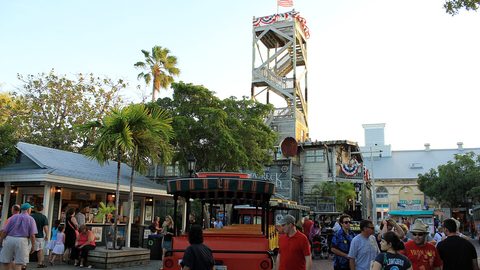 Stock Island
You have found the cheapest beds within reach of Old Town Key West, the freshest dockside seafood on the island chain, and a working waterfront that has not
Stock Island
You have found the cheapest beds within reach of Old Town Key West, the freshest dockside seafood on the island chain, and a working waterfront that has not
-
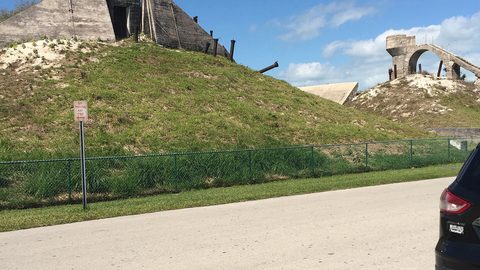 Truman Annex
Most visitors imagine Old Town Key West as one thing: the wood frame houses, the bougainvillea, the walk to Duval.
Truman Annex
Most visitors imagine Old Town Key West as one thing: the wood frame houses, the bougainvillea, the walk to Duval.
-
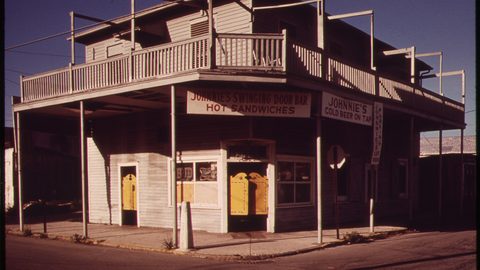 New Town
Key West International Airport sits at the southern edge of New Town. The first thing you see when you fly in is not gingerbread Victorian houses or Duval Str
New Town
Key West International Airport sits at the southern edge of New Town. The first thing you see when you fly in is not gingerbread Victorian houses or Duval Str