What Your Hotel Budget Unlocks in Key West
Key West hotel prices swing wildly by season, and what you get at each band varies more in atmosphere and location than in square footage or thread count.
What Your Hotel Budget Unlocks in Key West
A rooster crows outside your window at 5:17 AM. The floor fan rattles. You share the bathroom with three other rooms, and the key to the front door is on a wooden paddle that feels older than the island itself. This is what the bottom of Key West looks like. It is not a travel hack. It is the reality of paying near minimum for a bed on an island where accommodation eats the largest chunk of your trip before you have even ordered a drink.
This guide shows you what each tier of spending buys, how seasonal patterns shift the value, and where the tradeoffs hide. No dollar figures appear here; those change weekly. What does not change is the experience you get for your money. That is what matters when you book.


Budget Key West Lodging
Even at the low end, Key West is expensive. The budget tier means a shared bathroom, thin walls, and the certainty of roosters. Most of these rooms sit above bars in Bahama Village or on the edges of Old Town, where the live-and-let-live ethos means no one complains about noise at 2 AM. You get a bed, a ceiling fan, and air conditioning that rarely works well. Wi-Fi may reach the hallway but not your pillow.
Who should book this tier? Travelers who plan to be out from breakfast through last call and only need a place to collapse. Anyone who sleeps past sunrise should budget higher. The tradeoff is location: these rooms put you inside Old Town, walking distance to Duval Street and Mallory Square, for the lowest possible rate on the island. What you lose is peace, privacy, and reliable internet.
Key West Accommodation Costs: the Middle Band
What the Middle Tier Delivers
Spend a notch more and you reach the area where most visitors end up. This means a modest inn in Old Town, a private bathroom behind a door that does not quite seal, and continental breakfast served on a shared porch. Walls are thin here too, but the neighbour is less likely to be a bar band and more likely to be another couple doing the same trip as you. Many of these places include afternoon happy hour. That offsets one round of drinks.
The premium at this level buys location: you can walk to the Hemingway Home, the Lighthouse, and the Historic Seaport without needing a ride.
The Downsides You Accept
Parking does not exist at most of these properties. You pay separately for an off-site lot or rely on the Duval Loop free bus. Elevators do not exist either. These are historic conch houses built before lifts were a consideration. A third-floor walkup with a suitcase is a workout. Book this tier for the position in Old Town, not for the room itself. If you want a room that impresses, you need the next level.
Key West Guesthouses vs Resorts: the Top Tier
High-End Inns and B&Bs
The guesthouse-versus-resort decision only matters if you can afford either. Top-tier inns sit in Truman Annex or on quieter blocks of The Meadows, offering gated seclusion, manicured gardens, and pools large enough to swim in. They include what the middle tier lacks: real air conditioning, soundproofing, dedicated parking, and staff who know your name. The tradeoff? You are still in Key West. Even the quietest hideaway sits a ten-minute walk from a bar playing Jimmy Buffett covers at full volume.
When a Resort Makes Sense
Resorts change the game entirely. Casa Marina and the private island of Sunset Key offer the only natural sand beach access in Key West without a park entry fee. You trade Old Town walkability for a pool deck, a proper beach chair, and silence after dark. The ferry to Sunset Key runs on demand. Once you are on the island, the crowds of Duval Street feel like a different world. The downside is distance: you need a bicycle, a ride share, or a car to reach the historic core. Ride share supply drops sharply after midnight.
| Season | Demand Driver | Booking Lead Time | The Tradeoff |
|---|---|---|---|
| Peak (Jan-Mar) | Snowbird migration from northern US and Canada | 6–12 months ahead for Old Town | Highest prices, dense crowds, perfect weather |
| Shoulder (Jun-Aug) | Family summer vacations and domestic road trips | 2–4 months ahead | Higher heat and humidity, lower rates |
| Low (late Aug-Oct) | Hurricane season statistical peak | 2–4 weeks ahead; last minute deals common | Cheapest rates, storm risk, Sargassum smell on beaches |
Key West Hotel Price Seasons in Practice
Peak Season: January Through March
January through March is the high-water mark. Snowbirds fleeing northern winter book these rooms twelve months out. By November, most desirable inns have no weekend openings. Friday and Saturday rates run significantly higher than Sunday through Thursday. Minimum-stay rules of two to three nights are standard at smaller properties. Arrive without a reservation in January and you pay whatever the last room costs. It is not a bargain.
Summer Shoulder: June Through August
Summer brings a different crowd. Families willing to risk afternoon thunderstorms and humidity above 80% find rates that feel almost reasonable. The beaches smell of rotting sargassum on the south shore, but Fort Zachary Taylor remains swimmable with water shoes. Kick back. Walk everywhere. Accept that the weather will do what it does.
Low Season: Late August Through October
Late August through October is the low season for a reason. The heat presses down. Hurricane risk peaks. Fantasy Fest in October can triple rates for that single week. Outside of Fantasy Fest, walk into an inn and negotiate. Last-minute deals are common. Read cancellation policies carefully: the lowest rates are non-refundable prepaid. A storm that does not make landfall still gives you no refund unless the airport closes.
Location Tradeoffs Across Districts
Old Town carries the highest price per square foot on the island. You pay for the ability to stumble from the bar to your bed in under ten minutes. The tradeoff is small rooms, no parking, and the possibility that your window faces a wall three feet away.
New Town offers chain hotels with pools, parking included, and rates that undercut Old Town for an equivalent star rating. The cost is car dependency. The Duval Loop free bus does not reach the big-box retail strip, and taxi fare into Old Town adds up over a four-day stay.
The Casa Marina and South Beach area gives you the only natural sand beach on the island. You trade walking distance to Duval Street nightlife. Stock Island stays unpolished, with working waterfront and local seafood joints serving hogfish sandwiches. Almost no visitor accommodation exists there. Sunset Key removes you from the island entirely. The ferry schedule determines your comings and goings.
The True Cost of Staying in Key West
Fees Beyond the Room Rate
Do not look only at the room rate. Every large hotel and branded property charges a resort fee that covers pool access, beach towels, Wi-Fi, in-room water bottles, and sometimes a welcome drink. Inns and B&Bs rarely add this fee. They also rarely have a pool. Parking is charged separately at most Old Town hotels, while New Town chain hotels tend to include it. On-site valet costs more than off-site self-park lots. Street parking is aggressively enforced.
Taxes, Deposits, and Fine Print
The combined state and county transient rental taxes are substantial. Monroe County Tourist Development Tax and the Local Option Tourist Development Tax stack on top of the Florida state sales tax, applied to both the base room rate and any mandatory fees. The Monroe County Tax Collector publishes the current combined rate. Check it before you budget. A one-night deposit charged at booking is standard. Advance-purchase rates charge the full stay upfront with no refund option.
Pet policies are limited. Some inns and a few chain hotels permit dogs with a per-stay fee; cats are rarely accepted. Check-in age minimums vary: 21 at many properties, 18 at some chains, 25 at select adults-only establishments. Verify your specific property before booking.
Who Should Book Key West and Who Should Not
Key West Is Right For
Key West suits adults who want a walkable historic party town with a Caribbean feel, not a beach resort. It works for LGBTQ+ travellers seeking an openly welcoming destination with a serious bar scene. Water-sports enthusiasts get easy access to fishing, diving, and kayaking. Couples on a romantic long weekend who accept that romance means bar-hopping and not quiet seclusion will love it. History and literature buffs tracing Hemingway and Tennessee Williams will find three days barely enough.
Look Elsewhere If
Key West does not suit families wanting a classic resort beach vacation with calm surf and sandcastles. The beaches are small. The vibe is adult. The aggressive roosters do not keep quiet hours. Budget backpackers will find accommodation and drinks expensive, and the stress of spending more than planned wears down the trip. Anyone who dislikes loud nightlife, crowds, or the smell of cannabis in the street should go somewhere else. Visitors expecting a quiet, secluded island escape are booking the wrong destination.
Common Questions
How far ahead should I book a Key West hotel for peak season?
Six to twelve months for specific properties or any Old Town location. By November, most desirable inns lack weekend availability for the following January through March. Shoulder season requires two to four months. Low season can be booked two to four weeks ahead with last-minute deals.
What is the minimum stay requirement for Key West hotels?
Two to three nights is common during peak season at smaller inns and B&Bs. Some vacation rentals require five to seven nights. Check the property's policy before booking, as minimum stays vary widely by property type and season.
Is parking included at Key West hotels?
Rarely in Old Town. Most Old Town hotels and inns charge separately for parking, with on-site valet costing more than off-site self-park lots. New Town chain hotels often include parking. A rental car is a costly liability unless your accommodation includes a dedicated spot.
Should I book a hotel or a vacation rental in Key West?
Vacation rentals are regulated by the city. Whole-home rentals require a seven-night minimum in most single-family zones, and some residential districts enforce a 28-night minimum. For stays shorter than a week, hotels, inns, and B&Bs are the practical choice.
Read next
-

 Where to Stay in Key West, A District-by-District Comparison
Choosing where to stay in Key West means deciding what you are willing to trade away: quiet for location, character for a parking spot, or your budget for both.
Where to Stay in Key West, A District-by-District Comparison
Choosing where to stay in Key West means deciding what you are willing to trade away: quiet for location, character for a parking spot, or your budget for both.
-
 Flying Into Key West and Getting Out of the Airport
You step off the plane at Key West International Airport and the first thing you notice is the open air.
Flying Into Key West and Getting Out of the Airport
You step off the plane at Key West International Airport and the first thing you notice is the open air.
-
 What to Do in Key West, Ordered by Whether It Is Worth the Time
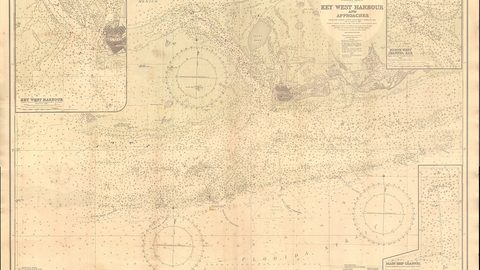
Some Key West landmarks reward the time and money they demand; others leave you standing in a queue wondering why you bothered.
What to Do in Key West, Ordered by Whether It Is Worth the Time
Some Key West landmarks reward the time and money they demand; others leave you standing in a queue wondering why you bothered.
-
 When to Visit Key West and What Each Season Does to the Island
Key West shifts dramatically with the seasons: dry winter crowds, sweltering summer storms, and an October street party that takes over the entire Old Town.
When to Visit Key West and What Each Season Does to the Island
Key West shifts dramatically with the seasons: dry winter crowds, sweltering summer storms, and an October street party that takes over the entire Old Town.
-
 Getting Around Key West Without Wasting Half Your Trip
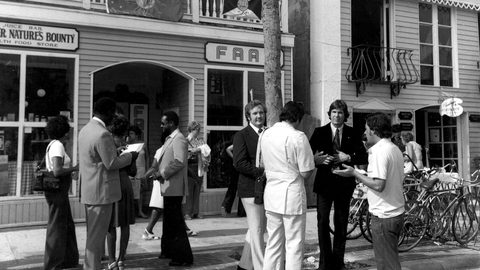
A rental car in Key West is a liability unless your accommodation includes a dedicated spot; walking, biking, and the free Duval Loop bus handle the rest.
Getting Around Key West Without Wasting Half Your Trip
A rental car in Key West is a liability unless your accommodation includes a dedicated spot; walking, biking, and the free Duval Loop bus handle the rest.
-
 How to Spend Two or Three Days in Key West
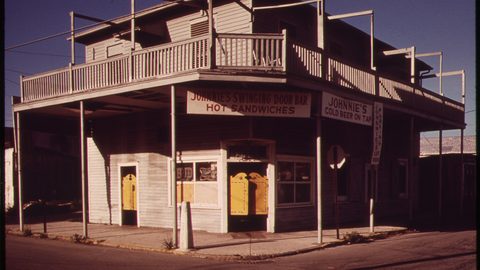
How to structure two or three days in Key West so you see the water, the history, and the neighborhoods beyond Duval Street.
How to Spend Two or Three Days in Key West
How to structure two or three days in Key West so you see the water, the history, and the neighborhoods beyond Duval Street.
-
 United States Travel Guide for First-Timers Who Want the Real Picture
The United States delivers extraordinary geographic and cultural variety, but its sheer scale, car dependency, and tipping economy surprise first-timers. Start here.
United States Travel Guide for First-Timers Who Want the Real Picture
The United States delivers extraordinary geographic and cultural variety, but its sheer scale, car dependency, and tipping economy surprise first-timers. Start here.
-
 Staying Connected While Traveling Through the United States
Prepaid eSIMs work well in US cities, but a physical T-Mobile or AT&T SIM bought at arrival gives better rural coverage for national parks and long highway drives.
Staying Connected While Traveling Through the United States
Prepaid eSIMs work well in US cities, but a physical T-Mobile or AT&T SIM bought at arrival gives better rural coverage for national parks and long highway drives.
-
 Best Time to Visit the United States by Region and Season
The United States spans so many climates that no single season works everywhere. Here is what each region delivers, and when to stay away.
Best Time to Visit the United States by Region and Season
The United States spans so many climates that no single season works everywhere. Here is what each region delivers, and when to stay away.