Key West Districts: Which One Matches How You Actually Travel
Choosing where to stay in Key West means deciding what you are willing to trade away: quiet for location, character for a parking spot, or your budget for both.
You Are Choosing What to Give Up
Every traveller to Key West makes a mistake before they arrive. They book a room on Duval Street because it is the famous address, and they learn at 1am that live music in the old town does not stop at midnight. It stops at 02:00, seven nights a week. The walls of a 19th-century guesthouse do not block bass. That is the trade-off you need to consider before picking a neighbourhood: not which one is best, but what each one costs you.
Key West rewards a clear-eyed decision about your own tolerance for noise, distance, and price. The island is small. You could walk from one end of Old Town to the other in 40 minutes. But the difference between a room on Duval Street and a room in New Town is the difference between rolling out of bed onto the party and needing a bicycle to reach anything worth doing. There is no free lunch here. Every neighbourhood makes you pay in a different currency.

.jpeg)
Old Town Costs You Sleep and Money
Old Town is where the island's character lives. It is the core bounded by Truman Avenue to the north, Whitehead Street to the west, and the White Street Pier area to the east. Within that compact grid you find Mallory Square, the Hemingway Home, the Southernmost Point buoy, and the entire Duval Street corridor. Walking is the primary way to get around here. You will not need a rental car, and you should not bring one: fewer than 40% of Old Town hotels offer on-site spaces, and the nightly charge where it exists is set by each property. The Monroe County Tourist Development Council publishes the rate in force each season. A rental car in Old Town is a liability you pay for.
The Noise Trade-Off
The cost for this convenience is noise. Duval Street between Whitehead and Simonton, Front to Truman, is where most first-time visitors book by default and where the common post-stay regret pattern lives: disturbance after 23:00. Live music venues operate amplified sound until 02:00. If you want quiet, do not book a room on a street that feeds Duval. Look instead at the residential lanes south of Truman Avenue and west of White Street. That quiet zone puts you a 15- to 25-minute walk from Mallory Square and a 10- to 20-minute walk from the Duval bar zone. You trade proximity for peace.
The Financial Cost
Even modest guesthouses in Old Town run several hundred dollars per night in peak season (January through March, and mid-December through April). Add the 12.5% lodging tax, and you are paying resort rates for a room that may lack a pool, parking, or reliable Wi-Fi. Thick walls in older buildings degrade the signal; download offline maps before you arrive.
Duval Street: For The Person Who Stays Out Late
If you are in Key West to drink and you intend to be at the bar until last call, Duval Street lodging is the right decision. You accept the noise because you will be part of it. The trade-off is not a loss for you. But if you plan to be asleep before midnight, book elsewhere. The regret pattern is consistent enough that the city's official website documents it implicitly through its noise ordinance complaints.
Bahama Village And The Meadows: Quieter, Slower, Still Walkable
Bahama Village, west of Duval and south of Petronia Street, feels Caribbean in a way the main drag does not. The streets are quieter, the colour is saturated, and the roosters are loud. The Meadows, north of Truman between White and Margaret, offers grand older homes on leafy lanes. Both require a walk to reach the water and the bars. The walk is short. The reward is a room that does not vibrate. These are the zones where the island's live-and-let-live ethos feels genuine rather than performative.
Truman Annex Costs You Access to the Party
The Truman Annex is a gated former Navy base south of Southard Street between Whitehead and Fort Taylor. It is manicured, exclusive, and quiet. The trade-off is access: you cannot walk out your door and be on Duval Street in three minutes. You can, however, walk through the pedestrian gate at the Southard Street terminus and reach Fort Zachary Taylor State Park beach in 10 minutes. That is the best natural sand beach on the island. It is rocky and requires water shoes. But it is a beach, and it is your closest one.
This zone suits the traveller who values controlled-access grounds and a guaranteed quiet night over spontaneity. You will need to walk or bicycle to reach restaurants and bars. The upside: you are trading proximity for a level of peace that does not exist in any other walkable zone. The downside: the Annex is physically separate from the island's daily life. You are in a compound. If that sounds like a resort vacation, this is the wrong neighbourhood. If it sounds like a relief, this is your answer.
New Town and Stock Island: You Trade Atmosphere for Affordability
New Town runs from North Roosevelt Boulevard through the Flagler Avenue corridor east to the Riviera Canal area. This is where the chain hotels and strip malls live. Nightly rates run 30 to 50% lower than in Old Town for equivalent square footage and amenity level. The Monroe County Tourist Development Council tracks the rate differential by neighbourhood. The trade-off: you need a vehicle or a rideshare to reach Old Town. A bicycle commute to Mallory Square takes 15 to 25 minutes. Ride-share availability drops sharply after midnight, so plan your return. Most New Town motels offer free surface parking, which means you can bring a car without paying the Old Town overnight fee. But a rental car in Key West is only worth the hassle if you are staying outside the old core. Inside it, parking is scarce and aggressively enforced.
Stock Island sits 4.8 kilometres east on US-1. It is a working waterfront: marinas, boatyards, unpolished seafood joints where the hogfish sandwich is the signature dish and the docks are functional, not decorative. The trade-off is convenience. You cannot walk to anything from Stock Island. You need a car or a taxi. What you gain: a local scene that does not perform for tourists, lower rates, and access to backcountry kayaking and fishing charters that depart from the island rather than the Historic Seaport. If your trip is about water sports and seafood, Stock Island is a strategic choice. If your trip is about Duval Street and sunset at Mallory Square, it is the wrong one.
Casa Marina And Smathers Beach: For The Person Who Needs Sand
The Casa Marina resort zone and the Smathers Beach area along South Roosevelt Boulevard and Bertha Street east of Airport Boulevard are the only zones that prioritise beach access. Smathers Beach is man-made and not large, but it is sand, and it has parking. The trade-off is the same as New Town: you are car-dependent for dining and nightlife. This zone works if your primary goal is to sit on a beach and you consider everything else secondary. It does not work if you want walkable bars and galleries.
| District | What You Gain | What You Give Up | Best For |
|---|---|---|---|
| Duval Street Adjacent | Immediate access to nightlife and landmarks | Sleep after 23:00, money, quiet | Bar-hopping weekend, short trip |
| Quiet Old Town (South of Truman) | Walkable peace, historic character | 15-25 min walk to Mallory Square | Couples, history buffs, readers |
| Truman Annex | Controlled quiet, Fort Taylor beach access | Spontaneous access to Duval Street | Travellers who value security and sleep |
| New Town | 30-50% lower rates, free parking | Atmosphere, walkability | Budget-conscious drivers |
| Stock Island | Local seafood, marina access, lower cost | Convenience to Old Town attractions | Anglers, kayakers, sailors |
| Smathers Beach Zone | Sand, on-site parking | Walkable dining and nightlife | Beach-focused travellers |
Sunset Key, the Historic Seaport, and the White Street Gallery District
Sunset Key is a private island accessible only by ferry, home to a single luxury resort. The trade-off is absolute: you give up the island entirely for the promise of seclusion and a view. You cannot walk to Duval Street. You cannot spontaneously join the crowd at Mallory Square for the sunset celebration. You are paying a premium to be physically separate from the destination you travelled to see. That is a romantic choice for a long weekend if you intend to stay on the resort grounds. It is a disappointing choice if you want to explore.
The Historic Seaport, bounded by Greene, Elizabeth, Caroline, and the Bight, is the correct zone for anyone whose trip revolves around water. Charter fishing, dolphin-watch cruises, and snorkel trips to the Florida Reef depart from here. You pay for that access with the same density and noise as the Duval Street corridor. The White Street Gallery District, an artsy pocket with coffee shops and fewer tourists, offers a compromise: walkable, calm, close to the quiet zone south of Truman, but removed from the waterfront and the bar strip. It is a sleeper choice for travellers who want culture and a decent cafe without the crowds.
What Key West Demands of You, and Who Should Pass
Key West is not a lazy beach town. The beaches are small and rocky. Accommodation is expensive. The sun is relentless. The noise, the crowds on cruise ship days, the roaming roosters, and the smell of cannabis on some streets are all part of the package. The destination suits adults seeking a walkable party town with old-school charm. It suits LGBTQ+ travellers looking for an openly welcoming place. It suits water-sports enthusiasts, couples on a bar-hopping long weekend, and anyone tracing the footsteps of Hemingway or Williams. It does not suit families wanting a classic resort beach vacation with calm surf and sandcastles. It does not suit budget backpackers. It does not suit anyone who dislikes loud nightlife, crowds, or the smell of cannabis in the street. It does not suit anyone expecting a quiet, secluded island escape. If you are in the second group, consider a different destination. If you are in the first group, the choice is not which neighbourhood is best. It is which trade-off you can live with.
Frequently Asked Questions
Is there a district where I can walk to everything and still sleep quietly?
Yes, but only if you book in the residential lanes south of Truman Avenue and west of White Street. That quiet zone puts you a 10-20 minute walk from the Duval Street bar zone and a 15-25 minute walk from Mallory Square. You give up immediate proximity for peace.
Should I rent a car if I stay in New Town?
Rent a car only if your New Town accommodation includes free parking, which most motels there do. A vehicle is required for moving between New Town and Old Town points. But remember that parking in Old Town is scarce and aggressively enforced, so use the car to get there and park it for the evening.
When is the cheapest time to visit Key West?
September through early November, corresponding to peak hurricane probability. September is the wettest month by average rainfall. Rates can drop substantially from peak season levels, but you accept heat, humidity, and storm risk. October specifically includes Fantasy Fest week, which triples rates and fills the island; avoid that window if budget is your concern.
Why should I avoid Duval Street adjacent lodging?
Because live music venues operate amplified sound until 02:00, seven nights a week. The common post-stay regret pattern is booking Duval Street adjacent and reporting noise disturbance after 23:00. If you plan to be asleep before midnight, choose a room south of Truman Avenue or west of White Street.
Which district is best for fishing and water sports?
The Historic Seaport zone bounded by Greene, Elizabeth, Caroline, and the Bight, or Stock Island. The Historic Seaport is walkable from Old Town. Stock Island is 4.8 km east on US-1 and requires a vehicle. Both offer direct access to charter fishing, snorkelling, and kayaking.
Do I need a rental car if I stay in Old Town?
No. Walking and bicycles are dominant in Old Town. The Duval Loop free bus circles the district daily. A rental car is a costly liability because fewer than 40% of Old Town hotels offer on-site parking, and the nightly cost can be high. Bring a bicycle or rely on rideshare.
Can I walk from New Town to Old Town?
The distance from central New Town to Mallory Square is roughly 4 km. It is a long walk in the heat. Most visitors use a bicycle, which takes 15-25 minutes, or a rideshare. Ride-share driver availability drops sharply after midnight, so plan accordingly.
Read next
-
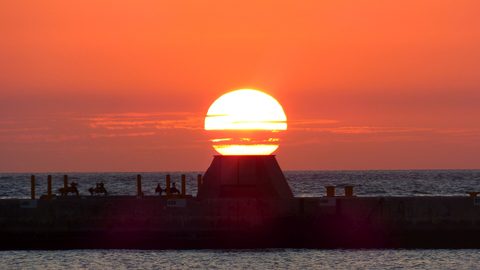
 Key West Hotels, What the Price Bands Actually Get You
Key West hotel prices swing wildly by season, and what you get at each band varies more in atmosphere and location than in square footage or thread count.
Key West Hotels, What the Price Bands Actually Get You
Key West hotel prices swing wildly by season, and what you get at each band varies more in atmosphere and location than in square footage or thread count.
-
 Flying Into Key West and Getting Out of the Airport
You step off the plane at Key West International Airport and the first thing you notice is the open air.
Flying Into Key West and Getting Out of the Airport
You step off the plane at Key West International Airport and the first thing you notice is the open air.
-
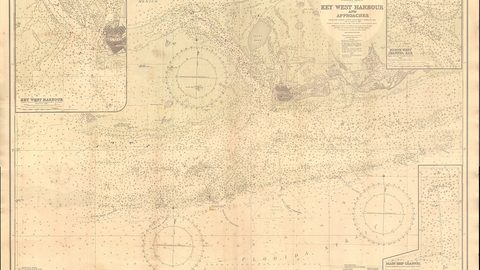 What to Do in Key West, Ordered by Whether It Is Worth the Time
Some Key West landmarks reward the time and money they demand; others leave you standing in a queue wondering why you bothered.
What to Do in Key West, Ordered by Whether It Is Worth the Time
Some Key West landmarks reward the time and money they demand; others leave you standing in a queue wondering why you bothered.
-
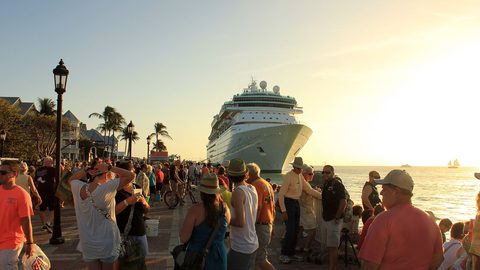 When to Visit Key West and What Each Season Does to the Island
Key West shifts dramatically with the seasons: dry winter crowds, sweltering summer storms, and an October street party that takes over the entire Old Town.
When to Visit Key West and What Each Season Does to the Island
Key West shifts dramatically with the seasons: dry winter crowds, sweltering summer storms, and an October street party that takes over the entire Old Town.
-
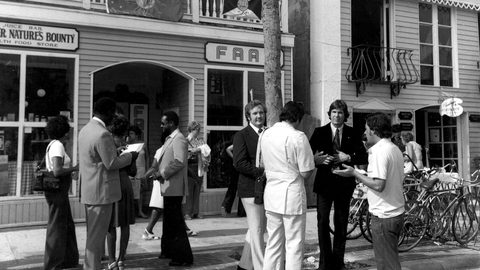 Getting Around Key West Without Wasting Half Your Trip
A rental car in Key West is a liability unless your accommodation includes a dedicated spot; walking, biking, and the free Duval Loop bus handle the rest.
Getting Around Key West Without Wasting Half Your Trip
A rental car in Key West is a liability unless your accommodation includes a dedicated spot; walking, biking, and the free Duval Loop bus handle the rest.
-
 How to Spend Two or Three Days in Key West
How to structure two or three days in Key West so you see the water, the history, and the neighborhoods beyond Duval Street.
How to Spend Two or Three Days in Key West
How to structure two or three days in Key West so you see the water, the history, and the neighborhoods beyond Duval Street.
-
 United States Travel Guide for First-Timers Who Want the Real Picture
The United States delivers extraordinary geographic and cultural variety, but its sheer scale, car dependency, and tipping economy surprise first-timers. Start here.
United States Travel Guide for First-Timers Who Want the Real Picture
The United States delivers extraordinary geographic and cultural variety, but its sheer scale, car dependency, and tipping economy surprise first-timers. Start here.
-
 Staying Connected While Traveling Through the United States
Prepaid eSIMs work well in US cities, but a physical T-Mobile or AT&T SIM bought at arrival gives better rural coverage for national parks and long highway drives.
Staying Connected While Traveling Through the United States
Prepaid eSIMs work well in US cities, but a physical T-Mobile or AT&T SIM bought at arrival gives better rural coverage for national parks and long highway drives.
-
 Best Time to Visit the United States by Region and Season
The United States spans so many climates that no single season works everywhere. Here is what each region delivers, and when to stay away.
Best Time to Visit the United States by Region and Season
The United States spans so many climates that no single season works everywhere. Here is what each region delivers, and when to stay away.