Reaching the Only Living Coral Barrier Reef in the Continental US
The Florida Reef lies miles offshore from Key West, reachable only by boat. Learn about transit times, seasonal water conditions, and what the reef actually
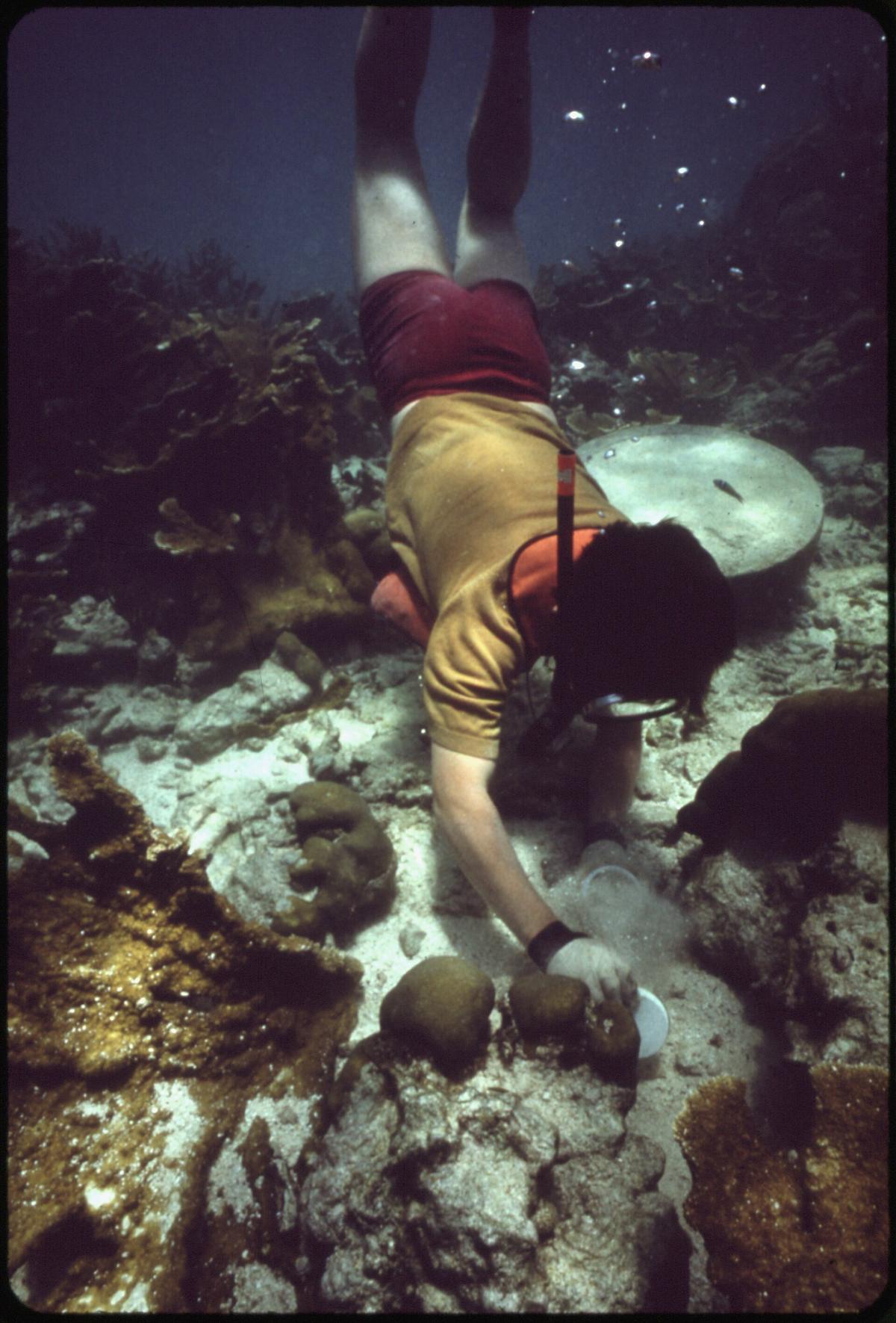

Snorkelling the Florida Reef from Key West Requires a Boat
Most travellers imagine wading out from a sandy beach to reach the coral. That is not how it works here. Key West has no natural sand beach worth snorkelling from, and the only living coral barrier reef in the continental United States lies five to seven miles offshore. Getting there is the point. A Key West reef trip means booking a chartered boat from the Historic Seaport, spending 30 to 45 minutes crossing open water, and entering from a ladder, not the shore. The reef you reach is part of the Florida Keys National Marine Sanctuary, a 2,900-square-nautical-mile protected area established in 1990. What you see once you are in the water is unlike anything available from a beach anywhere in the mainland US.
What a Key West Reef Snorkel Boat Trip Actually Looks Like
A half-day trip runs about three hours total, including transit. Check in 30 to 45 minutes before departure at the Historic Seaport, Garrison Bight, or a resort marina. Most boats are catamarans holding 10 to 40 passengers. Some larger vessels carry over 100. The ride to the reef takes 30 to 45 minutes each way, depending on sea state and the site selected. You spend roughly 60 to 90 minutes actually in the water.
The captain chooses the site the morning of the trip based on wind, current, and visibility. Common sites include Sand Key Reef, about seven miles southwest of Key West, marked by Sand Key Light, an active lighthouse built in 1853. Rock Key Reef lies about five miles south. Eastern Dry Rocks sits about seven miles southeast. Western Sambo Reef is about eight miles southwest. Water depth at these sites ranges from 5 to 25 feet, varying by tide and exact formation.
Boarding and Equipment
Your ticket includes a mask, snorkel, full-foot fins, and an inflatable vest. Most boats require the vest for all swimmers. Wetsuit rental is available in winter. A 3mm shorty or full suit is standard from December through March. From June through October, the water is warm enough without one. Prescription masks are rare. Bring your own if you need one. All boats carry a VHF marine radio, first aid kit, emergency oxygen, and a marine head unless it is a small inflatable holding six passengers. US Coast Guard annual inspection applies to every commercial passenger vessel.
Entry and In-Water Experience
You enter from a ladder or platform at the stern. Diving from the deck is not allowed. The guide enters the water with the group and checks current before releasing anyone. Buddy system is standard. Crew on deck watch the group from above. You float over spur-and-groove formations and patch reefs, not a single wall of coral. Depth is shallow enough to see clearly from the surface. Maximum depth for swimmers is about 25 feet at the deepest accessible formations, and as shallow as 3 to 5 feet over coral heads. Do not stand on the coral. Touching coral kills polyps. Gloves are prohibited in sanctuary waters. Do not feed fish. Do not collect anything alive. Empty shells without a protected species inside are the only things you can take.
What You See
More than 45 species of stony coral grow in the Florida Reef Tract, including brain coral, star coral, elkhorn coral, sea fans, and sea rods. Elkhorn and staghorn coral are federally listed as threatened under the Endangered Species Act. Over 500 fish species swim in the Keys reef ecosystem. You will likely see parrotfish, angelfish, grunts, snappers, barracuda, and damselfish. Green, loggerhead, and hawksbill turtles appear at these sites. Nurse sharks are common and non-aggressive. Lionfish are an invasive species present here and targeted for removal by dive crews and sanctuary programs. Coral cover has declined due to bleaching, disease, and hurricanes. Stony coral tissue loss disease, first observed in Florida in 2014, remains active in the Key West area and affects multiple species. The Eastern Dry Rocks site is an active coral outplanting location under the Mission: Iconic Reefs program, though restoration progress changes annually.
Key West Reef Conditions by Season
Visibility ranges from 30 to 80 feet, and the number changes day to day based on wind, tide, and recent weather. Winter and early spring, roughly January through March, offer the best visibility when wind allows. The trade-off is wind. Winter brings stronger northeast winds, with cold fronts passing every 7 to 14 days. Those fronts whip up chop and reduce visibility. Between cold fronts, calm windows produce excellent clarity. Water temperature in January and February drops to approximately 70°F, the coolest of the year. That is when a 3mm wetsuit shifts from optional to recommended.
Late spring through early summer, May through July, offers the calmest water. The afternoon thunderstorm pattern has not yet peaked, and the wind is lighter. Visibility remains good but not as sharp as a winter calm day. Water temperature climbs through the 70s into the low 80s. By August and September, water temperature peaks around 86°F, the warmest of the year. This is also the peak of hurricane season, June 1 through November 30. Squalls can cancel trips. The risk of coral bleaching, driven by warm water, is highest July through October. Coral spawning happens annually in August and September, timed to the lunar cycle. Dedicated divers sometimes book around it. A casual half-day snorkel trip does not reliably encounter it.
October through November sees fewer crowds and lower hotel rates, but also carries hurricane risk through the end of November. Water is still warm enough to snorkel without a wetsuit in October. Visibility after a storm can take days to clear. If your trip is weather-dependent, build flexibility into your schedule. The cancellation rate is highest in winter cold fronts and summer squalls. The pattern repeats annually.
Snorkeling from Key West Seaport: the Practical Details
The Historic Seaport on the harbour side of the island is the main departure point for reef trips. Find it at the foot of Greene Street, a short walk from Duval Street. Paid parking is available nearby but fills quickly in peak season. Arrive by foot, bicycle, or ride-share if possible. The Duval Loop free bus stops within a block of the seaport. About 15 to 25 licensed companies run trips from Key West, with boats ranging from 6-passenger rigid inflatables to catamarans carrying over 100. Morning departures, around 8:30 to 9:00 AM, have the advantage of calmer wind and better visibility before the afternoon sea breeze picks up. Afternoon departures from June through September carry a higher chance of thunderstorms.
Most trips include water and light snacks. Alcohol service varies by boat. Some serve drinks only after swimming is finished. Sun protection matters. Key West banned the sale of sunscreen containing oxybenzone and octinoxate within city limits. Only reef-safe sunscreen is legally sold here. Bring a rash guard or wear the wetsuit as a physical block. The combination of open water reflection and tropical sun causes burns faster than beachgoers expect.
Seasickness is a real risk on the 30- to 45-minute crossing. Winter chop and summer swell make it worse. If you are prone to motion sickness, take medication 30 to 60 minutes before departure. Ginger chews or pressure bands are a backup, not a replacement for dramamine if you need it. Most boats have a marine head, but using it in chop is awkward. Skip the heavy breakfast. Book in advance December through April, the peak visitation season for Key West, when trips fill. Same-day booking is possible September through November, the lowest visitation season, but captains may cancel lightly booked departures.
Florida Keys Coral Reef Access: Inner Reefs Versus Outer Formations
The Florida Reef Tract is not one uniform wall. It has distinct zones, and the captain picks which one to visit based on water state. You need to know what each zone offers because it changes what you see and how you experience the water.
Inner Patch Reefs
Patch reefs sit closer to shore, in shallower water, often inside the line of the outer barrier. Depth ranges from 3 to 15 feet. These are the sites most accessible to beginner swimmers. The coral grows in isolated heads and bommies separated by sand channels. You see the same fish species, parrotfish, angelfish, grunts, but the formations are less dramatic than the outer reef. Visibility in patch reef areas is more affected by wind because the water is shallow enough to stir sediment. If the outer reef is too windy, the captain may substitute a patch reef site instead. That is not a downgrade. Patch reefs are where you see juvenile fish and sea turtles more reliably.
Outer Spur-and-Groove Formations
The outer barrier reef, exposed to open ocean, develops a spur-and-groove structure. Spurs are ridges of coral, often elkhorn and staghorn, separated by grooves of sand or rubble. The structure runs perpendicular to the prevailing current and wave direction. Depth at these sites ranges from 10 to 25 feet. This is where you get the classic coral reef experience: walls of brain coral, large sea fans swaying in the surge, and the sense of floating over a living topography. The grooves channel water, creating currents of 0.5 to 2 knots. Check with the guide before entering whether the current is manageable for your ability. Sand Key Reef and Western Sambo Reef are spur-and-groove sites. The lighthouse at Sand Key sits on a shallow platform surrounded by these formations.
No-take zones exist within the sanctuary, meaning no fishing or spearfishing allowed. Most recreational spearfishing with a permit is prohibited in sanctuary waters. Lobster and conch harvest are not permitted on snorkel trips. If you want to fish, book a separate fishing charter. The mooring buoy system, with more than 490 buoys sanctuary-wide, prevents anchor damage. Boats must tie to a buoy where provided. Anchoring on coral is prohibited. If there is no buoy, the boat must anchor in sand only.
Key West Snorkeling Florida Reef: What No One Tells You Before You Go
The three-hour trip includes 30 to 45 minutes of transit each way. That means you are actually in the water for about 60 to 90 minutes. Plan your day around that, not around an all-morning reef experience. Bring water and drink it. Saltwater accelerates dehydration. Do not wear sunscreen that washes off into the water. The sanctuary recommends physical blockers like zinc oxide in a non-nano formulation, or cover up with a rash guard. The most common mistake first-time swimmers make here is skipping the mask defog. Boats provide defog solution or recommend saliva. Many people forget and spend the first ten minutes clearing a fogged mask.
The water entry method is a ladder descent from the moored vessel. If you have limited mobility, call the boat ahead of time. Most vessels are not wheelchair accessible. Minimum age for most commercial trips is 5 to 8 years, varying by company. Infants may be allowed with a parent but must wear a US Coast Guard-approved flotation device. Pregnant travellers need medical clearance from the captain. Recent surgery, respiratory issues, and heart problems may require a doctor's note. If you are prone to ear pain when descending below 10 feet, equalise early and often. The deepest spur-and-groove formations reach about 25 feet, enough to feel pressure if you descend.


What Distinguishes Reef Snorkeling from Key West from Shore Snorkeling
There is no shore snorkelling on the reef, because the reef does not reach Key West. The shoreline here is rocky or man-made. The only natural sand beach worth swimming from is at Fort Zachary Taylor Historic State Park, and it enters a sandy bottom, not coral. You see fish there, but you see reef fish because the water is clear, not because the reef is present. Key West is a seaport for accessing the reef, not a beach town sitting on top of it. The difference is fundamental. You cannot roll out of your guesthouse, walk across a beach, and snorkel the Florida Reef. You must commit to a boat trip of at least three hours and pay the charter cost.
The distinction matters for planning. A half-day reef trip uses one of your three minimum days on the island. If you are here for only two nights and spend one morning on a boat, you have one day left for Old Town landmarks and quieter neighborhoods like Bahama Village or The Meadows. Do not book the trip on your departure day. Boat delays happen. Do not book it for the afternoon if you have a flight the same evening. The final thing that most often goes wrong: travellers arrive in Key West expecting a cheap, lazy beach town, then spend half their trip sticker-shocked by the cost of a snorkel trip that does not even leave from a beach. Budget for the boat. Budget for the full day it requires. Do not skip the reef because of the hassle. It is the only living coral barrier reef in the continental United States. You have to leave Key West to reach it.
Failure Case: When the Reef Trip Does Not Happen
Weather cancels trips. The highest risk periods are winter cold fronts, summer squalls, and tropical storms or hurricanes from June through November. If the captain cancels, you get a refund or reschedule. If the captain decides the outer reef is too rough and substitutes a calm-water site inside the harbour or along the lee side of the island, you still go, but you do not see the reef. Decide ahead of time whether a harbour swim is acceptable or whether you want to wait for better water and try again the next day. If you have only one day for water activities, book the morning departure to give yourself the afternoon to find another boat if the first cancels. Keep the captain's phone number and check the weather forecast before you head to the seaport. The most common failure case is a traveller who books a Friday departure, the trip cancels, and they fly home Saturday morning having spent the entire trip on Duval Street.
Read next
-
 Key West Hotels, What the Price Bands Actually Get You
Key West hotel prices swing wildly by season, and what you get at each band varies more in atmosphere and location than in square footage or thread count.
Key West Hotels, What the Price Bands Actually Get You
Key West hotel prices swing wildly by season, and what you get at each band varies more in atmosphere and location than in square footage or thread count.
-
 Where to Stay in Key West, A District-by-District Comparison
Choosing where to stay in Key West means deciding what you are willing to trade away: quiet for location, character for a parking spot, or your budget for both.
Where to Stay in Key West, A District-by-District Comparison
Choosing where to stay in Key West means deciding what you are willing to trade away: quiet for location, character for a parking spot, or your budget for both.
-
 Flying Into Key West and Getting Out of the Airport
You step off the plane at Key West International Airport and the first thing you notice is the open air.
Flying Into Key West and Getting Out of the Airport
You step off the plane at Key West International Airport and the first thing you notice is the open air.
-
 What to Do in Key West, Ordered by Whether It Is Worth the Time
Some Key West landmarks reward the time and money they demand; others leave you standing in a queue wondering why you bothered.
What to Do in Key West, Ordered by Whether It Is Worth the Time
Some Key West landmarks reward the time and money they demand; others leave you standing in a queue wondering why you bothered.
-
 When to Visit Key West and What Each Season Does to the Island
Key West shifts dramatically with the seasons: dry winter crowds, sweltering summer storms, and an October street party that takes over the entire Old Town.
When to Visit Key West and What Each Season Does to the Island
Key West shifts dramatically with the seasons: dry winter crowds, sweltering summer storms, and an October street party that takes over the entire Old Town.
-
 Getting Around Key West Without Wasting Half Your Trip
A rental car in Key West is a liability unless your accommodation includes a dedicated spot; walking, biking, and the free Duval Loop bus handle the rest.
Getting Around Key West Without Wasting Half Your Trip
A rental car in Key West is a liability unless your accommodation includes a dedicated spot; walking, biking, and the free Duval Loop bus handle the rest.
-
 Ernest Hemingway Home and Museum
The house at 907 Whitehead Street gives you two distinct waits: one to buy your ticket and another to start your guided tour.
Ernest Hemingway Home and Museum
The house at 907 Whitehead Street gives you two distinct waits: one to buy your ticket and another to start your guided tour.
-
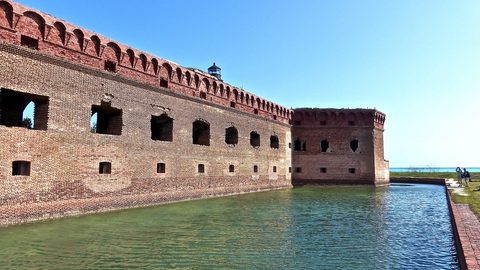 Dry Tortugas National Park
A Dry Tortugas day trip from Key West takes a full day and requires booking weeks ahead.
Dry Tortugas National Park
A Dry Tortugas day trip from Key West takes a full day and requires booking weeks ahead.
-
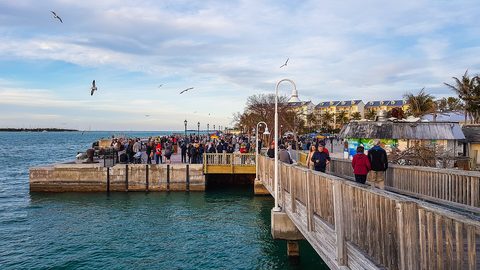 Mallory Square Sunset Celebration
The Mallory Square Sunset Celebration is a free nightly street festival in Key West.
Mallory Square Sunset Celebration
The Mallory Square Sunset Celebration is a free nightly street festival in Key West.