Navigating Chile Visa Requirements and the Border Entry Process
Most Western passport holders enter Chile visa-free but receive a PDI receipt on arrival—losing it prevents hotel check-in and exit.
Chile Visa Requirements: Who Needs a Visa and What You Get at the Border
Most Western passport holders do not need a visa in advance. Citizens of the United States, Canada, the United Kingdom, the European Union, Australia, New Zealand, and dozens of other countries listed below enter visa-free for up to 90 days. Australia is the exception, which triggers a separate reciprocity fee on arrival.
What catches every traveler off guard is the piece of paper handed to you after the immigration officer stamps your passport: the PDI receipt. That fragile slip is your proof of legal entry. Hotels demand it at check-in. Lose it, and you face a bureaucratic crawl to leave the country.
Chile does not issue visas on arrival and does not offer e-visas. If your passport belongs to a country not on the visa waiver list, apply at a Chilean consulate before traveling. The official sources for all entry rules are the Ministerio de Relaciones Exteriores de Chile (minrel.gob.cl) and the Servicio Nacional de Migraciones (serviciomigraciones.cl). Your passport must be valid for six months beyond your date of arrival for most nationalities, though Mercosur associated states may enter with a national ID card and a passport valid at time of entry. Immigration officers may request proof of onward travel, accommodation bookings, and proof of funds. Carry printed or digital copies of your return ticket and your first night's hotel booking.
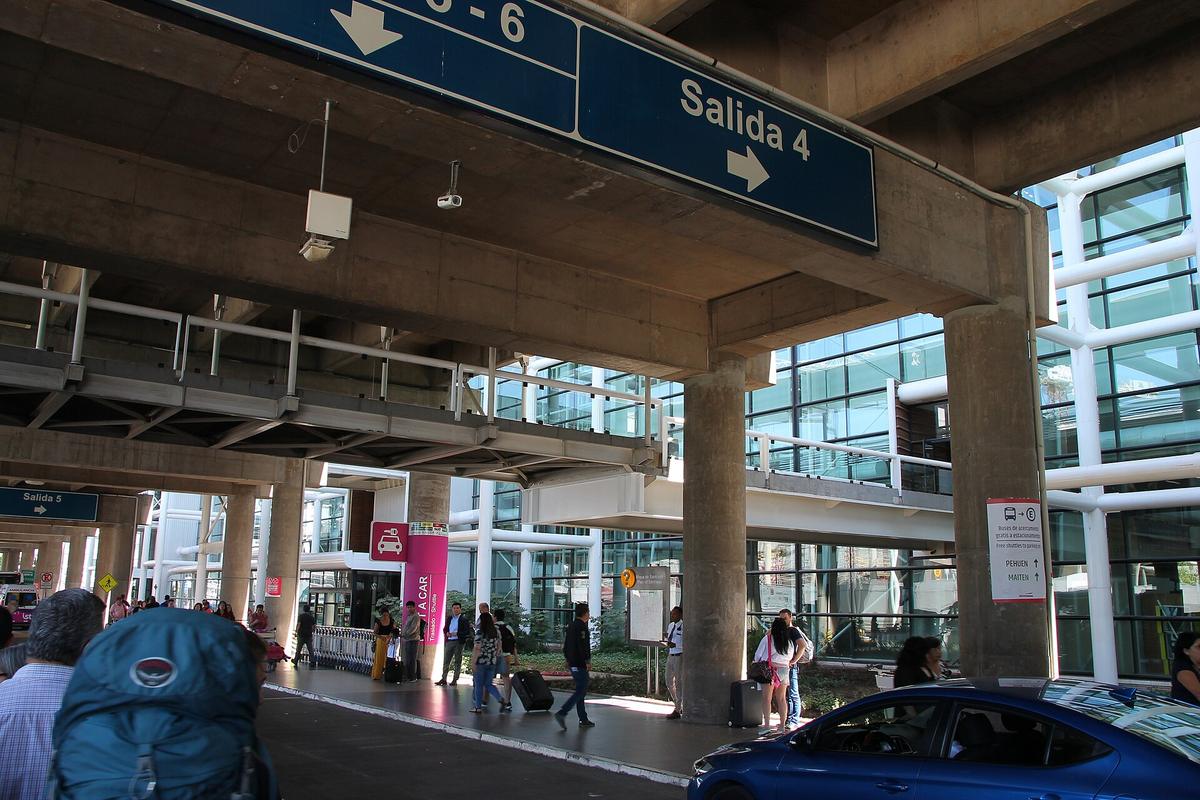

What Happens at Immigration: Fingerprints, Photos, and the PDI Slip
The Australian Reciprocity Fee: the One Exception Among Western Passports
Australians face a cost that no other Western passport holder does. The reciprocity fee is a single-entry charge applied only to Australian tourism passport holders arriving by air at Arturo Merino Benítez International Airport in Santiago. Pay it at a dedicated counter near immigration before you join the main queue. The fee is valid for the life of your passport. A single payment covers multiple entries until your passport expires. The exact amount changes annually; check the Australian Department of Foreign Affairs and Trade Smartraveller page or the Chilean Ministry of Foreign Affairs for the current figure. No other nationality pays this.
Holders of Australian passports arriving by land from Argentina, Bolivia, or Peru do not pay the fee. The rules on that route have changed in previous years, so confirm at the border in advance. The fee applies only to tourism. Diplomatic, official, and child passport holders are exempt.
| Nationality Group | Max Stay | Conditions and Notes |
|---|---|---|
| EU Member States, Andorra, Iceland, Liechtenstein, Monaco, Norway, San Marino, Switzerland, Vatican City, UK (British Citizen), USA, Canada, New Zealand, Japan, South Korea, Singapore, Israel, Malaysia, Mexico, South Africa, Turkey, UAE, and dozens more | 90 days | No visa, no fee. PDI receipt issued on arrival. Onward ticket may be requested. |
| Australia | 90 days | Visa-free entry. Reciprocity fee paid at Santiago airport on first entry. Fee valid for life of passport. Pay before passport control. |
| Argentina, Bolivia, Brazil, Colombia, Ecuador, Paraguay, Peru, Uruguay (Mercosur Residence Agreement) | 90 days (extendable) | Enter with national ID card. May extend once for 90 days at Departamento de Extranjería. |
| Cuba | 60 days | Visa-free. PDI receipt issued. |
| Belize, Dominica, Grenada, Haiti, Kenya, Saint Kitts and Nevis, Saint Lucia, Saint Vincent and the Grenadines, São Tomé and Príncipe, Seychelles | 30 days | Visa-free. PDI receipt issued. |
| Venezuela | 90 days | Visa-free but requires prior electronic registration (visa de responsabilidad democrática or similar pre-authorization). Confirm before travel. |
| All other nationalities | Visa required | Apply at a Chilean consulate before departure. No visa on arrival, no e-visa. Passport validity and supporting documents per consulate. |
Chile Entry Documents: What You Need in Your Hand at the Counter
At the immigration desk, have your passport valid for six months beyond arrival, your boarding pass or onward ticket (printed or on your phone), and a printed hotel reservation for your first night. The officer may ask for proof of funds. A bank statement or credit card is sufficient. Have a number in mind if asked.
The officer keeps your passport for a minute while processing your PDI slip. Do not put it away until you have both documents back. The tourist card is not a separate document for most nationalities; the PDI receipt functions as your entry record and your proof of legal stay. Some older guides mention a separate tourist card, but the current system centralises that data in the PDI receipt. For visa-waiver nationals, the receipt is your tourist card.
Arriving By Land
For travelers entering from a neighboring country by land, the same documents apply and the same PDI receipt is issued at the border post. At major crossings like Paso Los Libertadores (Mendoza to Santiago) or the crossing from Bolivia at Tambo Quemado, expect a queue of one to three hours during peak summer months. Bring water and your printed documents. Mobile signal at those border posts is absent.
.jpg)
Chile PDI Receipt Rules: How to Avoid a Bureaucratic Nightmare
The PDI receipt rules are absolute. Keep the physical paper. Hotels will not accept a photograph. If you lose it, visit the PDI office in Santiago (address: Avenida General Bulnes 630, Santiago Centro) or the local police station in your city to file a report and request a reissue. The process costs roughly CLP 5,000 and takes two to three hours.
If you lose it on your last day and realize the loss at the airport, you may be denied boarding until you produce it or obtain a replacement. Airport PDI offices exist but are small and not staffed at all hours. Do not put the receipt in a checked bag, a bag you leave in the hotel room while you go out, or a pocket that can fall out when you sit down. The safest method is a passport wallet with a clear sleeve that holds the receipt against the back cover, visible on opening without unfolding.
Visa Extensions and Overstay Penalties
To stay longer than 90 days, extend your tourist visa once for an additional 90 days. Apply at a Departamento de Extranjería office within Chile before your first 90 days expire. The fee is set annually. Overstaying triggers a fine calculated per day of overstay, paid at immigration before departure. The fine amount also changes annually, so check with the Servicio Nacional de Migraciones before your flight if you expect to overstay. Do not assume the airline will let you board with an overstay; many carriers check entry validity at check-in.
Frequently Asked Questions About Chile Entry Documents
Do I need a visa for Chile if I am from the US or UK?
No. US and UK citizens enter visa-free for up to 90 days. You receive a PDI receipt on arrival. No fee applies.
What is the PDI receipt and why do hotels ask for it?
The PDI receipt is a paper slip issued by immigration at entry. Hotels are legally required to register you with the PDI using that receipt. Without it, the hotel may refuse check-in.
What happens if I lose my PDI receipt?
Visit a PDI office to file a police report and request a duplicate. The process takes two to three hours and costs about CLP 5,000. A phone photo is not acceptable.
Do Australians have to pay a fee at the border?
Yes. Australian passport holders arriving by air at Santiago airport pay a single-entry reciprocity fee. The fee covers the life of your passport. No other nationality pays this.
Can I get a visa on arrival in Chile?
No. Chile does not issue visas on arrival and does not offer e-visas. If your country is not on the visa waiver list, apply at a Chilean consulate before travel.
What documents do I need to show at Chilean immigration?
A passport valid for six months beyond arrival, proof of onward travel or a return ticket, and sometimes proof of accommodation and funds. Have a printed or digital copy of your first night's hotel and your outgoing flight.
Can I extend my 90-day tourist visa?
Yes, once for an additional 90 days. Apply at a Departamento de Extranjería office before your initial 90 days expire. A fee applies, set annually.
Read next
-

 Staying Connected in Chile, eSIM, Local SIM, or Offline Maps
How to get online in Chile: the RUT barrier for local SIMs, the eSIM alternative, and where on the Carretera Austral and in the Atacama you will have zero signal.
Staying Connected in Chile, eSIM, Local SIM, or Offline Maps
How to get online in Chile: the RUT barrier for local SIMs, the eSIM alternative, and where on the Carretera Austral and in the Atacama you will have zero signal.
-
 Best Time to Visit Chile by Region and What Each Season Actually Delivers
Chile spans three climate zones: Patagonia peaks in summer, the Atacama can flood in January, and Fiestas Patrias shuts the country in September.
Best Time to Visit Chile by Region and What Each Season Actually Delivers
Chile spans three climate zones: Patagonia peaks in summer, the Atacama can flood in January, and Fiestas Patrias shuts the country in September.
-
 Getting Around Chile Without Underestimating the Map
Chile's long-distance buses are comfortable but slow, and flying between the Atacama and Patagonia means backtracking through Santiago every time.
Getting Around Chile Without Underestimating the Map
Chile's long-distance buses are comfortable but slow, and flying between the Atacama and Patagonia means backtracking through Santiago every time.
-
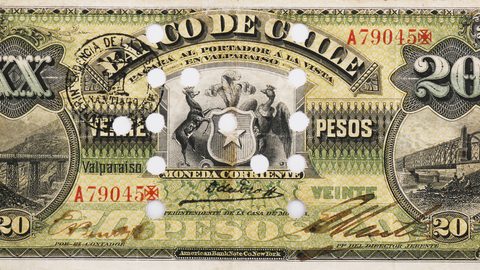 Cash and Cards in Chile, Where the Peso Still Rules
Cards work in Chilean cities but rural buses and Patagonian guesthouses still demand cash, and ATMs in remote towns run out on weekends.
Cash and Cards in Chile, Where the Peso Still Rules
Cards work in Chilean cities but rural buses and Patagonian guesthouses still demand cash, and ATMs in remote towns run out on weekends.
-
 Chile Safety Advice Without the Overblown Warnings
Chile is safer than most of Latin America, but Patagonian wind destroys tents and car doors, and remote roads mean help is far away.
Chile Safety Advice Without the Overblown Warnings
Chile is safer than most of Latin America, but Patagonian wind destroys tents and car doors, and remote roads mean help is far away.
-
 What a Trip to Chile Actually Costs, Shaped by Region and Season
How a Chile trip budget is shaped by region and season, from Patagonia's supply-driven premiums to the Atacama's tour-dependent costs and the Central Valley's
What a Trip to Chile Actually Costs, Shaped by Region and Season
How a Chile trip budget is shaped by region and season, from Patagonia's supply-driven premiums to the Atacama's tour-dependent costs and the Central Valley's
-
 A Ground-Level Logistics Guide to Independent Travel in China
First-time independent travel in China: what you need to know about visas, rail booking, eSIMs, mobile payments, and power adapters.
A Ground-Level Logistics Guide to Independent Travel in China
First-time independent travel in China: what you need to know about visas, rail booking, eSIMs, mobile payments, and power adapters.
-
 How Solo Travelers Stay Ahead of Flight Delays and Cancellations
How solo travelers can track inbound aircraft, claim rebooking rights, and adjust ground transport when flights go wrong — step by step.
How Solo Travelers Stay Ahead of Flight Delays and Cancellations
How solo travelers can track inbound aircraft, claim rebooking rights, and adjust ground transport when flights go wrong — step by step.
-
 Why Your eSIM Might Not Work Abroad and How to Check Before You Go
Buying an eSIM doesn't guarantee signal abroad. Learn why coverage fails by location and how to verify reach before you commit to a plan.
Why Your eSIM Might Not Work Abroad and How to Check Before You Go
Buying an eSIM doesn't guarantee signal abroad. Learn why coverage fails by location and how to verify reach before you commit to a plan.