Chile Safety Travel Advice Beyond the Headlines
Chile is safer than most of Latin America, but Patagonian wind destroys tents and car doors, and remote roads mean help is far away.
Staying Safe in Chile: What the Statistics Leave Out
At 6:30 AM on the Carretera Austral, the wind slams into your rental car so hard that when you open the driver's door, it rips backward off the hinge and hangs there, bent metal, a recovery to Coyhaique your only option. That moment, not a pickpocket in the capital, is the real safety failure for most visitors. Chile is not a high-risk country for violent crime. It is a high-risk country for a specific set of physical and logistical hazards that the State Department advisories barely mention.
Santiago Street Crime: Real but Proportional
Phone snatching and bag theft in the capital are real and they have increased. The primary targets are phones held loosely in hand on the micro or at crosswalks in Santiago Centro and the Metro. Keep your phone in a zipped front pocket or an interior jacket pocket. Do not put your bag on the back of a chair in a Providencia cafe. The chance of physical confrontation is low. Almost all incidents are opportunistic and non-violent. The statistics look worse than the experience for the traveller who stores their phone, walks with purpose, and leaves the watch at home.
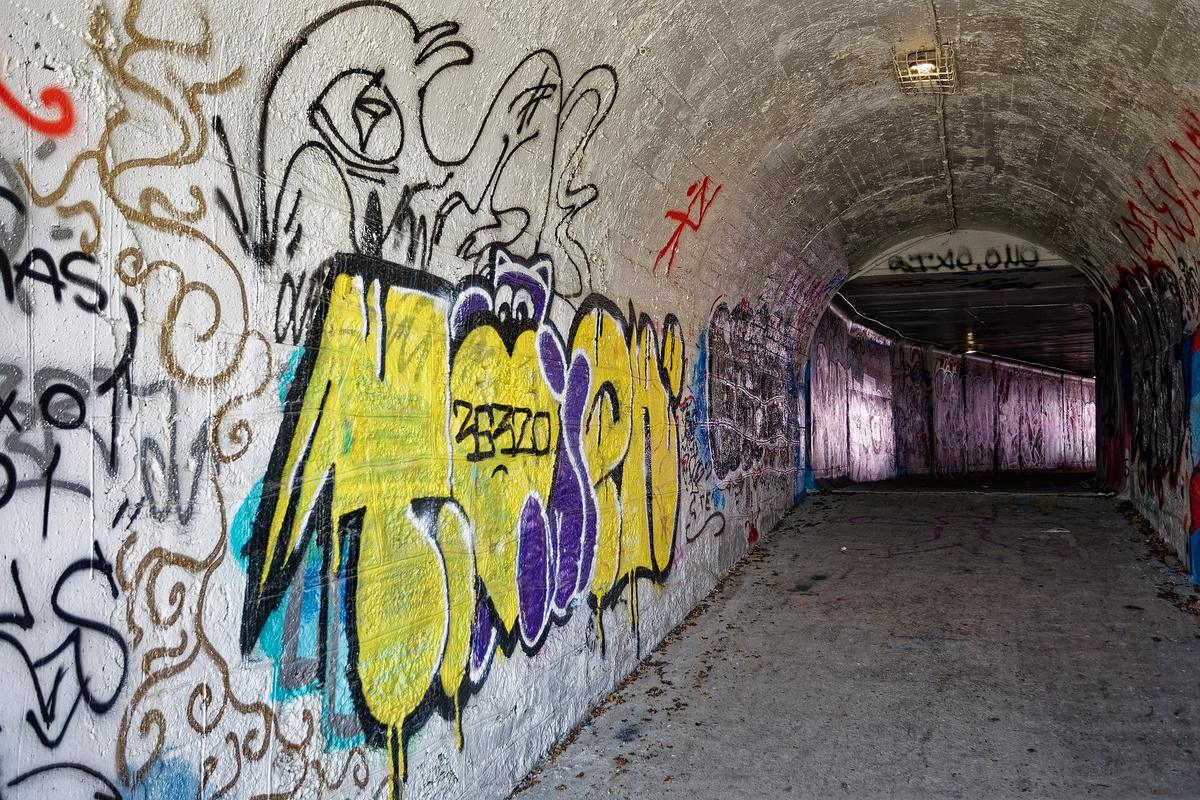

Street Crime in the Capital: the Actual Playbook
The zone to watch is the area around Plaza de Armas, Metro line 1 during peak hours (08:00-09:30 and 17:30-19:30), and the Estación Central bus terminal. A common tactic is the 'spilled liquid' distraction: someone 'accidentally' spills a drink on you, and while you react, an accomplice takes your bag. Walk away without engaging. Do not let anyone 'help' you with luggage at the airport terminal exit unless you have pre-booked an official taxi from the counter. The cheaper option, the Centropuerto bus to Los Héroes, is safe but crowded: keep your bag on your lap, not on the seat beside you.
Patagonia Wind Hazard: the Thing That Actually Hurts You
The Patagonia wind hazard is not a mild breeze. Gusts over 100 km/h are normal in summer in Torres del Paine and on the Carretera Austral. This is a physical force that can rip a car door off its hinges if you open it into the wind, shred a lightweight tent, knock you off balance on a narrow trail edge above a drop, and sandblast your skin. Do not bring a two-season trekking tent. Bring a four-season expedition model. The failure case is a traveller who parks facing into the wind, opens the door on the windward side, and watches the hinge tear. Park with the wind at your back. Always open the leeward door. Check the wind forecast on Windy.com or the Chilean Meteorological Directorate app before any day hike in Torres del Paine.
| Risk Type | What It Is | How To Avoid It | How Often It Happens |
|---|---|---|---|
| Street theft in the capital | Phone snatching, bag theft | Zipped pocket, no phone in hand on micro | Daily, but low violence |
| Patagonia wind damage | Car door torn off, tent destroyed | Park leeward, use 4-season tent | Every windy day, common |
| Altitude sickness | Headache, nausea, pulmonary edema | Acetazolamide script, 2-day gradual ascent | Frequent above 3,500 m |
| Car break-in | Smash window, stolen luggage | Visible zero in car, park in guarded lot | Urban zones only |
Car Break-In Prevention: Do Not Leave it Visible
Car break-in prevention is straightforward: leave nothing visible in the car. Not a jacket. Not a water bottle. Not a phone charger cable. The risk is highest in urban street parking in Santiago, Valparaíso, and Viña del Mar, and at trailhead parking lots near popular day hikes like Cajón del Maipo and the Villarrica volcano base. Use only guarded parking lots with an attendant (estacionamiento con vigilancia). The failure case: you park on the street in Providencia with a backpack on the back seat, come back in 10 minutes, and the window is smashed. The carabineros will file a report. The contents will not return.
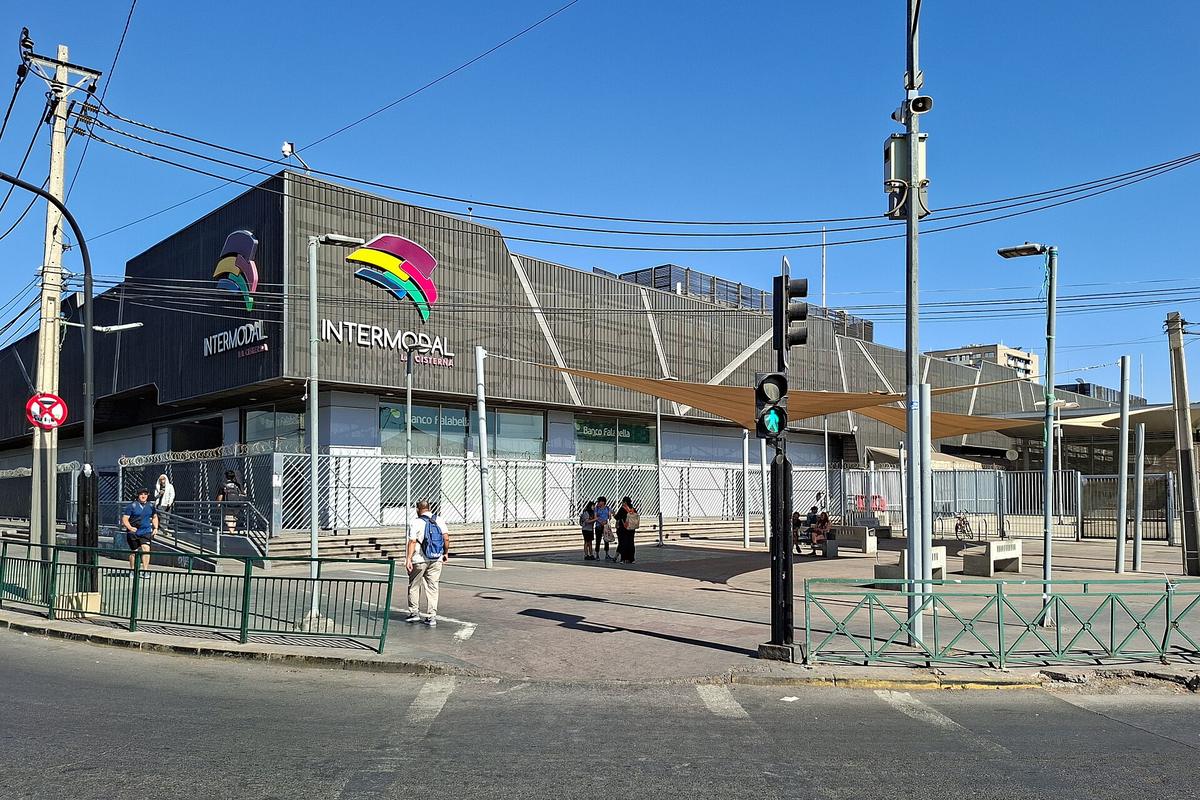

Solo Travel Safety: the Real Issue is Isolation, Not People
Solo travel safety in Chile is excellent from a crime perspective. Solo travellers, including women, move through Santiago, Valparaíso, and the Lake District without regular harassment. The problem is the psychological and logistical isolation of the Carretera Austral and the Atacama interior. On the Carretera Austral, fuel stations are hundreds of kilometres apart south of Coyhaique. There is zero mobile signal for entire days. If your rental car breaks down and you have no satellite communicator, you wait until another vehicle passes. That may take hours. The solution: rent a Garmin InReach or Zoleo satellite messenger, available at rental agencies in Puerto Montt and Coyhaique. Download all maps and park permits offline on your phone before leaving a town with WiFi. Carry two spare fuel containers if driving a petrol car. The water in the Patagonia backcountry requires treatment for Giardia and other pathogens; boil it or use a SteriPEN.
The Under-Discussed Hazards Beyond Crime
Altitude Sickness at El Tatio and the Altiplano
El Tatio Geysers sit at 4,320 m. The altitude sickness risk zone in Chile starts at 2,500 m and includes San Pedro de Atacama, the Elqui Valley high reaches, and Lauca National Park near Arica. Symptoms: headache, nausea, and shortness of breath. Spend two nights in San Pedro de Atacama before going higher. Acetazolamide (Diamox) is available in Chilean pharmacies with a prescription; see a travel doctor before departure. The failure case: a traveller flies from Santiago to Calama and drives straight to El Tatio the next morning, ending up vomiting and unable to walk. Skip the pre-dawn tour if you feel symptomatic. The sun exposure at this altitude is extreme UV index due to the ozone hole effect. SPF 50+ and a wide-brim hat are not optional.
Patagonia Weather: Four Seasons in One Day
The wind is the headline. The rapid weather changes are the secondary hazard. A clear blue sky at 09:00 can turn into horizontal rain and gale-force winds by 11:00 in Torres del Paine. The Base Las Torres lookout hike, an 8-to-10-hour round trip, requires four layers even in December: a base layer, a fleece, a waterproof shell, and a windproof outer. Lightweight waterproof jackets wet through in 20 minutes of Patagonian rain. Gore-Tex or equivalent is the minimum standard. The Grey Glacier kayak trip requires the operator to cancel if wind exceeds 30 knots; ask the company about their cancellation policy before booking.
Driving in Remote Regions: Fuel and Checkpoints
The Carabineros de Chile maintain frequent traffic checkpoints on Ruta 5 and at regional boundaries, especially in Araucanía and Aysén. They will ask for your International Driving Permit, passport, and rental papers. You must have an IDP for any non-Spanish-language licence. The blood alcohol limit for drivers is 0.03%, effectively zero tolerance. On the Carretera Austral and the Altiplano, fill the tank whenever you see a station. The next one may be a long way away. The main southern ferry route from Puerto Montt to Puerto Natales (Navimag, 4 days) requires booking at least two months ahead in peak season; the ferry carries vehicles, so book the car slot simultaneously.
What the Statistics Leave Out: a Final Instruction
The single most practical thing to do before your trip: book a satellite communicator rental (Garmin InReach or ZOLEO) and download offline maps for the Carretera Austral and the Atacama interior. That one piece of equipment solves the real safety problem in Chile. The problem is not crime. It is the distance to help when your car breaks down or the weather turns. The failure case is a traveller who packs only a phone and a two-season tent and assumes that 133 (police) and 131 (ambulance) will always have signal to call.
Common Questions
Is it safe to walk around Santiago at night?
Stick to Providencia and Las Condes after dark. Avoid the Barrio Bellavista party zone after 02:00 and the area around Plaza Italia (Baquedano). Use Uber, Cabify, or DiDi for trips after 22:00. The night micro buses are not recommended for solo travellers or tourists.
Do I need to worry about the Mapuche conflict zone?
The Araucanía and Biobío regions have sporadic arson, roadblocks, and armed incidents. The risk to tourists is very low if you stay on main routes (Ruta 5) and do not stop in rural areas after dark. Check the SENAPRED alert status for the region before driving through.
What happens if I lose my PDI receipt?
The PDI receipt is a fragile slip of paper issued on arrival. Losing it prevents hotel check-in and exit from Chile. Photograph it the moment you receive it, store a copy in your phone and in cloud storage, and keep the paper in your passport. If lost, you must go to a Policía de Investigaciones office in person to get a replacement; budget at least half a day for this.
Is the tap water safe to drink?
Tap water in Santiago is potable. Tap water in northern regions (Arica to Antofagasta), San Pedro de Atacama, and all rural and remote areas nationwide is not potable due to high mineral and arsenic content. Boil or treat before drinking anywhere outside central Santiago.
How do I deal with the electronic toll system on Ruta 5?
Major highways use an electronic TAG system. Rental cars usually come with a TAG installed; the rental company bills you afterward for tolls. If you are driving a private vehicle, buy a Televía or similar pass at a service station or online. Do not drive through the TAG lanes without one, or you receive a fine.
What should I do in an earthquake?
Chile is one of the most seismically active countries globally, with magnitude 6+ earthquakes occurring regularly. Indoors, stand in a doorway or under a sturdy table away from windows. Outdoors, move to open ground away from buildings and power lines. Follow the instructions of Carabineros; do not run onto streets where falling glass is a risk.
Can I use my credit card everywhere?
Visa and Mastercard are widely accepted in urban businesses. Amex is less common. Cash is king in rural areas, small towns, markets, and for buses. ATMs in Patagonia and the Atacama run out of money by midday on weekends. Withdraw cash in Santiago, Punta Arenas, or Calama before heading to remote areas.
Read next
-
 Staying Connected in Chile, eSIM, Local SIM, or Offline Maps
How to get online in Chile: the RUT barrier for local SIMs, the eSIM alternative, and where on the Carretera Austral and in the Atacama you will have zero signal.
Staying Connected in Chile, eSIM, Local SIM, or Offline Maps
How to get online in Chile: the RUT barrier for local SIMs, the eSIM alternative, and where on the Carretera Austral and in the Atacama you will have zero signal.
-
 Best Time to Visit Chile by Region and What Each Season Actually Delivers
Chile spans three climate zones: Patagonia peaks in summer, the Atacama can flood in January, and Fiestas Patrias shuts the country in September.
Best Time to Visit Chile by Region and What Each Season Actually Delivers
Chile spans three climate zones: Patagonia peaks in summer, the Atacama can flood in January, and Fiestas Patrias shuts the country in September.
-
 Getting Around Chile Without Underestimating the Map
Chile's long-distance buses are comfortable but slow, and flying between the Atacama and Patagonia means backtracking through Santiago every time.
Getting Around Chile Without Underestimating the Map
Chile's long-distance buses are comfortable but slow, and flying between the Atacama and Patagonia means backtracking through Santiago every time.
-
 Chile Visa Rules and the PDI Receipt You Must Not Lose
Most Western passport holders enter Chile visa-free but receive a PDI receipt on arrival—losing it prevents hotel check-in and exit.
Chile Visa Rules and the PDI Receipt You Must Not Lose
Most Western passport holders enter Chile visa-free but receive a PDI receipt on arrival—losing it prevents hotel check-in and exit.
-
 Cash and Cards in Chile, Where the Peso Still Rules
Cards work in Chilean cities but rural buses and Patagonian guesthouses still demand cash, and ATMs in remote towns run out on weekends.
Cash and Cards in Chile, Where the Peso Still Rules
Cards work in Chilean cities but rural buses and Patagonian guesthouses still demand cash, and ATMs in remote towns run out on weekends.
-
 What a Trip to Chile Actually Costs, Shaped by Region and Season
How a Chile trip budget is shaped by region and season, from Patagonia's supply-driven premiums to the Atacama's tour-dependent costs and the Central Valley's
What a Trip to Chile Actually Costs, Shaped by Region and Season
How a Chile trip budget is shaped by region and season, from Patagonia's supply-driven premiums to the Atacama's tour-dependent costs and the Central Valley's
-
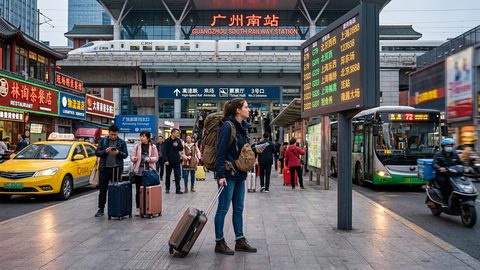 A Ground-Level Logistics Guide to Independent Travel in China
First-time independent travel in China: what you need to know about visas, rail booking, eSIMs, mobile payments, and power adapters.
A Ground-Level Logistics Guide to Independent Travel in China
First-time independent travel in China: what you need to know about visas, rail booking, eSIMs, mobile payments, and power adapters.
-
 How Solo Travelers Stay Ahead of Flight Delays and Cancellations
How solo travelers can track inbound aircraft, claim rebooking rights, and adjust ground transport when flights go wrong — step by step.
How Solo Travelers Stay Ahead of Flight Delays and Cancellations
How solo travelers can track inbound aircraft, claim rebooking rights, and adjust ground transport when flights go wrong — step by step.
-
 Why Your eSIM Might Not Work Abroad and How to Check Before You Go
Buying an eSIM doesn't guarantee signal abroad. Learn why coverage fails by location and how to verify reach before you commit to a plan.
Why Your eSIM Might Not Work Abroad and How to Check Before You Go
Buying an eSIM doesn't guarantee signal abroad. Learn why coverage fails by location and how to verify reach before you commit to a plan.