Practical Morocco Safety Advice for Travellers Who Want the Facts
Violent crime against tourists in Morocco is low, but persistent hustling, taxi scams and medina touts are the daily reality travellers need to manage.
Safety in Morocco for Travellers
The man who wants to walk you to your riad in Fes el Bali has already decided your route. He found you at Bab Bou Jeloud, guessed where you were going, and will demand 200 MAD when you arrive. That friction, not the violent crime you read about in government travel advisories from Australia, Canada, New Zealand, the United Kingdom and the United States, is the real safety reality of Morocco. Here is how to distinguish genuine risk from exaggerated fear and handle the daily hassles that actually affect a trip.
The Real Risk Profile: Low Violence, High Hustle
Morocco has very low violent crime rates against tourists. The threats that fill official safety advisories, pickpocketing in medinas and crowded markets, bag snatching by motorbike in urban areas, are real but manageable with standard precautions. What surprises most visitors is the sheer physical and mental toll of constant bargaining and persistent touts in tourist hubs.
The gap between glossy riad photos and the dusty, unfinished streets outside their walls is part of the experience. The hazards are practical: no public toilets outside malls and major train stations (you pay 2 to 5 MAD for a guarded squat toilet with no paper), ATMs in small towns like Merzouga and Todra running out of cash on weekends, and the yawning transit distances that make a 7-day itinerary a 60 percent driving trip.
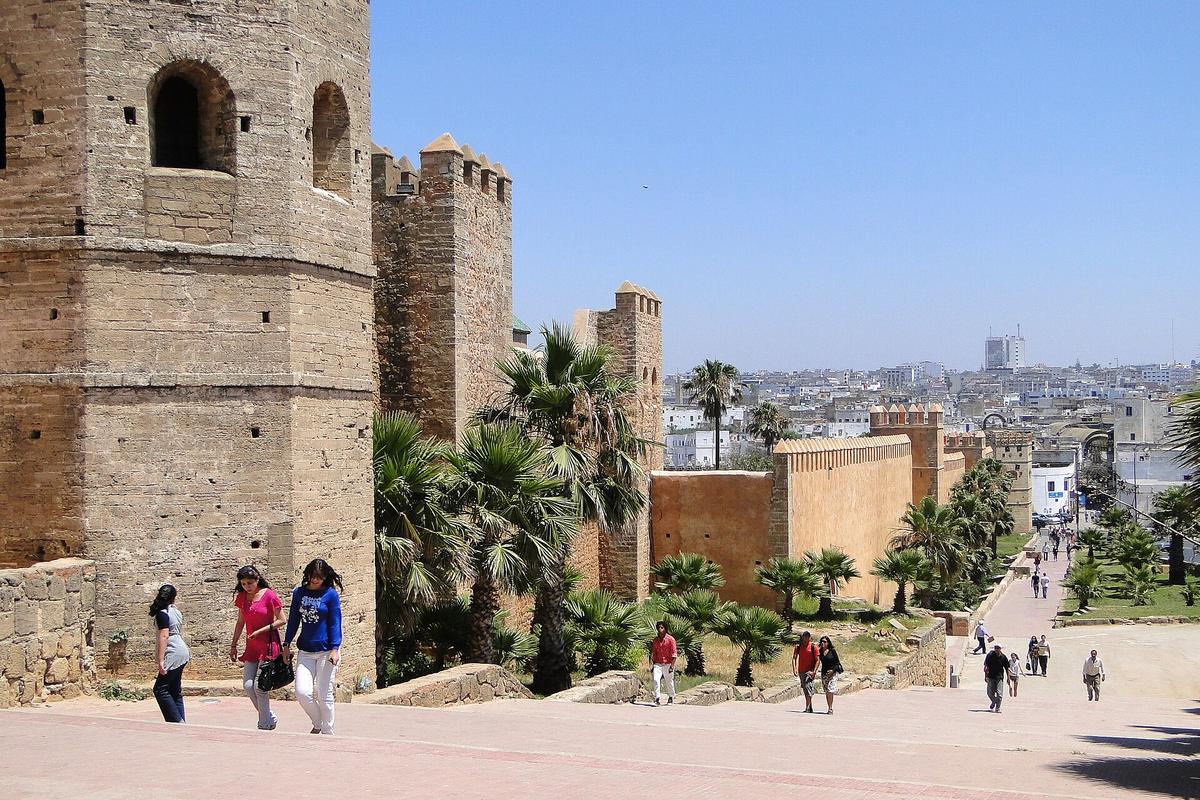

Morocco Scams: Fake Guides and the Medina
Fake Guides at the Train Station
Two locations produce most fake guide complaints: the train station in the Red City and the gates of Fes el Bali. At the station, a man in a vest that looks official approaches you and says your riad is closed, or on a different street, or has moved. He offers to take you to his cousin's place instead. The riad is not closed. Walk past him and check yourself.
The Uninvited Medina Guide
At Fes, the problem is the uninvited medina guide. You stop to look at a map or your phone outside Bab Bou Jeloud. Someone approaches and says the streets are too confusing, you will get lost, he will walk you for free. He walks you through the alleys, then demands 100 to 200 MAD. Refuse firmly before he starts walking, or hand over the cash and learn the lesson. There is no police recourse for a voluntary unsolicited tour.
Morocco Petty Crime in Tourist Areas
Petty crime concentrates where crowds concentrate. Jemaa el Fna at night. The narrow alleys of the Fes leather tanneries district. The approach to the Chouara Tannery itself. Phone snatching is the fastest growing category: a motorbike passes, your phone leaves your hand. Keep your phone in a zipped pocket or bag crossbody, not in your back pocket or dangling from a selfie stick.
Bag snatching by motorbike is more common in urban areas like Casablanca and Tangier than inside medinas. Walk on the inside of the pavement, away from the road. Carry your bag on the side away from traffic. These are the same precautions you take in Barcelona or Rome, and they work the same way here.
Morocco Taxi Scams at the Airport
Marrakech Menara Airport
Petit taxi drivers refuse the meter as a matter of routine. The legal meter fare to the Medina is roughly 100 to 150 MAD for a 20-minute ride. Drivers quote far higher. Walk past the first rank of drivers waiting at arrivals and cross to the official taxi queue outside the car park. Drivers in the official queue are still likely to refuse the meter, but you can insist or negotiate down to 150 MAD before you get in.
Other Airports and What to Pay
At Casablanca Mohammed V Airport, the train to Casa Voyageurs at about 50 MAD is cheaper and faster than a taxi. At Fes Saiss Airport, taxis are your only option at about 150 MAD for the 30-minute trip. At Tangier Ibn Battouta, a taxi costs roughly 100 MAD for 20 minutes. Agadir Al Massira runs about 200 MAD for 30 minutes. Know the price before you sit down.
Solo Female Travel in Morocco
Unwanted attention is common. Dress conservatively, cover shoulders and knees, but do not expect that to eliminate it. The most effective tool is a firm, calm refusal delivered without eye contact. A smile, a laugh, or a hesitant reply is read as engagement. A flat no in French or Arabic, la, shukran, stops most approaches.
Public displays of affection draw unwanted attention regardless of gender. Stay aware of your surroundings in medinas after dark. The tourist police unit, the Brigade Touristique, has a dedicated phone line at 080 0000 123 and maintains a presence in major cities. For emergencies, dial 190. Solo female travellers complete trips through Morocco every day. The friction is real but navigable.
Other Scams You Will Meet
Henna artists at Jemaa el Fna corner you, apply a small design, then demand 300 MAD. Agree a price before they touch your hand, or say no and walk away. The fake cannabis seller is more dangerous: he sells you a small bag, then his friend who is a police officer appears and threatens arrest unless you pay a fine. Both of them split the bribe. Possession of cannabis is illegal in Morocco despite local cultivation in some regions. Do not buy it from a stranger on the street.
| Scam | What They Demand | What You Should Pay | How To Avoid |
|---|---|---|---|
| Fake guide at Fes medina gate | 100–200 MAD | 0 MAD | Say no before they start walking |
| Petit taxi at Marrakech airport | 300–500 MAD | 100–150 MAD | Use official queue, negotiate before sitting |
| Henna design at Jemaa el Fna | 300 MAD | 50–100 MAD | Agree price before application |
| Unsolicited medina guide | 100–200 MAD | 0 MAD | Ignore or say la, shukran firmly |
| Fake cannabis seller | Varies, then bribe split | 0 MAD | Do not buy cannabis from anyone |

Road Safety and Driving Risks
Rules of the Road
Morocco drives on the right. Seatbelts are mandatory for front and rear seats. Mobile phone use while driving is prohibited unless hands-free. The blood alcohol limit for drivers is 0.02 percent, effectively zero tolerance. If you drive, an International Driving Permit is required alongside your home licence.
Where It Gets Dangerous
Highways between major cities are well maintained. Mountain roads in the High Atlas and Rif are narrow with sharp drops and limited guardrails. Desert tracks in Sahara regions require a 4x4 and local knowledge. Rural roads may be unpaved and deteriorate in wet season. Do not drive at night: reduced visibility, unlit vehicles, and livestock on the road are common outside cities. Intercity bus networks CTM and Supratours are a safer option for covering long distances, though CTM buses on key routes like Marrakech to Merzouga and Fes to Chefchaouen often sell out a day ahead.
Health Risks and Practical Medical Advice
Food, Water and Stomach Trouble
Tap water in cities is chlorinated and treated but may cause mild stomach upset in visitors unaccustomed to it. Drink bottled or filtered water. Ice in drinks carries risk that varies by establishment; ice made from tap water is common outside tourist places. Cooked street food served hot is low risk. Raw salads and unpeeled fruit are higher risk.
Vaccinations, Animals and the Environment
Hepatitis A and typhoid are present, transmitted via contaminated food or water. Get vaccinated. Rabies is present in the animal population, including stray dogs. Do not approach or feed street animals. Schistosomiasis risk exists in freshwater bodies; do not swim in lakes and slow rivers. Malaria risk is very low, limited to rare cases in rural far-south areas. Scorpion stings and snake bites are risks in desert and arid regions, especially in warmer months. The High Atlas passes exceed 2,000 metres; the Toubkal summit at 4,167 metres carries altitude sickness risk for trekkers.
Getting Medical Help
Private clinics in Casablanca and Rabat offer good care. Rural areas have limited facilities. Pharmacies are widely available in cities, marked by a green cross sign, and pharmacists are trained to advise on minor ailments and dispense some medications without prescription. The police emergency number is 190. Ambulance and fire share the number 150.
Legal and Cultural Frictions
Same-sex sexual activity is criminalised under Article 489 of the penal code. Public displays of affection are culturally sensitive regardless of gender. Photography of military installations, royal palaces, and some government buildings is restricted. Drone import requires prior authorisation from the Direction Generale de l'Aviation Civile. Drug laws are strict despite local cannabis cultivation in northern regions.
Ramadan shifts roughly 10 to 11 days earlier each Gregorian year. During Ramadan, alcohol sales are restricted, some restaurants close during daylight hours, and eating in public is discouraged. The last 10 days of Ramadan slow services to a crawl and many cafes shut entirely. Eid al Adha fills intercity transport and involves butchering in public spaces. The summer months of July and August in the interior, Marrakech, Fes, the desert, exceed 45 degrees Celsius and make sightseeing genuinely difficult.
Connectivity and Communication
Buy a Maroc Telecom or Orange SIM at the airport on arrival. You need your passport to register. Inwi has weak coverage in the Atlas and desert areas. eSIM works but costs more. Wi-Fi in riads is often limited to the courtyard, not the rooms. If you need reliable internet, carry a local data plan as your primary connection.
Your Next Step: Adjust Your Itinerary to the Reality
The single most practical thing you can do is cut your itinerary. If you planned Marrakech, Fes, Chefchaouen, the desert and Essaouira in 7 days, remove two destinations. That trip burns 60 percent of its time on winding roads and leaves zero margin for the delays, bargaining, and sheer exhaustion that define Moroccan overland travel. Choose three places. Stay four nights in one of them. That is how you handle safety in Morocco, the friction is manageable when you are not also fighting a bus schedule.
Common Questions
Is it safe to walk alone in Marrakech medina at night?
The main squares and well-lit alleys near Jemaa el Fna are busy with tourists and vendors until late. Side alleys that are dark and empty carry the same theft risk as any city at night. Stick to the main routes, keep your phone out of sight, and use a petit taxi to return to your riad if you are far from your accommodation.
Do I need to dress conservatively in Morocco as a woman?
Covering shoulders and knees reduces unwanted attention but does not eliminate it. In Marrakech and Essaouira you will see tourists in shorts and tank tops, but the attention increases. In Fes, Chefchaouen and rural areas, conservative dress is more expected. Carry a scarf you can pull up when passing mosques or conservative neighbourhoods.
Are the petit taxi meters real or fake?
The meters are real and work. The problem is that drivers refuse to use them, especially at airports and train stations. If you insist on the meter, many drivers drive off. Negotiate a fixed price before sitting down or wait for a driver who agrees to the meter, this can take 10 minutes at Marrakech airport.
What should I do if a fake guide demands money?
Pay the money once if you are alone and lost in the medina. Your safety is worth 200 MAD. Then walk to a shop or cafe and reorient. Do not attempt to argue or refuse in a narrow alley where you cannot see a way out. The tourist police at 080 0000 123 can help if you are near a main square, but they cannot undo the moment.
Can I drink tap water in Morocco?
Tap water in cities is treated but can cause mild stomach upset in visitors. In rural areas the treatment is inconsistent. Drink bottled or filtered water. Ice in drinks is made from tap water in many places outside tourist hotels. Check before ordering.
Is Morocco safe for solo female travellers over 50?
Yes. The risks are the same for women of any age: unwanted attention at the same rate, the same scams, the same need to navigate medina alleys with confidence. Solo female travellers complete trips through Morocco every week. Book accommodation with a good reputation and be willing to say no firmly and walk away.
How do I get cash in Morocco without ATM issues?
Withdraw enough cash in Casablanca, Marrakech or Fes to cover small towns like Merzouga, Todra and mountain passes, where ATMs run out of cash on weekends and holidays. The Moroccan dirham is a closed currency, so you cannot bring it in or take it out. Use major bank ATMs inside malls, not standalone machines on streets.
Read next
-
 Staying Connected in Morocco With eSIM and Local SIM Cards
A direct comparison of eSIM and local SIM options for Morocco, covering airport purchase, passport rules, and which network actually works in the Atlas and Sahara.
Staying Connected in Morocco With eSIM and Local SIM Cards
A direct comparison of eSIM and local SIM options for Morocco, covering airport purchase, passport rules, and which network actually works in the Atlas and Sahara.
-
 Best Time to Visit Morocco, Seasons, Heat, Ramadan and Festival Dates
March to May and September to November deliver Morocco's best conditions. July and August bring 45°C interior heat, and Ramadan's final days shut services down.
Best Time to Visit Morocco, Seasons, Heat, Ramadan and Festival Dates
March to May and September to November deliver Morocco's best conditions. July and August bring 45°C interior heat, and Ramadan's final days shut services down.
-
 Getting Around Morocco, Trains, Buses, Grands Taxis and What the Map Oversells
Trains link Morocco's northern cities efficiently, but the south and desert rely on buses that sell out and grands taxis that leave only when full.
Getting Around Morocco, Trains, Buses, Grands Taxis and What the Map Oversells
Trains link Morocco's northern cities efficiently, but the south and desert rely on buses that sell out and grands taxis that leave only when full.
-
 Morocco Visa Requirements and the Application Process Explained
Which nationalities can enter Morocco visa-free, who needs to apply in advance, and how the Moroccan visa application process actually works.
Morocco Visa Requirements and the Application Process Explained
Which nationalities can enter Morocco visa-free, who needs to apply in advance, and how the Moroccan visa application process actually works.
-
Money in Morocco, Dirham, Cards, ATMs and What You Actually Need Cash For
The Moroccan dirham is a closed currency you cannot buy abroad. Cash dominates medinas and small towns, and ATMs in desert regions run dry on weekends.
-
 What a Trip to Morocco Actually Costs in Real Terms
A practical breakdown of how money flows on a Morocco trip, from pre-booked riads and desert camps to the daily medina cash burn that depends on your haggling
What a Trip to Morocco Actually Costs in Real Terms
A practical breakdown of how money flows on a Morocco trip, from pre-booked riads and desert camps to the daily medina cash burn that depends on your haggling
-
 How to Budget a Trip Based on Purchasing Power, Not Just Exchange Rates
Exchange rates tell only half the story. See how purchasing power shapes your real travel budget across Southeast Asia, Eastern Europe, and Latin America.
How to Budget a Trip Based on Purchasing Power, Not Just Exchange Rates
Exchange rates tell only half the story. See how purchasing power shapes your real travel budget across Southeast Asia, Eastern Europe, and Latin America.
-
 A Ground-Level Logistics Guide to Independent Travel in China
First-time independent travel in China: what you need to know about visas, rail booking, eSIMs, mobile payments, and power adapters.
A Ground-Level Logistics Guide to Independent Travel in China
First-time independent travel in China: what you need to know about visas, rail booking, eSIMs, mobile payments, and power adapters.
-
 How Solo Travelers Stay Ahead of Flight Delays and Cancellations
How solo travelers can track inbound aircraft, claim rebooking rights, and adjust ground transport when flights go wrong — step by step.
How Solo Travelers Stay Ahead of Flight Delays and Cancellations
How solo travelers can track inbound aircraft, claim rebooking rights, and adjust ground transport when flights go wrong — step by step.