A Realistic Morocco Trip Cost Breakdown
A practical breakdown of how money flows on a Morocco trip, from pre-booked riads and desert camps to the daily medina cash burn that depends on your haggling
How Much Money to Budget for Travelling in Morocco
The most common mistake travellers make about a Morocco trip cost breakdown is looking for a single daily number. A flat rate fails because the spending rhythm here is split between fixed, pre-booked costs and a highly variable daily cash burn. The pre-booked items are predictable: riad rooms, train tickets, desert tours. The daily spend depends entirely on your haggling stamina, your taxi meter luck, and whether you eat in the medina or in Gueliz. The biggest variable is not the class of your accommodation. It is the cumulative cost of being bad at saying no.
Morocco Trip Cost Breakdown: Fixed Vs. Variable
Fixed Costs to Lock In Before You Land
Divide your budget into two buckets before you arrive. The first bucket holds everything you should book before you land. The second bucket is cash you carry for daily decisions that change hour by hour.
A private room in a mid-range riad in Marrakech or Fes runs 400 to 800 MAD per night during peak season (March to May and September to November). Budget riad doubles in less visited towns like Chefchaouen or Essaouira drop to 200 to 400 MAD. Desert tours from Marrakech to Merzouga for two nights, including transport, camel trek, and camp, start around 800 MAD per person in a group. A private 4x4 with a luxury camp costs significantly more. Train tickets on the ONCF network for the Tangier to Marrakech corridor cost roughly 200 to 350 MAD in second class depending on distance. Al Boraq high-speed from Tangier to Casablanca runs about 400 MAD first class.
Variable Costs That Swing Wildly
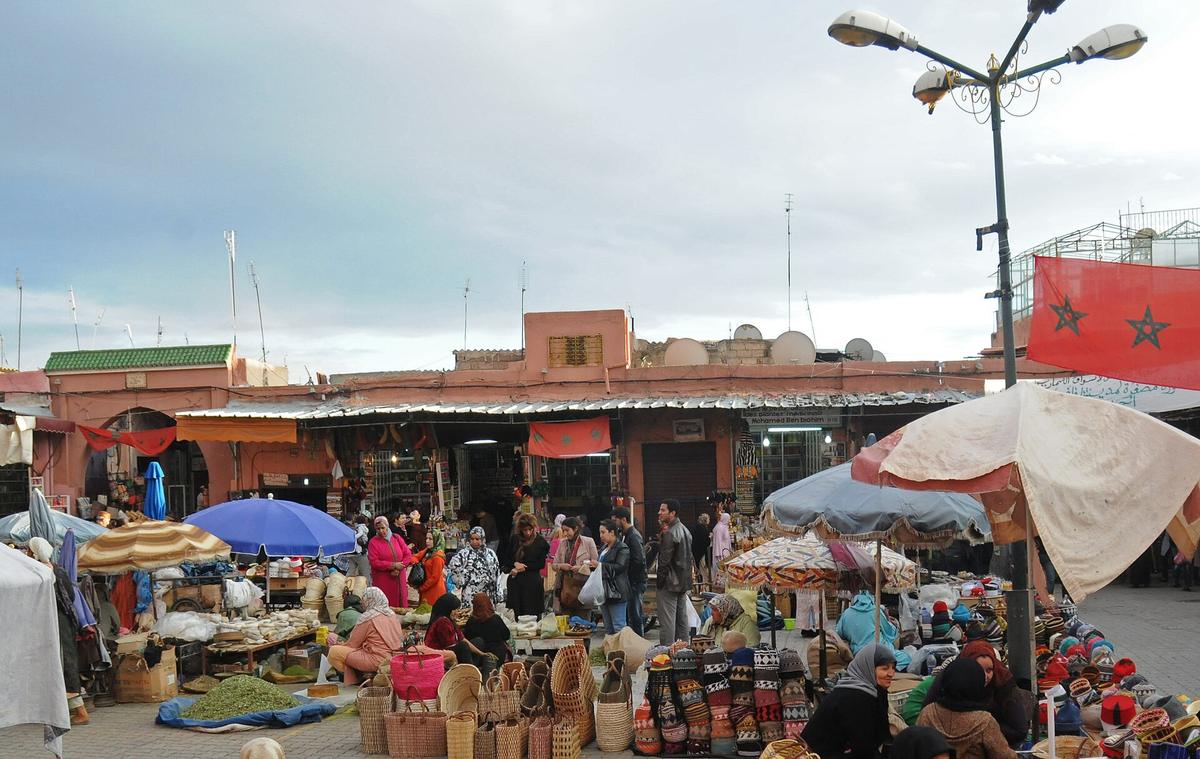
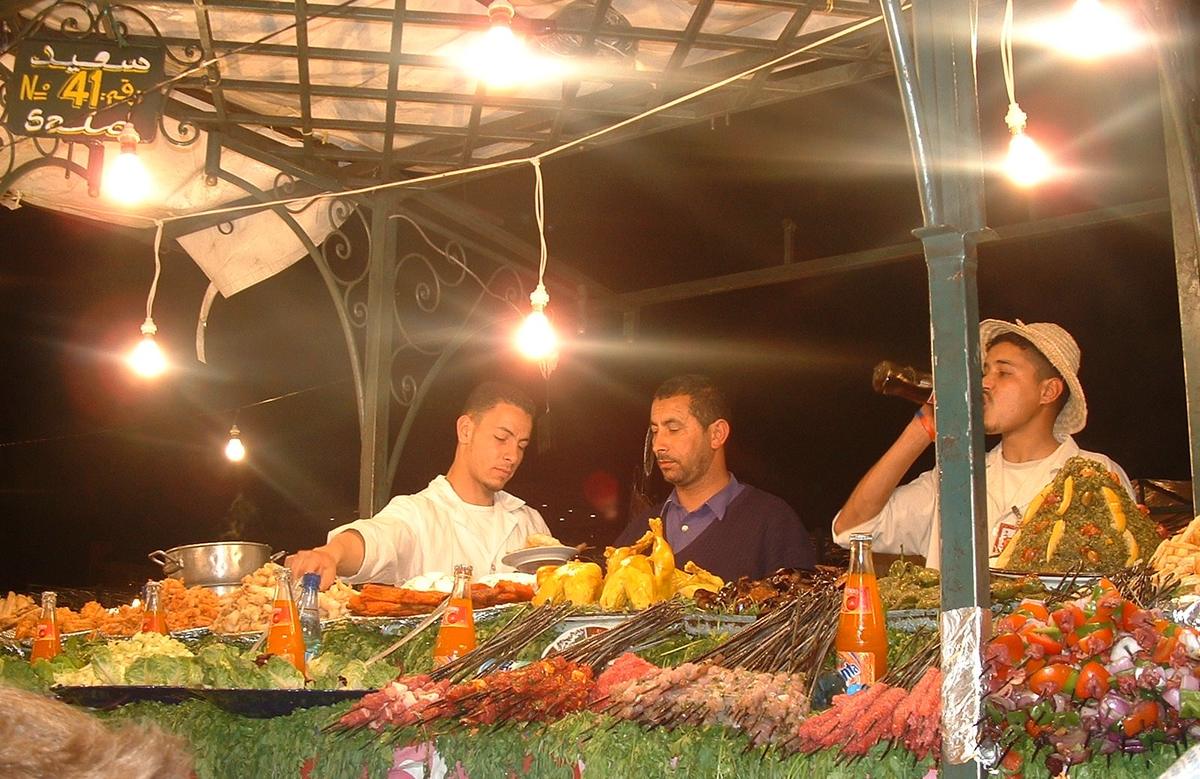
A meal at a street food stall in Jemaa el-Fna costs 15 to 30 MAD. A sit-down dinner in Gueliz runs 120 to 200 MAD plus 10 to 15 percent tip. A petit taxi ride across Marrakech with the meter running costs 15 to 30 MAD. A driver who refuses the meter may demand 100 MAD. A guide who walks you uninvited through Fes el-Bali for ten minutes then asks for 150 MAD. A Berber rug that starts at an absurd price may sell for a fraction of that if you walk away three times. The same bottle of sunscreen that costs 60 MAD in a Casablanca supermarket will cost 120 MAD in a Merzouga desert camp shop. Your daily cash burn can swing from 150 MAD on a disciplined day to 600 MAD on a day you say yes too often.
.jpg)
Morocco Daily Budget Guide: What Real Spend Looks Like by Travel Style
A budget traveller sleeping in hostel dorms (80 to 150 MAD per night), eating street food and local bakers for khobz dyal dar, taking CTM buses and shared grand-taxis, and joining group desert tours spends 350 to 500 MAD per day including accommodation. This works if you have high haggling stamina and carry enough cash for stretches where ATMs run out, especially in Merzouga, Todra Gorge, and mountain valleys.
A mid-range traveller booking private riad rooms (400 to 800 MAD per night), eating at sit-down restaurants in the medina or Gueliz (100 to 200 MAD per meal), using grand-taxis and first-class train seats, and hiring a guide for a half day in Fes (300 to 500 MAD) spends 800 to 1400 MAD per day. That range widens if you add a driver for the Atlas routes or a luxury desert camp.
The floor is not the problem for most readers. The ceiling is. A relaxed day where you take one petit taxi, eat two street meals, and buy nothing from a shop costs under 200 MAD. A day where you hire a guide for Aït Benhaddou, buy a leather bag after three rounds of haggling, and have a sit-down dinner with a glass of wine can hit 1200 MAD. Plan for the high days to balance the low ones.
How Much Cash to Carry by Duration
Carry cash for at least 70 percent of your estimated daily variable spend. ATMs are widespread in Casablanca, Marrakech, Fes, Tangier, and Rabat but sparse in rural areas, mountain villages, and desert fringes. Small-town ATMs run out of cash on weekends and holidays. Withdraw a bulk amount in Marrakech or Fes before heading south. A 10-day trip for a mid-range traveller requires a substantial cash reserve, split across multiple locations on your body. The Moroccan dirham is a closed currency: you cannot import or export more than a negligible amount, and exchange desks outside Morocco rarely carry it. Exchange at a bank or official bureau upon arrival.
Alcohol is a separate budget item. Sale is permitted only in licensed hotels, bars, and designated liquor stores. A beer in a Marrakech hotel bar costs 50 to 80 MAD. A bottle of wine in a licensed store runs 150 to 300 MAD. If you plan to drink, budget 200 to 400 MAD per drinking day.
Marrakech Riad Prices by Season and Location
A private double room in a mid-range riad inside the Marrakech Medina costs 400 to 700 MAD per night in peak season (March to May, September to November) and 300 to 500 MAD in low season (June to August, when interior heat hits 45 Celsius and demand drops). High-end riads with plunge pools, rooftop terraces, and multi-course breakfasts run 1200 to 2500 MAD per night year-round. Budget riad doubles in the northern medina near Bab Doukkala fall to 200 to 350 MAD but may lack reliable Wi-Fi or hot water pressure.
Location matters within the medina. A riad five minutes' walk from Jemaa el-Fna costs more than one in the quieter, dustier alleys near the Badii Palace. The glossy photos online rarely show the unfinished, rubble-lined streets outside the door. Book a courtyard room on the far side from the street. This cuts noise from the call to prayer at 4am and medina traffic. Wi-Fi in riads is often limited to the courtyard, not the rooms. If connectivity matters, buy a Maroc Telecom SIM at the airport on arrival and tether your devices.
Booking directly by phone or WhatsApp saves 10 to 20 percent compared to Booking.com prices. Send a message two days ahead, confirm the rate includes breakfast, and ask if they accept card payment. Many riads prefer cash.
Desert Tour Morocco Cost: What You Pay for and What You Get
A two-night, three-day desert tour from Marrakech to Erg Chebbi costs 800 to 1200 MAD per person for a group tour in a minibus with basic camp accommodation. That includes transport, a camel trek at sunset, dinner and breakfast at the camp, and a stop at Aït Benhaddou. A private tour with a 4x4, a luxury camp with a proper mattress, and a driver who waits while you photograph Todra Gorge costs 2000 to 4000 MAD per person. The difference is not just comfort. The group tour spends more time picking up and dropping off other passengers. The private tour moves at your pace.
The Sahara region is best visited from October to April. Summer months bring extreme heat. Winter nights near freezing. Pack a warm layer regardless of season. The camp dinner is a tagine or a Berber omelette. Vegetarian options exist but require advance notice. Camel burger appears at some Merzouga camps and roadside cafes.
The common mistake is booking a three-day tour when you only have four days in Marrakech. The tour consumes two full days of driving, leaving one exhausted day before you fly out. Push the tour to the start of your trip, not the end. If you cannot spare three days, skip the desert entirely. Do a day trip to Ourika Valley or Ouzoud Waterfalls instead.

Morocco Haggling Culture: How Bargaining Affects Your Budget
Haggling is expected in souks, medina shops, and for services without fixed prices. It is not practiced in fixed-price retail, supermarkets, or chain restaurants. The rule: the first price quoted is three to five times the real price. Offer 30 percent of the first price and let the vendor negotiate you up to 40 to 50 percent. If you pay the first price, you are funding the next tourist who will have to haggle against a higher baseline.
The budget variable here is time. A ten-minute haggle over a 200 MAD item that ends at 100 MAD saves you 100 MAD. But if you haggle over ten items over ten days, you have spent nearly two hours in negotiation. Decide which purchases matter enough to spend the energy. Skip haggling for small items like spices or postcards where the saving is less than 10 MAD.
The failure case: a fake guide at the Fes medina gate or the Marrakech train station tells you your riad is closed and offers to take you to a cousin's property. This costs you 200 to 500 MAD for a worse room plus a fake tour. Walk past them. Find your own taxi. Call your riad directly. Never follow someone who offers unsolicited help. The helpful stranger who walks you through the medina uninvited then demands 100 to 200 MAD for the service is the same problem. Say no at the start. It is cheaper.
The most practical thing you can do before you land: withdraw 2000 MAD from an ATM at Casablanca Mohammed V or Marrakech Menara airport, buy a Maroc Telecom SIM for 50 MAD with a data plan, and book your second night of accommodation before day one starts. The first night you can figure out on arrival. The second night is when the exhaustion from jetlag, bargaining, and transit hits. Having a room waiting removes the biggest daily variable: a bad decision made when you are tired and hungry.
Frequently Asked Questions
How much cash should I carry per day in Morocco?
Carry 300 to 500 MAD per day for a budget traveller and 600 to 1000 MAD per day for a mid-range traveller, assuming accommodation is pre-paid. ATMs run out in rural areas, especially on weekends and holidays. Withdraw bulk cash in Marrakech or Fes before heading south.
Can I use my credit card everywhere in Morocco?
No. Card acceptance is concentrated in urban accommodation, upscale restaurants, and tourist-facing shops. Outside major cities and mid-range and above hotels, cash is required. Street food stalls, souks, petit taxis, and most rural guesthouses do not accept cards.
What is the cheapest way to get from Marrakech to the Sahara desert?
The cheapest option is a group desert tour from Marrakech to Merzouga, costing 800 to 1200 MAD per person for two nights including transport, camel trek, and camp. The cheapest independent route is a CTM bus to Rissani (about 200 MAD) then a grand taxi to Merzouga (50 MAD per seat), but this requires booking the bus a day ahead as it sells out.
Are Marrakech riads cheaper if I book directly?
Yes. Booking directly by phone or WhatsApp saves 10 to 20 percent compared to Booking.com prices. Confirm the rate includes breakfast and ask if they accept card payment. Many riads prefer cash and may offer a further discount if you pay in dirhams on arrival.
How do I avoid being overcharged by taxi drivers in Morocco?
Insist the driver uses the meter for petit taxis. If the driver refuses, get out and find another. At Marrakech airport, walk past the drivers offering 150 MAD and find the official taxi stand where the fare to the medina is 100 to 120 MAD. For grand-taxis on fixed shared routes, pay the per-seat price set by the route, not a negotiated private fare.
Read next
-
 Staying Connected in Morocco With eSIM and Local SIM Cards
A direct comparison of eSIM and local SIM options for Morocco, covering airport purchase, passport rules, and which network actually works in the Atlas and Sahara.
Staying Connected in Morocco With eSIM and Local SIM Cards
A direct comparison of eSIM and local SIM options for Morocco, covering airport purchase, passport rules, and which network actually works in the Atlas and Sahara.
-
 Best Time to Visit Morocco, Seasons, Heat, Ramadan and Festival Dates
March to May and September to November deliver Morocco's best conditions. July and August bring 45°C interior heat, and Ramadan's final days shut services down.
Best Time to Visit Morocco, Seasons, Heat, Ramadan and Festival Dates
March to May and September to November deliver Morocco's best conditions. July and August bring 45°C interior heat, and Ramadan's final days shut services down.
-
 Getting Around Morocco, Trains, Buses, Grands Taxis and What the Map Oversells
Trains link Morocco's northern cities efficiently, but the south and desert rely on buses that sell out and grands taxis that leave only when full.
Getting Around Morocco, Trains, Buses, Grands Taxis and What the Map Oversells
Trains link Morocco's northern cities efficiently, but the south and desert rely on buses that sell out and grands taxis that leave only when full.
-
 Morocco Visa Requirements and the Application Process Explained
Which nationalities can enter Morocco visa-free, who needs to apply in advance, and how the Moroccan visa application process actually works.
Morocco Visa Requirements and the Application Process Explained
Which nationalities can enter Morocco visa-free, who needs to apply in advance, and how the Moroccan visa application process actually works.
-
Money in Morocco, Dirham, Cards, ATMs and What You Actually Need Cash For
The Moroccan dirham is a closed currency you cannot buy abroad. Cash dominates medinas and small towns, and ATMs in desert regions run dry on weekends.
-
 Is Morocco Safe, Reading Travel Advice Without Being Misled by It
Violent crime against tourists in Morocco is low, but persistent hustling, taxi scams and medina touts are the daily reality travellers need to manage.
Is Morocco Safe, Reading Travel Advice Without Being Misled by It
Violent crime against tourists in Morocco is low, but persistent hustling, taxi scams and medina touts are the daily reality travellers need to manage.
-
 How to Budget a Trip Based on Purchasing Power, Not Just Exchange Rates
Exchange rates tell only half the story. See how purchasing power shapes your real travel budget across Southeast Asia, Eastern Europe, and Latin America.
How to Budget a Trip Based on Purchasing Power, Not Just Exchange Rates
Exchange rates tell only half the story. See how purchasing power shapes your real travel budget across Southeast Asia, Eastern Europe, and Latin America.
-
 A Ground-Level Logistics Guide to Independent Travel in China
First-time independent travel in China: what you need to know about visas, rail booking, eSIMs, mobile payments, and power adapters.
A Ground-Level Logistics Guide to Independent Travel in China
First-time independent travel in China: what you need to know about visas, rail booking, eSIMs, mobile payments, and power adapters.
-
 How Solo Travelers Stay Ahead of Flight Delays and Cancellations
How solo travelers can track inbound aircraft, claim rebooking rights, and adjust ground transport when flights go wrong — step by step.
How Solo Travelers Stay Ahead of Flight Delays and Cancellations
How solo travelers can track inbound aircraft, claim rebooking rights, and adjust ground transport when flights go wrong — step by step.