Understanding Bulgaria Travel Seasons for Mountains and Quiet Cities
Bulgaria's seasons dictate more than weather: mountain lifts shut in May, the coast fills with Romanian families in July, and Easter closes everything.
The chairlift up to the Seven Rila Lakes stops running at 16:30 in summer. Miss the last descent and you face a three-hour walk down a dirt road in fading light. That operational detail matters more than average July temperatures. Understanding Bulgaria's seasons means knowing what opens, what closes, and what costs money, not which months are warm.
Why Operational Reality Beats Climate Data
Bulgaria delivers raw, unpolished authenticity. Mountain villages still move at a slower rhythm. Black Sea beaches range from party strips to empty dunes. Roman ruins sit unticketed in fields. But infrastructure runs rougher than many visitors expect: patchy pavements, sporadic English outside cities, and a lingering post-communist aesthetic that feels bleak on a rainy Tuesday. That authenticity comes with operational tripwires. A ski resort with no lifts open is a cold ghost town. A coastal hotel charging triple rates in August still fills every room.
Who This Trip Suits
Independent road-trippers who enjoy discovery over curation, budget-conscious travellers wanting Alps-grade scenery at Balkan prices, and hikers seeking under-visited trails will find exactly what they came for. Luxury resort seekers expecting polished service and travellers who need smooth infrastructure and widespread English should look elsewhere.
.jpg)
Bulgaria Travel Seasons: the Calendar That Actually Matters
Peak season runs July through August. The Black Sea coast fills with Bulgarian, German, and Romanian holidaymakers. Alpine trails are fully accessible. Coastal accommodation prices double or triple.
The avoid-window matters just as much. Skip the coast in the first week of July when the major Romanian school-holiday exodus creates heavy traffic at border crossings and resort check-ins. Skip the high peaks in late April to early May when lifts shut for maintenance between ski and summer seasons and many guesthouses close entirely.
Orthodox Easter weekend causes nationwide accommodation shortages and restaurant closures. Book everything three months ahead or change your dates.
| Season | Black Sea Coast | Rila And Pirin Mountains | Sofia, Plovdiv, Veliko Tarnovo |
|---|---|---|---|
| Winter (December to March) | Dormant. Most accommodations and seasonal businesses closed. Water temperatures too cold for swimming. | Full ski operation at Bansko (base 1,300 m), Borovets, and Pamporovo. Some high passes close after heavy snow. | Year-round cultural tourism with reduced outdoor comfort. Museums and restaurants operate normally. |
| Spring (April to May) | Beach season begins reopening in May. Water remains cold. Reduced accommodation availability at coastal resorts, lower visitor numbers. | Ski season runs into early spring at higher elevations. Then lifts shut for maintenance. High trails still snowbound above 1,500 m. | Comfortable for sightseeing. Unpredictable precipitation and temperature swings across all regions. |
| Summer (June to August) | Peak operation. All resorts, beaches, and seasonal infrastructure open. First week of July brings Romanian exodus crowding. | Full hiking season. All high-altitude trails accessible. Alpine temperatures offer a cool escape from the lowland heat. | High temperatures make midday sightseeing uncomfortable. Cultural festivals concentrated in these months. |
| Autumn (September to November) | Winds down. Many facilities close by mid-autumn. Water still swimmable in early September. | Hiking extends into early autumn before first significant snow. Some high-elevation huts begin closing. Foliage colour change in deciduous forests. | Mild temperatures and reduced visitor density make this the best city season. Wine harvest across the Thracian and Danubian plains. |
The Rose Valley June Harvest Window
The Rose Valley near Kazanlak has a concentrated bloom period in late spring that dictates the harvest window. To see the rose fields in production, aim for the first three weeks of June. Outside that window the fields are green but not flowering, and the harvest festivals in Kazanlak itself run for about ten days. The Thracian Tomb of Kazanlak is open year-round, but the narrow entry and painted dome are a twenty-minute stop, not a reason to visit the region outside harvest season. Combine the Rose Valley with a day in Plovdiv, 90 minutes south by car, where the Roman theatre still hosts performances year-round.
Bulgaria Shoulder Season: Reduced Crowds, Reduced Infrastructure
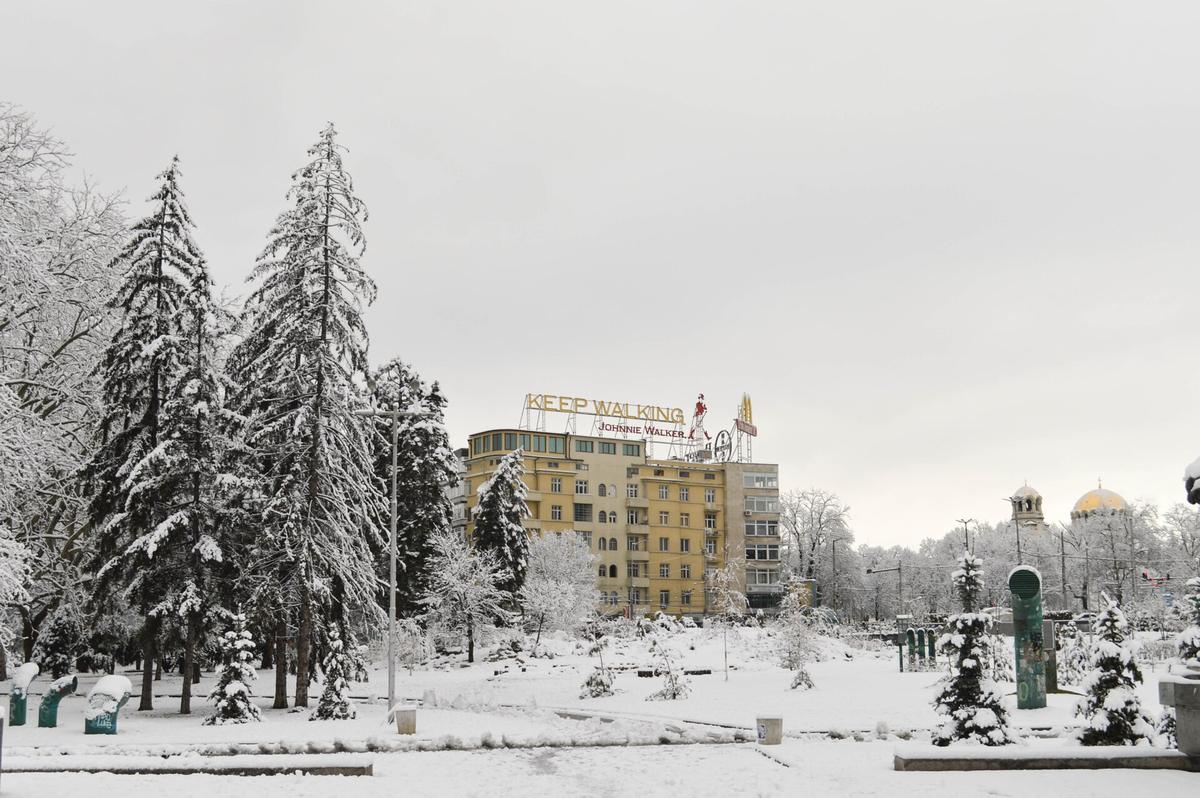
The shoulder periods in spring and autumn give you lower visitor numbers but also reduced operations. In spring (April to May), high-ground destinations transition from ski to hike; some lifts and facilities run on reduced schedules if they run at all. Variable weather can deliver late snow and early heatwaves in the same week. Late April to early May is the dead zone for resorts. Arrive at Bansko on 25 April expecting chairlift access to Pirin trails and you will find the lifts closed for annual maintenance and half the guesthouses shuttered until June.
Autumn: Warm Sea, Empty Cities
Autumn shoulder season runs September through October. Coastal water stays swimmable into early September, but most beach services have already scaled back. Alpine weather stays stable for trekking until the first snow, which can arrive anytime from mid-October above 1,500 m. Some high-elevation huts in Pirin National Park begin closing by late September. Cultural sites and cities operate at full schedule with far fewer visitors than summer. The wine harvest across the Thracian Plain and Danubian Plain peaks in September and October.
Bulgaria July August Crowds: What You Actually Face
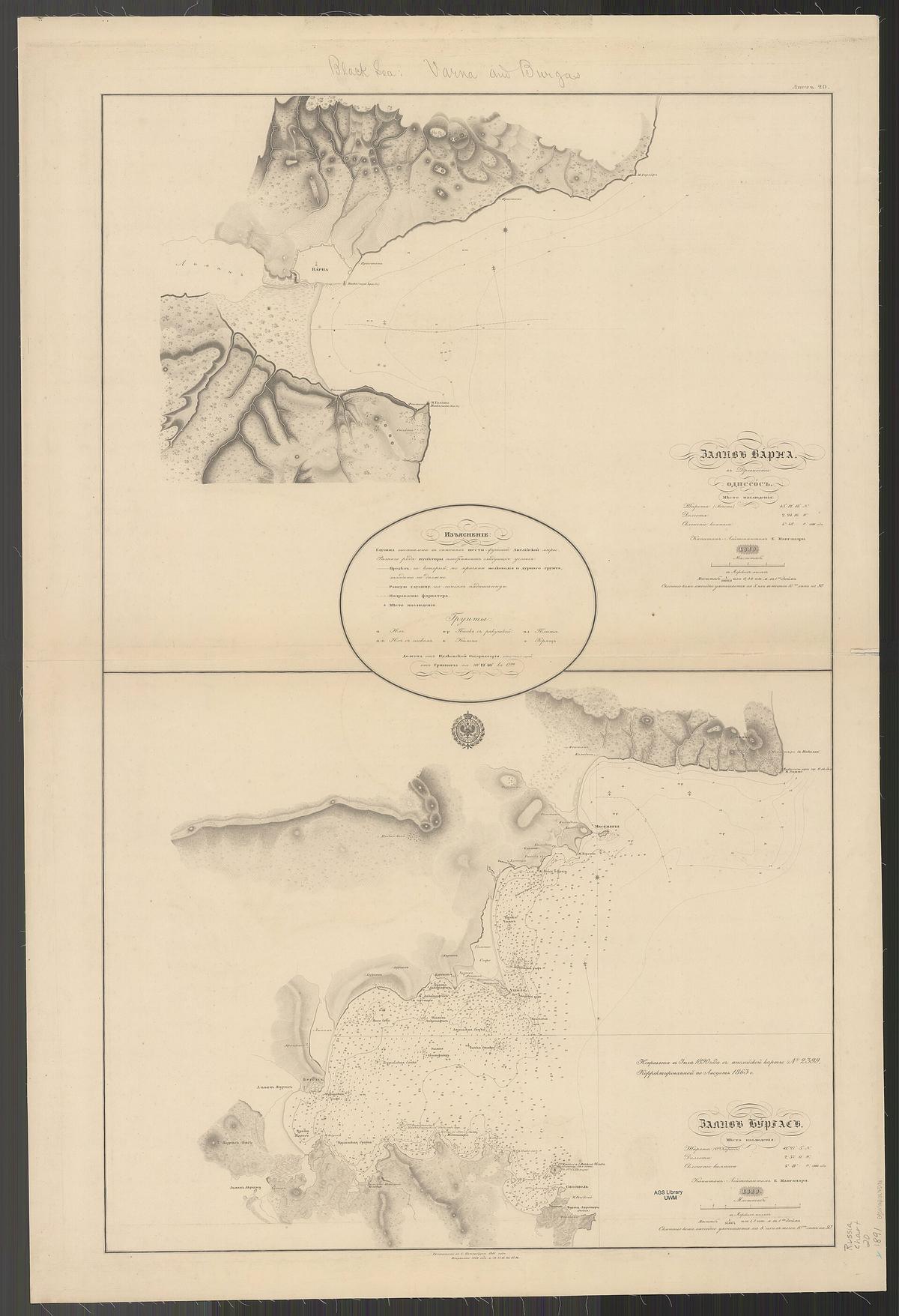
July and August crowds concentrate on the Black Sea coast, not inland. Nessebar Old Town becomes overtouristed in summer, with coach parties queuing through the medieval churches. The northern coast near Varna and the southern coast around Sozopol old town see density, but emptier beaches sit 15 minutes past the main strips. Drive there. Inland cities like Plovdiv and Veliko Tarnovo stay manageable because most visitors head for the coast. Trails in Rila and Pirin are busy by Bulgarian standards but quiet compared to the Alps or the Dolomites.
Beat the Seven Rila Lakes Queue
The Seven Rila Lakes trail gets a queue at the chairlift base by 09:00 in July. Arrive by 08:00. Or hike the alternative route from the upper parking area, which adds 40 minutes but bypasses the lift line entirely.
.jpeg)
Bulgaria Ski Season Dates: When the Lifts Actually Turn
Ski season runs from mid-December to mid-April at the three main resorts. Bansko, the largest, has a base elevation around 1,300 m and highest pistes exceeding 2,500 m. Snow cover in the Pirin range holds from late November through late April. Borovets in the Rila range follows a similar calendar. Pamporovo in the Rhodope range sits at a lower base elevation around 1,600 m and gets reliable snow from December through March. The highest trails at Bansko and Borovets stay open into the first week of May, but the base-area lifts stop running by late April. Arrive after 20 April for skiing and you must call the resort directly to check lift status. Spring snow melts fast below 1,500 m.
Getting Around: the Operational Reality
The dominant intercity travel mode is the bus, operated by a fragmented network of private companies that run from separate stations even within a single city. Pay cash to the driver or at a station kiosk. Online booking exists for very few routes. The tripwire: bus timetables posted at stations are aspirational. Confirm departure times by asking the driver or kiosk attendant directly on the day you travel.
The rail network run by state operator BDZ covers key routes connecting Sofia with Plovdiv, Burgas, Varna, and Gorna Oryahovitsa for Veliko Tarnovo. Speeds are modest.
Airport Transfers
Sofia Airport connects to the city centre via metro line M1: 25 minutes for about 1.60 BGN. Burgas Airport runs bus 15 to the south bus station: 30 minutes for about 1.50 BGN. Varna Airport has bus 409 to the centre: 20 minutes for about 1.50 BGN. Plovdiv Airport handles limited seasonal flights; take a taxi to the centre, 20 minutes for 15 to 20 BGN.
Rental Cars and Mountain Roads
Rental cars suit the road-tripper this destination is built for. Motorways link Sofia to Burgas via the Trakia A1, Sofia to Varna via the Hemus A2 (incomplete in sections), and Sofia to the Greek border via the Struma A3. Rural and high-ground roads narrow and deteriorate fast. A GPS may route you onto unpaved tracks without warning. Download offline maps with Cyrillic place names; secondary and rural roads may show Cyrillic only. Stray dogs are common near hiking trailheads and remote monasteries and can be aggressive.
Common Questions
When should I visit the Black Sea coast to avoid crowds but still find open accommodation?
The second half of June and the first two weeks of September. Coastal resorts are open, water temperatures are swimmable, and the Romanian school-holiday surge that fills the first week of July has not started or has ended. Accommodation prices sit between shoulder and peak rates, roughly 30 to 50 percent below August pricing. Many seasonal restaurants stay open through mid-September.
Is it possible to ski in Bulgaria in early May?
At Bansko and Borovets, the highest pistes above 2,000 m sometimes stay open into the first week of May, but base-area lifts stop running by late April. Call the resort directly before booking; annual maintenance schedules vary. Pamporovo at lower elevation closes by late March.
What happens in Bulgarian mountain resorts between ski season and summer hiking season?
Lifts shut for annual maintenance. Many guesthouses close. The villages empty out. This window runs roughly from late April to late May. Some hiking trails at lower elevations remain accessible on foot, but chairlift-dependent routes become long walks. Check with individual resorts for exact closure dates.
How does Orthodox Easter affect travel in Bulgaria?
Orthodox Easter weekend causes nationwide accommodation shortages and restaurant closures. Hotels in cities and resorts fill with domestic tourists up to two months in advance. Many restaurants and shops close for the Friday-through-Monday period. Book accommodation three months ahead or adjust your dates to avoid the weekend entirely.
What is the exact window for the rose harvest in the Rose Valley?
The concentrated bloom period in the Rose Valley near Kazanlak runs the first three weeks of June. Harvest festivals last about ten days within that window. Outside those dates the fields are green and not flowering. The Kazanlak Tomb is open year-round but does not justify the trip alone.
Read next
-
 Staying Connected in Bulgaria With eSIM, Local SIM, or Just Roaming
Compare eSIM convenience, local SIM value from Vivacom or A1, and EU roaming reliability for Bulgaria's mountain dead zones and coastal resorts.
Staying Connected in Bulgaria With eSIM, Local SIM, or Just Roaming
Compare eSIM convenience, local SIM value from Vivacom or A1, and EU roaming reliability for Bulgaria's mountain dead zones and coastal resorts.
-
 Getting Around Bulgaria by Bus and Car When Timetables Are Aspirational
Bulgaria's bus network is a patchwork of private companies, cash fares, and aspirational timetables—here is how to make it work.
Getting Around Bulgaria by Bus and Car When Timetables Are Aspirational
Bulgaria's bus network is a patchwork of private companies, cash fares, and aspirational timetables—here is how to make it work.
-
 Bulgaria Visa Rules for Tourists and Digital Nomads Explained
Bulgaria sits at a Schengen crossroads: air and sea entry is now Schengen, land borders are not, and visa rules depend on your passport.
Bulgaria Visa Rules for Tourists and Digital Nomads Explained
Bulgaria sits at a Schengen crossroads: air and sea entry is now Schengen, land borders are not, and visa rules depend on your passport.
-
 Cash and Cards in Bulgaria What Actually Works at Taverns and Buses
The Bulgarian lev rules daily life: cards work in Sofia and big resorts, but rural buses, guesthouses, and station toilets demand coins.
Cash and Cards in Bulgaria What Actually Works at Taverns and Buses
The Bulgarian lev rules daily life: cards work in Sofia and big resorts, but rural buses, guesthouses, and station toilets demand coins.
-
 Safety in Bulgaria Reading the Advice Without Being Misled by It
Bulgaria is statistically safe, but stray dogs, empty rural roads, and slow mountain rescue create risks that generic advice misses.
Safety in Bulgaria Reading the Advice Without Being Misled by It
Bulgaria is statistically safe, but stray dogs, empty rural roads, and slow mountain rescue create risks that generic advice misses.
-
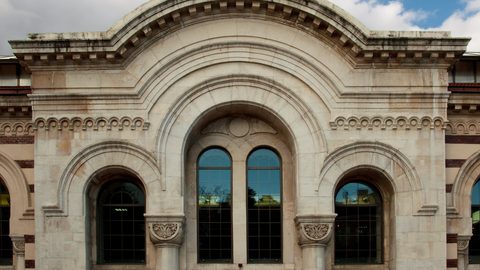 What a Trip to Bulgaria Actually Costs, Without the Spreadsheet Nonsense
Understand the shape of your Bulgaria budget: where money vanishes, where it stretches, and how the cash economy changes your spending.
What a Trip to Bulgaria Actually Costs, Without the Spreadsheet Nonsense
Understand the shape of your Bulgaria budget: where money vanishes, where it stretches, and how the cash economy changes your spending.
-
 A Ground-Level Logistics Guide to Independent Travel in China
First-time independent travel in China: what you need to know about visas, rail booking, eSIMs, mobile payments, and power adapters.
A Ground-Level Logistics Guide to Independent Travel in China
First-time independent travel in China: what you need to know about visas, rail booking, eSIMs, mobile payments, and power adapters.
-
 How Solo Travelers Stay Ahead of Flight Delays and Cancellations
How solo travelers can track inbound aircraft, claim rebooking rights, and adjust ground transport when flights go wrong — step by step.
How Solo Travelers Stay Ahead of Flight Delays and Cancellations
How solo travelers can track inbound aircraft, claim rebooking rights, and adjust ground transport when flights go wrong — step by step.
-
 Why Your eSIM Might Not Work Abroad and How to Check Before You Go
Buying an eSIM doesn't guarantee signal abroad. Learn why coverage fails by location and how to verify reach before you commit to a plan.
Why Your eSIM Might Not Work Abroad and How to Check Before You Go
Buying an eSIM doesn't guarantee signal abroad. Learn why coverage fails by location and how to verify reach before you commit to a plan.