Bulgaria Safety for Travellers on Rural Roads, Stray Dogs, and Streets
Bulgaria is statistically safe, but stray dogs, empty rural roads, and slow mountain rescue create risks that generic advice misses.
You are three hours into a drive from Sofia to the Rila Monastery, the road has narrowed to one lane with no markings, and a pack of stray dogs is trotting toward the car from a trailhead. This is the point where most travel advice fails. It tells you Bulgaria is statistically safe, which it is. It does not prepare you for the moment when that statistic feels irrelevant. What follows is a direct assessment of Bulgaria safety for travellers, with specific guidance for the real risks.
Assessing Bulgaria Safety for Travellers: the Real Risks Versus the Perceived Ones
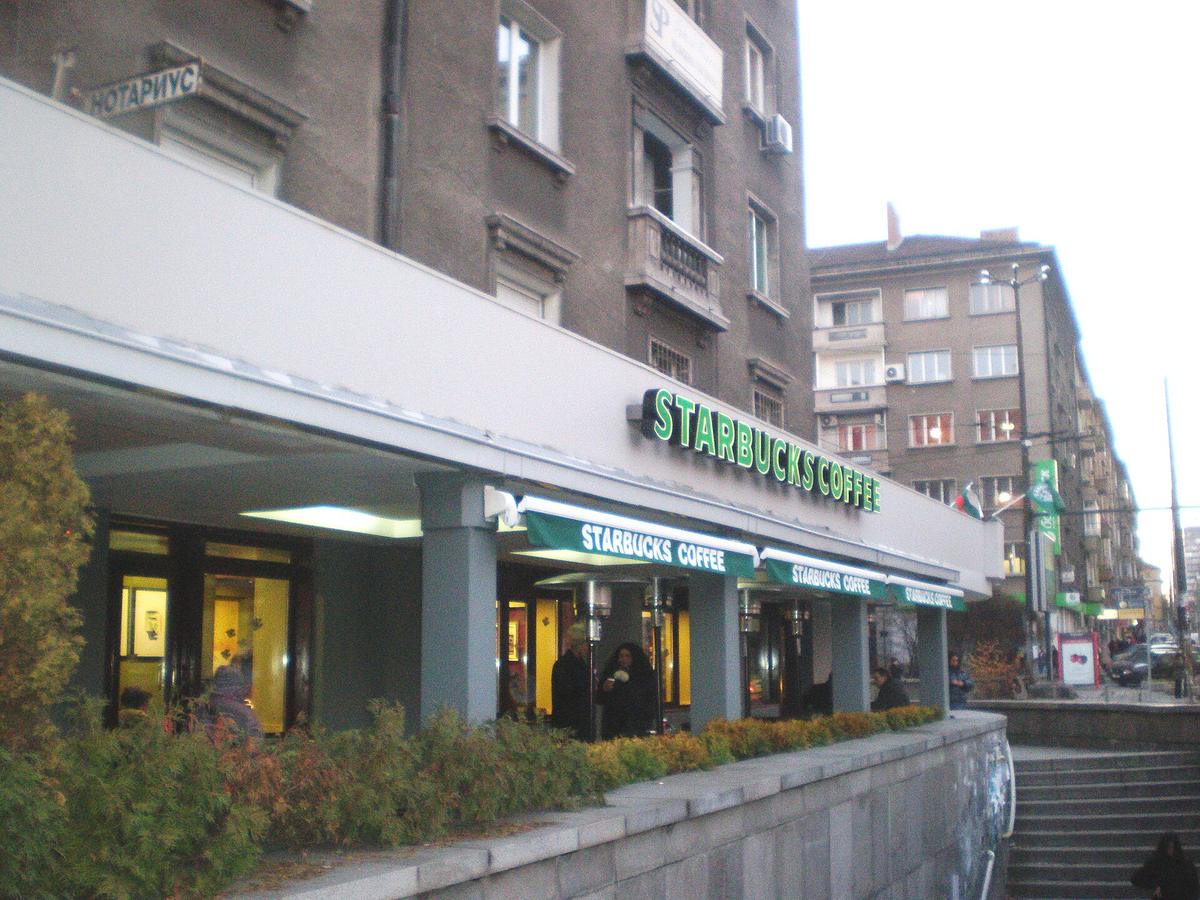
Violent crime against tourists is rare. Pickpocketing occurs in crowded areas, same as anywhere. The bigger risk to your trip is harder to google: a deserted rural road with Cyrillic only signage, a stray dog blocking a hiking path, or the uneasy feeling of a post communist aesthetic that reads as threatening after dark when it is just a building from the 1980s that has not been repainted. The perception gap is real. The threats are real, just different from what most travellers prepare for.

Bulgaria Stray Dogs Hiking: Real Encounter, Practical Response
Stray dogs are common in rural areas. They cluster at trailheads, parking areas near remote monasteries, and on village streets. Most are not aggressive. Some are territorial. The rabies status of Bulgaria confirms the disease is present in wild animal populations, and stray dogs in rural areas and some urban peripheries are part of that risk profile. You cannot tell a vaccinated dog from an unvaccinated one by looking at it.
What To Do When You Encounter A Pack
Do not run. Do not make direct eye contact. Walk slowly backward to the car or a building. Carry a walking stick or trekking pole. A small bag of kibble, sold in any Bulgarian supermarket, can redirect their attention long enough for you to pass. If a dog bites, wash the wound with soap and water for 15 minutes and get to a hospital immediately. Post exposure rabies shots must start within hours, not days. The Bulgarian Mountain Rescue Service is reachable via 112, but in the high terrain they will not arrive fast. Response time is slow in Pirin and Rila. As the fact sheet notes, hikers should not rely on a quick response.
Bulgaria Rural Roads Danger: Driving Alone on Unmarked Tarmac
The road fatality rate in Bulgaria is nearly twice the EU average. The danger is not other drivers in town, where traffic moves slowly. It is the two lane national road between cities where aggressive overtaking is the norm, the condition of the asphalt drops without warning, and a horse drawn cart may appear around a blind curve after dark with no lights. Common road hazards include stray animals and livestock on roads in rural areas, poor surface quality, and unmarked speed bumps that jolt the suspension out of a car doing 80 km/h.
The Tripwire: False Confidence From GPS
A GPS may route you onto unpaved tracks without warning. This happens especially in the Rhodope range and the Danube Plain. If your rental car is a standard sedan, a road marked on Google Maps as a solid yellow line can collapse into a track of loose stones in under a kilometre. Always check the satellite view before turning off a main road. Download offline maps with Cyrillic place names before you leave. Rural signal is weak and Cyrillic only road signs make self navigation harder than expected. The vignette requirement is mandatory year round for motorways, and winter tyres are mandatory between 15 November and 1 March when road conditions require. The day you get the fine for missing either will be the day your trip budget halves.
| Risk | Conditions | Action |
|---|---|---|
| Stray dogs at trailheads | Common; rabies present in wild animal populations; territorial packs | Carry kibble, walking stick; walk backward slowly; seek hospital if bitten |
| Rural road hazards | Horse drawn carts unlit at night; poor surface; aggressive overtaking | Avoid driving after dusk on secondary roads; check satellite view before turning off main roads |
| Cyrillic only road signs | Rural routes have no Latin script signage; GPS may misroute | Download offline maps with Cyrillic place names before departure |
| Tick exposure on hikes | Lyme disease and Crimean Congo haemorrhagic fever risk March to November | Cover skin, check entire body at end of day; remove with tweezers, not fingers |
| Mountain rescue availability | Under resourced; slow response in Pirin and Rila | Carry your own first aid and emergency bivvy; do not rely on quick 112 response |
Sofia Safety at Night: What the Post Communist Aesthetic Hides
Sofia at night is safe for a European capital of its size, but the visual environment works against the feeling of safety. Wide boulevards from the communist era are poorly lit in places. Sidewalks are present but uneven, and dropped kerbs are inconsistent. You can trip over a broken paving slab while checking your phone. Street crime is low. Walking through a district of large, unrenovated concrete apartment blocks at 11pm can feel dangerous even when it is not. The real issue is the absence of other pedestrians on certain streets after 9pm. A street with no people, dim lighting, and graffiti reads as threatening to visitors used to the controlled polish of Western European city centres.
Women Walking Alone After Dark
Central areas around Vitosha Boulevard and the main pedestrian zone are busy until midnight in summer and safe for solo women. Avoid shortcuts through the underpasses at Tsarigradsko Shose and the area around the Central Railway Station after 10pm. Taxi reliability is the main risk: use officially metered taxis from companies like OK Supertrans or Yellow Taxi. Unlicensed taxis are common at the airport, bus stations, and tourist points. They quote flat rates that can be triple the metered price. If a taxi does not have a visible meter, do not get in. Ride hailing apps are not operational in Bulgaria. Only licensed taxi services are permitted.

Bulgaria Police Presence Rural: the Empty Road
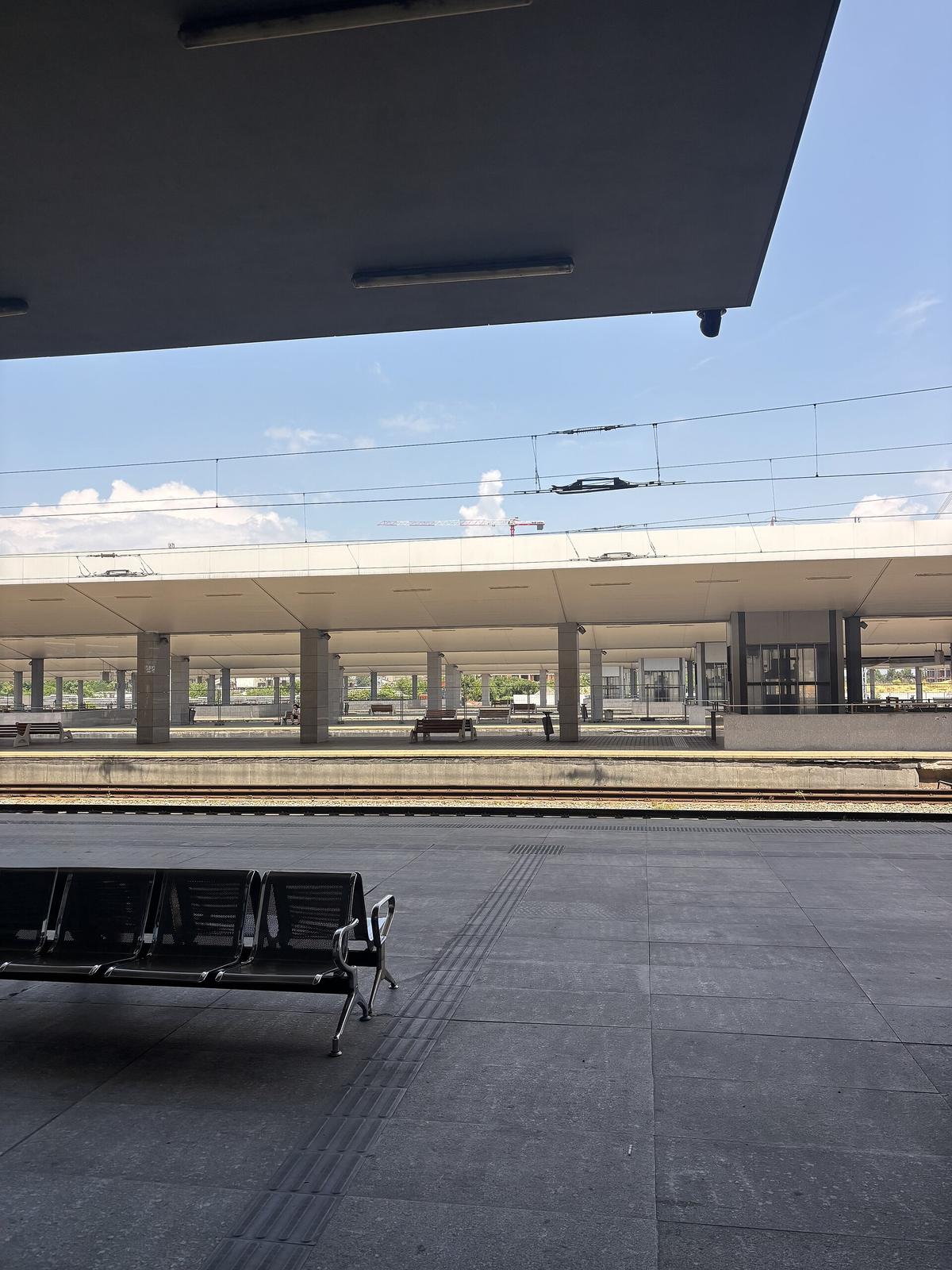
Rural police presence is thin. On a drive through the Rhodope range or the Balkan massif you can go two hours without seeing a marked police car. This is not a sign of danger. It is the result of low population density and a police force concentrated in cities and on major motorways. The lack of visible policing means you are self reliant. If you break down on a village road, roadside assistance will take 60 to 90 minutes, not 20. The absence of patrols also means that if you are in a collision with a stray animal or a horse drawn cart, you handle the documentation yourself. Keep a printed copy of your rental insurance contract and the emergency number for your rental company in the glovebox. Do not assume the other driver will have insurance. Cash is essential in rural areas. Many guesthouses, rural taverns, and bus drivers do not accept cards.
Health and Environmental Risks: What Travellers Overlook
Tap water in cities is fine. In Sofia and Plovdiv, drink it. In rural areas, variable conditions apply. High mineral or microbial content is possible in private wells and mountain springs. Locals rely on bottled or well water. The common food hygiene issue is unpasteurised dairy products sold in village markets. The roadside sirene cheese that looks authentic and cheap can carry brucellosis if unpasteurised. Buy dairy from supermarkets, not from the unrefrigerated stall at the market.
Ticks, Snakes, And Sun
Tick borne disease risk is present in rural and forested regions from spring through autumn. Lyme disease and Crimean Congo haemorrhagic fever are both documented. Tick season runs March through November, peaking in late spring and early summer. Cover skin, wear light coloured trousers, and check your entire body at the end of every hiking day. The nose horned viper is present in rocky and scrubland habitats. Bites require urgent medical attention. Hospital care is not free for visitors. You must have travel health insurance or pay out of pocket. Summer sun and heat risk in lowland areas, especially July and August, is serious. UV exposure is high and heat stress affects hikers who started late. Start all high altitude hikes by 07:00 in July and August.
Winter Hazard Above The Snowline
Avalanche risk exists in Rila and Pirin during snow season. The official weather warning service from the National Institute of Meteorology and Hydrology issues colour coded warnings for severe weather. Check the NIMH warning level before any winter ascent above 1,500 metres. Mountain rescue is under resourced. In Pirin and Rila do not rely on a quick response. Carry your own emergency bivvy, first aid kit, and enough warm layers to survive an unplanned night out.
Common Questions
Is Bulgaria safe for solo female travellers?
Yes, with standard precautions. Central Sofia, Plovdiv, and coastal resorts are safe during the day and evening. Avoid poorly lit underpasses and the area around the Central Railway Station in Sofia after 10pm. Use only officially metered taxis. On rural roads, stop for fuel and bathroom breaks before dark.
What should I do if a stray dog bites me?
Wash the wound with soap and water for 15 minutes immediately. Go to the nearest hospital. Rabies is present in Bulgaria. Post exposure prophylaxis must begin within hours, not days. The emergency number is 112.
Do I need a 4x4 to drive rural roads in Bulgaria?
No, but a standard sedan will bottom out on many unpaved tracks that Google Maps suggests as shortcuts. Stick to paved roads between villages. If the satellite view shows a dirt path, do not take it. Rent a car with higher ground clearance if you plan to explore the Rhodope range or the Balkan massif.
Is tap water safe to drink in Bulgarian villages?
Variable. In major cities like Sofia, Plovdiv, Varna, and Burgas it is safe. In rural areas, mineral and microbial content in private wells and mountain springs is unpredictable. Locals drink bottled water. Use bottled water for drinking and tooth brushing in mountain villages.
Are there ticks with Lyme disease in Bulgaria?
Yes. Lyme disease and Crimean Congo haemorrhagic fever are both present in rural and forested regions. Tick season is March through November, peaking in late spring and early summer. Check your entire body daily after hiking. Remove ticks with tweezers, not fingers.
How reliable is mountain rescue in the Rila and Pirin mountains?
Under resourced and slow. The Bulgarian Mountain Rescue Service is reachable via 112, but response time can be hours, especially in bad weather. Do not rely on a quick rescue. Carry your own first aid, an emergency bivvy, and extra food and water on every hike.
Can I use Uber or Bolt in Bulgaria?
No. Ride hailing apps are not operational. Only licensed taxi services are permitted. Use officially metered taxis from companies like OK Supertrans or Yellow Taxi. Unlicensed taxis at airports and bus stations quote inflated flat rates.
Read next
-
 Staying Connected in Bulgaria With eSIM, Local SIM, or Just Roaming
Compare eSIM convenience, local SIM value from Vivacom or A1, and EU roaming reliability for Bulgaria's mountain dead zones and coastal resorts.
Staying Connected in Bulgaria With eSIM, Local SIM, or Just Roaming
Compare eSIM convenience, local SIM value from Vivacom or A1, and EU roaming reliability for Bulgaria's mountain dead zones and coastal resorts.
-
 Best Time to Visit Bulgaria by Season and What Each One Actually Delivers
Bulgaria's seasons dictate more than weather: mountain lifts shut in May, the coast fills with Romanian families in July, and Easter closes everything.
Best Time to Visit Bulgaria by Season and What Each One Actually Delivers
Bulgaria's seasons dictate more than weather: mountain lifts shut in May, the coast fills with Romanian families in July, and Easter closes everything.
-
 Getting Around Bulgaria by Bus and Car When Timetables Are Aspirational
Bulgaria's bus network is a patchwork of private companies, cash fares, and aspirational timetables—here is how to make it work.
Getting Around Bulgaria by Bus and Car When Timetables Are Aspirational
Bulgaria's bus network is a patchwork of private companies, cash fares, and aspirational timetables—here is how to make it work.
-
 Bulgaria Visa Rules for Tourists and Digital Nomads Explained
Bulgaria sits at a Schengen crossroads: air and sea entry is now Schengen, land borders are not, and visa rules depend on your passport.
Bulgaria Visa Rules for Tourists and Digital Nomads Explained
Bulgaria sits at a Schengen crossroads: air and sea entry is now Schengen, land borders are not, and visa rules depend on your passport.
-
 Cash and Cards in Bulgaria What Actually Works at Taverns and Buses
The Bulgarian lev rules daily life: cards work in Sofia and big resorts, but rural buses, guesthouses, and station toilets demand coins.
Cash and Cards in Bulgaria What Actually Works at Taverns and Buses
The Bulgarian lev rules daily life: cards work in Sofia and big resorts, but rural buses, guesthouses, and station toilets demand coins.
-
 What a Trip to Bulgaria Actually Costs, Without the Spreadsheet Nonsense
Understand the shape of your Bulgaria budget: where money vanishes, where it stretches, and how the cash economy changes your spending.
What a Trip to Bulgaria Actually Costs, Without the Spreadsheet Nonsense
Understand the shape of your Bulgaria budget: where money vanishes, where it stretches, and how the cash economy changes your spending.
-
 A Ground-Level Logistics Guide to Independent Travel in China
First-time independent travel in China: what you need to know about visas, rail booking, eSIMs, mobile payments, and power adapters.
A Ground-Level Logistics Guide to Independent Travel in China
First-time independent travel in China: what you need to know about visas, rail booking, eSIMs, mobile payments, and power adapters.
-
 How Solo Travelers Stay Ahead of Flight Delays and Cancellations
How solo travelers can track inbound aircraft, claim rebooking rights, and adjust ground transport when flights go wrong — step by step.
How Solo Travelers Stay Ahead of Flight Delays and Cancellations
How solo travelers can track inbound aircraft, claim rebooking rights, and adjust ground transport when flights go wrong — step by step.
-
 Why Your eSIM Might Not Work Abroad and How to Check Before You Go
Buying an eSIM doesn't guarantee signal abroad. Learn why coverage fails by location and how to verify reach before you commit to a plan.
Why Your eSIM Might Not Work Abroad and How to Check Before You Go
Buying an eSIM doesn't guarantee signal abroad. Learn why coverage fails by location and how to verify reach before you commit to a plan.