A Bulgaria Trip Cost Breakdown Without the Spreadsheet Nonsense
Understand the shape of your Bulgaria budget: where money vanishes, where it stretches, and how the cash economy changes your spending.
The common wrong assumption about a Bulgaria trip is that it is universally cheap, a backpacker's bargain where every meal costs pocket change. That is not quite true. Bulgaria is affordable compared to Western Europe, but its cost structure has surprises. Some things cost far less than you expect. Others cut deep into a budget. Rental cars with full insurance. Imported spirits in bars. The real question is not whether Bulgaria is cheap. It is how much money you should realistically expect to spend per day, and what that money buys in terms of comfort and experience. Here is the Bulgaria trip cost breakdown you need to plan without spreadsheet nonsense.
The Bulgaria Trip Cost Breakdown: Three Budget Tiers
Your daily spend in Bulgaria depends on one choice: where you sleep. Lodging is the largest cost category for both budget and mid range travellers. Dorm beds, private guesthouse rooms, and three star hotels represent completely different experiences, not just different prices.
Budget Tier: Hostel And Banitsa
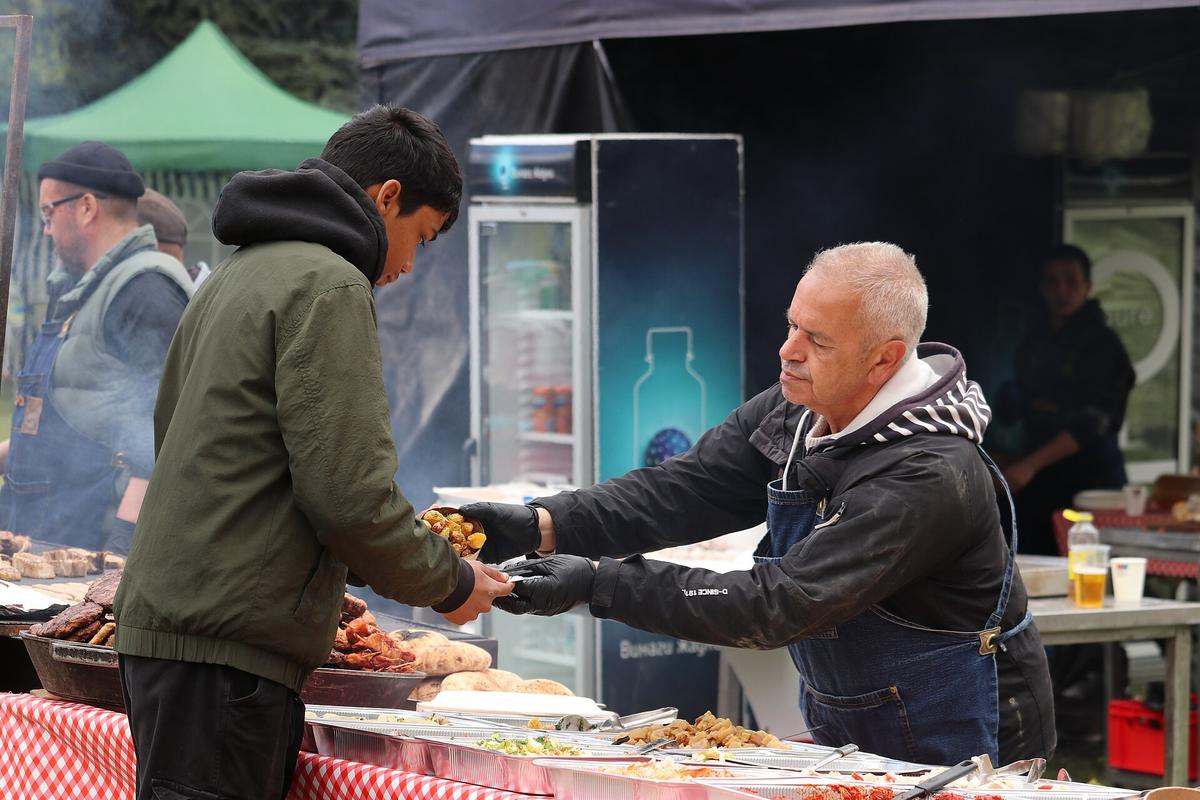
At the bottom end, you sleep in a hostel dorm or a family run guesthouse outside city centres. You eat banitsa from a bakery for breakfast and a two course meal in a mehana tavern for dinner. You drink domestic draught beer or rakia. Your largest daily costs are a bed and food, in that order. Public transport between cities costs very little. Museum entrance fees are unexpectedly cheap. The cash economy hits you here: many guesthouses and rural taverns do not accept cards. Carry Bulgarian lev in small denominations. Budget for roughly 40 to 60 BGN per day depending on location.
Midrange Tier: Private Rooms And Tavern Meals
Step up to an en suite room in a three star city hotel or a self catering apartment in a coastal or mountain resort. You eat a three course dinner with local wine in a city centre restaurant. You book a guided hike or a winery tour. Your largest cost remains a place to stay. Your second largest becomes activities and guided experiences, not food. At this tier you still benefit from cheap intercity buses and low site fees. But you notice the friction of Bulgaria's infrastructure: patchy pavements, Cyrillic only rural road signs, and sporadic English outside Sofia and Plovdiv. Budget around 100 to 150 BGN per day.
Splurge Tier: Black Sea Season
On the Black Sea coast in July and August, prices for coastal rooms double or triple. A three star hotel in Nessebar or Varna costs substantially more than the equivalent room in Sofia. Sunbed and umbrella rental on commercial beaches is a recurring daily cost that adds up over a week. Imported cocktails in bars are disproportionately expensive. Even here, you get value on local wine and seafood. The coast fills with Bulgarian, Romanian, and German holidaymakers. If you want polished service and manicured grounds outside a handful of five star enclaves, this tier still falls short of expectation. Budget above 200 BGN per day and expect peak season crowds.

How Much to Budget for Bulgaria: the Surprises
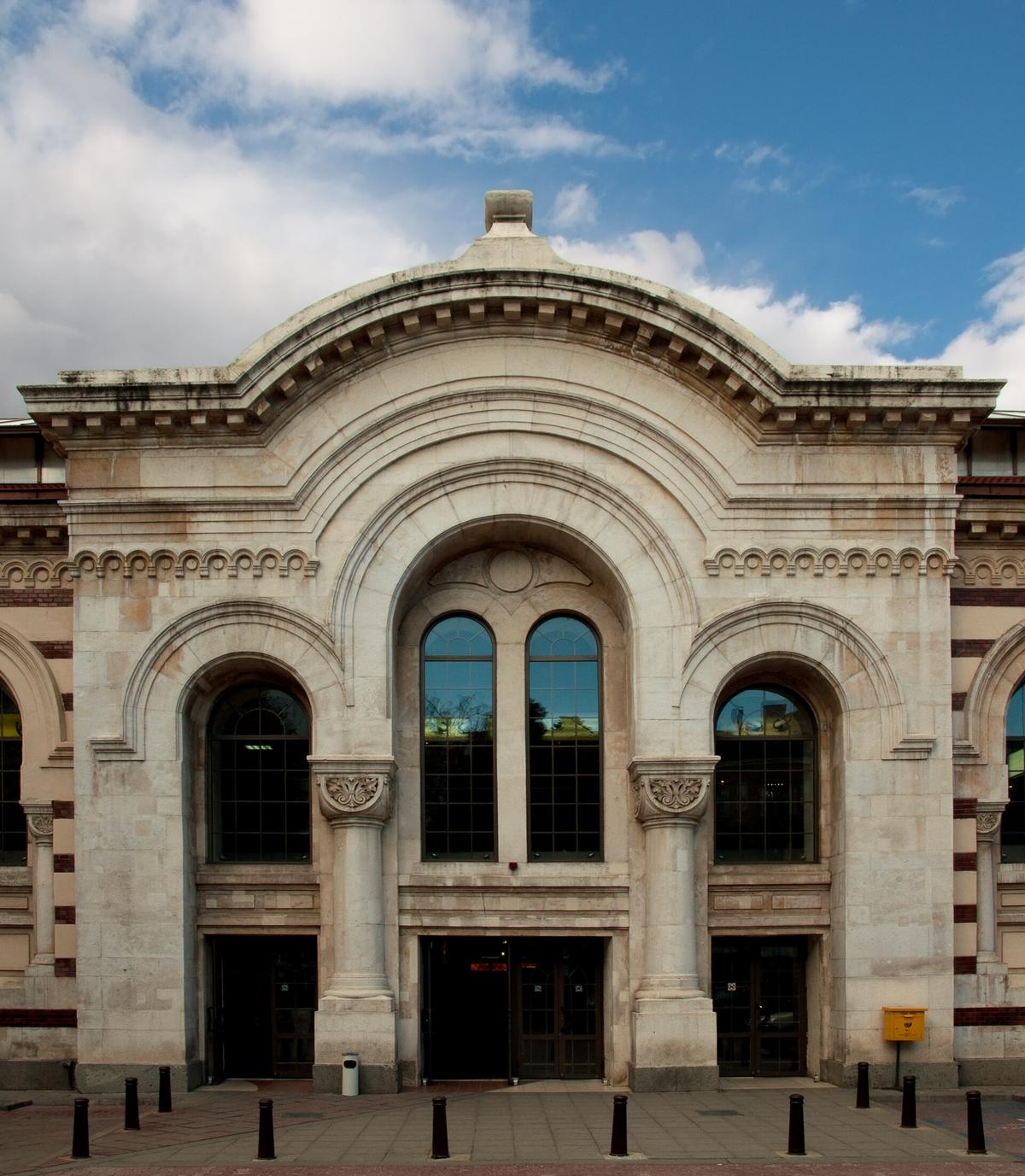
Two categories feel unexpectedly cheap: public transport, and museum or site entrance fees. An intercity bus from Sofia to Plovdiv costs roughly 10 to 15 BGN. The Sofia metro from the airport to the city centre costs about 1.60 BGN. The Thracian Tomb of Kazanlak and the Roman Theatre in Plovdiv charge entry well under 10 BGN. These low prices make a week long trip viable on a tight budget.
Two categories cost more than people expect. Rental cars with full insurance can double the base daily rate. One way drop fees add more. Ski lift passes in Bansko, Borovets, and Pamporovo are the dominant cost of a ski trip, while equipment rental and lessons are cheaper by comparison. A multi day lift pass for Bansko costs more than a week of hostel beds. Budget travellers planning a winter trip should check pass prices before booking a room.
Drink costs follow a clear shape. Domestic beer, rakia, and Bulgarian wine are cheap. Imported spirits and cocktails in Sofia cocktail bars are not. A 500 ml draught domestic beer in a neighbourhood bar costs about 2 to 3 BGN. A cocktail in a central Sofia bar costs 12 to 18 BGN. Order local and your bar tab stays low.
The Cash Economy Shapes Your Daily Budget
Bulgaria runs on cash outside Sofia and the largest cities. Many guesthouses, rural taverns, and intercity bus drivers do not accept cards. Bus timetables posted at stations are often aspirational. Confirm departure times by asking the driver or kiosk attendant directly on the day. Toilets in bus stations and rural restaurants charge 0.50 to 1 BGN and require coins. Stray dogs near hiking trailheads and remote monasteries can be aggressive; carry a walking stick and do not run.
The cash economy changes how you track spending. You cannot rely on a card statement at the end of the month. Withdraw lev from ATMs in cities. Keep a stack of 2 BGN and 5 BGN notes for buses, toilets, and bakery purchases. The Bulgarian lev is pegged to the euro at 1.95583 BGN per 1 EUR, so there is no currency exchange risk against the euro. Against other currencies the lev floats via the euro, and exchange rates at high street exchange offices are fair. Avoid the airport exchange desks.
How Long and Where to Go
The minimum time for a Bulgaria trip is seven days. Less than a week forces you to choose between mountains or coast, and you will spend too much of it in transit on slow roads. Trying to see the whole country in one week using public transport is the most common mistake. Buses between regions are slow and indirect. You burn two full days just repositioning between Sofia, the coast, and the mountains. Pick two regions maximum for a week.
For a budget traveller, the Rila and Pirin Mountains offer the best value. Trail access is free. Hut stays and chairlift rides are the main costs. The Rhodope Mountains are cheaper still, with remote villages and low season prices. The Black Sea coast in shoulder season, June or September, gives you reasonable rates without the peak season crowds. Avoid the coast in the first week of July when the Romanian school holiday exodus causes heavy traffic at border crossings and resort check ins. Avoid mountain resorts in late April to early May when lifts shut for maintenance and many guesthouses close.
Connectivity is not a concern in towns. 4G covers most populated areas. Local SIMs from A1, Vivacom, or Yettel cost about 10 to 15 BGN for 10 GB. Buy at high street shops, not the airport. EU roaming works for EU SIMs. Mountain valleys and Strandzha have dead zones, so download offline maps before driving rural routes.

What Goes Wrong Most Often
The single thing that most often goes wrong on a Bulgaria trip is underestimating travel time between regions. Bulgaria is larger than it looks on a map. Buses between regions are slow and indirect. A direct drive from Sofia to Burgas takes about 4 hours on the motorway. A bus takes longer. From Sofia to Varna by train takes 7 to 8 hours. The rail network connects major cities but is sparse in mountainous regions. There is no rail service to the Black Sea coast south of Burgas. If you book a week long trip and try to visit Sofia, the Rila Mountains, and the Black Sea coast, you will spend two of your seven days on buses. Choose two regions maximum. Plan each repositioning day as a travel day, not a sightseeing day. Your budget will hold up, but your patience will not if you do not account for the hours on the road.
Arrive at Sofia Airport. Take the metro line M1 to the city centre. 25 minutes, 1.60 BGN. From there, your trip begins properly.
Common Questions
Is Bulgaria cheap to travel?
Yes, compared to Western Europe, but the structure matters. Lodging is the largest cost category. Public transport and entrance fees are unexpectedly cheap. Rental cars with full insurance and imported spirits in bars are unexpectedly expensive. Budget travellers spending 40 to 60 BGN per day find good value. Midrange travellers spending 100 to 150 BGN per day also benefit from low site fees and cheap local food.
What is a realistic Bulgaria daily budget?
A realistic daily budget depends on your accommodation choice. Budget travellers on hostel dorms and bakery meals spend about 40 to 60 BGN per day. Midrange travellers in three star hotels with restaurant meals and activities spend 100 to 150 BGN. Splurge travellers on the Black Sea coast in July and August should budget above 200 BGN per day because coastal rooms double or triple. All figures exclude transport between regions.
What are Bulgaria prices for food and transport?
Food prices vary by location. A single banitsa from a bakery costs about 1 to 2 BGN. A two course meal in a mehana tavern outside city centres costs 10 to 15 BGN. A three course dinner with local wine in a city centre restaurant costs 25 to 40 BGN. Public transport is cheap. An intercity bus from Sofia to Plovdiv costs about 10 to 15 BGN. Single metro ticket in Sofia costs 1.60 BGN. Trains are cheaper than buses but slower.
Should I bring cash to Bulgaria?
Yes. Cash is essential outside Sofia and large cities. Many guesthouses, rural taverns, and bus drivers do not accept cards. Toilets in bus stations and rural restaurants charge 0.50 to 1 BGN and require coins. Withdraw Bulgarian lev from ATMs in cities. The lev is pegged to the euro at 1.95583 BGN per 1 EUR. Avoid airport exchange desks. Card acceptance is reliable in Sofia, Plovdiv, and coastal resorts.
What is the best time to visit Bulgaria on a budget?
Shoulder seasons offer the best balance. June and September on the Black Sea coast give reasonable rates without peak season crowds. April to June and September to October in Sofia and Plovdiv have good weather and moderate prices. November and March are the quietest periods with lowest prices but minimal tourist services in resorts. Avoid the coast in July and August when accommodation prices double or triple. Avoid mountain resorts in late April to early May when lifts close.
Read next
-
 Staying Connected in Bulgaria With eSIM, Local SIM, or Just Roaming
Compare eSIM convenience, local SIM value from Vivacom or A1, and EU roaming reliability for Bulgaria's mountain dead zones and coastal resorts.
Staying Connected in Bulgaria With eSIM, Local SIM, or Just Roaming
Compare eSIM convenience, local SIM value from Vivacom or A1, and EU roaming reliability for Bulgaria's mountain dead zones and coastal resorts.
-
 Best Time to Visit Bulgaria by Season and What Each One Actually Delivers
Bulgaria's seasons dictate more than weather: mountain lifts shut in May, the coast fills with Romanian families in July, and Easter closes everything.
Best Time to Visit Bulgaria by Season and What Each One Actually Delivers
Bulgaria's seasons dictate more than weather: mountain lifts shut in May, the coast fills with Romanian families in July, and Easter closes everything.
-
 Getting Around Bulgaria by Bus and Car When Timetables Are Aspirational
Bulgaria's bus network is a patchwork of private companies, cash fares, and aspirational timetables—here is how to make it work.
Getting Around Bulgaria by Bus and Car When Timetables Are Aspirational
Bulgaria's bus network is a patchwork of private companies, cash fares, and aspirational timetables—here is how to make it work.
-
 Bulgaria Visa Rules for Tourists and Digital Nomads Explained
Bulgaria sits at a Schengen crossroads: air and sea entry is now Schengen, land borders are not, and visa rules depend on your passport.
Bulgaria Visa Rules for Tourists and Digital Nomads Explained
Bulgaria sits at a Schengen crossroads: air and sea entry is now Schengen, land borders are not, and visa rules depend on your passport.
-
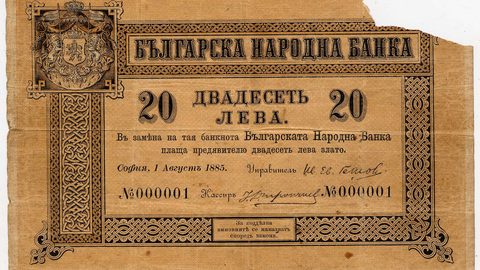 Cash and Cards in Bulgaria What Actually Works at Taverns and Buses
The Bulgarian lev rules daily life: cards work in Sofia and big resorts, but rural buses, guesthouses, and station toilets demand coins.
Cash and Cards in Bulgaria What Actually Works at Taverns and Buses
The Bulgarian lev rules daily life: cards work in Sofia and big resorts, but rural buses, guesthouses, and station toilets demand coins.
-
 Safety in Bulgaria Reading the Advice Without Being Misled by It
Bulgaria is statistically safe, but stray dogs, empty rural roads, and slow mountain rescue create risks that generic advice misses.
Safety in Bulgaria Reading the Advice Without Being Misled by It
Bulgaria is statistically safe, but stray dogs, empty rural roads, and slow mountain rescue create risks that generic advice misses.
-
 A Ground-Level Logistics Guide to Independent Travel in China
First-time independent travel in China: what you need to know about visas, rail booking, eSIMs, mobile payments, and power adapters.
A Ground-Level Logistics Guide to Independent Travel in China
First-time independent travel in China: what you need to know about visas, rail booking, eSIMs, mobile payments, and power adapters.
-
 How Solo Travelers Stay Ahead of Flight Delays and Cancellations
How solo travelers can track inbound aircraft, claim rebooking rights, and adjust ground transport when flights go wrong — step by step.
How Solo Travelers Stay Ahead of Flight Delays and Cancellations
How solo travelers can track inbound aircraft, claim rebooking rights, and adjust ground transport when flights go wrong — step by step.
-
 Why Your eSIM Might Not Work Abroad and How to Check Before You Go
Buying an eSIM doesn't guarantee signal abroad. Learn why coverage fails by location and how to verify reach before you commit to a plan.
Why Your eSIM Might Not Work Abroad and How to Check Before You Go
Buying an eSIM doesn't guarantee signal abroad. Learn why coverage fails by location and how to verify reach before you commit to a plan.