Sockets, Voltage and the Rain Gear Ireland Actually Requires
Ireland uses Type G sockets at 230 volts. The bigger packing question is rain gear: weather shifts within an hour, even in summer.
Ireland Plugs and Voltage: the One-Minute Answer
You land at Dublin Airport, find the nearest socket, and your phone charger does not fit. Ireland uses Type G sockets with three rectangular pins, 230 volts and 50 Hz, the same system as the United Kingdom. Most modern phone, camera and laptop chargers are dual-voltage (rated 110-240 V, 50/60 Hz). For these, you need only a simple plug adapter with a Type G output.
Single-voltage 110 V devices, such as some hair dryers and small kitchen appliances from North America, require a step-down transformer. Do not assume your hotel provides one. Budget guesthouses and older B&Bs rarely do.
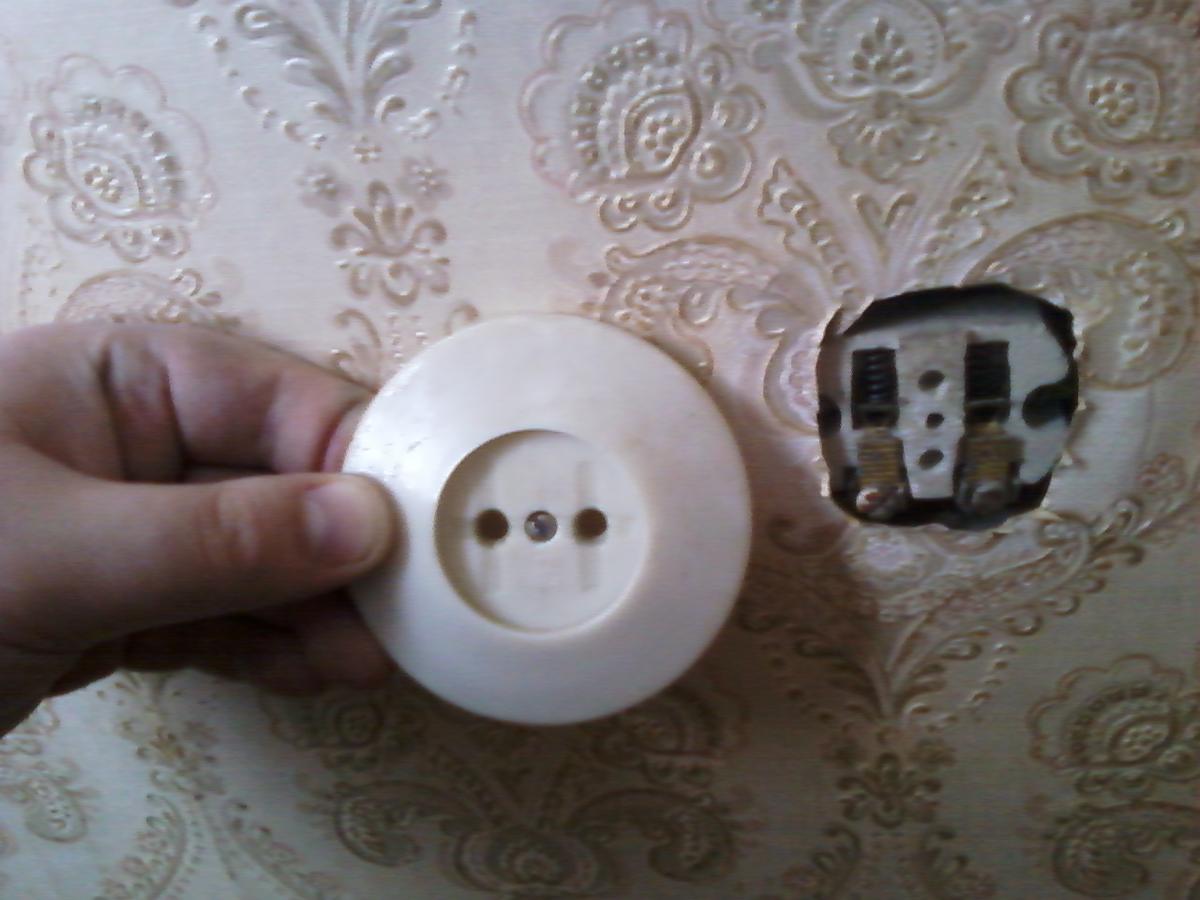

Ireland Power Adapter Type G: What to Bring and What to Leave
Buy a universal travel adapter with a Type G output before you leave. Airport electronics shops stock them, but they cost less at home. Check your device plugs: Type G accepts only the three-pin British standard plug. Two-pin European plugs (Type C, E, F) will not physically fit a Type G socket without an adapter.
USB Charging Across the Island
USB-A charging is common in hotels and guesthouses built or renovated since about 2015. Older B&Bs and traditional cottages often lack them. USB-C provision is increasing in newer hotels but is not standard across all property grades. Verify with your accommodation if you rely on USB-C.
On Iarnród Éireann InterCity trains refurbished since 2016, expect USB-A ports at seats. Expressway and Bus Éireann coaches on major routes carry USB-A and occasional USB-C ports, but availability varies by vehicle age. On regional and local buses, do not count on any USB provision at all. On ferries serving offshore islands and international routes, USB charging points are in passenger lounges, but availability varies by operator and vessel.
Ireland Electrical Outlets: Practical Notes for Your Trip
Ireland has a temperate maritime climate. That means wet and windy in every season. The west coast and uplands are wettest; the east and southeast are driest, but nowhere is dry. Packing the right rain gear matters more than worrying about voltage.
The standard mains voltage is 230 V, frequency 50 Hz. If you stay in a rural cottage, bring a power strip with a Type G plug. Most cottages have fewer sockets than you expect. Download offline maps before driving the west coast. Mobile coverage is good in towns and along main roads but patchy in mountains and remote peninsulas. Buy a prepaid SIM from Three, Vodafone or Eir in any town. eSIMs work but local SIMs are cheaper for data.
| Specification | Detail |
|---|---|
| Mains voltage | 230 V |
| Mains frequency | 50 Hz |
| Plug type | Type G (BS 1363, three rectangular pins) |
| Adapter needed for non-Type-G | Universal travel adapter with Type G output |
| Dual-voltage device (110–240 V, 50/60 Hz) | Plug adapter only |
| Single-voltage 110 V device | Step-down transformer required |
What to Pack for Ireland Weather: the Rain Gear Reality
A waterproof jacket with a hood is not optional. Bring one, even for July. The west coast sees rain in every month; the east gets less but still gets enough to ruin a walk in cotton. Umbrellas do not work here. Atlantic wind snaps spokes, turns them inside out, and leaves you wetter than wearing nothing. Pack a rain jacket with a good hood and seal the cuffs. A rain skirt over trousers also works for long walks.
Footwear Is the Second Priority
Waterproof boots or shoes with decent tread. Dublin is fine in trainers on a dry day, but the west coast and any walk, Glendalough, the Burren, the Dingle Peninsula, need grip on wet rock. Pack one pair you can walk 15 km in and another for pubs and dinner.
Layers Over Heavy Coats
Summer daytime temperatures sit at 15 °C to 20 °C, with occasional peaks to 25 °C. Winter daytime is 5 °C to 8 °C, with overnight frosts possible inland. A single heavy coat is wrong for both. A baselayer (merino or synthetic), a mid-layer (fleece or light down), and a waterproof shell cover everything from a 5 °C morning to a 20 °C afternoon. The weather changes several times a day. Layering lets you adapt on a five-minute stop.
Summer Rain Gear: It Is Still Needed
Peak season is June to August. Long daylight hours, approximately 17 to 18 hours in mid-summer, and the best chance of drier weather. But rain gear is needed even in summer. Weather can shift within an hour. The phrase 'soft day' means steady rain. You will hear it often.
Midges are present near lakes and bogs in calm, warm, humid conditions, mainly May to September. They carry no disease risk, but they are a nuisance. Pack insect repellent containing DEET or picaridin if you plan any still-water walks.
Common Questions
Do I need a voltage converter for Ireland?
Only if your device is single-voltage 110 V. Most modern electronics, phones, laptops, cameras, tablets, are dual-voltage (rated 110-240 V, 50/60 Hz) and need only a plug adapter. Check the label on the charger block. If it says 'Input: 100-240 V', you are safe. If it says 'Input: 110 V' only, you need a step-down transformer.
Can I use a European two-pin plug in Ireland?
No. Type G sockets accept only three-pin rectangular plugs. A European two-pin plug (Type C, E, F) will not fit without an adapter.
Do Irish hotels have USB ports?
USB-A charging is common in hotels built or renovated since approximately 2015. Older B&Bs and traditional cottages may have none. USB-C is increasing in newer hotels but is not standard across all property grades. Verify with your accommodation if USB-C is essential.
What rain jacket should I bring for Ireland?
A waterproof jacket with a hood that seals. Gore-Tex or a similar breathable membrane. Not a fashion raincoat. Not a packable emergency poncho for anything more than a city lunch. Wind resistance is as important as waterproofing.
Is it worth bringing an umbrella?
No. Umbrellas fail in the Atlantic wind. Pack a hooded rain jacket instead. If you must carry one for Dublin pubs, buy a cheap one there.
What temperature should I pack for in August?
15 °C to 20 °C daytime, with occasional peaks to 25 °C. Evenings drop 5-10 degrees. Layers handle this range: a baselayer, a fleece, and a waterproof shell.
Do I need to book car parking at the Cliffs of Moher?
Yes. Book parking online before you arrive, especially in peak season (June to August). The car park fills by late morning. On-street options are scarce.
Read next
-

 Staying Connected in Ireland, eSIM, Local SIM or Neither
Compare eSIM and local SIM options for Ireland, understand where coverage drops out on the west coast, and learn why offline maps are essential.
Staying Connected in Ireland, eSIM, Local SIM or Neither
Compare eSIM and local SIM options for Ireland, understand where coverage drops out on the west coast, and learn why offline maps are essential.
-
 Best Time to Visit Ireland by Season Weather and Crowds
Ireland has no single best month. Summer brings long days and crowds, autumn brings storms and quiet roads, winter closes much of the rural west.
Best Time to Visit Ireland by Season Weather and Crowds
Ireland has no single best month. Summer brings long days and crowds, autumn brings storms and quiet roads, winter closes much of the rural west.
-
 Getting Around Ireland by Rental Car Train and Rural Bus
A rental car is the only practical way to see most of Ireland, but trains and buses work for city-to-city travel. Rural sightseeing by public transport is poor.
Getting Around Ireland by Rental Car Train and Rural Bus
A rental car is the only practical way to see most of Ireland, but trains and buses work for city-to-city travel. Rural sightseeing by public transport is poor.
-
 Ireland Visa Requirements for Tourists and UK Border Rules
Who needs a visa for Ireland, who does not, and how the Irish short-stay visa process works for tourists, including UK border complications.
Ireland Visa Requirements for Tourists and UK Border Rules
Who needs a visa for Ireland, who does not, and how the Irish short-stay visa process works for tourists, including UK border complications.
-
 Money in Ireland How Euros Cards and Cash Work for Visitors
Ireland runs on euros in the Republic and sterling in Northern Ireland. Cards dominate in cities, but cash still matters in rural pubs and markets.
Money in Ireland How Euros Cards and Cash Work for Visitors
Ireland runs on euros in the Republic and sterling in Northern Ireland. Cards dominate in cities, but cash still matters in rural pubs and markets.
-
 Safety in Ireland for Visitors Roads Water and Rural Risks
Ireland is safe for tourists in the ways that usually worry people, but rural roads, cliff edges and fast-changing Atlantic weather are the real risks.
Safety in Ireland for Visitors Roads Water and Rural Risks
Ireland is safe for tourists in the ways that usually worry people, but rural roads, cliff edges and fast-changing Atlantic weather are the real risks.
-
 A Ground-Level Logistics Guide to Independent Travel in China
First-time independent travel in China: what you need to know about visas, rail booking, eSIMs, mobile payments, and power adapters.
A Ground-Level Logistics Guide to Independent Travel in China
First-time independent travel in China: what you need to know about visas, rail booking, eSIMs, mobile payments, and power adapters.
-
 How Solo Travelers Stay Ahead of Flight Delays and Cancellations
How solo travelers can track inbound aircraft, claim rebooking rights, and adjust ground transport when flights go wrong — step by step.
How Solo Travelers Stay Ahead of Flight Delays and Cancellations
How solo travelers can track inbound aircraft, claim rebooking rights, and adjust ground transport when flights go wrong — step by step.
-
 Why Your eSIM Might Not Work Abroad and How to Check Before You Go
Buying an eSIM doesn't guarantee signal abroad. Learn why coverage fails by location and how to verify reach before you commit to a plan.
Why Your eSIM Might Not Work Abroad and How to Check Before You Go
Buying an eSIM doesn't guarantee signal abroad. Learn why coverage fails by location and how to verify reach before you commit to a plan.