Understanding Safety in Ireland for Tourists Beyond the Warnings
Ireland is safe for tourists in the ways that usually worry people, but rural roads, cliff edges and fast-changing Atlantic weather are the real risks.
Safety in Ireland for Tourists: the Risks That Actually Hurt
What Actually Hurts Visitors
You are behind the wheel of a rental car on a single-track road in County Clare, grass growing up the centre line, when a tractor crests the hill ahead at 30 km/h and a sheep steps out of the hedge on your left. You brake. The car behind you brakes. For three seconds everyone holds their breath. That moment, not a mugging in a Dublin alley, is where the real safety question for Ireland lives. The genuine assessment of safety in Ireland for tourists has almost nothing to do with crime and almost everything to do with narrow roads, Atlantic weather, unguarded cliffs and the fact that a 120 km route on Google Maps takes two and a half hours.
Violent crime against visitors is rare. An Garda Síochána, the national police force, records very few incidents involving tourists, and the country consistently ranks among the safest destinations in Europe for personal security. The risks that actually send visitors to hospital are driving errors, coastal falls and weather exposure.
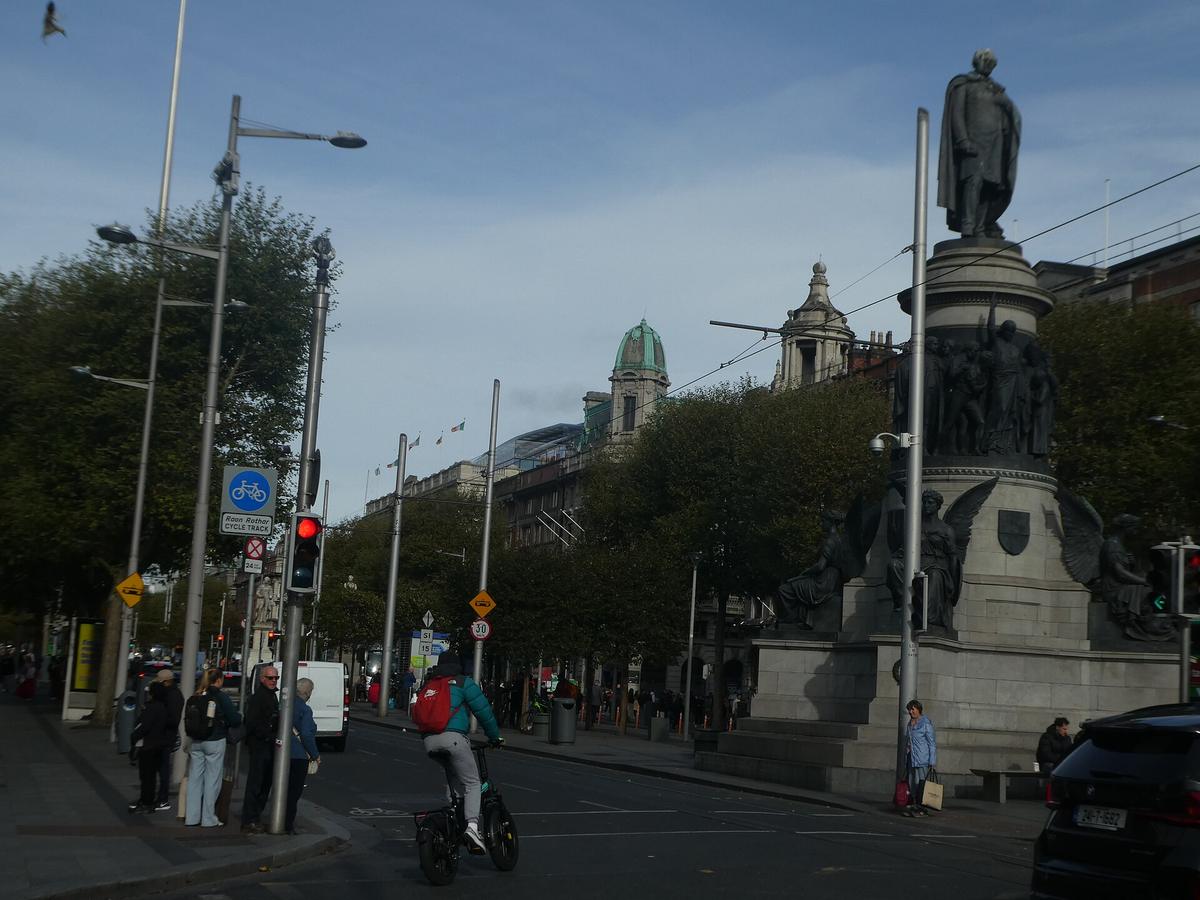

Ireland Road Safety for Visitors
Know the Roads, Not Just the Side
Ireland road safety for visitors starts with one rule: keeping left is the easy part. The hard part is the roads themselves. Motorways (120 km/h limit) and national roads (100 km/h) are well maintained, but the moment you turn off onto a regional or local road, the speed limit drops to 80 km/h and the reality drops faster. Many rural roads, called boreens, are single track with grass growing up the middle. Passing places are irregular. Visibility over stone walls and hedgerows is zero.
The most common accident pattern is a head-on collision on a blind bend. Irish drivers know these roads and take them at speed; tourists unfamiliar with the width drift toward the centre. Stay on your side of the road, slow to 50 km/h or less on bends you cannot see through, and pull into a passing place if you are holding up a queue of local cars. That queue may be longer than you expect.
A second pattern is rear-ending the car that stopped abruptly for livestock. Sheep, cattle and deer appear without warning on unfenced upland roads. Scan the verges, not just the tarmac.
Speed Limits and Fines
Speed limits are strict: 120 km/h on motorways, 100 km/h on national roads, 80 km/h on regional and local roads, 50 km/h in urban areas and 30 km/h in special built-up zones. Speeding fines are issued on the spot or by post from a hire car. Seatbelts are mandatory for all occupants, front and rear. Children up to 150 cm or 36 kg must use a car seat; rental companies supply them if booked in advance.
Alcohol and Mobile Phones
The legal blood alcohol limit for fully licensed drivers is 50 mg per 100 ml of blood. For learner and professional drivers it is 20 mg, which is effectively zero. Hand-held phone use is prohibited; hands-free is permitted. Enforcement is routine on major routes.
The Driving Time Trap
The most consistent mistake visitors make is underestimating how long a route takes. A 100 km drive on regional roads can take two hours or more. If your itinerary says you will drive from Killarney to Dingle, do the Ring of Kerry and get back for dinner in the same day, you will be navigating in the dark on roads with no street lighting. That is the moment accidents happen. Build no more than three hours behind the wheel into any day, and expect every journey to take 30% longer than Google Maps says.
Ireland Coastal Safety: Cliffs, Water and Atlantic Weather
Cliffs Without Barriers
Ireland coastal safety is not about shark warnings or venomous jellyfish, which do not exist at dangerous levels here. It is about cliffs without barriers, rip currents on exposed Atlantic beaches and conditions that turn a sunny walk into a whiteout within 20 minutes.
The Cliffs of Moher rise high above the Atlantic. There are guardrails in the official visitor area, but not along the cliff path beyond. People die here every few years, usually by stepping back for a photo or walking near the edge in high wind. Stay at least two metres from any cliff edge. If the grass at the verge is wet, do not go near it. The same applies at Slieve League in Donegal, which has fewer barriers and more exposed edges than Moher.
On the coast below the cliffs, rip currents are the main hazard. Lifeguards patrol designated Blue Flag beaches only during the summer months, and the exact dates vary by local authority. If you are swimming on an unguarded beach in May or September, you are on your own. Check with the local lifeguard service or the Irish Coast Guard before entering the water on the Atlantic coast.
Weather Turns Fast
Met Éireann issues Status Yellow, Orange and Red warnings for wind, rain, snow, ice and thunderstorms. A Red warning means stay indoors. Even a Yellow warning for wind on the west coast can make cliff walking dangerous. Check the forecast the morning of every outdoor activity, and if you see a Status Orange or Red, cancel the hike. The Atlantic light that photographers chase comes with Atlantic weather systems that arrive without notice.
Is Ireland Safe for Solo Travellers?
Yes, with the same caveats that apply to any rural driving destination. Solo travellers are not at elevated risk of crime in Irish cities or towns. The most common issue for solo visitors is the loneliness of a breakdown on a remote road where mobile coverage is weak. Mobile coverage is good in towns and along main roads but patchy in mountains and remote peninsulas. Download offline maps before driving the west coast. Buy a prepaid SIM from Three, Vodafone or Eir if your roaming plan does not cover Ireland well. Solo hikers on the Dingle Peninsula or in Connemara National Park should register their route with their accommodation and carry a charged phone, a power bank and rain gear, even on a clear morning.
In accommodation and social settings, solo travellers report feeling safe and welcomed. The warmth of the people is real. The friction is practical: parking in small towns requires coins, many rural B&Bs close between October and March, and the pace of everything is slower than planned. Budget for that, not for security concerns.
Ireland Rural Driving Risks
The Boreen and the Tractor
Ireland rural driving risks are the subject of more visitor accident reports than any other category. The most hazardous scenario is a driver unfamiliar with left-hand drive on a single-track boreen in the west of Ireland, meeting an oncoming tractor at a blind corner. You must reverse to the nearest passing place. The car behind you may have to do the same. This is not an emergency; it is Tuesday in Clare.
Winter adds another layer. Major routes are salted and gritted, but minor roads may remain untreated. Daylight in late December runs to about 7.5 hours, so much of your travel will happen in the dark or at twilight. Rural roads have no street lighting. If you are driving between October and March, plan to reach your accommodation by 16:30.
Fuel is expensive. Expect to pay between €1.70 and €2.00 per litre for petrol and diesel. Electric vehicle charging is available on the ESB ecars public network plus private operators, but charge points are sparse in the northwest. If you are renting an EV, plan your charging stops before you leave.
Rental car age minimum is 25 and maximum 75, varying by company. Automatic transmission costs significantly more and must be booked well ahead. Most cars in the Irish rental fleet are manual. If you cannot drive manual, book an automatic at the same time as your flight, not the week before.

| Road Type | Speed Limit (km/h) | Typical Condition |
|---|---|---|
| Motorway | 120 | Divided, well maintained, lit near cities |
| National road (primary and secondary) | 100 | Two-lane, undivided, good surface |
| Regional and local road | 80 | Single track, grass centre, blind bends, livestock |
| Urban area | 50 | Narrow streets, pedestrians, parked cars |
| Built-up zone | 30 | School zones, housing estates, tight corners |
What About Crime, Wildlife and Health?
Crime
Violent crime against tourists is rare. Petty theft happens in crowded tourist areas in Dublin city centre, particularly around Temple Bar and on public transport, but the rates are lower than in most European capitals. Keep your wallet in a front pocket and do not leave valuables visible in a parked car in a tourist car park. An Garda Síochána is approachable and responsive; call 112 or 999 for any emergency.
Wildlife
Ireland has no dangerous wildlife. There are no venomous snakes. Ticks are present in wooded, boggy and grassland areas from spring to autumn, and Lyme disease is endemic. Check yourself after walking through long grass or heather. Biting midges are active near water and bogland in summer, especially at dawn and dusk in the west and northwest; insect repellent with DEET works. Rabies is not present.
Health Infrastructure
The Health Service Executive (HSE) runs the public healthcare system. The European Health Insurance Card (EHIC) covers EU/EEA/Swiss citizens for medically necessary public care. Non-EU visitors should buy private travel health insurance; upfront payment may be required for GP and hospital services. A GP visit for a private patient costs a fee that varies by practice. Pharmacies are widely available in towns and cities but limited in rural areas on Sundays and late nights. Prescription medications can be imported in personal-use quantities with original packaging and a prescription.
Tap water is potable throughout the country. Public water supplies are fluoridated at 0.6-0.8 mg/L.
The One Thing That Goes Wrong Most Often
The single most common failure on an Ireland trip is trying to see too much in too few days. A visitor lands at Dublin Airport, rents a car, drives to the Cliffs of Moher the same afternoon, attempts the Ring of Kerry the next day, pushes to Donegal on day three, and spends the fourth day in a car park trying to reverse a manual rental car into a gap smaller than the wheelbase. That itinerary is not ambitious; it is dangerous, because the crash comes from fatigue, not incompetence.
Minimum days for the Republic and Northern Ireland together is seven. Less than a week forces you to choose between the west coast and everything else, and you will spend too much of it in transit. Pick two regions. Drive the Dingle Peninsula but skip the Ring of Kerry. See Connemara and the Burren but leave Donegal for a return trip. The roads will still be narrow, the conditions will still change four times before lunch, and the sheep will still step out from behind the hedge. But you will have the time and the attention to handle it.
Common Questions
What is the emergency number in Ireland?
Dial 112 or 999. Both connect to the same emergency services: police (An Garda Síochána), ambulance, fire brigade, coast guard and mountain rescue.
Do I need a car to see Ireland safely?
A rental car is the only practical way to see most of the country outside Dublin. Public transport works for point-to-point travel between cities but is poor for rural sightseeing, and relying on buses leaves you exposed to weather delays and limited schedules in remote areas.
Is it safe to drink the tap water in Ireland?
Yes. Tap water is potable throughout the country. Public supplies are treated and fluoridated at safe levels.
Can I use my mobile phone in remote areas of Ireland?
Mobile coverage is good in towns and along main roads but patchy in mountains and remote peninsulas. Download offline maps before driving the west coast. A prepaid SIM from Three, Vodafone or Eir is cheaper than most roaming plans for data.
What should I do if a sheep is on the road?
Slow down and stop. Do not honk. Do not accelerate around it. Sheep panic and run unpredictably. If the animal does not move, wait for it to clear the road or for a local farmer to appear, which usually happens quickly.
Is the Cliffs of Moher safe in windy weather?
No. In high winds, the path beyond the barrier area becomes dangerous. Check Met Éireann's forecast before you drive there. If a Status Orange or Red wind warning is in place for Clare, skip the cliffs and visit the Burren instead, where the terrain is lower and more sheltered.
Do I need a visa to visit Ireland as a tourist?
EU/EEA/Swiss citizens need a valid national ID card or passport. UK citizens do not need a passport within the Common Travel Area but airline ID requirements vary. Non-EU/EEA citizens need a valid passport and may need a visa depending on nationality. Some nationalities can use the short-stay visa waiver if they hold a valid UK visa. Check the Irish Short Stay Visa list maintained by the Department of Justice.
Read next
-
 Staying Connected in Ireland, eSIM, Local SIM or Neither
Compare eSIM and local SIM options for Ireland, understand where coverage drops out on the west coast, and learn why offline maps are essential.
Staying Connected in Ireland, eSIM, Local SIM or Neither
Compare eSIM and local SIM options for Ireland, understand where coverage drops out on the west coast, and learn why offline maps are essential.
-
 Best Time to Visit Ireland by Season Weather and Crowds
Ireland has no single best month. Summer brings long days and crowds, autumn brings storms and quiet roads, winter closes much of the rural west.
Best Time to Visit Ireland by Season Weather and Crowds
Ireland has no single best month. Summer brings long days and crowds, autumn brings storms and quiet roads, winter closes much of the rural west.
-
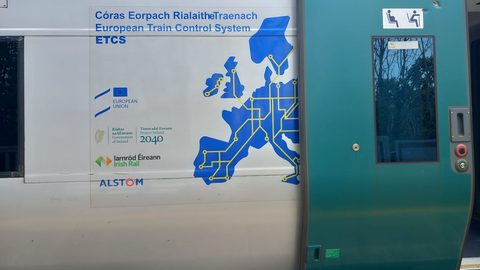 Getting Around Ireland by Rental Car Train and Rural Bus
A rental car is the only practical way to see most of Ireland, but trains and buses work for city-to-city travel. Rural sightseeing by public transport is poor.
Getting Around Ireland by Rental Car Train and Rural Bus
A rental car is the only practical way to see most of Ireland, but trains and buses work for city-to-city travel. Rural sightseeing by public transport is poor.
-
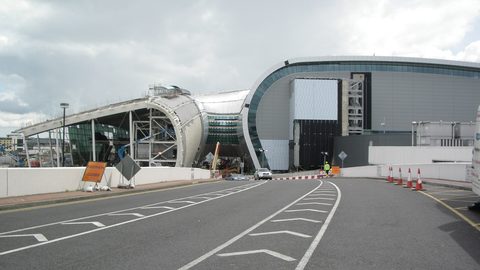 Ireland Visa Requirements for Tourists and UK Border Rules
Who needs a visa for Ireland, who does not, and how the Irish short-stay visa process works for tourists, including UK border complications.
Ireland Visa Requirements for Tourists and UK Border Rules
Who needs a visa for Ireland, who does not, and how the Irish short-stay visa process works for tourists, including UK border complications.
-
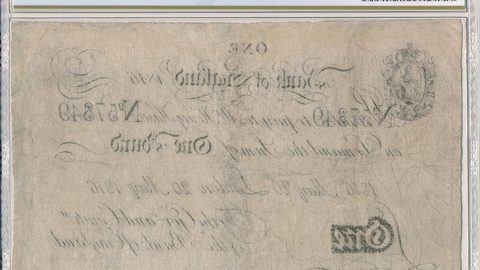 Money in Ireland How Euros Cards and Cash Work for Visitors
Ireland runs on euros in the Republic and sterling in Northern Ireland. Cards dominate in cities, but cash still matters in rural pubs and markets.
Money in Ireland How Euros Cards and Cash Work for Visitors
Ireland runs on euros in the Republic and sterling in Northern Ireland. Cards dominate in cities, but cash still matters in rural pubs and markets.
-
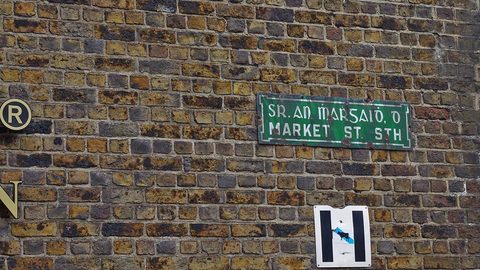 What a Trip to Ireland Costs, in Shape Rather Than in Figures
Understand the shape of Ireland trip costs: where money drains fast, where value hides, and how the rhythm of spending changes between Dublin and the west coast.
What a Trip to Ireland Costs, in Shape Rather Than in Figures
Understand the shape of Ireland trip costs: where money drains fast, where value hides, and how the rhythm of spending changes between Dublin and the west coast.
-
 A Ground-Level Logistics Guide to Independent Travel in China
First-time independent travel in China: what you need to know about visas, rail booking, eSIMs, mobile payments, and power adapters.
A Ground-Level Logistics Guide to Independent Travel in China
First-time independent travel in China: what you need to know about visas, rail booking, eSIMs, mobile payments, and power adapters.
-
 How Solo Travelers Stay Ahead of Flight Delays and Cancellations
How solo travelers can track inbound aircraft, claim rebooking rights, and adjust ground transport when flights go wrong — step by step.
How Solo Travelers Stay Ahead of Flight Delays and Cancellations
How solo travelers can track inbound aircraft, claim rebooking rights, and adjust ground transport when flights go wrong — step by step.
-
 Why Your eSIM Might Not Work Abroad and How to Check Before You Go
Buying an eSIM doesn't guarantee signal abroad. Learn why coverage fails by location and how to verify reach before you commit to a plan.
Why Your eSIM Might Not Work Abroad and How to Check Before You Go
Buying an eSIM doesn't guarantee signal abroad. Learn why coverage fails by location and how to verify reach before you commit to a plan.