The Bulgaria Public Holidays Calendar and the Orthodox Dates That Shift
Bulgaria's fixed holidays and shifting Orthodox Easter dates determine what is open: museums close, buses thin out, and Easter fills every guesthouse.
Fix one date and the rest of the calendar snaps into place. That date is 3 March, Liberation Day. Government offices, banks and schools close. City shops and places to eat stay open. Every other shutdown on this page orbits Orthodox Easter, a moveable feast that empties rural Bulgaria for four days. Know which closures strand you and which ones you will not notice.
The Bulgaria Public Holidays Calendar: Fixed, Moveable and What Actually Shuts
Bulgaria has 12 fixed national holidays. Four moveable ones follow Orthodox Easter. The fixed dates are law. The moveable ones shift each year and cause deeper disruption: accommodation fills and village services stop.
Fixed National Holidays
New Year's Day (1 January), Liberation Day (3 March), Labour Day (1 May), St George's Day (6 May, also Armed Forces Day), Day of Bulgarian Education and Culture and Slavonic Script (24 May), Unification Day (6 September), Independence Day (22 September), Day of the Enlighteners (1 November), Christmas Eve (24 December), Christmas Day (25 December) and the Second Day of Christmas (26 December). On all these dates, government offices, public administration, schools, banks and post offices shut. Large shopping malls, supermarkets, petrol stations and city cafes stay open. Public transport runs a Sunday or holiday timetable. Fewer buses. Longer waits.
Liberation Day on 3 March closes state institutions but barely touches tourism. Museums may close or cut hours; check each museum's website two weeks ahead. Unification Day on 6 September follows the same pattern. Sofia and Plovdiv function normally while small-town post offices lock their doors.
Moveable Feast: Orthodox Easter
The Bulgarian Orthodox Church uses the Julian calendar for the computus, so Easter lands one to five weeks after the Western date. The public holidays are Good Friday, Holy Saturday, Easter Sunday and Easter Monday. These four days cause the most disruption on the calendar. Orthodox Easter weekend triggers nationwide accommodation shortages and widespread closures of places to eat. On Easter Sunday most retail beyond hospitality shuts. Large malls may close entirely or reduce hours. Any dining room still open is booked weeks ahead. Rural areas in the Rhodope Mountains, the Rila foothills and the Balkan Range go dormant: no open tavernas or shops for kilometres. Public transport runs Sunday schedules on all four days. Book a table in Sofia, Plovdiv or a coastal city if you are travelling during this window.
School Holidays That Drive Prices
The school Easter break runs roughly one week aligned with Orthodox Easter. The Christmas break spans approximately 24 December to 2 January. The summer break lasts mid-June to mid-September. These periods drive domestic tourism and push accommodation prices up, especially in mountain resorts during Christmas and in coastal cities during July and August.

Practical Impact on Your Trip: Museums, Transport and the First Week of July
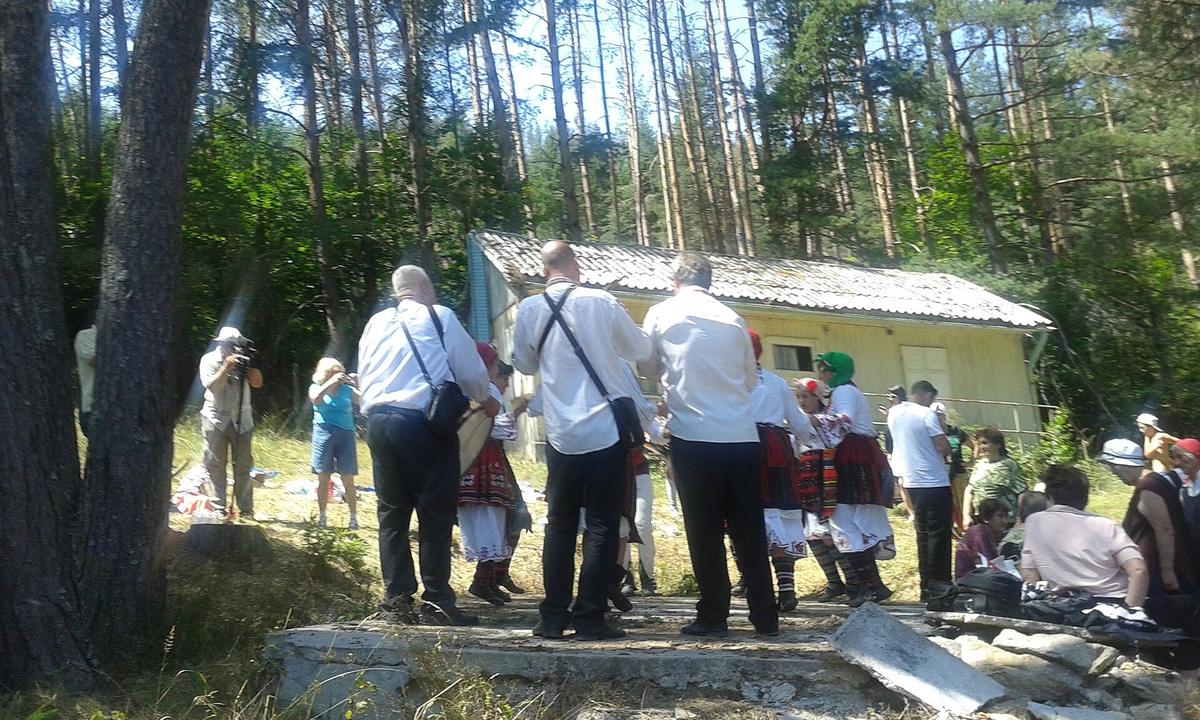
Museum closures on public holidays: Museum shutdowns on fixed holidays are inconsistent. In Sofia, the National History Museum and the National Art Gallery may close on Liberation Day, Unification Day and Independence Day. Smaller museums in Veliko Tarnovo, Plovdiv and Nessebar shut on all fixed public holidays plus Easter weekend. Call two days ahead. Do not bank on the posted schedule being accurate; bus timetables posted at stations are often aspirational, and the same caution applies to museum opening hours on a public holiday.
Public transport: Intercity buses run Sunday schedules on every national holiday. Fewer departures. Longer gaps. Some routes do not operate at all on Easter Sunday. The intercity bus network is fragmented, with private companies running from separate stations within one city. On a holiday, confirm departure times by asking the driver or kiosk attendant directly on the day. Carry cash. The ticket machine may not be staffed.
The first week of July: This is not a Bulgarian holiday. It is a de facto congestion period, the Romanian school-holiday exodus. Romanian holidaymakers drive south to the Bulgarian Black Sea coast. Heavy traffic chokes border crossings and resort check-ins. On the coast, accommodation prices double and dining rooms in resorts such as Sunny Beach, Nessebar and Sozopol fill completely. The busiest border crossing is Ruse, Giurgiu via the Danube bridge. Driving from Sofia to Burgas or Varna in the first week of July, add two hours. Avoid the coast in the first week of July entirely.
Rural areas on Easter weekend: Rural areas go dormant during Orthodox Easter. In the Rhodope Mountains, Strandzha and the Danube Plain, guesthouses may have no staff, tavernas may not open, and the only open shop might be a petrol station 20 kilometres away. Stock food and cash before the Thursday before Good Friday.
| Holiday | Date Or Pattern | What Actually Shuts |
|---|---|---|
| New Year's Day | 1 January | Government, banks, schools; shops stay open |
| Liberation Day | 3 March | Government, museums may reduce hours; shops open |
| Labour Day | 1 May | Government; shops and places to eat open |
| St George's Day | 6 May | Government, some museums; city commerce open |
| Education and Culture Day | 24 May | Government; shops and cafes open |
| Unification Day | 6 September | Government; most commerce open in cities |
| Independence Day | 22 September | Government; museums may close |
| Day of the Enlighteners | 1 November | Government only; few closures for visitors |
| Christmas Eve | 24 December | Government, most shops close early; dining rooms open |
| Christmas Day | 25 December | Government, most retail; some dining rooms open |
| Second Day of Christmas | 26 December | Government, most retail; some dining rooms open |
| Orthodox Easter (Good Friday to Easter Monday) | Moveable Julian date | Nationwide accommodation shortages; rural dining rooms and shops closed; public transport on Sunday schedule |

Bulgaria Orthodox Easter Dates and How to Plan Around Them
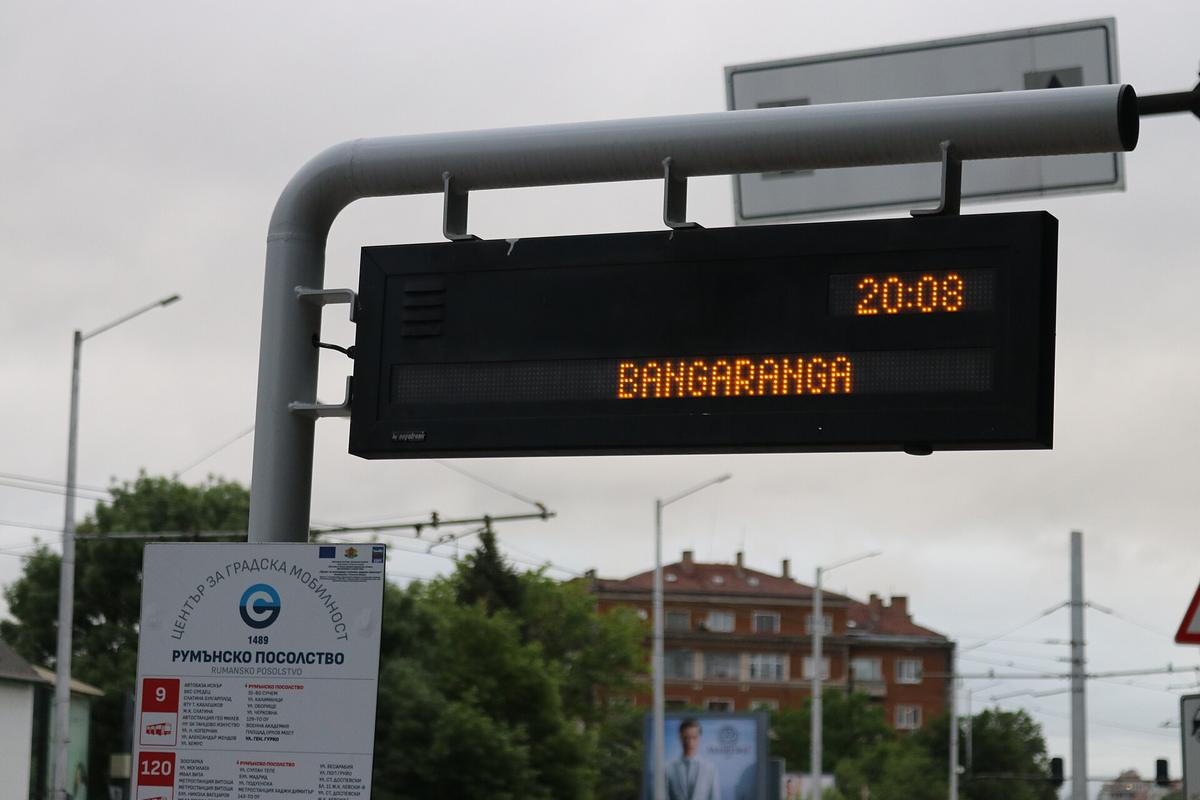
Orthodox Easter dates follow the Julian calendar computus set by the Bulgarian Orthodox Church. The feast lands anywhere from early April to early May. The four-day weekend runs Thursday before Good Friday through Easter Monday. Orthodox Easter weekend causes nationwide accommodation shortages and dining-room closures.
Book accommodation at least eight weeks ahead if you plan to be in Bulgaria during this period. For Rila Monastery, accessible year-round but with limited on-site lodging, book the nearest guesthouse in the village of Pastra or in Rila town. For the Rhodope Mountains, book through a direct call to the guesthouse; online booking systems in rural areas are unreliable. For coastal cities such as Burgas and Varna, Easter weekend falls in low season for beach tourism (late April to early May is the shoulder season). Prices sit lower than July. The selection of open places to eat will be narrower.
The failure case: arriving on Good Friday without a reservation and finding every guesthouse in Veliko Tarnovo booked solid. The fallback is Sofia, which has enough hotel stock to absorb walk-ins, but even there, eat at a hotel dining room if you arrive after 18:00 on Easter Sunday.
Common Questions
What public holidays in Bulgaria shut shops and museums completely?
Easter Sunday closes most retail beyond hospitality. Large malls may close entirely. Museums close on Liberation Day, Unification Day and Independence Day plus Easter weekend. Government offices and banks shut on all 12 fixed holidays plus the four Easter moveable days.
How are Bulgaria Orthodox Easter dates determined each year?
The Bulgarian Orthodox Church uses the Julian calendar computus. The date falls one to five weeks after Western Easter, between early April and early May. Check the official website of the Bulgarian Orthodox Church for the exact date 12 months ahead.
Is Bulgaria Liberation Day a disruption for tourists?
No, unless you plan to visit a museum. Shops and places to eat stay open in cities. Public transport runs a Sunday schedule, so fewer buses. Rural museums may close. Check each museum's website two weeks ahead.
Does Bulgaria Unification Day close everything?
Government offices, schools, banks and post offices close. Large shopping malls, supermarkets and dining rooms stay open in Sofia and Plovdiv. Smaller towns may have fewer open options.
When do mountain resort lifts shut between seasons?
Late April to early May, when lifts shut for maintenance between ski and summer seasons. Many guesthouses close during this window. Avoid mountain resorts during this period.
What happens to public transport on public holidays?
Public transport in cities runs a Sunday or holiday timetable with fewer departures. Intercity buses are also reduced. Confirm departure times by asking the driver or kiosk attendant directly on the day, as posted timetables are often aspirational.
Which weeks should I avoid the Black Sea coast entirely?
Avoid the coast in the first week of July due to the Romanian school-holiday exodus, which causes heavy traffic at border crossings and resort check-ins and doubled accommodation prices. Also avoid the coast during Orthodox Easter weekend if you have not booked accommodation and dining rooms eight weeks ahead.
Read next
-
 Staying Connected in Bulgaria With eSIM, Local SIM, or Just Roaming
Compare eSIM convenience, local SIM value from Vivacom or A1, and EU roaming reliability for Bulgaria's mountain dead zones and coastal resorts.
Staying Connected in Bulgaria With eSIM, Local SIM, or Just Roaming
Compare eSIM convenience, local SIM value from Vivacom or A1, and EU roaming reliability for Bulgaria's mountain dead zones and coastal resorts.
-
 Best Time to Visit Bulgaria by Season and What Each One Actually Delivers
Bulgaria's seasons dictate more than weather: mountain lifts shut in May, the coast fills with Romanian families in July, and Easter closes everything.
Best Time to Visit Bulgaria by Season and What Each One Actually Delivers
Bulgaria's seasons dictate more than weather: mountain lifts shut in May, the coast fills with Romanian families in July, and Easter closes everything.
-
 Getting Around Bulgaria by Bus and Car When Timetables Are Aspirational
Bulgaria's bus network is a patchwork of private companies, cash fares, and aspirational timetables—here is how to make it work.
Getting Around Bulgaria by Bus and Car When Timetables Are Aspirational
Bulgaria's bus network is a patchwork of private companies, cash fares, and aspirational timetables—here is how to make it work.
-
 Bulgaria Visa Rules for Tourists and Digital Nomads Explained
Bulgaria sits at a Schengen crossroads: air and sea entry is now Schengen, land borders are not, and visa rules depend on your passport.
Bulgaria Visa Rules for Tourists and Digital Nomads Explained
Bulgaria sits at a Schengen crossroads: air and sea entry is now Schengen, land borders are not, and visa rules depend on your passport.
-
 Cash and Cards in Bulgaria What Actually Works at Taverns and Buses
The Bulgarian lev rules daily life: cards work in Sofia and big resorts, but rural buses, guesthouses, and station toilets demand coins.
Cash and Cards in Bulgaria What Actually Works at Taverns and Buses
The Bulgarian lev rules daily life: cards work in Sofia and big resorts, but rural buses, guesthouses, and station toilets demand coins.
-
 Safety in Bulgaria Reading the Advice Without Being Misled by It
Bulgaria is statistically safe, but stray dogs, empty rural roads, and slow mountain rescue create risks that generic advice misses.
Safety in Bulgaria Reading the Advice Without Being Misled by It
Bulgaria is statistically safe, but stray dogs, empty rural roads, and slow mountain rescue create risks that generic advice misses.
-
 A Ground-Level Logistics Guide to Independent Travel in China
First-time independent travel in China: what you need to know about visas, rail booking, eSIMs, mobile payments, and power adapters.
A Ground-Level Logistics Guide to Independent Travel in China
First-time independent travel in China: what you need to know about visas, rail booking, eSIMs, mobile payments, and power adapters.
-
 How Solo Travelers Stay Ahead of Flight Delays and Cancellations
How solo travelers can track inbound aircraft, claim rebooking rights, and adjust ground transport when flights go wrong — step by step.
How Solo Travelers Stay Ahead of Flight Delays and Cancellations
How solo travelers can track inbound aircraft, claim rebooking rights, and adjust ground transport when flights go wrong — step by step.
-
 Why Your eSIM Might Not Work Abroad and How to Check Before You Go
Buying an eSIM doesn't guarantee signal abroad. Learn why coverage fails by location and how to verify reach before you commit to a plan.
Why Your eSIM Might Not Work Abroad and How to Check Before You Go
Buying an eSIM doesn't guarantee signal abroad. Learn why coverage fails by location and how to verify reach before you commit to a plan.