Do You Need a Visa for Belgium
Belgium sits inside the Schengen Area. That single fact decides everything about entry requirements.
Do You Need a Visa for Belgium?
Belgium sits inside the Schengen Area. That single fact decides everything about entry requirements. Because Belgium does not issue a standalone national visa for short trips, any visa that gets you in is a Schengen visa, valid for travel across 27 European nations.
If you hold a passport from inside the EU, the EEA, or Switzerland, you do not need a visa to enter. You can cross the border with your national ID card. Everyone else falls into one of two groups: visa exempt for stays up to 90 days, or visa required.
The exemption list follows EU Regulation 2018/1806 Annex II. Nationals from the USA, UK, Canada, Australia, Japan, South Korea, Brazil, Argentina, UAE, and Israel, among others, may enter without a visa. The maximum stay is 90 days within any 180 day period across the entire Schengen zone. The clock resets when you leave. Overstay, and you breach the rules not just for Belgium but for every state in the zone.
For everyone else, including nationals of India, China, Russia, South Africa, and Turkey, a visa is required before travel. Belgium does not offer a visa on arrival or an e visa. Apply in person at a Belgian consulate or at an external visa centre authorised by the kingdom. The visa type is a Uniform Schengen Visa (Type C) for short stays up to 90 days.
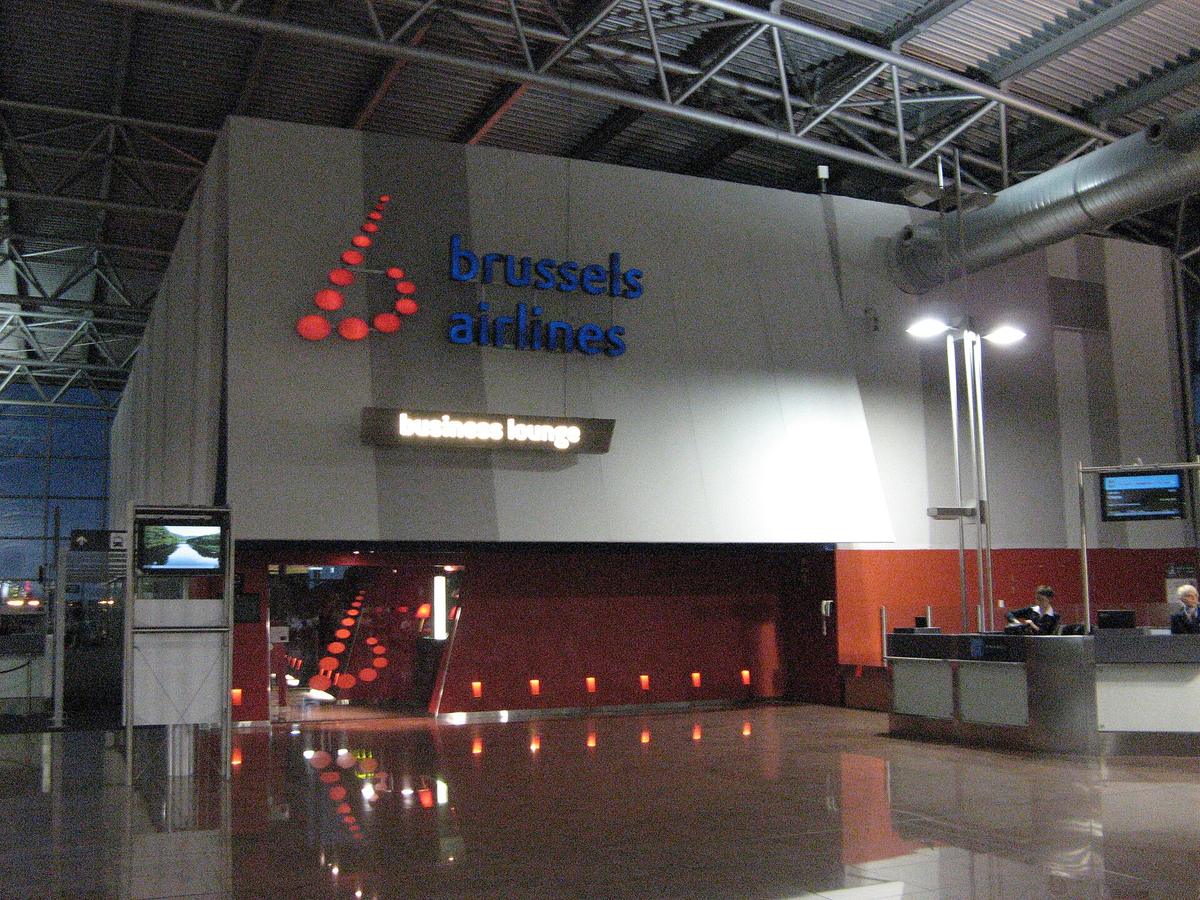

Schengen Visa Belgium Application: Who Applies and Where
The application process is the same whether you are flying to Brussels Airport from Delhi, taking the Eurostar from London, or arriving by train from a non Schengen state. Apply through the Belgian embassy or consulate in your residence nation. If Belgium has no consulate where you live, another Schengen state may represent it under a representation agreement. Check the Federal Public Service Foreign Affairs website (diplomatie.belgium.be) for the specific post that handles your nationality.
Book an appointment. Walk ins are not accepted. Appointments at busy posts, such as those in India and China, fill weeks ahead. Book as soon as you know your travel dates. The application requires a completed form, a valid travel document (issued less than 10 years ago and valid at least 3 months beyond your intended departure from Schengen), travel medical insurance covering at least EUR 30,000 across all Schengen states, proof of accommodation, proof of onward or return travel, and evidence of sufficient means of subsistence. The exact amount for sufficient means is set annually by the Belgian Immigration Office. Check the figure in force for your travel year on their site (dofi.ibz.be).
Standard processing takes 15 calendar days. It can extend to 45 days if your case needs further checks. Do not buy non refundable flights or accommodation before approval.
What About a Tourist Visa?
The tourist visa process is the same Schengen Type C application. There is no separate category. Apply for the Uniform Schengen Visa and state the purpose as tourism. You need the same documents: hotel bookings, travel insurance, itinerary, and proof of funds. The border officer may ask for your hotel details and return ticket on arrival.
Non EU arrivals via Eurostar face passport control at Brussels Midi station before they reach the main concourse. The checks include a verification in the Schengen Information System (SIS). Expect to show your travel document, your accommodation address, and the means by which you leave. Carry printed confirmations. Phone battery failure is a problem at 10pm in a train station.
Belgium Entry Requirements Non EU: What You Need at the Border
Entry requirements for non EU arrivals are stricter than for EU citizens. At any border point, Brussels Airport, Brussels Midi for Eurostar, or a land border from a non Schengen state, the officer conducts a systematic identity and document check. Non Schengen nationals receive an entry stamp. The officer may request proof of sufficient means of subsistence, a return or onward ticket, and hotel bookings.
If you hold a valid residence permit from any Schengen state, that permit serves in place of a visa for stays up to 90 days in any 180 day period. You do not need a separate Belgian visa. The permit itself is your entry document.
The 90/180 day rule catches experienced visitors. It counts all the days you spend in any Schengen state combined, not just Belgium. A long weekend in Paris in May plus a week in Amsterdam in June plus a trip to the capital in September can push you over the limit. Keep a running tally. The border officer can and does check the count in the SIS database.
Health Insurance for Visa Applicants
If you are applying for a visa, provide proof of travel medical insurance covering at least EUR 30,000 in medical expenses, valid in all Schengen states. The policy must cover repatriation. Most European travel insurance policies meet this. Check the wording before you buy. A policy that excludes any Schengen state invalidates your application.
Visa free visitors do not need to show insurance on entry, but skipping coverage is a risk. Belgian healthcare is high quality and non EU visitors pay full cost for treatment without reciprocal agreements. An uninsured hospital visit can cost thousands.
| Who | Document Needed | Max Stay | Where to Apply |
|---|---|---|---|
| EU/EEA/Swiss citizen | National ID card or passport | Unlimited | Not required |
| Visa free national (e.g. USA, UK, Canada, Australia, Japan, Brazil) | Valid passport (less than 10 years old, 3 months validity past departure) | 90 days in any 180 day Schengen period | Not required, but must meet border checks |
| Visa required national (e.g. India, China, Russia, South Africa, Turkey) | Valid passport + Uniform Schengen Visa (Type C) | 90 days within visa validity | Belgian consulate or authorised visa centre |
| Schengen residence permit holder | Valid residence permit from any Schengen state | 90 days in any 180 day period | Not required |
| Long stay (over 90 days) | National visa (Type D) | Per visa conditions | Belgian Immigration Office via consulate |
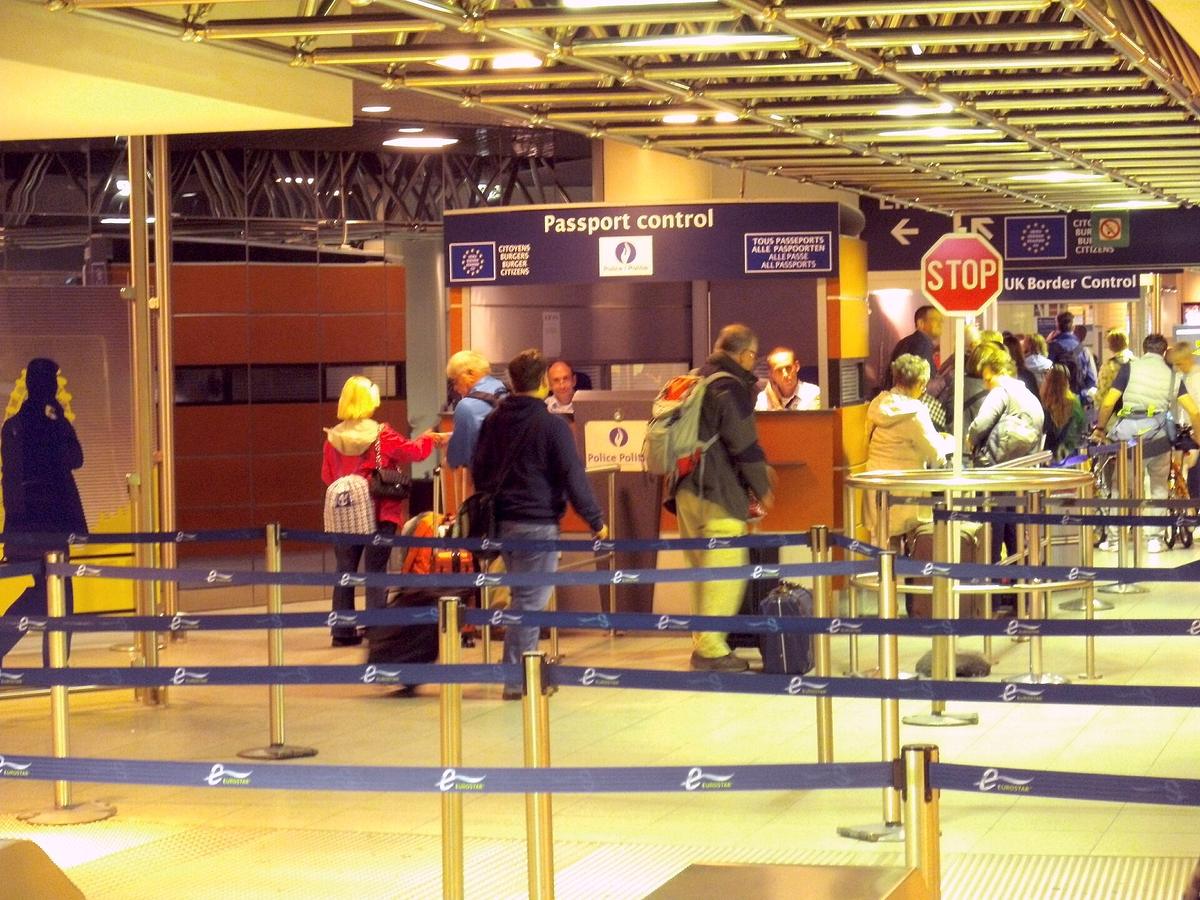

Belgium Border Control Schengen: What Actually Happens
Border control checks follow Regulation (EU) 2016/399, the Schengen Borders Code. For non Schengen nationals, the process is systematic. The officer examines your travel document, checks the entry and exit stamps, looks up your record in the Schengen Information System, and may ask about your itinerary. They have the legal authority to deny entry if you cannot show proof of accommodation, a return ticket, or sufficient funds. The requirements are set by Belgian immigration law and the amounts are reviewed annually.
For Schengen nationals, the check is lighter. Officers perform a systematic identity check against the travel document. There is no routine customs check on persons. You walk through.
Belgium has reintroduced temporary border controls in the past, under Articles 25 through 28 of the Schengen Borders Code, during high threat periods or major events. If controls are in effect on the day you travel, expect all passengers, including Schengen nationals, to show a passport or ID at the land borders with France, Germany, Luxembourg, and the Netherlands. Check the Federal Public Service Foreign Affairs site for the current status before you travel. The French and Dutch trains also run through these borders, and controls can slow the journey by 15 to 30 minutes.
Arriving by Eurostar from London, passport control happens at Brussels Midi station before you exit the platform area. The line builds if two trains arrive within minutes of each other. Allow an extra 15 minutes when your train arrives at peak times, around 11:00 or 19:00. British passport holders who have been in the UK should confirm they still meet the 90/180 day rule, since the UK left the Schengen zone in 2021.
Practical Realities That Derail a Trip
Your passport must be valid at least 3 months beyond your intended departure date. Issued less than 10 years ago. Two rules, and they are the most common reason visa free visitors are denied boarding at the airport. Check your document now. If it expires within 3 months of your return flight, renew it before you book anything.
The 90/180 day rule applies to your entire Schengen stay. A weekend in Paris plus a work trip to Amsterdam plus a holiday here counts as one continuous stay. Many visitors exceed the limit by miscalculating the entry and exit days. Day of entry counts as day 1. Day of exit counts as well. A single week over the 90 day limit can result in a re entry ban.
Train Station Language Shifts
Station names shift between Dutch and French at the regional border, and the platforms display the local language version. Liège is Luik on some signage and on your ticket. Mons is Bergen. Taking a train between Flanders and Wallonia, check the name in the language of the station you are leaving, not the one you entered. The SNCB/NMBS app shows both. Google Maps sometimes shows only one.
Shops and restaurants outside city centres close early. Lunch service in smaller Flemish towns stops by 13:30 and dinner seating ends by 21:00. Carry cash for public toilets. Coins are mandatory and card payment is rare. A 50 cent coin shortage at a tourist site is a real inconvenience.
Who Should Skip This Trip Entirely
This destination works for beer and food focused visitors, history enthusiasts drawn to WWI and WWII sites and medieval cities, art lovers chasing Flemish masters, cyclists wanting flat farmland or Ardennes hills within a small nation, and anyone who prefers short train hops between distinct cities over a single capital heavy trip. It does not work for those seeking dramatic wilderness or mountain scenery, because Belgium has neither. It does not work for nightlife first visitors expecting late night energy outside Ghent, Leuven, or a few student districts. If bilingual signage and regional language shifts disorient rather than charm you, choose a single language destination instead.
The single thing that most often goes wrong is the 90/180 day count. A visitor who spent 60 days in Spain five months ago and 50 days here now assumes they are fine. They are not. The window rolls backwards from the date of entry, not forward from a reset date. Count every day. That is the rule that gets people sent back home from Brussels Airport control.
Common Questions
How long can I stay in Belgium without a visa?
If you are from a visa free country, you can stay up to 90 days within any 180 day period. The count includes all time spent in any Schengen country, not just Belgium.
Do I need a visa to change trains at Brussels Midi?
If your train from London or Paris arrives at Brussels Midi and you are staying in the station or boarding another train, you still pass through passport control. There is no transit zone at Midi. You must legally enter the Schengen area. Carry your passport and visa if required.
What happens if my Schengen visa application is rejected?
You receive a formal refusal letter stating the reason. You can appeal the decision to the Belgian Immigration Office within 30 days. The appeal process takes weeks, not days. If you need to travel sooner, a new application with corrected documents may be faster.
Can I enter Belgium with a French Schengen visa?
Yes, as long as the visa is a valid Uniform Schengen Visa (Type C). You must enter through the country that issued the visa, or spend the majority of your trip in that country. Entering on a French visa and spending only 1 day in France is a violation. Border officers can ask for proof of itinerary.
I hold a US green card. Do I need a visa for Belgium?
A US green card does not exempt you from Belgian visa requirements. Your eligibility depends on your nationality, not your residency. If your passport is from a visa free country, you do not need a visa. If your passport is from a visa required country, you must apply for a Schengen visa regardless of your US residency status.
Where do I find the official Belgian visa application form?
The official application form is available on the Federal Public Service Interior Immigration Office website (dofi.ibz.be). Attach the current version for your travel year. Older versions may be rejected.
Is there any way to get a Belgian visa faster than 15 days?
No standard fast track exists. The 15 calendar day processing period can be shortened only in rare emergency cases verified by the consulate. Business travellers should plan for standard timelines.
Read next
-
 Staying Connected in Belgium With eSIM, Local SIM or Roaming
How to get mobile data in Belgium: eSIM before arrival, a prepaid Orange or Proximus SIM at Brussels Midi, and the reality of train WiFi dead zones.
Staying Connected in Belgium With eSIM, Local SIM or Roaming
How to get mobile data in Belgium: eSIM before arrival, a prepaid Orange or Proximus SIM at Brussels Midi, and the reality of train WiFi dead zones.
-
 Best Time to Visit Belgium by Season Weather Festivals and Crowds
You are standing on a Ghent canal in July. The sky did not decide what to do this morning: it shifted from overcast to light rain to hazy sun before you finis
Best Time to Visit Belgium by Season Weather Festivals and Crowds
You are standing on a Ghent canal in July. The sky did not decide what to do this morning: it shifted from overcast to light rain to hazy sun before you finis
-
 Getting Around Belgium by Train Bus and Tram Without Getting Lost at Stations
The single biggest friction in Belgian travel: the rail network is excellent, but stop names are in Dutch in Flanders and French in the south, and the two
Getting Around Belgium by Train Bus and Tram Without Getting Lost at Stations
The single biggest friction in Belgian travel: the rail network is excellent, but stop names are in Dutch in Flanders and French in the south, and the two
-
 Money in Belgium How Euros Cards and Cash Actually Work Day to Day
The most common mistake is thinking the whole country works like the capital. It does not.
Money in Belgium How Euros Cards and Cash Actually Work Day to Day
The most common mistake is thinking the whole country works like the capital. It does not.
-
 Is Belgium Safe Reading Travel Advice Without the Overblown Warnings
You are standing in line at a frites stand on the Grand Place, phone in one hand, wallet in your back pocket, bag slung open behind you.
Is Belgium Safe Reading Travel Advice Without the Overblown Warnings
You are standing in line at a frites stand on the Grand Place, phone in one hand, wallet in your back pocket, bag slung open behind you.
-
 What a Trip to Belgium Costs, From Trains to Trappists
How much Belgium costs per day, from train tickets and Trappist beers to hotel premiums in Bruges and where to find better value overnight.
What a Trip to Belgium Costs, From Trains to Trappists
How much Belgium costs per day, from train tickets and Trappist beers to hotel premiums in Bruges and where to find better value overnight.
-
 A Ground-Level Logistics Guide to Independent Travel in China
First-time independent travel in China: what you need to know about visas, rail booking, eSIMs, mobile payments, and power adapters.
A Ground-Level Logistics Guide to Independent Travel in China
First-time independent travel in China: what you need to know about visas, rail booking, eSIMs, mobile payments, and power adapters.
-
 How Solo Travelers Stay Ahead of Flight Delays and Cancellations
How solo travelers can track inbound aircraft, claim rebooking rights, and adjust ground transport when flights go wrong — step by step.
How Solo Travelers Stay Ahead of Flight Delays and Cancellations
How solo travelers can track inbound aircraft, claim rebooking rights, and adjust ground transport when flights go wrong — step by step.
-
 Why Your eSIM Might Not Work Abroad and How to Check Before You Go
Buying an eSIM doesn't guarantee signal abroad. Learn why coverage fails by location and how to verify reach before you commit to a plan.
Why Your eSIM Might Not Work Abroad and How to Check Before You Go
Buying an eSIM doesn't guarantee signal abroad. Learn why coverage fails by location and how to verify reach before you commit to a plan.