Practical Belgium Safety Travel Advice for Your Next Trip
You are standing in line at a frites stand on the Grand Place, phone in one hand, wallet in your back pocket, bag slung open behind you.
Safety in Belgium for Travellers
You are standing in line at a frites stand on the Grand Place, phone in one hand, wallet in your back pocket, bag slung open behind you. This is exactly where the pickpockets work. That is not a reason to skip the country. It is a reason to know where the actual risk sits, at what time, and what to do about it, rather than relying on the scare language governments put in travel advisories.
Belgium is safe. Violent crime against tourists is rare. The real risks are low level: theft from a distracted moment, a bag taken off a train rack, a car window smashed at a rest stop. You should travel here. You should also arrive knowing exactly where to keep your hand on your wallet.
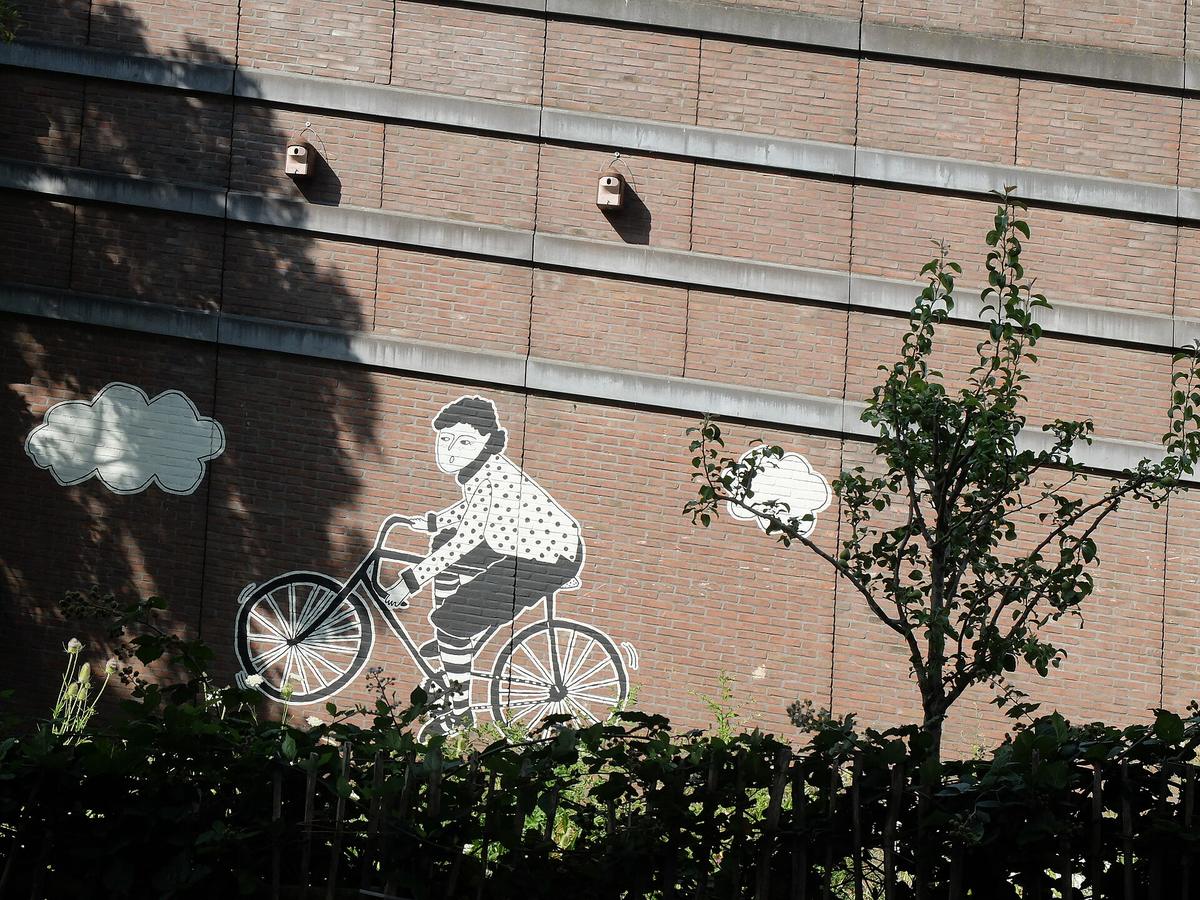
Brussels Midi and the Real Pickpocketing Risk
Brussels Midi Station
Brussels Midi is the single highest risk location for pickpocketing in the country. Every traveller passes through it: Eurostar arrives here, the Flibco bus from Charleroi drops you here, and metro lines 1 and 5 connect through it. The crowds at the platform exits, the ticket machine queues, and the escalators are where a hand slips into an unzipped bag. Keep your wallet in a front pocket or a zipped inside jacket pocket. Keep your phone out of your hand while you move through the station.
Other High-Risk Spots
The same risk applies on the Grand Place (packed by 10am), the Meir shopping street in Antwerp, and the Markt in Bruges. Pickpockets work the same technique everywhere: one person distracts, the other lifts. The fake petition signer approaches you with a clipboard. A second person reaches for your bag. The "found gold ring" scam works the same way. Ignore both and keep walking.
Metro After Dark
On the Brussels metro after 10pm, stay aware on lines 1 and 5, particularly at Rogier and Gare du Nord. These are not dangerous in the violent sense, but the combination of low passenger numbers and multiple exits makes bag snatching easier. Sit near the driver cabin or in a carriage with other passengers.
Petty Crime in Neighbourhoods You Will Visit
Where to Walk and Where to Skip
Safe neighbourhoods in the capital for evening walks include the EU quarter, Ixelles, and the Sablon area. Avoid spending extended time around the immediate exits of Gare du Nord late at night. The tunnel underpasses are empty and the pickpocket risk shifts to snatch theft. The Marolles neighbourhood during the day is fine; its flea market is busy and safe.
Train Bag Theft
Watch your bags on the overhead rack. Bag snatching from the rack happens on intercity routes between the capital, Ghent, and Antwerp, particularly when the train stops at a station and the thief exits with your bag before you notice. The fix is simple: keep a bag that fits on your lap, or loop the strap around the rack bar. Do not place a phone or wallet on the train table while you sleep.
Vehicle Break-Ins
Smash-and-grab from parked cars is the main vehicle crime. The E40 and the E411 rest areas at night are where it happens. Do not leave a bag visible in a parked car. Put everything in the boot before you arrive at the rest area, not after you park.
| Situation | Number | Notes |
|---|---|---|
| General emergency | 112 | Works from any phone, EU wide, multilingual operators |
| Police | 101 | For non emergency reports, theft, lost property |
| Ambulance / Fire | 100 | For medical emergencies only |
| Local Police | Varies by municipality | Brussels police deal with tourists in English, French, and Dutch |
| Federal Police | Nationwide | Handles specialised crime and major incidents; reachable via 101 |
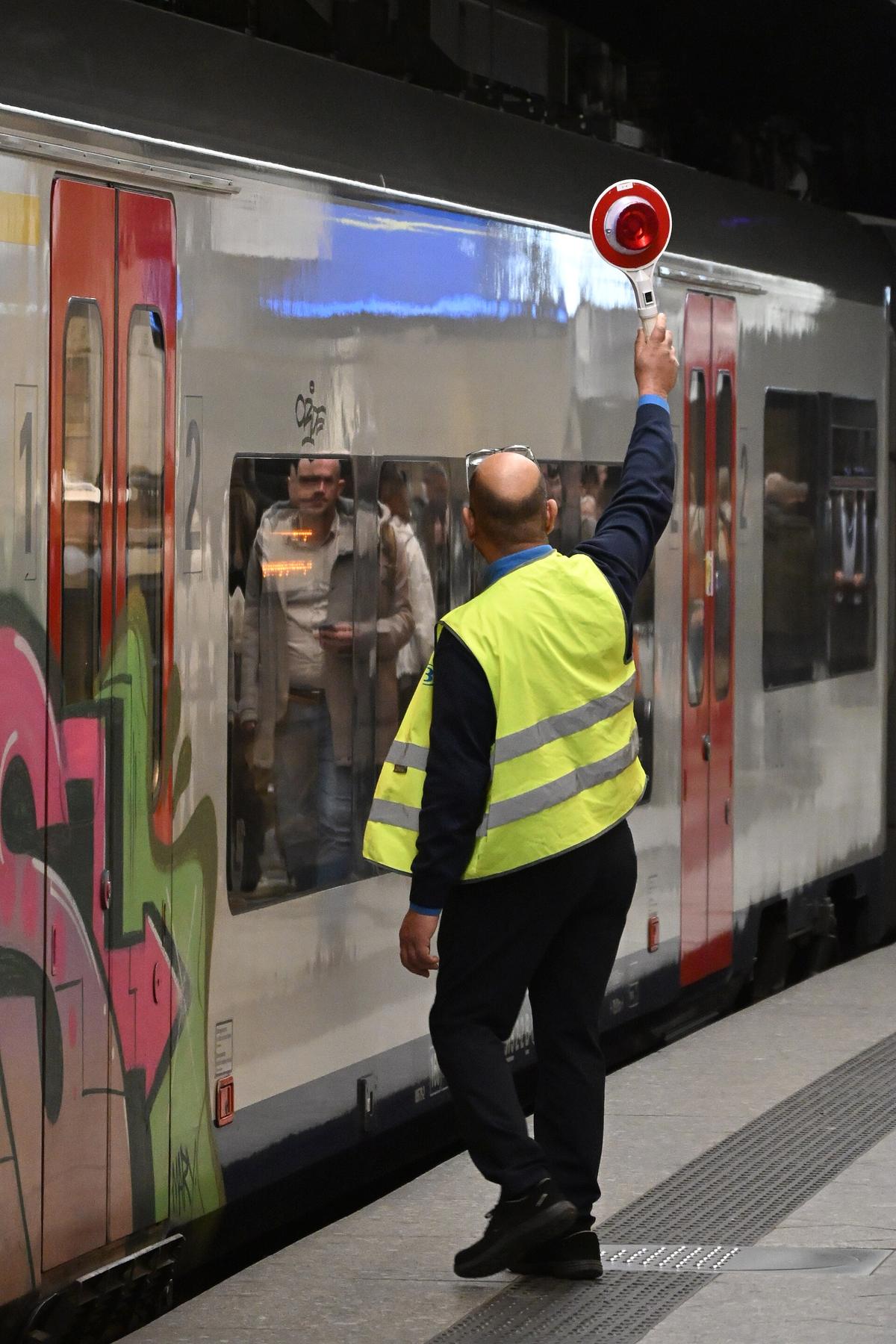


Solo Travel, Night Safety, and Emergency Preparedness
Solo Travel After Dark
Solo travel safety here is good. The country is compact, trains run until roughly 11pm on most routes, and the street crime rate in the centre of any town is low. The main risk for a solo traveller is the quiet evening: outside of Ghent and the student areas of Leuven and Liège, restaurants stop serving dinner by 21:00, and streets in Bruges empty by 20:30. Start your evening meal by 19:00 so you are not walking hungry through closed streets. After dark, stick to the main squares and lit bicycle lanes rather than the canal paths in Bruges or the back alleys of the Marolles.
Reporting a Theft
Dial 101 to report a theft. The police will file a declaration you need for insurance. Brussels police are efficient with tourists: they speak English and will direct you to the nearest station for a written report. Save 112 in your phone before you arrive. It is the single number that works across all emergencies.
Health Essentials
Pharmacies are identified by a green cross. If you need one after hours, the on call roster is posted on every pharmacy door and listed on the local municipality website. Tap water is safe to drink everywhere, so you do not need bottled water.
Lyme disease is present in wooded areas, particularly in the Ardennes and the Campine region. Tick activity peaks in late spring and early summer. After a hike, check your skin. Ticks are the only health risk worth thinking about in this country.
Traffic, Driving, and Cycling Safety
Rules of the Road
Drive on the right. The minimum driving age is 18. Seatbelts are mandatory for all occupants. Children under 1.35m must use an appropriate child restraint. The blood alcohol limit is 0.5 g/L for standard drivers, and 0.2 g/L for professional drivers. Using a handheld phone while driving is prohibited. The speed limit in built up areas is 50 km/h, but the capital has a general default of 30 km/h in most zones. On motorways the limit is 120 km/h. Outside built up areas the limit is 90 km/h in both Flanders and Wallonia, though Wallonia signs some roads at 70 km/h.
Cycling and Breakdowns
Cycling infrastructure is extensive in Flanders, with separated lanes on most roads. Cyclists have priority when cycling straight ahead at intersections in Flanders if marked. In Wallonia, bike lanes are sparser and you will share more road with cars. Always carry a warning triangle and reflective vest in your car; they are compulsory. If you break down on a motorway, wear the vest before exiting the vehicle.
Low Emission Zones and Tolls
Low emission zones operate in Antwerp, the capital, and Ghent. If your vehicle is registered abroad, register online before entering. The fee depends on your vehicle type, fuel, and Euro standard. Belgian motorways have no toll for standard vehicles, except the Liefkenshoek tunnel near Antwerp. Do not rely on a vignette. There is none.
Common Questions
Is Belgium safe for tourists right now?
Yes. Belgium has low violent crime rates. The terrorism threat level is assessed by OCAD/OCAM on a scale of 1 to 4 and published on their website. The level changes annually and is not a reason to cancel a trip. Petty crime is the real concern, and it is manageable with basic precautions.
What is the emergency number in Belgium?
112 for any emergency, 101 for police, 100 for ambulance and fire. 112 works EU wide from any phone. Save it before you arrive.
Where are pickpockets worst in Belgium?
Brussels Midi station, Brussels Gare du Nord, metro lines 1 and 5, the Grand Place, Antwerp Central Station and the Meir, Ghent trams and Korenmarkt, and Liège Gare des Guillemins. Keep your phone and wallet in a front pocket or zipped bag.
What scams should I watch for in Belgium?
Fake petition signers who approach with a clipboard while a second person lifts your wallet. The "gold ring" distraction where someone drops a ring near you and tries to involve you in a false discovery. Ignore both and keep walking.
Is it safe to travel solo in Belgium?
Yes. Solo travel is safe across the country. The main issue is that restaurants and shops close early outside of Ghent and a few student cities. Start your evening meal by 19:00 and stick to well lit main squares after dark.
Is the tap water safe to drink in Belgium?
Yes. Tap water is potable nationwide. You do not need to buy bottled water. Water hardness varies: soft in the Ardennes, very hard in Flanders and parts of Brussels.
What should I do if my car is broken into at a rest area?
Report it to the local police via 101. File a declaration for your insurance. The risk is highest on the E40 and E411 at night. Never leave bags visible in the car; put them in the boot before you park, not after.
Read next
-
 Staying Connected in Belgium With eSIM, Local SIM or Roaming
How to get mobile data in Belgium: eSIM before arrival, a prepaid Orange or Proximus SIM at Brussels Midi, and the reality of train WiFi dead zones.
Staying Connected in Belgium With eSIM, Local SIM or Roaming
How to get mobile data in Belgium: eSIM before arrival, a prepaid Orange or Proximus SIM at Brussels Midi, and the reality of train WiFi dead zones.
-
 Best Time to Visit Belgium by Season Weather Festivals and Crowds
You are standing on a Ghent canal in July. The sky did not decide what to do this morning: it shifted from overcast to light rain to hazy sun before you finis
Best Time to Visit Belgium by Season Weather Festivals and Crowds
You are standing on a Ghent canal in July. The sky did not decide what to do this morning: it shifted from overcast to light rain to hazy sun before you finis
-
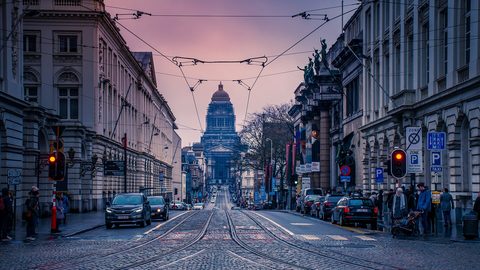 Getting Around Belgium by Train Bus and Tram Without Getting Lost at Stations
The single biggest friction in Belgian travel: the rail network is excellent, but stop names are in Dutch in Flanders and French in the south, and the two
Getting Around Belgium by Train Bus and Tram Without Getting Lost at Stations
The single biggest friction in Belgian travel: the rail network is excellent, but stop names are in Dutch in Flanders and French in the south, and the two
-
 Belgium Visa Requirements for Short Trips and Schengen Rules Explained
Belgium sits inside the Schengen Area. That single fact decides everything about entry requirements.
Belgium Visa Requirements for Short Trips and Schengen Rules Explained
Belgium sits inside the Schengen Area. That single fact decides everything about entry requirements.
-
 Money in Belgium How Euros Cards and Cash Actually Work Day to Day
The most common mistake is thinking the whole country works like the capital. It does not.
Money in Belgium How Euros Cards and Cash Actually Work Day to Day
The most common mistake is thinking the whole country works like the capital. It does not.
-
 What a Trip to Belgium Costs, From Trains to Trappists
How much Belgium costs per day, from train tickets and Trappist beers to hotel premiums in Bruges and where to find better value overnight.
What a Trip to Belgium Costs, From Trains to Trappists
How much Belgium costs per day, from train tickets and Trappist beers to hotel premiums in Bruges and where to find better value overnight.
-
 A Ground-Level Logistics Guide to Independent Travel in China
First-time independent travel in China: what you need to know about visas, rail booking, eSIMs, mobile payments, and power adapters.
A Ground-Level Logistics Guide to Independent Travel in China
First-time independent travel in China: what you need to know about visas, rail booking, eSIMs, mobile payments, and power adapters.
-
 How Solo Travelers Stay Ahead of Flight Delays and Cancellations
How solo travelers can track inbound aircraft, claim rebooking rights, and adjust ground transport when flights go wrong — step by step.
How Solo Travelers Stay Ahead of Flight Delays and Cancellations
How solo travelers can track inbound aircraft, claim rebooking rights, and adjust ground transport when flights go wrong — step by step.
-
 Why Your eSIM Might Not Work Abroad and How to Check Before You Go
Buying an eSIM doesn't guarantee signal abroad. Learn why coverage fails by location and how to verify reach before you commit to a plan.
Why Your eSIM Might Not Work Abroad and How to Check Before You Go
Buying an eSIM doesn't guarantee signal abroad. Learn why coverage fails by location and how to verify reach before you commit to a plan.