When to Go to Belgium and What Each Season Actually Delivers
You are standing on a Ghent canal in July. The sky did not decide what to do this morning: it shifted from overcast to light rain to hazy sun before you finis
When to Go to Belgium and What Each Season Actually Delivers
You are standing on a Ghent canal in July. The sky did not decide what to do this morning: it shifted from overcast to light rain to hazy sun before you finished one coffee. That is Belgian weather. It does not change by season. The best time to visit depends on what you can tolerate in exchange for the thing you came for. If you need crowds low and hotel rates reasonable, the answer is May or September. If you want Christmas markets and do not mind paying a steep premium for a Bruges hotel room, December works. If you arrive in August expecting restaurants to be open, check the closure dates first.
Belgium Peak Season July and August: What the Crowds and Costs Actually Look Like
July and August are peak season, driven by European school holidays. Hotel prices in Bruges and the coast rise 30 to 50 percent compared to shoulder months. Book four months ahead or accept a hotel outside the canal ring.
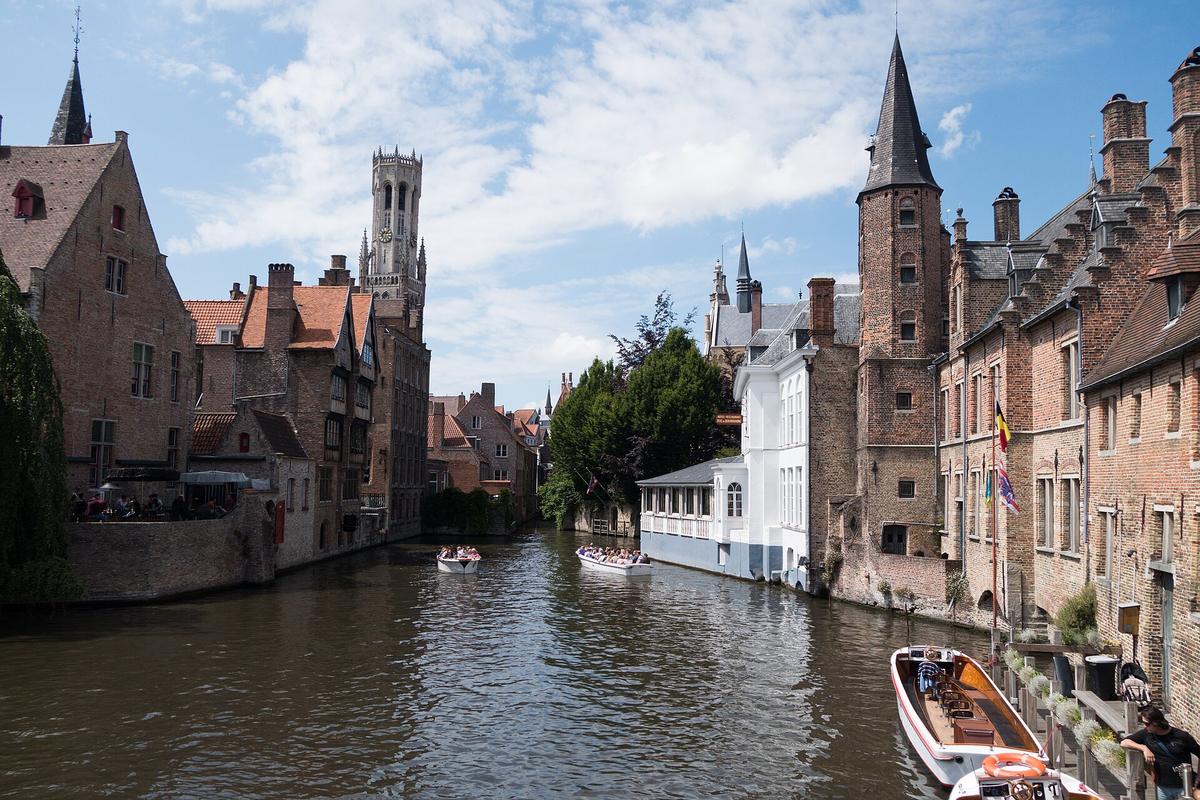
Bruges fills with day trippers from cruise ships and coach tours. The Belfry requires a time slot booked online. Arrive at Grand Place by 10:00 or the square is shoulder to shoulder. Ghent, with its student energy and medieval port, feels less like a museum than Bruges but still packs out on weekends.
Festival Crush and National Day
Major festivals concentrate in these months. Gentse Feesten and Tomorrowland draw enormous crowds. The week around 21 July packs the capital with Belgian National Day events and road closures. If you plan to move between cities, budget extra time. Trains run frequently but stations become congested.
The Late August Shutdown
Late August carries a specific risk. Many restaurants and shops in the capital close for annual leave, sometimes for two weeks. Check opening hours for specific places before you go. The same applies in smaller Flemish towns where lunch service stops by 13:30 and dinner by 21:00.
.jpg)
Belgium Weather by Month: What You Actually Get
Belgium has a temperate oceanic climate. Summers are mild with average highs of 20 to 23 degrees Celsius. July and August are the wettest months by total rainfall despite being the warmest. No month guarantees sun. Pack for drizzle and hope for breaks.
Winter offers short daylight around eight hours in December. Snow is possible but not guaranteed, even in the Ardennes where the probability is highest. Cross-country skiing in Hautes Fagnes works only when snow depth is sufficient. The coast experiences strong winds and many seaside facilities close or reduce service from November through March.
Spring warms gradually. Daylight reaches 12 to 14 hours by April. The Hallerbos bluebell carpet appears mid-April to early May. Ardennes hiking trails reopen as the ground dries and kayaking on the Lesse and Ourthe rivers resumes from April onward. Bulb fields in the Flemish region produce flowers but not at the Dutch scale.
Autumn cools quickly with daylight dropping to about 10 hours by October. Foliage peaks mid-October to early November in the Ardennes. Hunting season begins in autumn and some forest paths close on specific dates. The Walloon Region publishes regional hunting calendars annually.
| Season | Weather | Crowd Level | Key Impact |
|---|---|---|---|
| Spring (Mar May) | Cool, frequent rain, 12 to 14 hours daylight by April | Low to moderate | Hallerbos blooms, Ardennes hiking reopens, Easter school holiday spike |
| Summer (Jun Aug) | Mild to warm, 20 to 23 C average highs, wettest months | Peak | 30 to 50 percent hotel price rise, festival crowds, late August restaurant closures |
| Autumn (Sep Nov) | Cooling, increasing rain, 10 hours daylight by October | Low to moderate | Ardennes foliage peak, hunting season closures, coastal facilities closing by end September |
| Winter (Dec Feb) | Overcast, damp, 8 hours daylight, occasional frost | Moderate in cities, low elsewhere | Christmas markets late November to early January, strong coastal winds, Ardennes snow possible |
Belgium Christmas Markets December: What it Costs and What Stays Open
Christmas markets operate from late November to early January in the capital, Bruges, Ghent, Antwerp and other cities. The markets draw large crowds, especially on weekends. Bruges and capital hotel rates spike during December. Book by October.
The markets are outdoor affairs. You stand in cold damp air eating a Liège waffle. The dense caramelised pearl sugar waffle from a street stall is worth queuing for. Museums and indoor attractions maintain normal schedules in winter. Canal boat tours in Bruges and Ghent may reduce frequency or suspend entirely in freezing conditions. Check the day before.
Public toilets remain scarce. Carry EUR 0.50 to 1.00 in coins because card payment is rare at toilet facilities. Shops in many towns close on Sundays and Monday mornings even during the Christmas season.


Practical Consequences: What Goes Wrong and How to Avoid it
Belgian National Day July 21: Closures And Roadblocks
21 July is Belgian National Day. The capital packs with events including military parades, fireworks, and free concerts in Brussels Park. The city centre experiences road closures that can last all day. Many shops and some smaller restaurants close. Museums stay open but expect queues. If you are in the city on 21 July, check the closure list for specific attractions the day before and plan to move on foot or by metro. The STIB/MIVB metro runs on a Sunday schedule.
Restaurant Closures In Late August
The last week of August is the most common annual leave period for restaurants and shops in the capital. Many establishments close for one or two weeks. This is not universal but affects enough places that you cannot assume a restaurant you researched will be open. Call ahead or check social media. The same applies in smaller Flemish towns. In Leuven, a university town with a long beer bar, most places stay open. In Mechelen, some family-run spots close.
Transport And Language Friction
Train station names change between Dutch and French depending on which region you are in. Liège on your ticket is Luik on the platform sign in Flanders. Mons is Bergen. Google Maps shows the name in the language of your device, not the language on the ground. This matters because SNCB ticket checks are frequent. Buy tickets via the SNCB app or pay contactless. There are no check-in gates.
Two separate rail networks operate. SNCB runs the trains between cities. De Lijn in Flanders and TEC in Wallonia run the buses and trams. You need separate tickets for train versus bus and tram. Contactless bank cards work on trains and on De Lijn buses in Flanders. Check TEC contactless status in Wallonia before relying on it.
Shoulder Season Advantages: When to Go Instead
Spring from March to April and autumn from late September to October are the shoulder periods. Visitor numbers are lower than summer. Temperatures are cooler but still workable for walking cities. The spring shoulder offers the Hallerbos bluebell display and daffodil displays in parks. The autumn shoulder offers foliage in the Ardennes and the start of the cultural season with theatre, concert and exhibition programmes resuming full schedules.
Why September Wins
September is the strongest choice. Weather is still mild early in the month. Hotel prices drop back to shoulder rates after the last week of August. Coastal facilities begin closing by end of September but the cities are fully open. Kayaking on the Lesse and Ourthe rivers operates through September. Book a direct train to Dinant and spend 1 hour 30 minutes reaching the citadel and saxophone museum.
How Many Days You Need
The minimum for Belgium is five days. That covers the capital, one Flemish art city like Ghent or Antwerp, and one Walloon town like Namur without sprinting. Trying to day-trip Bruges, Ghent and Antwerp on consecutive days from a single base is a common mistake. The cities are close but each deserves a full day and an evening. The train cost adds up, and the experience of each is diluted. Pick two and stay overnight in one.
Common Questions
What is the cheapest month to visit Belgium?
January and February have the lowest hotel rates outside the Christmas market period. November is also low if you avoid the 11 November Armistice events. Expect short daylight around eight hours and overcast conditions. Some outdoor attractions in the Ardennes close for the season. The Ardennes have higher probability of snow but it is not guaranteed.
When are the Belgian Christmas markets open?
Christmas markets operate from late November to early January annually. The capital, Bruges, Ghent, Antwerp and smaller towns each run their own market. Bruges and capital hotel rates spike during December. Book by October for weekend dates. Museums and indoor attractions maintain normal schedules throughout the period.
Is it worth visiting Belgium in August?
Only if you are coming for a specific festival like Tomorrowland or Gentse Feesten. The drawbacks are significant: 30 to 50 percent higher hotel prices in Bruges and the coast, peak crowds at the Belfry, Grand Place, and Gravensteen, and the risk that many restaurants and shops in the capital close for annual leave in the last week of August. The weather is the warmest of the year at 20 to 23 degrees Celsius but also the wettest by total rainfall.
What happens in Belgium on 21 July?
Belgian National Day on 21 July brings military parades, fireworks, and free concerts in the capital. Road closures in the city centre are extensive. Many shops and some restaurants close for the day. Museums stay open but expect queues. Book train tickets and accommodation well ahead. The day is a public holiday so services run on a reduced schedule.
Does it snow in Belgium?
Snow is possible but not guaranteed in most of the country. The Ardennes have the highest probability of snow cover. Cross-country skiing in Hautes Fagnes requires sufficient snow depth. The cities may see light snow a few days per year but it melts within hours. Winter is primarily overcast and damp rather than snowy.
Read next
-
 Staying Connected in Belgium With eSIM, Local SIM or Roaming
How to get mobile data in Belgium: eSIM before arrival, a prepaid Orange or Proximus SIM at Brussels Midi, and the reality of train WiFi dead zones.
Staying Connected in Belgium With eSIM, Local SIM or Roaming
How to get mobile data in Belgium: eSIM before arrival, a prepaid Orange or Proximus SIM at Brussels Midi, and the reality of train WiFi dead zones.
-
 Getting Around Belgium by Train Bus and Tram Without Getting Lost at Stations
The single biggest friction in Belgian travel: the rail network is excellent, but stop names are in Dutch in Flanders and French in the south, and the two
Getting Around Belgium by Train Bus and Tram Without Getting Lost at Stations
The single biggest friction in Belgian travel: the rail network is excellent, but stop names are in Dutch in Flanders and French in the south, and the two
-
 Belgium Visa Requirements for Short Trips and Schengen Rules Explained
Belgium sits inside the Schengen Area. That single fact decides everything about entry requirements.
Belgium Visa Requirements for Short Trips and Schengen Rules Explained
Belgium sits inside the Schengen Area. That single fact decides everything about entry requirements.
-
 Money in Belgium How Euros Cards and Cash Actually Work Day to Day
The most common mistake is thinking the whole country works like the capital. It does not.
Money in Belgium How Euros Cards and Cash Actually Work Day to Day
The most common mistake is thinking the whole country works like the capital. It does not.
-
 Is Belgium Safe Reading Travel Advice Without the Overblown Warnings
You are standing in line at a frites stand on the Grand Place, phone in one hand, wallet in your back pocket, bag slung open behind you.
Is Belgium Safe Reading Travel Advice Without the Overblown Warnings
You are standing in line at a frites stand on the Grand Place, phone in one hand, wallet in your back pocket, bag slung open behind you.
-
 What a Trip to Belgium Costs, From Trains to Trappists
How much Belgium costs per day, from train tickets and Trappist beers to hotel premiums in Bruges and where to find better value overnight.
What a Trip to Belgium Costs, From Trains to Trappists
How much Belgium costs per day, from train tickets and Trappist beers to hotel premiums in Bruges and where to find better value overnight.
-
 A Ground-Level Logistics Guide to Independent Travel in China
First-time independent travel in China: what you need to know about visas, rail booking, eSIMs, mobile payments, and power adapters.
A Ground-Level Logistics Guide to Independent Travel in China
First-time independent travel in China: what you need to know about visas, rail booking, eSIMs, mobile payments, and power adapters.
-
 How Solo Travelers Stay Ahead of Flight Delays and Cancellations
How solo travelers can track inbound aircraft, claim rebooking rights, and adjust ground transport when flights go wrong — step by step.
How Solo Travelers Stay Ahead of Flight Delays and Cancellations
How solo travelers can track inbound aircraft, claim rebooking rights, and adjust ground transport when flights go wrong — step by step.
-
 Why Your eSIM Might Not Work Abroad and How to Check Before You Go
Buying an eSIM doesn't guarantee signal abroad. Learn why coverage fails by location and how to verify reach before you commit to a plan.
Why Your eSIM Might Not Work Abroad and How to Check Before You Go
Buying an eSIM doesn't guarantee signal abroad. Learn why coverage fails by location and how to verify reach before you commit to a plan.