Budgeting for Georgia Travel by Region and Travel Style
Georgia trip costs are shaped less by daily expenses than by region, season, and how many entry fees and long drives you stack.
Why a Dollar Figure for Your Georgia Trip Cost Won’t Hold
Where the Money Goes Fastest
Most budget guides give you a daily dollar estimate that assumes prices stay still. A Georgia trip cost does not work that way. The shape of the budget matters more than the number: lodging in the capital and the Hostess City is the biggest variable, state park and island entry fees are fixed but cumulative, and long drives between regions add a hidden tax of fuel, time, and tolls. The question is not how much you will spend per day but where the money goes fastest, and when.
Georgia is a humid, sprawling state of sharp contrasts: dense pine woods and blackwater swamps in the south, granite mountains and waterfalls in the north, a long marshy coast. Visitors underestimate the distances between these regions and the intensity of the summer heat, which makes even short outdoor walks exhausting. A seven-day trip is the minimum to combine two regions, say the mountains and the coast, without spending every day in transit. The common mistake is trying to see the mountains, the capital, and the coast in one short trip without accounting for the five-plus-hour drives between them.

Georgia Travel Budget Breakdown: the Real Cost Drivers
Lodging and the Sales Tax Stack
Lodging is the largest line item in any Georgia travel budget breakdown, and it varies more by region and season than anything else. Coastal Georgia, the Hostess City and the Golden Isles, is the most expensive region for a room. Rural South Georgia and parts of the Wiregrass region are the least expensive. The second largest cost is transportation, due to limited intercity transit: you need a car to explore the state as a whole, and the distances add up.
Taxes and Fees That Hit the Final Bill
Sales tax applies to lodging, restaurant meals, and rental cars, but not to groceries. The state base rate is 4%, with county rates adding 2-5% and city rates adding 0-1%, for a total range of 6-9%. On top of that, hotel and motel taxes add 5-8% in most cities and counties. Resort fees are common in the capital, the Hostess City, and coastal resort hotels, and are often excluded from the advertised room rate. Check the final booking summary before you click confirm. The Georgia Department of Revenue publishes current lodging tax rates by jurisdiction.
Cost of Georgia Road Trip: Fuel, Toll Lanes, and Hidden Time
Fuel, Tolls, and the Long Haul
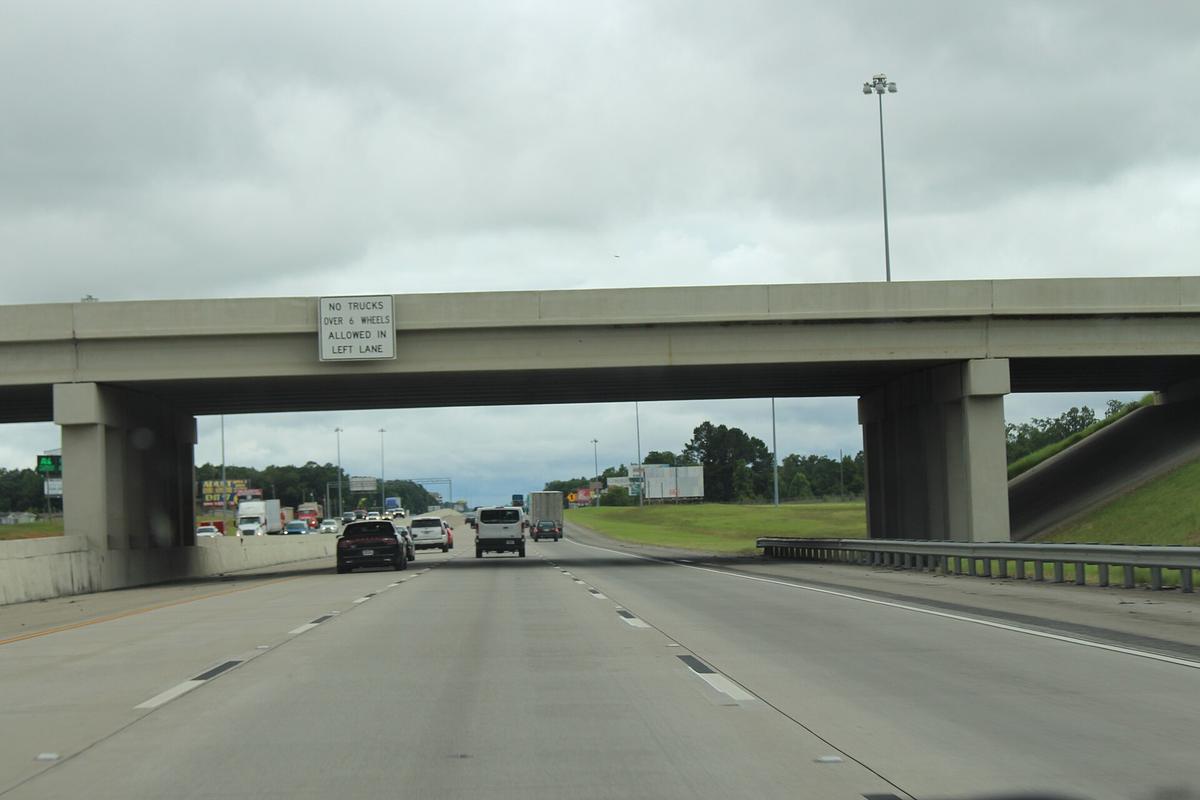
The cost of a Georgia road trip is driven by fuel, tolls, and the time penalty of long distances. The combined state and federal gas tax is 49.6 cents per gallon; the Georgia Department of Revenue publishes the current state rate. Driving from the capital to the Hostess City takes 3.5 to 4 hours across 250 miles. The capital to Brunswick, for the Golden Isles, is 4.5 to 5 hours and 300 miles. The capital to Jekyll Island is 5 to 5.5 hours and 320 miles.
Interstates are fast but dull. State and US highways are slower and far more scenic. The only main toll facility is the I-85 Express Lanes in Gwinnett County, which uses dynamic pricing that varies with congestion. Payment is electronic only via a Peach Pass transponder. A pay-as-you-go account costs nothing for the transponder, but you need a prepaid balance. Visitors without a transponder receive a bill by mail at a higher rate.
If you drive through the capital, budget an extra hour or more for traffic. The week of the Masters golf tournament in Augusta in early April spikes hotel prices regionally. Major holiday weekends on interstates, especially I-75 and I-16, add significant time.
Georgia State Park Fees: Fixed but Cumulative
State Parks and the Annual Pass
Georgia state park fees are a simple, predictable cost: a per-vehicle daily rate set by the Department of Natural Resources. The annual pass covers the daily parking fee only and pays for itself if you visit four or more parks. Separate historic site admission fees apply at some parks, such as the Little White House at Roosevelt's Warm Springs. Check the Georgia State Parks website for the current pass price before you go.
Individual park entry fees apply at Amicalola Falls State Park, Cloudland Canyon State Park, Providence Canyon State Park, and Brasstown Bald. The Tallulah Gorge State Park gorge floor permit is free, but limited to a daily quota and first-come, first-served. Federal sites in Georgia include 11 units, most with free entry: Martin Luther King Jr. National Historical Park, Jimmy Carter National Historical Park, Ocmulgee Mounds National Historical Park, and Andersonville National Historic Site. Fort Pulaski National Monument charges an adult entry fee. The America the Beautiful annual pass covers entry to all federal fee sites; check the NPS website for the current price.
Swamps, Islands, and Separate Fees
Okefenokee Swamp entry fees vary by entrance, and boat tours are a separate cost. Jekyll Island charges a per-vehicle daily entry fee. St. Simons Island has no entry fee. Tybee Island has metered parking near the beach, with rates varying by season. Check each site's official page for current pricing before you drive.
Atlanta vs Savannah Hotel Prices: the Biggest Variable
Two Cities, Two Pricing Rhythms
The capital and the Hostess City both rank among the highest lodging costs in the state, but they behave differently. The capital's rates peak during major conventions and events, when downtown and Buckhead rates can double. The coastal city's rates peak in spring and fall, especially during the warmer months that draw visitors to the water. Resort fees are common in both cities and are frequently excluded from the advertised rate. Ask for the total including fees before you book.
Parking Costs and Where to Cut Lodging
Parking in both downtowns is an unexpectedly expensive item. Downtown rates in the capital are among the highest daily charges in the state. The Hostess City's historic district uses metered and garage parking, with rates higher near the riverfront. Book a hotel that includes parking, or factor the nightly garage charge into your budget. Check the hotel's website for the current rate.
The least expensive region for a room is rural South Georgia, especially the Wiregrass and southwest counties. Middle Georgia, Macon and the surrounding agricultural towns, has the lowest lodging and dining costs overall. If you are road-tripping through these areas, you can cut your nightly costs by half or more compared to the capital or the coast.
When Money Moves: Seasonal Spikes and Quiet Months
Peak Seasons That Double Your Bill
Seasonal lodging price patterns are extreme. The coast is highest in summer, when family beach vacations fill Jekyll Island, St. Simons Island, and Tybee Island. North Georgia peaks during October leaf season, when cabin and lodge rates in the Blue Ridge Mountains double or triple. The capital spikes during major conventions and the Masters week in early April, when Augusta-area hotels also surge. Statewide, January and February are the cheapest months, with coastal rates dropping sharply except for holiday weeks.
Flights, Cars, and the Avoid Window
Seasonal airfare patterns follow the same logic: flights into the capital are higher during summer and major holidays; flights into the Hostess City are higher in spring and fall. Car rental rates are higher during spring break and summer, lower in January and February. Travel in late January or early February and you pay less for lodging, rental cars, and flights.
Some capital attractions use dynamic pricing, higher on weekends and holidays. Coastal tours and excursions reduce frequency in winter, so book ahead if you are traveling outside peak season. The avoid window for most of the state is July and August, except the immediate coast, due to heat and humidity.

The Unexpected Cost: Small-Town Timetables and Connectivity
Eat Before 7:30
Many small-town restaurants and attractions close early, often by 8 p.m., and some close on Sundays and Mondays. Arrive in a rural county after dark and your dining options may be limited to a gas station or a fast-food chain. Plan your driving schedule so that you eat before 7:30 p.m. in smaller towns like those in the Black Belt or Plantation Trace regions.
Download Your Maps
Cell service is patchy in the mountains and parts of the Okefenokee. Major carriers cover cities and interstates well, but GPS and streaming fail in large stretches of the Chattahoochee and Oconee National Forests and inside the swamp. Download offline maps before entering those areas. The lack of connectivity is not an emergency, you can still follow a paper map or a downloaded route, but it is a frustration if you are relying on your phone for directions.
Paying for Access: Islands, Swamps, and Special Permits
Coastal Access and Island Entry
Coastal Georgia beach access is free at public beaches, but paid parking is common. Tybee Island charges metered and paid lot fees that vary by season. Jekyll Island charges a per-vehicle daily entry fee. St. Simons Island has no entry fee, but Sea Island access is restricted to guests and club members. Cumberland Island requires a ferry ticket, which includes the National Seashore entry fee; the ferry fee varies by age and is required for access. Confirm rates on the official ferry site before you book.
Swamps, Stone Mountain, and Wine Country
Okefenokee boat tour fees are separate from the swamp entry fee and vary by tour length. Stone Mountain Park charges a per-vehicle parking fee, with attractions priced separately; an annual pass covers parking only. North Georgia winery tasting fees vary by producer; the Georgia Wine Producers Association publishes current rates. North Georgia apple orchards use a pay-per-activity model in the fall, so check each orchard's pricing before you go.
What to Do Instead: a Practical Sequence
The Seven-Day, Two-Region Route
Pick two regions. A common combination is the Blue Ridge Mountains and the Golden Isles. Fly into the capital, spend the first two nights in Dahlonega or Blue Ridge, drive southeast to the Hostess City for two nights, then finish on Jekyll Island or St. Simons Island for two nights. That route uses I-75, I-16, and I-95, with a total drive time of about eight hours across the week, not counting stops.
The History Loop
If you are focused on history, combine the capital's Martin Luther King Jr. National Historical Park with the Black Belt's Civil Rights sites, Andersonville National Historic Site and the Jimmy Carter National Historical Park in Plains, then drive to the Hostess City for Fort Pulaski National Monument and the historic district. That route is shorter on total miles but requires careful timing of museum hours. Many close at 5 p.m.
The single thing that most often goes wrong on a Georgia road trip is underestimating the distance between the mountains and the coast. Do not try to do both in three days. You will spend more time driving than you will at any landmark, and you will pay for it in fuel, fatigue, and skipped meals.
Common Questions
What is the cheapest time to visit Georgia?
January and February are the cheapest months statewide. Lodging rates drop, car rental prices fall, and crowds thin. The coast is a notable exception during holiday weeks, when rates can spike temporarily.
Do I need a car in Georgia?
Yes, for exploring the state as a whole. Public transit coverage outside Metro Atlanta is minimal to none. Intercity bus coverage is sparse and concentrated on interstate corridors. Amtrak serves four stations on two daily long-distance routes, but that will not get you to a state park or a small town.
How much are the state park fees in Georgia?
Most state parks charge a per-vehicle daily fee set by the Department of Natural Resources. An annual pass covers the daily parking fee at all state parks. Federal sites like Martin Luther King Jr. National Historical Park and Ocmulgee Mounds are free. Fort Pulaski National Monument charges an adult entry fee. Check each park's website before you go.
What is the most expensive part of a Georgia trip?
Lodging is the largest line item. Coastal Georgia, the Hostess City, Jekyll Island, St. Simons Island, has the most expensive rooms in the state. Transportation is the second largest cost, driven by long distances and the necessity of a rental car.
How far apart are the mountains and the coast in Georgia?
Driving from the Blue Ridge Mountains to the coast takes five to six hours without traffic. The capital to Brunswick is 300 miles and 4.5 to 5 hours. The capital to Jekyll Island is 320 miles and 5 to 5.5 hours. A seven-day trip allows you to visit two regions without spending every day driving.
Read next
-
 Best Time to Visit Georgia by Region and Season
Georgia's best travel windows are spring and fall, but the mountains and coast follow different seasonal rules.
Best Time to Visit Georgia by Region and Season
Georgia's best travel windows are spring and fall, but the mountains and coast follow different seasonal rules.
-
 Getting Around Georgia Without Losing a Day to the Interstate
A personal car is essential for exploring Georgia, but route choices and Atlanta traffic determine how much of your day actually goes to travel.
Getting Around Georgia Without Losing a Day to the Interstate
A personal car is essential for exploring Georgia, but route choices and Atlanta traffic determine how much of your day actually goes to travel.
-
 Practical Safety in Georgia Without the Scaremongering
Georgia travel safety is mostly about heat, long drives, and remote areas where preparation matters more than worry.
Practical Safety in Georgia Without the Scaremongering
Georgia travel safety is mostly about heat, long drives, and remote areas where preparation matters more than worry.
-
 United States Travel Guide for First-Timers Who Want the Real Picture
The United States delivers extraordinary geographic and cultural variety, but its sheer scale, car dependency, and tipping economy surprise first-timers. Start here.
United States Travel Guide for First-Timers Who Want the Real Picture
The United States delivers extraordinary geographic and cultural variety, but its sheer scale, car dependency, and tipping economy surprise first-timers. Start here.
-
 Staying Connected While Traveling Through the United States
Prepaid eSIMs work well in US cities, but a physical T-Mobile or AT&T SIM bought at arrival gives better rural coverage for national parks and long highway drives.
Staying Connected While Traveling Through the United States
Prepaid eSIMs work well in US cities, but a physical T-Mobile or AT&T SIM bought at arrival gives better rural coverage for national parks and long highway drives.
-
 Best Time to Visit the United States by Region and Season
The United States spans so many climates that no single season works everywhere. Here is what each region delivers, and when to stay away.
Best Time to Visit the United States by Region and Season
The United States spans so many climates that no single season works everywhere. Here is what each region delivers, and when to stay away.
-
 Getting Around the United States Without Underestimating the Distances
Outside the Northeast Corridor, the United States runs on cars and domestic flights. Distances are enormous and Amtrak is scenic but slow.
Getting Around the United States Without Underestimating the Distances
Outside the Northeast Corridor, the United States runs on cars and domestic flights. Distances are enormous and Amtrak is scenic but slow.
-
 A Ground-Level Logistics Guide to Independent Travel in China
First-time independent travel in China: what you need to know about visas, rail booking, eSIMs, mobile payments, and power adapters.
A Ground-Level Logistics Guide to Independent Travel in China
First-time independent travel in China: what you need to know about visas, rail booking, eSIMs, mobile payments, and power adapters.
-
 How Solo Travelers Stay Ahead of Flight Delays and Cancellations
How solo travelers can track inbound aircraft, claim rebooking rights, and adjust ground transport when flights go wrong — step by step.
How Solo Travelers Stay Ahead of Flight Delays and Cancellations
How solo travelers can track inbound aircraft, claim rebooking rights, and adjust ground transport when flights go wrong — step by step.