When to Visit Georgia for Mountains, Coast, and Small Towns
Georgia's best travel windows are spring and fall, but the mountains and coast follow different seasonal rules.
At the top of Brasstown Bald, the air is 15 degrees cooler than in Savannah, far to the south. That single fact explains why the best time to visit Georgia depends entirely on which Georgia you mean. The Blue Ridge Mountains operate on an Appalachian calendar of frost and leaf colour. The coast follows a subtropical rhythm of humidity, hurricane windows, and biting insects. Match a season to a region, not to the state as a whole.
Georgia Spring Travel Season
Pollen and Waterfalls in the Piedmont and Mountains
Spring arrives in the Piedmont and the Coastal Plain in March, but it reaches the Blue Ridge in slow motion. The Piedmont brings mild warming and the state's primary pollen season, which runs mid February through May. Pine and oak pollen coats cars and porches across Atlanta and Macon, and the intensity varies with latitude. If you have allergies, head for the Blue Ridge. Waterfall peak flow runs high from snowmelt and April rain, but trail mud and high water crossings are real obstacles on routes like the 78 mile Appalachian Trail segment from Springer Mountain to the North Carolina border.
Coastal Spring and Masters Week
The Coastal Plain gives you warm days, cool nights, and low humidity, with peak wildflower bloom across the Black Belt and the Plantation Trace. On the Golden Isles, you trade lower visitor density for ocean water that has not yet warmed enough for swimming. Jekyll Island and Cumberland Island are comfortably walkable in April, and the ferry to Sapelo Island runs on a reservation system that rarely fills outside holiday weekends.
For Masters week in Augusta, early April, hotel prices spike regionally across the Classic South. If you are not attending the tournament, avoid the I 20 corridor from Atlanta to Augusta that week. If you are attending, book lodging 12 months ahead.

Georgia Summer Heat and Humidity
When to Avoid the Inland Heat
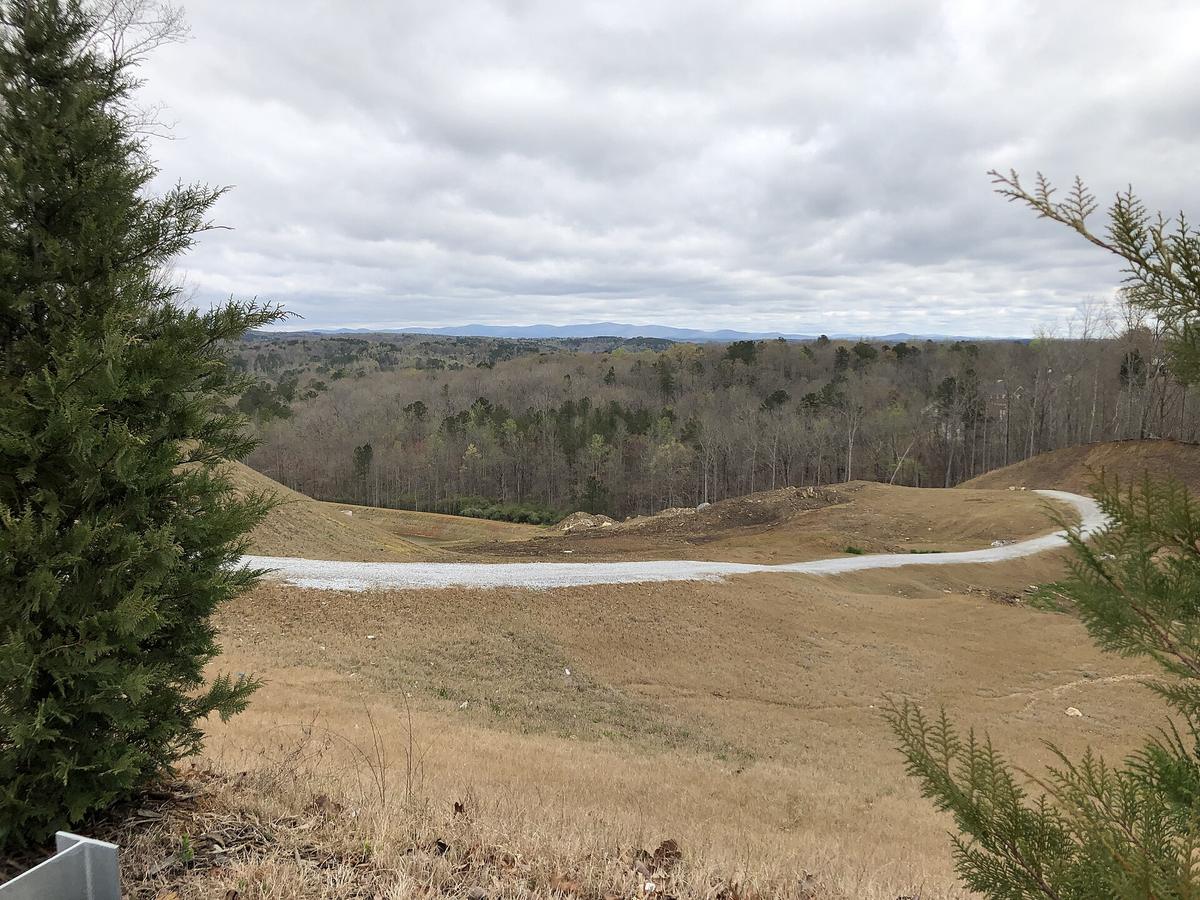
July and August are the avoid window across most of the state, with one exception. The Piedmont delivers hot, humid, stagnant air with frequent convective storms. The Coastal Plain adds peak biting insects and frequent afternoon thunderstorms. Both make outdoor sightseeing exhausting from late morning onward. Short walks at Providence Canyon or Tallulah Gorge become long slogs in 95 degree heat with 70 percent relative humidity.
The Coastal Exception and Mountain Refuge
The exception is the immediate coast. The Golden Isles and barrier islands benefit from sea breezes, and families pack St. Simons Island and Tybee Island in June and July for good reason: ocean water is warm, and the tidal range of 6 to 9 feet means swimming beaches are recharged twice daily. Driftwood Beach on Jekyll Island is photographable at sunrise before the heat builds, but the biting insect season runs April through October. Intensity depends on proximity to standing marsh water. Carry repellent with DEET.
The Blue Ridge in summer is different from the rest of the state. Warm days, cool nights, and high rainfall characterise the mountains, with frequent fog at elevation above 3,000 feet. Cloudland Canyon and Amicalola Falls are still pleasant in July if you start hiking by 08:00. But cell service fails in large stretches of the Chattahoochee Oconee National Forest, and GPS and streaming fail there too. Download offline maps before entering.
| Region | Spring | Summer | Autumn | Winter |
|---|---|---|---|---|
| Blue Ridge Mountains | Slow warming, frost into April, wildflower sequence by elevation | Warm days, cool nights, high rainfall, frequent fog | Crisp, dry, leaf colour descending elevation bands | Cold, snow and ice above 3,000 feet, USFS road closures |
| Piedmont | Mild warming, heavy pollen, variable rain | Hot, humid, stagnant air, convective storms | Cooling, dry, hardwood leaf colour peak | Variable cold, occasional ice storms, bare canopy |
| Coastal Plain | Warm days, cool nights, low humidity, wildflower peak | Hot, humid, afternoon thunderstorms, biting insect peak | Warm days, mild nights, declining humidity, hurricane tail | Mild days, cold nights, lowest precipitation, dormant vegetation |
Georgia Fall Foliage Timing
Mountain Leaf Colour and the Crowds That Come With It
The Blue Ridge delivers a crisp, dry leaf colour sequence that descends by elevation bands. Peak colour hits the highest elevations around Brasstown Bald in mid October, then drops through the ridges and valleys into early November. The trade is clear: peak leaf colour comes with maximum visitor density on scenic byways. The Richard B. Russell Scenic Highway and the Russell Brasstown Scenic Byway can see 30 minute delays on weekend afternoons in late October. Arrive by 08:30, or visit on a Tuesday or Wednesday.
Piedmont Colour and Coastal Hurricane Season
The Piedmont brings cooling and dry air, with hardwood colour peaking in the Classic South and Middle Georgia in late October and early November. You trade stable weather for shorter daylight, with sunset near 17:30 by early November. That matters in a state where many small town restaurants and attractions close by 20:00 or on Sundays and Mondays. Plan lunch as the main meal in rural areas, not dinner.
The Coastal Plain gives warm days and mild nights with declining humidity, but the state hurricane influence window runs June through November, peaking August through October. Hurricane season can bring inland rain impacts to Macon and Columbus, not just the coast. If you book a barrier island trip in September or October, buy refundable accommodation. The coastal trade is warm ocean water against elevated hurricane risk, and the calculation changes every season.
When to Avoid Georgia Coast
Hurricane Season and Summer Misery
The Georgia coast is at its worst in July and August for heat, humidity, and biting insects. But the real reason to avoid it is the hurricane influence window. June through November covers the season, with the statistical peak from mid August through October. The state coastline is roughly 100 miles of Atlantic shore with 15 barrier islands, and the mesotidal range of 6 to 9 feet means storm surge can flood marsh side roads quickly. Fort Pulaski and the Wormsloe Historic Site live oak avenue are exposed to wind and rain during tropical events. Ferry access to Cumberland Island and Sapelo Island suspends with little notice.
Winter: Solitude on the Barrier Islands
The winter on the coast brings mild days and cold nights with the lowest precipitation and dormant vegetation. January and February are quiet: no crowds, no insects, low season rates on Jekyll Island and St. Simons. The ocean is too cold for swimming, but the marshes are full of wintering birds, and Driftwood Beach has a stark beauty without summer haze. If your goal is solitude and photography, not swimming, the coast is best from December through February.
How to Choose Your Georgia Window
The One Week Minimum
Seven days is the minimum to combine two regions, such as the Blue Ridge and the Golden Isles, without spending every day in transit. Driving from the mountains to the coast takes five to six hours without traffic. Atlanta congestion can add an hour to any route passing through the metro on weekdays between 06:30 and 09:30 or 15:30 and 19:00. The common mistake is trying to see the mountains, Atlanta, and the coast in one short trip without accounting for those drives.
Best Windows by Traveller Type
If you are a road tripper who wants varied scenery over several days, the best window is March through May or October through November. Spring brings dogwoods and azaleas across the Piedmont and the Blue Ridge, with the state park system of 50 parks and historic sites operating full schedules. Autumn brings drier air across the state and the leaf colour sequence that makes the Blue Ridge worth the crowds.
If you are a hiker and waterfall chaser, April and October are the months. Amicalola Falls, the tallest cascading waterfall in the Southeast, runs at peak flow in spring. Tallulah Gorge requires a permit for gorge floor hikes, and those permits sell out on weekends in October. Book online 30 days ahead.
If you are a food focused traveller seeking regional Southern cooking, the state hunting season for deer firearms runs November through January and varies by zone. Small town fish camps and meat and three plate lunch spots fill with local hunters, not tourists. That is the time for Brunswick stew and fried catfish in the Plantation Trace and the Coastal Plain. Peach cobbler and peach ice cream are seasonal from Pearson Farm and Lane Southern Orchards, peaking June through August, but the heat is punishing in Middle Georgia peach country during that window. Buy peaches at roadside stands in June, not August.
If you are a Civil Rights and Southern history traveller, the Martin Luther King Jr. National Historical Park in Atlanta and the Andersonville National Historic Site are year round destinations. But pollen is acute in Atlanta from March through April. The Jimmy Carter National Historical Park in Plains sits in the Black Belt, where summer heat is severe. Visit in November.
Frequently Asked Questions
What is the absolute worst month for Georgia heat and humidity?
July across the Piedmont and Coastal Plain. Stagnant air and frequent storms combine with relative humidity above 75 percent. Outdoor sightseeing becomes unpleasant from late morning onward.
When do the Georgia mountains get their best fall colour?
Mid October at the highest elevations around Brasstown Bald, descending through November. The leaf colour sequence runs by elevation bands. Peak visitor density on scenic byways coincides with peak colour.
Is the Georgia coast worth visiting in winter?
Yes, from December through February. You get mild days and cold nights with the lowest precipitation. Ocean water is too cold for swimming, but crowds vanish and biting insects disappear.
How bad is Atlanta pollen in spring?
Significant. Heavy pine and oak pollen arrives from mid February through May. Intensity varies with latitude and elevation, but Atlanta sits in the peak zone. Allergy sufferers should plan for the Blue Ridge or the coast in spring instead.
Can I visit the mountains and the coast in one week?
Yes, with seven days minimum. The drive from the Blue Ridge to the Golden Isles takes five to six hours without traffic. Do not add Atlanta stops on the same day as a mountain to coast transfer.
Read next
-

 Getting Around Georgia Without Losing a Day to the Interstate
A personal car is essential for exploring Georgia, but route choices and Atlanta traffic determine how much of your day actually goes to travel.
Getting Around Georgia Without Losing a Day to the Interstate
A personal car is essential for exploring Georgia, but route choices and Atlanta traffic determine how much of your day actually goes to travel.
-
 Practical Safety in Georgia Without the Scaremongering
Georgia travel safety is mostly about heat, long drives, and remote areas where preparation matters more than worry.
Practical Safety in Georgia Without the Scaremongering
Georgia travel safety is mostly about heat, long drives, and remote areas where preparation matters more than worry.
-
 What a Georgia Trip Costs in Shape Rather Than Figures
Georgia trip costs are shaped less by daily expenses than by region, season, and how many entry fees and long drives you stack.
What a Georgia Trip Costs in Shape Rather Than Figures
Georgia trip costs are shaped less by daily expenses than by region, season, and how many entry fees and long drives you stack.
-
 United States Travel Guide for First-Timers Who Want the Real Picture
The United States delivers extraordinary geographic and cultural variety, but its sheer scale, car dependency, and tipping economy surprise first-timers. Start here.
United States Travel Guide for First-Timers Who Want the Real Picture
The United States delivers extraordinary geographic and cultural variety, but its sheer scale, car dependency, and tipping economy surprise first-timers. Start here.
-
 Staying Connected While Traveling Through the United States
Prepaid eSIMs work well in US cities, but a physical T-Mobile or AT&T SIM bought at arrival gives better rural coverage for national parks and long highway drives.
Staying Connected While Traveling Through the United States
Prepaid eSIMs work well in US cities, but a physical T-Mobile or AT&T SIM bought at arrival gives better rural coverage for national parks and long highway drives.
-
 Best Time to Visit the United States by Region and Season
The United States spans so many climates that no single season works everywhere. Here is what each region delivers, and when to stay away.
Best Time to Visit the United States by Region and Season
The United States spans so many climates that no single season works everywhere. Here is what each region delivers, and when to stay away.
-
 Getting Around the United States Without Underestimating the Distances
Outside the Northeast Corridor, the United States runs on cars and domestic flights. Distances are enormous and Amtrak is scenic but slow.
Getting Around the United States Without Underestimating the Distances
Outside the Northeast Corridor, the United States runs on cars and domestic flights. Distances are enormous and Amtrak is scenic but slow.
-
 A Ground-Level Logistics Guide to Independent Travel in China
First-time independent travel in China: what you need to know about visas, rail booking, eSIMs, mobile payments, and power adapters.
A Ground-Level Logistics Guide to Independent Travel in China
First-time independent travel in China: what you need to know about visas, rail booking, eSIMs, mobile payments, and power adapters.
-
 How Solo Travelers Stay Ahead of Flight Delays and Cancellations
How solo travelers can track inbound aircraft, claim rebooking rights, and adjust ground transport when flights go wrong — step by step.
How Solo Travelers Stay Ahead of Flight Delays and Cancellations
How solo travelers can track inbound aircraft, claim rebooking rights, and adjust ground transport when flights go wrong — step by step.