The Brazil Public Holidays Calendar of Fixed and Moving Dates
Brazil's public holidays include fixed national dates and moving feasts like Carnival. Here is what closes, what fills, and how bridging creates long weekends.
The Days Brazil Closes, and the Weeks it Parties Instead
You need a Brazil public holidays calendar because the country does not half close on a holiday: it shuts entirely, or it explodes into weeks of travel chaos that you cannot outrun with a rental car. Eight fixed dates lock down banks, government offices, and most public services. Three moveable religious observances, Carnival, Good Friday, Corpus Christi, rearrange the calendar every year and create extended weekends that sell out intercity buses and coastal accommodation months ahead. On top of that, every state and municipality sets its own local saints days and foundation dates. If you land in Salvador during the festa for Senhor do Bonfim in January, or in Recife during São João in June, you will find a city operating on festival logic, not weekday logic. The dates below tell you which ones shut everything down. Which ones you should plan a trip around, or run from.
The Fixed National Holidays: What Shuts and What Stays Open
Eight dates are fixed by federal law and apply across all 26 states and the Federal District:
1 January (New Year's Day), 21 April (Tiradentes), 1 May (Labour Day), 7 September (Independence Day), 12 October (Our Lady of Aparecida), 2 November (All Souls' Day), 15 November (Republic Proclamation Day), and 25 December (Christmas Day).
What Closes and What Stays Open
On these days, banks, government offices, post offices, and public services close. Private sector retail and hospitality operate variably. In São Paulo and Rio de Janeiro, most shopping centres, restaurants in Zona Sul or Centro, and tourist attractions stay open. In small towns, expect everything locked until midday or later. If you need cash, withdraw it the day before. ATMs in bank lobbies may be inaccessible after hours. The tourist police (Delegacia de Atendimento ao Turista) in state capitals operate on reduced staffing.

| Date | Holiday | What Closes |
|---|---|---|
| 1 January | New Year's Day (Ano Novo) | Banks, government offices, most public services |
| 21 April | Tiradentes | Banks, government offices, most public services |
| 1 May | Labour Day (Dia do Trabalhador) | Banks, government offices, most public services |
| 7 September | Independence Day (Dia da Pátria) | Banks, government offices, most public services |
| 12 October | Our Lady of Aparecida (Nossa Senhora Aparecida) | Banks, government offices, most public services |
| 2 November | All Souls' Day (Finados) | Banks, government offices, most public services |
| 15 November | Republic Proclamation Day (Proclamação da República) | Banks, government offices, most public services |
| 25 December | Christmas Day (Natal) | Banks, government offices, most public services |
Moveable Holidays: Carnival, Corpus Christi, and the Brazilian Habit of Bridging
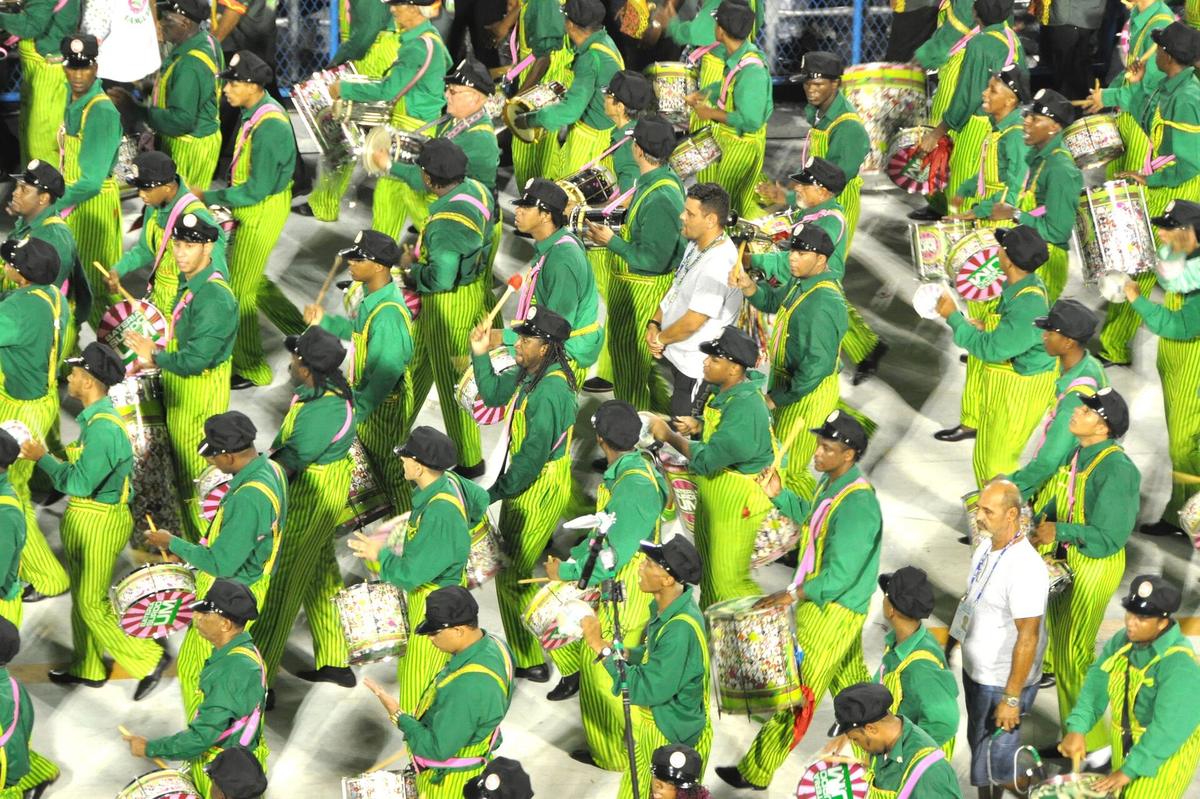
Three observances shift each year because they depend on Easter, which itself moves with the lunar calendar. The most significant is Carnival, which falls on the Tuesday 47 days before Easter Sunday. Carnival Monday is not a public holiday by law, but in practice most businesses and government offices close from Carnival Saturday through Ash Wednesday at midday. In Salvador, Recife, and Rio de Janeiro, the effective shutdown stretches to five days. If you are not attending the festivities, avoid the entire coast from Rio to São Paulo during this week. Intercity buses sell out weeks in advance. Flights triple in price. Hotels in Zona Sul in Rio or Boa Viagem in Recife charge far above normal rates.
Good Friday (the Friday before Easter Sunday) is a public holiday. It is a quieter day across the country, with many museums and attractions closed or on reduced hours.
Corpus Christi falls 60 days after Easter Sunday, always on a Thursday. This is where the Brazilian habit of emendar (bridging) comes into play. When a celebration lands on a Tuesday or Thursday, employees take the Monday or Friday off as well, creating a four-day weekend. For travellers, this means that any midweek date extends disruption. Beaches fill. Domestic flights on Gol, LATAM, and Azul sell out. The intercity bus network, virtually all municipalities connected by hundreds of private companies, runs at capacity. Book all transport for the Thursday-through-Monday window at least two months ahead if you intend to travel during Corpus Christi.
How to Predict Carnival Dates
Carnival Tuesday is always 47 days before Easter Sunday. Easter Sunday falls on the first Sunday after the first full moon following the March equinox. In practice, this puts the celebration somewhere between early February and early March. For 2027, assume a February date. The official parades in Rio de Janeiro's Sambódromo and the street blocos in Salvador and Recife start the Friday before Carnival Tuesday and peak on the Monday night. If you are flying into GRU or GIG for the event, book six months ahead and plan to arrive by the Wednesday before to secure a seat on the Airport Bus Service or a pre-booked radio taxi.
Corpus Christi: What to Expect
Corpus Christi is a Catholic celebration marking the Eucharist, and it is a public holiday. Unlike Carnival, there is no street party. Instead, you will see elaborate flower carpets laid on cobblestone streets in colonial towns such as Ouro Preto, Paraty, and Pirenópolis. Government offices and banks close. Retail in larger cities, Rio, São Paulo, Brasília, stays mostly open. The real travel impact is the four-day weekend. Domestic airfares on Voopter and other aggregators spike for the Thursday and Sunday flights. Intercity bus booking platforms such as ClickBus and BuscaOnibus show sold-out leito (fully reclining) and semi-leito seats on popular coastal and mountain routes by late February. Reserve by mid-January if you plan to use this break to visit Chapada Diamantina or Bonito.
Local Saints Days That Matter More Than Federal Holidays in Salvador and the Northeast
Federal holidays are one thing. Regional holidays set by each state and municipality are another, and in Salvador and the Northeast, these local dates disrupt travel harder than many national ones. The city of Salvador shuts for Senhor do Bonfim in January, a multiday festival that draws crowds to the lower city near the Elevador Lacerda and the church in Bonfim. In Recife and Olinda, São João in June is a week of forró music, bonfires, and street dances in the historic centres. Towns in the interior of Pernambuco and Bahia close entirely for these events. If you are in Pelourinho during a local saint's day, expect music spilling from doorways until dawn and limited access to city landmarks.
The Practical Rule
Check the municipal calendar for any city you plan to stay in. The state tourism board for Bahia publishes one online. In many towns, the local patron saint day is a compulsory shutdown for all non-tourism businesses. Even some tourism businesses close for the afternoon procession.


What Actually Happens on These Days: Beach Cities Fill, Intercity Buses Sell Out, Small Towns Close Entirely
On any date that falls near a weekend, the effect is predictable. People who work in São Paulo and Brasília leave for the coast. Flights from GRU to Recife, Salvador, and Florianópolis sell out. Intercity buses on the BR-101 along the coast operate on a weekend-plus schedule, with semileito and leito seats gone first. Wait until the Tuesday before a Corpus Christi Thursday to book a bus from Rio to Arraial do Cabo, and you will find no seats.
Beach Cities and Small Towns
Beach cities fill. In Salvador, Praia do Forte sees double its usual crowd. In Rio, the beaches of Zona Sul from Copacabana to Lagoinha do Leste are shoulder-to-shoulder by 10am. Small towns close entirely. In the interior of Minas Gerais, during a local saint's day, the padaria (bakery) shuts, the single restaurant closes, and you survive on pão de queijo bought the day before. In the Northeast, during São João, towns such as Caruaru in Pernambuco run festival programming that excludes regular commerce.
You cannot predict every closure. A municipality might declare a celebration for a saint you have never heard of, and no aggregator lists it. The single thing that most often goes wrong on a Brazil trip is arriving in a small town on a local holiday without cash, without a backup plan, and without any Portuguese to ask when things reopen. Download the offline Portuguese pack in Google Translate before you leave. Carry enough Brazilian reais to cover two extra nights in cash. And assume that on any holiday, the first bus out sells out first.
Common Questions
Which public holidays in Brazil shut everything down?
All eight fixed dates listed in the table above shut banks, government offices, and most public services. During Carnival week (Saturday to Ash Wednesday), the effective shutdown extends to most businesses in Salvador, Recife, and Rio de Janeiro. In small towns, any local saint's day shuts everything non-tourism.
How do I find the exact dates for Carnival each year?
Carnival Tuesday falls 47 days before Easter Sunday. Easter Sunday is the first Sunday after the first full moon following the March equinox. Online calculators provide dates through 2030. Airlines and bus companies publish their schedules for the celebration six to eight months ahead; book by September for a February Carnival.
Does Corpus Christi cause travel disruption?
Yes. Corpus Christi always falls on a Thursday, 60 days after Easter Sunday. Brazilians routinely bridge Thursday into a four-day weekend. Intercity buses and domestic flights sell out for the Thursday and Sunday travel windows. Book transport by mid-January for the Corpus Christi long weekend.
What about school holidays in Brazil?
Summer school holidays run mid-December to late January or early February, creating peak domestic travel demand, highest accommodation prices, and maximum crowding on coastal routes. A mid-year winter break of two to three weeks in July creates a secondary peak, especially in the Northeast and inland winter destinations. The period between Carnival and the July break sees lower demand.
Are there different holidays in different states?
Yes. Each state and municipality sets its own dates, often foundation days and patron saint celebrations. No single list covers all. For example, 2 July is Bahia's Independence Day, a state holiday in Salvador. Check the state tourism board website for the destination you are visiting.
Do I need a visa to visit Brazil?
Visa-free access for stays up to 90 days applies to passport holders from the EU, UK, Japan, South Korea, Australia, New Zealand, Canada, and the US, among others. From 10 April 2025, passport holders from Australia, Canada, and the US require an e-Visa for tourism and business entry, issued via brazil.vfsevisa.com. Check the Brazilian Ministry of Foreign Affairs for the current list, as visa rules are revised annually.
What if I arrive during a local holiday and everything is closed?
If you are not attending the festival, change your arrival date. The effective shutdown during São João in Recife and Olinda has consistently involved closed museums, limited intercity buses, and full hotels. Arrive three days after the celebrations end, when services resume normal hours.
Read next
-
 Staying Connected in Brazil With eSIM, Local SIM, or Roaming
Getting a working data connection in Brazil means navigating CPF requirements, patchy store policies, and vast coverage gaps—here are the three real paths.
Staying Connected in Brazil With eSIM, Local SIM, or Roaming
Getting a working data connection in Brazil means navigating CPF requirements, patchy store policies, and vast coverage gaps—here are the three real paths.
-
 Best Time to Visit Brazil by Region, Season and What Actually Happens
Brazil's seasons invert by region. Coastal summer peaks December to March, Lençóis lagoons fill June to September, and Carnival rewrites all rules.
Best Time to Visit Brazil by Region, Season and What Actually Happens
Brazil's seasons invert by region. Coastal summer peaks December to March, Lençóis lagoons fill June to September, and Carnival rewrites all rules.
-
 Getting Around Brazil, Domestic Flights, Buses and Airport Reality
Domestic flights dominate long-distance travel in Brazil, but airport logistics turn a 2-hour flight into a 5-hour door-to-door journey. Plan accordingly.
Getting Around Brazil, Domestic Flights, Buses and Airport Reality
Domestic flights dominate long-distance travel in Brazil, but airport logistics turn a 2-hour flight into a 5-hour door-to-door journey. Plan accordingly.
-
 Brazil Visa Requirements and How the Application Process Works
Who needs a visa for Brazil, who does not, and how the application process runs. Includes the yellow fever certificate requirement for onward travel.
Brazil Visa Requirements and How the Application Process Works
Who needs a visa for Brazil, who does not, and how the application process runs. Includes the yellow fever certificate requirement for onward travel.
-
 Money in Brazil, the Real, Cards, Cash and the Pix Problem
Brazil runs on Pix instant payments, but visitors without a CPF cannot use it. Here is where cards work, where cash wins, and how to manage.
Money in Brazil, the Real, Cards, Cash and the Pix Problem
Brazil runs on Pix instant payments, but visitors without a CPF cannot use it. Here is where cards work, where cash wins, and how to manage.
-
 Safety in Brazil, Reading the Advice Without Being Misled by It
Brazil has real safety risks, but the advice is often sensationalised. Here is how to manage phone theft, neighbourhood choices, and street smarts.
Safety in Brazil, Reading the Advice Without Being Misled by It
Brazil has real safety risks, but the advice is often sensationalised. Here is how to manage phone theft, neighbourhood choices, and street smarts.
-
 A Ground-Level Logistics Guide to Independent Travel in China
First-time independent travel in China: what you need to know about visas, rail booking, eSIMs, mobile payments, and power adapters.
A Ground-Level Logistics Guide to Independent Travel in China
First-time independent travel in China: what you need to know about visas, rail booking, eSIMs, mobile payments, and power adapters.
-
 How Solo Travelers Stay Ahead of Flight Delays and Cancellations
How solo travelers can track inbound aircraft, claim rebooking rights, and adjust ground transport when flights go wrong — step by step.
How Solo Travelers Stay Ahead of Flight Delays and Cancellations
How solo travelers can track inbound aircraft, claim rebooking rights, and adjust ground transport when flights go wrong — step by step.
-
 Why Your eSIM Might Not Work Abroad and How to Check Before You Go
Buying an eSIM doesn't guarantee signal abroad. Learn why coverage fails by location and how to verify reach before you commit to a plan.
Why Your eSIM Might Not Work Abroad and How to Check Before You Go
Buying an eSIM doesn't guarantee signal abroad. Learn why coverage fails by location and how to verify reach before you commit to a plan.