Is Brazil Safe to Travel, a Clear Look Past the Headlines
Brazil has real safety risks, but the advice is often sensationalised. Here is how to manage phone theft, neighbourhood choices, and street smarts.
How to Think About Safety in Brazil, Not Just Fear it
You step out of Galeão airport into 32°C heat, phone tucked into a front zipped pocket, and the question is brazil safe to travel suddenly feels less abstract and more like a practical calculation. The answer is a conditional yes. Brazil is safe for travellers who understand that the risk is real, localised, and manageable with specific habits rather than with anxiety.
The Real Risks: Specific, Not Sensational
The far more common crime for tourists is phone snatching: a quick grab from an open hand, a restaurant table, or a back pocket on a crowded bus. Street crime precautions in Brazil start with this single rule: your phone stays in a front pocket or a zipped bag compartment. Never on a restaurant table. Never in your back pocket. Never in your hand while walking on the sidewalk. Pickpocketing on crowded buses and metro in São Paulo and Rio de Janeiro is routine, not exceptional. Carry a backup phone with a prepaid local SIM for navigation and ride-hailing, and leave the expensive phone at your accommodation when out after dark.

Rio De Janeiro Safety Advice: Zone by Zone
The Zona Sul Beaches
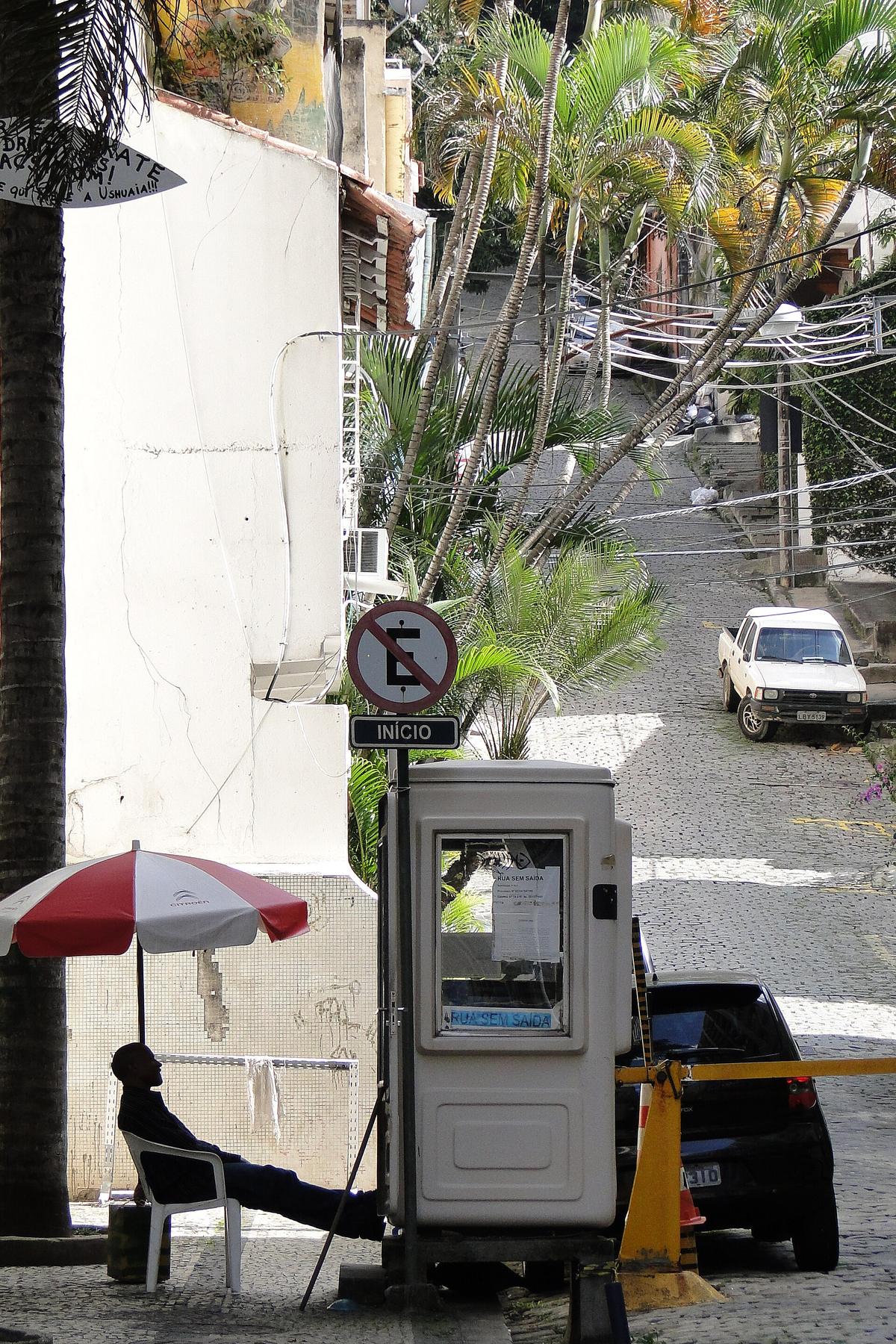
Rio de Janeiro safety advice is neighbourhood specific, not city wide. The Zona Sul beaches from Copacabana to Leblon are safe during daylight hours, but beach theft of unattended belongings is common. Never leave your bag or towel while swimming; bury it under a layer of clothes or leave it with a friend.
Santa Teresa and Centro After Dark
Santa Teresa, the hilltop bohemian quarter, is worth visiting but the tram and the narrow streets attract snatch-and-run theft after dark. Take an Uber or 99 car up and down the hill, not the tram, after sunset. The Centro zone is a dead zone on weekends with very few people on the streets, and that emptiness raises the risk.
Lapa and Night Travel
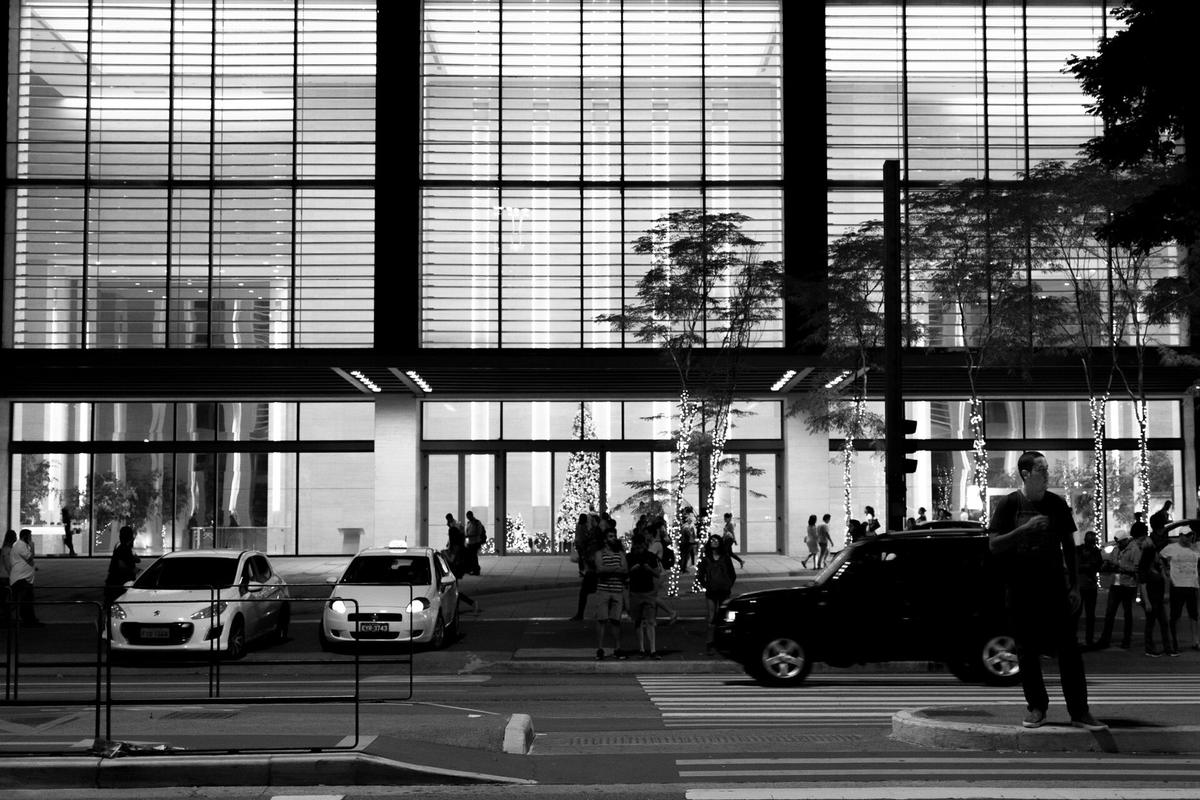
Lapa at night is loud, busy, and full of police presence on the main strip, but side streets off the Arcos require the same phone discipline. The single smartest move in Rio: use ride-hailing apps instead of street taxis for every trip after 8pm. Both Uber and 99 offer traceability and recorded driver details. This matters because express kidnap, where victims are held at ATMs for withdrawal limits, has been reported in both Rio and São Paulo.
Salvador Safety for Visitors: Pelourinho and Beyond
Pelourinho by Day and Night
Salvador safety for visitors follows the same logic but with different geography. Pelourinho, the UNESCO colonial heart, is a performance zone during the day and evening: music spills from doorways, the cobbled streets are full of tourists and police, and the risk is opportunistic theft rather than confrontation. The problem streets are those that climb away from the main square, especially after 10pm.
The Lower City and Getting Around
The Elevador Lacerda connecting the upper and lower city is safe during operating hours, but the area immediately around its lower exit should be crossed without lingering. The baianas selling acarajé on street corners are a legitimate food landmark, but buy from the stalls in well-lit, busy areas. Do not walk alone along the beachfront of the lower city at night. Use ride-hailing apps for all transfers between Pelourinho and your accommodation, even if it is only a 10 minute walk uphill.
.jpeg)
| Service | Number |
|---|---|
| Police (emergency) | 190 |
| SAMU ambulance | 192 |
| Fire department | 193 |
| Federal highway police | 191 |
| Tourist police (DEATUR) | Check local state capital directory |
Read next
-
 Staying Connected in Brazil With eSIM, Local SIM, or Roaming
Getting a working data connection in Brazil means navigating CPF requirements, patchy store policies, and vast coverage gaps—here are the three real paths.
Staying Connected in Brazil With eSIM, Local SIM, or Roaming
Getting a working data connection in Brazil means navigating CPF requirements, patchy store policies, and vast coverage gaps—here are the three real paths.
-
 Best Time to Visit Brazil by Region, Season and What Actually Happens
Brazil's seasons invert by region. Coastal summer peaks December to March, Lençóis lagoons fill June to September, and Carnival rewrites all rules.
Best Time to Visit Brazil by Region, Season and What Actually Happens
Brazil's seasons invert by region. Coastal summer peaks December to March, Lençóis lagoons fill June to September, and Carnival rewrites all rules.
-
 Getting Around Brazil, Domestic Flights, Buses and Airport Reality
Domestic flights dominate long-distance travel in Brazil, but airport logistics turn a 2-hour flight into a 5-hour door-to-door journey. Plan accordingly.
Getting Around Brazil, Domestic Flights, Buses and Airport Reality
Domestic flights dominate long-distance travel in Brazil, but airport logistics turn a 2-hour flight into a 5-hour door-to-door journey. Plan accordingly.
-
 Brazil Visa Requirements and How the Application Process Works
Who needs a visa for Brazil, who does not, and how the application process runs. Includes the yellow fever certificate requirement for onward travel.
Brazil Visa Requirements and How the Application Process Works
Who needs a visa for Brazil, who does not, and how the application process runs. Includes the yellow fever certificate requirement for onward travel.
-
 Money in Brazil, the Real, Cards, Cash and the Pix Problem
Brazil runs on Pix instant payments, but visitors without a CPF cannot use it. Here is where cards work, where cash wins, and how to manage.
Money in Brazil, the Real, Cards, Cash and the Pix Problem
Brazil runs on Pix instant payments, but visitors without a CPF cannot use it. Here is where cards work, where cash wins, and how to manage.
-
 How Much a Brazil Trip Actually Costs and Where the Money Goes
Brazil trip costs are shaped by long-haul flights, continental-scale domestic travel, and seasonal price swings that can triple accommodation rates overnight.
How Much a Brazil Trip Actually Costs and Where the Money Goes
Brazil trip costs are shaped by long-haul flights, continental-scale domestic travel, and seasonal price swings that can triple accommodation rates overnight.
-
 A Ground-Level Logistics Guide to Independent Travel in China
First-time independent travel in China: what you need to know about visas, rail booking, eSIMs, mobile payments, and power adapters.
A Ground-Level Logistics Guide to Independent Travel in China
First-time independent travel in China: what you need to know about visas, rail booking, eSIMs, mobile payments, and power adapters.
-
 How Solo Travelers Stay Ahead of Flight Delays and Cancellations
How solo travelers can track inbound aircraft, claim rebooking rights, and adjust ground transport when flights go wrong — step by step.
How Solo Travelers Stay Ahead of Flight Delays and Cancellations
How solo travelers can track inbound aircraft, claim rebooking rights, and adjust ground transport when flights go wrong — step by step.
-
 Why Your eSIM Might Not Work Abroad and How to Check Before You Go
Buying an eSIM doesn't guarantee signal abroad. Learn why coverage fails by location and how to verify reach before you commit to a plan.
Why Your eSIM Might Not Work Abroad and How to Check Before You Go
Buying an eSIM doesn't guarantee signal abroad. Learn why coverage fails by location and how to verify reach before you commit to a plan.