When to Go to Brazil, Region by Region
Brazil's seasons invert by region. Coastal summer peaks December to March, Lençóis lagoons fill June to September, and Carnival rewrites all rules.
When to Go to Brazil, Region by Region
You land at Guarulhos at 6am and by noon you are still on the access road trying to find a phone signal for your Uber app because the airport Wi‑Fi dropped you mid ride request. That is the rhythm of Brazil: loud, bureaucratic and intensely social, and it rewrites your travel clock the moment you arrive. The best time to visit brazil is not a single month on a calendar. It is a question of which region you hit and what you want that region to deliver when you get there.
Brazil Seasons by Region: What Actually Happens on the Ground
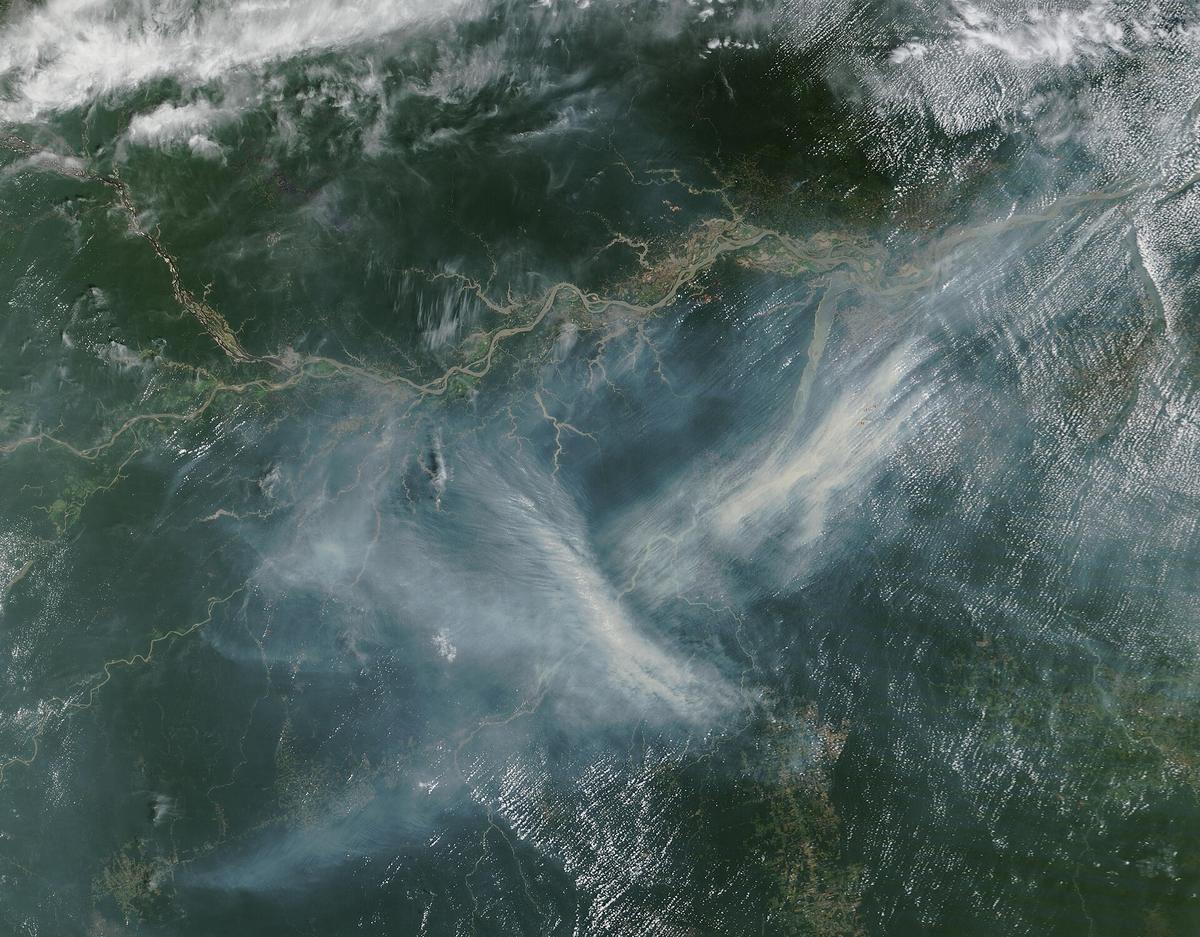
Brazil's climate zones split the country into five distinct systems, and none of them follow the four‑season rhythm you know from the Northern Hemisphere. The Equatorial North, covering the Amazon basin, has no summer or winter. It has a dry season and a wet season. The dry season runs roughly June through November, when river levels drop, beaches emerge on the Rio Negro and the Solimoes, and hiking trails become passable. The wet season, December through May, brings daily heavy rain, flooded forest accessed only by boat, and high humidity that saps your energy by 10am.
Amazon Rainy Season: When The Rivers Rise
The Amazon's rainiest months fall between March and May. During this window, the Rio Negro rises as much as 15 metres. The igapo and varzea floodplains become navigable by boat, which is spectacular for wildlife viewing but useless for anything on foot. Forest trails submerge. Some riverboat services cancel. Mosquito density climbs. If your plan involves hiking the Amazon, March through May is the wrong call. If you want to explore by boat and see flooded treetops, it is the only call. The one thing that trips visitors up: assuming that because it is the Amazon, it rains every afternoon year round. It does not. July through September in Manaus can deliver weeks of clear skies.
Tropical Center Dry Season: Pantanal And Chapada Diamantina
The Tropical Center, covering the Cerrado and the Pantanal, follows the same wet‑dry pattern. The Pantanal dry season, May through October, is when wildlife concentrates around shrinking waterholes and dirt roads become passable. The Pantanal wet season, November through April, floods the plains and restricts access to boats and small aircraft. Bird breeding peaks in the wet season, but you trade visibility for waterlogged logistics. April and October are the shoulder months: transitional wildlife viewing, lower accommodation prices, fewer visitors.
The same logic applies to Chapada Diamantina in Bahia. Dry season, April through September, gives you clear skies, warm days and dirt roads you can drive without a 4WD. Wet season afternoon thunderstorms swell the waterfalls but can wash out unpaved access roads. The waterfalls run full December through March; the trails stay open but the mud is real.
Northeast Coast: Warm Water, Concentrated Rain
The Northeast coast from Salvador down to Maceio stays warm year round, with rain concentrated in a window that shifts by sub region. In Salvador, the rainiest months are April through June. In Recife, March through July. The dry season, roughly September through February, delivers the consistent sun you see in the photos. The semi‑arid interior, the Sertao, is another story: prolonged drought punctuated by intense downpours that can flood roads in hours.


Summer Crowds and Prices on the Coast: December Through March
December through March is peak season across the entire coastline from Rio to Salvador. This is Brazilian summer holidays, and the country moves to the beach. Accommodation prices on the coast jump. Flights fill. Intercity buses sell out. The heat during these months routinely hits 40 degrees Celsius with a UV index of 11 or higher. Midday sightseeing is physically punishing. Plan your outdoor activity for before 9am or after 4pm, and budget for air‑conditioned breaks in between.
New Year And The Carnival Window
The New Year period, December 28 through January 3, is the single most expensive window in the country. Rio de Janeiro's Zona Sul accommodation prices triple. The coast from Rio to Sao Paulo is fully booked. If you are not attending Reveillon on Copacabana, avoid this window entirely unless you booked six months ahead. The same applies to Carnival week, which falls in February or March, 40 days before Easter. Carnival is not a party you can just walk into. Whole cities from Rio to Salvador to Olinda shut down. Intercity buses sell out. Prices triple. If you are not attending Carnival, avoid the entire travel period around it.
| Region | Peak Window | Avoid Window | Best Trade Off |
|---|---|---|---|
| Amazon (North) | June to November (dry) | March to May (rainiest) | July to September for low water and hiking |
| Pantanal (Center West) | May to October (dry) | November to April (wet) | August to October for wildlife concentration |
| Northeast Coast | September to February (dry) | April to July (rain varies by city) | October and November before Christmas crowds |
| Rio and South Coast | December to March (summer) | Carnival week if not attending | March to May for autumn shoulder |
| South Region (Subtropical) | December to February (beach) | July school holidays | March to May or September to November for moderate weather |
| Lencois Maranhenses | June to September (lagoons full) | October to May (dry or forming) | July and August for peak lagoons |
Lencois Maranhenses Best Months: Only June Through September
The Lencois Maranhenses National Park is the one place in Brazil where the calendar is absolute. The lagoons between the white dunes fill with rainwater only between June and September. Outside that window, you are walking on dry sand that looks like the Sahara. The park is in the state of Maranhao, near the equator, so temperatures stay high year round. But the lagoons dictate the visit. Plan for July or August, when the water is at its peak depth. Avoid October through May, when the lagoons are either still forming or have already evaporated.
Brazil Carnival Dates: What it Means for Travel
Carnival falls in February or March, 40 days before Easter. In 2027, Carnival runs February 6 through February 10. In 2028, it runs February 25 through February 29. The date shifts every year. What does not shift is the effect on travel. During Carnival week, Rio de Janeiro sees 7 million visitors. Intercity buses from Sao Paulo to Rio sell out a month ahead. Domestic flights triple in price. If you want to attend, book accommodation, flights and blocos street parties at least four months ahead. If you do not want to attend, avoid the entire week and the week after, when recovery travel crowds linger. The same applies to Semana Santa, Holy Week, which falls the week before Easter and drives high occupancy in historic towns like Paraty, Ouro Preto and Salvador.
.jpg)
Practical Reality: What Goes Wrong and How to Navigate it
Brazil is not a spontaneous travel destination. The airports demand 90 to 120 minute check‑in for domestic flights, and many cities have 60 to 90 minutes of traffic between the airport and the hotel. A two‑hour flight between Rio and Salvador means a five‑hour journey from hotel door to hotel door. Pay with an international credit card on the LATAM, Gol or Azul app before you arrive; airport counters refuse foreign cards. The Pix instant payment system that Brazilians rely on requires a Brazilian CPF and bank account, which you cannot get as a tourist. Carry cash for markets, street food and small vendors. Yellow fever vaccination proof is required for entry to national parks in certain states and for some countries after you leave Brazil. Check the list published by Anvisa, the Brazilian health authority, before you book.
Language, Connectivity And Transport Apps
Portuguese is the only language spoken outside hotel front desks and luxury tour operations. Download the Google Translate offline pack in Portuguese before you land. The free Wi‑Fi in cafes and accommodation is widespread but slow. Buy a Vivo or Claro SIM at the airport. In theory you need a CPF to activate it, but some stores accept a passport. Download 99 and Uber for transport, iFood for food delivery, and Moovit for public transit navigation before you leave the terminal.
Who Brazil Suits and Who Should Skip it
Brazil suits party‑focused backpackers who have the stamina for 4am street drumming and the flexibility for plans that change three times before noon. It suits nature and wildlife obsessives willing to trade comfort for jaguar sightings and flooded‑forest boat rides. It suits LGBTQ+ travellers looking for a scene bigger than anywhere else in South America. It suits second‑time South America visitors who have already done the Inca Trail and want depth over ease. It suits surfers chasing warm‑water waves from Florianopolis to Jericoacoara.
Brazil is not for nervous solo travellers who need quiet. It is not for anyone on a tight fixed schedule who cannot absorb a cancelled flight or a road washed out by afternoon rain. It is not for germophobes. The public bathrooms almost never provide toilet paper or soap. Locals carry both. If you need crisp infrastructure, predictable service and English spoken everywhere, skip Brazil and go to Chile or Costa Rica. The single thing that most often goes wrong: travellers assume a two‑hour domestic flight means a two‑hour journey, when Brazilian airports demand 90 to 120 minute check‑in and the traffic to reach the airport can match the flight time itself. Budget for four hours from door to door, and you will arrive on time.
Common Questions
What is the absolute worst month to visit the Amazon?
March through May is the Amazon rainy season, when river levels peak, trails flood and some boat services cancel. If your trip depends on hiking or overland travel, avoid these three months. If you want flooded forest boat access, they are the best months.
Should I book Rio accommodation during Carnival if I am not going to the street parties?
No. Carnival week sends coastal accommodation prices up and the city is chaotic, loud and short on transport. If you are not attending, book for the week before or the week after instead.
Can I see the Lencois Maranhenses lagoons in December?
No. The lagoons fill with rainwater only between June and September. Outside that window, the national park is dry sand. Plan for July or August to see the water at its peak.
Is the Pantanal better in the wet season or dry season?
Dry season, May through October. Wildlife concentrates at shrinking water sources and dirt roads stay passable. The wet season floods the plains and restricts access to boats and small aircraft, though bird breeding peaks then.
Do I need a visa for Brazil?
It depends on your passport. US citizens need a visa. EU, UK and Japanese citizens are visa‑free for up to 90 days. Canadian and Australian citizens need a visa. The visa fee and validity are set annually by the Brazilian Ministry of Foreign Affairs. Check the official consulate page for your nationality before booking flights.
Read next
-
 Staying Connected in Brazil With eSIM, Local SIM, or Roaming
Getting a working data connection in Brazil means navigating CPF requirements, patchy store policies, and vast coverage gaps—here are the three real paths.
Staying Connected in Brazil With eSIM, Local SIM, or Roaming
Getting a working data connection in Brazil means navigating CPF requirements, patchy store policies, and vast coverage gaps—here are the three real paths.
-
 Getting Around Brazil, Domestic Flights, Buses and Airport Reality
Domestic flights dominate long-distance travel in Brazil, but airport logistics turn a 2-hour flight into a 5-hour door-to-door journey. Plan accordingly.
Getting Around Brazil, Domestic Flights, Buses and Airport Reality
Domestic flights dominate long-distance travel in Brazil, but airport logistics turn a 2-hour flight into a 5-hour door-to-door journey. Plan accordingly.
-
 Brazil Visa Requirements and How the Application Process Works
Who needs a visa for Brazil, who does not, and how the application process runs. Includes the yellow fever certificate requirement for onward travel.
Brazil Visa Requirements and How the Application Process Works
Who needs a visa for Brazil, who does not, and how the application process runs. Includes the yellow fever certificate requirement for onward travel.
-
 Money in Brazil, the Real, Cards, Cash and the Pix Problem
Brazil runs on Pix instant payments, but visitors without a CPF cannot use it. Here is where cards work, where cash wins, and how to manage.
Money in Brazil, the Real, Cards, Cash and the Pix Problem
Brazil runs on Pix instant payments, but visitors without a CPF cannot use it. Here is where cards work, where cash wins, and how to manage.
-
 Safety in Brazil, Reading the Advice Without Being Misled by It
Brazil has real safety risks, but the advice is often sensationalised. Here is how to manage phone theft, neighbourhood choices, and street smarts.
Safety in Brazil, Reading the Advice Without Being Misled by It
Brazil has real safety risks, but the advice is often sensationalised. Here is how to manage phone theft, neighbourhood choices, and street smarts.
-
 How Much a Brazil Trip Actually Costs and Where the Money Goes
Brazil trip costs are shaped by long-haul flights, continental-scale domestic travel, and seasonal price swings that can triple accommodation rates overnight.
How Much a Brazil Trip Actually Costs and Where the Money Goes
Brazil trip costs are shaped by long-haul flights, continental-scale domestic travel, and seasonal price swings that can triple accommodation rates overnight.
-
 A Ground-Level Logistics Guide to Independent Travel in China
First-time independent travel in China: what you need to know about visas, rail booking, eSIMs, mobile payments, and power adapters.
A Ground-Level Logistics Guide to Independent Travel in China
First-time independent travel in China: what you need to know about visas, rail booking, eSIMs, mobile payments, and power adapters.
-
 How Solo Travelers Stay Ahead of Flight Delays and Cancellations
How solo travelers can track inbound aircraft, claim rebooking rights, and adjust ground transport when flights go wrong — step by step.
How Solo Travelers Stay Ahead of Flight Delays and Cancellations
How solo travelers can track inbound aircraft, claim rebooking rights, and adjust ground transport when flights go wrong — step by step.
-
 Why Your eSIM Might Not Work Abroad and How to Check Before You Go
Buying an eSIM doesn't guarantee signal abroad. Learn why coverage fails by location and how to verify reach before you commit to a plan.
Why Your eSIM Might Not Work Abroad and How to Check Before You Go
Buying an eSIM doesn't guarantee signal abroad. Learn why coverage fails by location and how to verify reach before you commit to a plan.