Where to Stay in Budapest District by District
Where to stay in Budapest depends on how much noise, walking, and nightly rate you will accept. Here is the district-by-district trade-off.
Where to Stay in Budapest District by District
Most visitors book a room in District V and then wonder why Budapest feels louder, more spread out and less polished than they expected. The city rewards slow wandering across both riversides, not a single stay-put base. The real question about where to stay in Budapest is which trade-off you are willing to make: walkability for quiet, late evenings for sleep, or a view premium for a longer metro ride. Budapest has 23 numbered districts, but your choice narrows to three zones on the Pest side and two on the Buda side, each with a clear set of gains and costs.
The inner Pest core of District V through VII delivers flat streets, landmark density and the Deák Ferenc tér metro junction, which connects lines M1, M2 and M3. Step one street off Andrássy út in District VI or into the Jewish Quarter of District VII and the city switches from grand to gritty: peeling 19th-century plaster beside a high-end ruin bar, cracked pavement, aggressive ticket inspectors. The city is larger than you think. The thermal baths are more crowded than the photographs suggest. Three full days is the minimum: Pest core, one bath, Buda Castle Hill and one ruin bar evening, and you still leave things out.
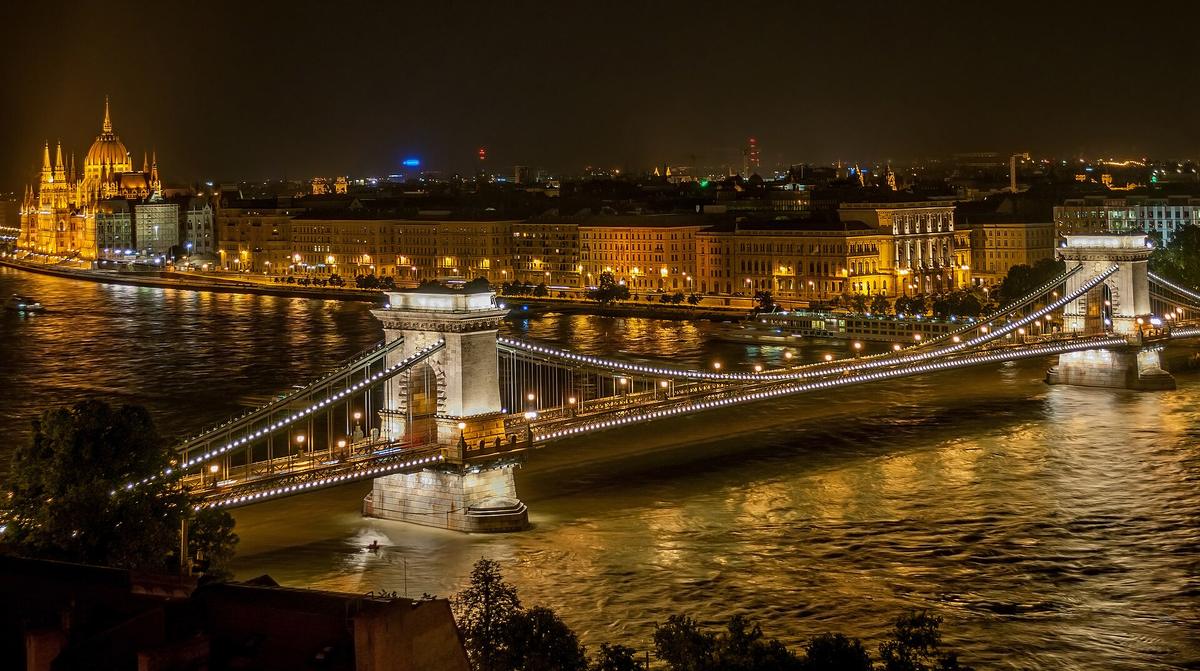

Budapest Districts for Tourists: the Three Zone Rule
The Inner Pest Core
Budapest splits into three zones, not 23 districts. The inner Pest core of Districts V, VI and VII holds the default booking triangle. District V is the visible face: flat, government-fronted, high share of landmark buildings, Parliament at one end, Central Market Hall a short walk south. District VI runs along Andrássy út past the Opera House and the House of Terror. District VII contains the densest bar and late-night cluster in the city, centred on Király utca and Kazinczy utca. The regret pattern here is predictable: in District VII you sacrifice sleep; in District V you pay a nightly rate premium for walkability.
The Buda Side
Buda side is Districts I and II. District I climbs the Castle District hill: low traffic, cobbled streets, Buda Castle and Fisherman's Bastion, but fewer large hotels and no metro line. District II pushes into the leafy Buda hills and embassy zone, quiet and residential, with longer access times back to Pest. The common mistake is treating Buda as a half-day afterthought, then discovering the Castle District, Gellért Hill and the Buda-side baths each deserve their own block of time.
Outer Pest And Beyond
Outer Pest spreads forward. District XIII, Újlipótváros, offers calm residential Pest with decent restaurants and riverside hotels. District XIV contains City Park, Széchenyi Thermal Bath, Heroes' Square and Vajdahunyad Castle. District IX, the university and food-hall edge around Central Market Hall, gentrifies fast. District VIII splits: the inner Palace Quarter is elegant; the outer parts are edgier and lower density. District XI on the Buda side clusters around Gellért Hill and the university zone, with local life and better value than the Castle District.
Best Area to Stay in Budapest: What You Gain, What You Lose
District V: The Walkable Centre
Pick District V if you want every landmark within a 15-minute walk and the airport express bus dropping you at Deák Ferenc tér. What you lose: the highest nightly rate in the city for a compact room, and a streetscape that empties out after office hours. Budapest is quieter here at night than in District VII, but the restaurants that stay open late are priced for visitors.
District VI: Culture Without The Noise
Pick District VI if you want the Andrássy út axis with its grand residential buildings, cultural sites, and easy access to the Jewish Quarter after dark without sleeping in it. What you lose: the Opera House side of the district is busy by day and thinner on casual street food than the areas south of it. Book a courtyard room on the far side from the lift.
District VII: The Late-Night Quarter
Pick District VII if staying out late is your priority and street food from the ruin bar courts is how you want to eat. What you lose: sleep. The noise around Király utca and Kazinczy utca runs late, and the narrow pavements are blocked by parked cars and bar queues. This district works for friend groups who stay out until the night buses run. It works poorly for couples who want an early start at Széchenyi Bath.
District I: Castle Hill Quiet
Pick District I for atmosphere and quiet. Buda Castle, Matthias Church and Fisherman's Bastion are on your doorstep. What you lose: walking access to Pest. The grade change adds time to every trip. You need the metro from Deák Ferenc tér or a Bolt taxi across the river. Hotels here are smaller and fewer, so you pay a Castle-facing view premium.
District XIII: Residential Calm
Pick District XIII if you want a calm residential base with riverside hotels, decent local restaurants and a metro connection to the centre. What you lose: late-night options. The area is quiet, and the walk to the core is a 20-minute tram ride along the Grand Boulevard. This is the right choice for travellers who want to sleep well and eat in local étkezdék.
| District | Nightly Rate | Walkability | Noise Level | Best For |
|---|---|---|---|---|
| V (Belváros Lipótváros) | Highest | Excellent | Moderate | First timers, landmark focused |
| VI (Terézváros) | High | Very good | Moderate to busy | Culture, Andrássy út access |
| VII (Erzsébetváros) | Moderate | Very good | High | Late nights, friend groups |
| I (Castle District) | High | Low (hill) | Low | History, quiet, views |
| XIII (Újlipótváros) | Moderate | Fair | Low | Sleep, local life |
| IX (Ferencváros) | Moderate to low | Good | Moderate | Food halls, budget, students |
| XI (Újbuda) | Low to moderate | Fair | Moderate | Value, local Buda base |
| XIV (Zugló) | Low to moderate | Fair | Low | City Park, Széchenyi, green space |
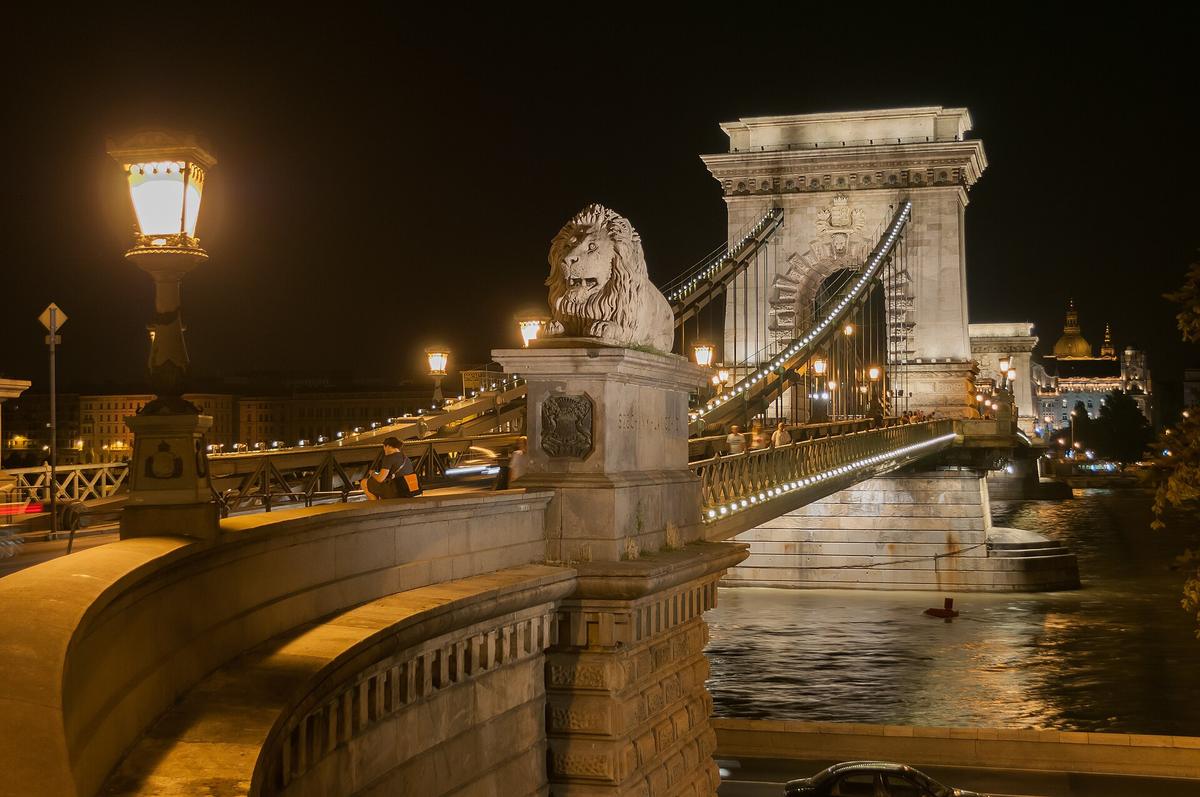

Budapest Accommodation by District: Noise, Walking and Nightly Rate
The price to walking distance trade-off follows a simple rule: room rates fall as distance from Deák Ferenc tér interchange rises. District V sits at the top of that curve. District VIII inner section, a 15-minute walk from Deák Ferenc tér, costs noticeably less than District V or VI for the same grade of hotel. What you gain in price you lose in street polish: the inner Palace Quarter section of District VIII is fine, but the outer blocks feel less secure late at night.
District IX offers a similar price advantage with a better food scene. The area around the Central Market Hall and the university has a younger, faster-gentrifying feel. A room here costs below the District V baseline, and the tram network along the Grand Boulevard connects you to the centre in under ten minutes. What you lose: the density of sights. You walk further to reach Parliament or the Basilica.
District XIV, Zugló, is the edge case. Heroes' Square and Széchenyi Bath are here, but the area is lower density and feels less like a visitor district. This is a good choice if you plan multiple bath visits and want a quiet green base with City Park as your backyard. What you lose: evening options. The bar and restaurant density is thin compared to District VII. You take a Bolt taxi back after dinner.
Pest vs Buda Stay: Which Side Should You Choose?
The Pest Side
Pest side is flat, continuous and connected. The central grid is walkable, the metro lines M1, M2, M3 and M4 converge at Deák Ferenc tér, and night buses and trams centre on the Pest hubs. If you want to move fast between ruin bars, baths and restaurants without planning, Pest is your side. The downside: Pest is louder, the pavements are narrower and cracked, and the beauty is uneven. One block of elegance on Andrássy út gives way to a block of peeling graffiti.
The Buda Side
Buda side demands a different rhythm. District I and II require you to cross a bridge for almost everything outside the Castle District. The grade change from Gellért Hill and the Castle District means you walk hills, not flat streets. What you gain is quiet, space, and morning views across the Danube to the Parliament building. What you lose is spontaneity: a spontaneous dinner means leaving your hotel, crossing the river, and committing to a return trip. Buda works for readers who want a calm base and are happy to treat Pest as a destination they travel to, not a zone they walk through.
The Compromise: District XI
District XI on the Buda side, around Gellért Hill and the university, is the compromise. It is quieter than central Pest, cheaper than District I, and connected by tram and metro. The Gellért Bath is here, and the local restaurants serve Budapest residents rather than visitors. What you lose: the walk to the core is 20 minutes across the bridge. It is a good base for digital nomads and mid-budget travellers who value space and a local feel.
Common Questions
Which Budapest district is best for a first time visitor?
District V (Belváros Lipótváros) or District VI (Terézváros). Both put you inside the core with flat walking access to Parliament, St Stephen's Basilica, Andrássy út and the Danube embankment. You pay a higher nightly rate for that walkability, but you save on transport costs and time.
Is District VII too loud to sleep?
For light sleepers, yes. The Jewish Quarter around Király utca and Kazinczy utca has the densest bar and late-night cluster in Budapest. Noise runs late, especially on weekends. If you want access to the quarter after dark but need sleep, choose a hotel in District VI just north of Andrássy út, or book a courtyard room in District VII on a side street away from the bar zones.
Should I stay on the Buda side?
Only if you value quiet, views and a slower pace over instant walkability. District I (Castle District) gives you Buda Castle and Fisherman's Bastion within a short walk but requires crossing a bridge to reach Pest. District II is leafy and residential with longer travel times. Buda works for couples and anyone who does not mind a 15-minute Bolt taxi or tram ride to the core.
Which district offers the best value for money?
District VIII inner section and District IX. Both sit within a 15-minute walk or short tram ride from Deák Ferenc tér but cost significantly less than District V or VI. District IX has the Central Market Hall and a good food scene. District VIII Palace Quarter is elegant, but the outer blocks are edgier.
How many days should I stay in Budapest?
Three full days minimum. That covers Pest core, one thermal bath, Buda Castle Hill and one ruin bar evening without rushing. If you want to add a day trip to Szentendre or Gödöllő Palace, add a fourth day.
What is the best area for late nights?
District VII, specifically the Jewish Quarter between Király utca and Kazinczy utca. The ruin bar and street food scene is dense here. District VI around the Opera House also has bars but fewer concentrated options. District V after dark is more hotel bar and visitor-oriented.
Is Budapest walkable or do I need public transport?
The core of Districts V, VI and VII is flat and walkable on foot. Buda Castle and Gellért Hill add grade. For moving between Pest and Buda, or reaching District XIV (City Park) and District IX, use the metro, tram or a Bolt taxi. A single ticket is per vehicle, not per journey, so buy a transfer ticket if you change lines.
Read next
-
 Budapest Hotels What Each Price Band Actually Gets You
Budapest hotels span from cheap courtyard rooms to grand Danube-view addresses. Here is what each price band actually gets you.
-
 Budapest Flights, Flying Into Ferenc Liszt Airport and Getting Out
Flying into Budapest Ferenc Liszt Airport: what to expect on arrival and how to get into central Pest by bus or taxi.
-
 Budapest Things to Do Ordered by Whether It Is Worth the Time
Budapest things to do ordered by whether they are worth the time, the queue, and the crowd they demand.
-
 Best Time to Visit Budapest and What Each Season Does to It
The best time to visit Budapest depends on how much heat, crowd, and seasonal closure you will tolerate. Here is what each season does.
-
 Getting Around Budapest Without Wasting Half the Trip
Getting around Budapest means mastering the per-vehicle ticket rule, the validation boxes, and the BudapestGO app before you board.
-
 Budapest Itinerary, How to Spend Two or Three Days in Budapest
A realistic Budapest itinerary for two or three days, balancing Pest's core, Buda Castle Hill, one thermal bath and a ruin bar evening.
-
 Hungarian Parliament
How a Hungarian Parliament Building visit works, where tours start, when they sell out, and how to avoid queueing twice.
-
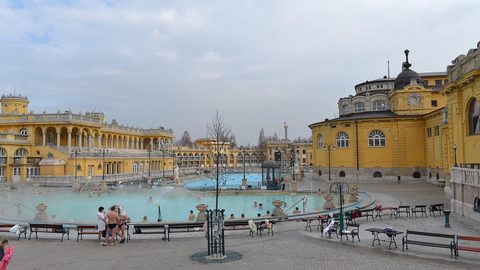 Széchenyi Thermal Bath
What Széchenyi Thermal Bath Budapest is really like, how crowds shift by season and hour, and how to plan a visit that matches your tolerance.
-
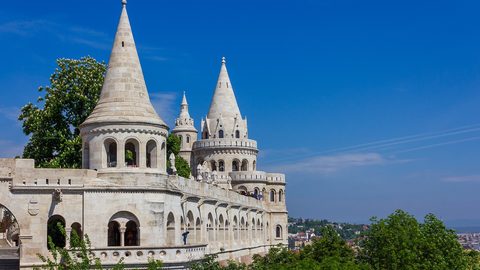 Fisherman's Bastion
How Fisherman's Bastion Budapest works, which terraces cost money, and when to go for the Danube panorama without tour bus crowds.