Budapest Things to Do Ordered by Whether It Is Worth the Time
Budapest things to do ordered by whether they are worth the time, the queue, and the crowd they demand.
The Real Budapest is Bigger, Grittier, and Needs Prioritising
Budapest sprawls. Most first-time visitors underestimate it. A three-day trip works, but only if you choose what to see instead of trying to see everything. Below is a blunt ranking of Budapest things to do, ordered by whether the time you give it pays you back. Some of the most photographed sights cost half a day in queues and crowds. Quieter, less promoted spots deliver more for less hassle. This ranking sets the priorities. District pages cover the neighbourhoods in depth.
Budapest Attractions Ranked: What Earns Its Slot
The order below assumes three full days and a reasonable budget. You want a mix of architecture, hot-spring baths, ruin bars, and one serious museum. Sights that demand a booking days ahead are flagged. Sights that look great in photos but waste your time are called out.
| Sight | Time | Book Ahead? | Verdict |
|---|---|---|---|
| Parliament interior | 45-60 min guided tour | Yes, by named visitor/ timed slot | Essential. Book before your flight. |
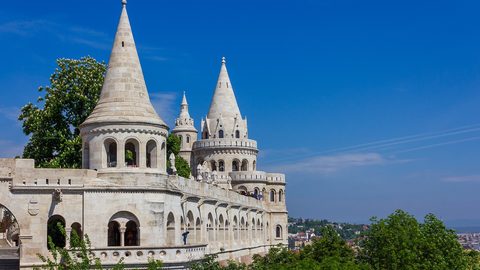
| Fisherman's Bastion (lower terraces) | 20 min | No | Yes. Free, view is the same. |
| Fisherman's Bastion (upper terraces) | 20 min | No | Skip. Paid view from same spot. |
| Széchenyi Thermal Bath | Half day | Recommended | Worth it early morning or late. Crowded by 10am. |
| Gellért Thermal Bath | 2-3 hours | No | Yes for the Art Nouveau. Smaller, calmer. |
| Rudas Thermal Bath | 2-3 hours | No | Good for the Turkish dome. Check gender schedule. |
| Great Synagogue | 45-60 min incl. guided tour | Yes | Yes. Closed Saturdays and Jewish holidays. |
| House of Terror | 90-120 min | Timed entry in peak | Yes for history readers. Intense. |
| Central Market Hall | 45-60 min | No | Yes. Closed Sundays. |
| Castle Hill area (Buda Castle, Matthias Church, Fisherman's) | Half day | No | Yes. Contiguous walk. |
| St Stephen's Basilica interior | 30-45 min | No | Free interior. Pay for tower or skip it. |
| Heroes' Square | 20-30 min | No | 20 min stop, not a destination. |
| Memento Park | 60-90 min | No | Only for Cold War buffs. 30 min from centre. |
| Shoes on the Danube | 10 min | No | Free. Stop on a riverside walk. |
What to Do in Budapest: the Worth it List, by Choice
The Parliament Interior, Book It Before You Book Your Hotel
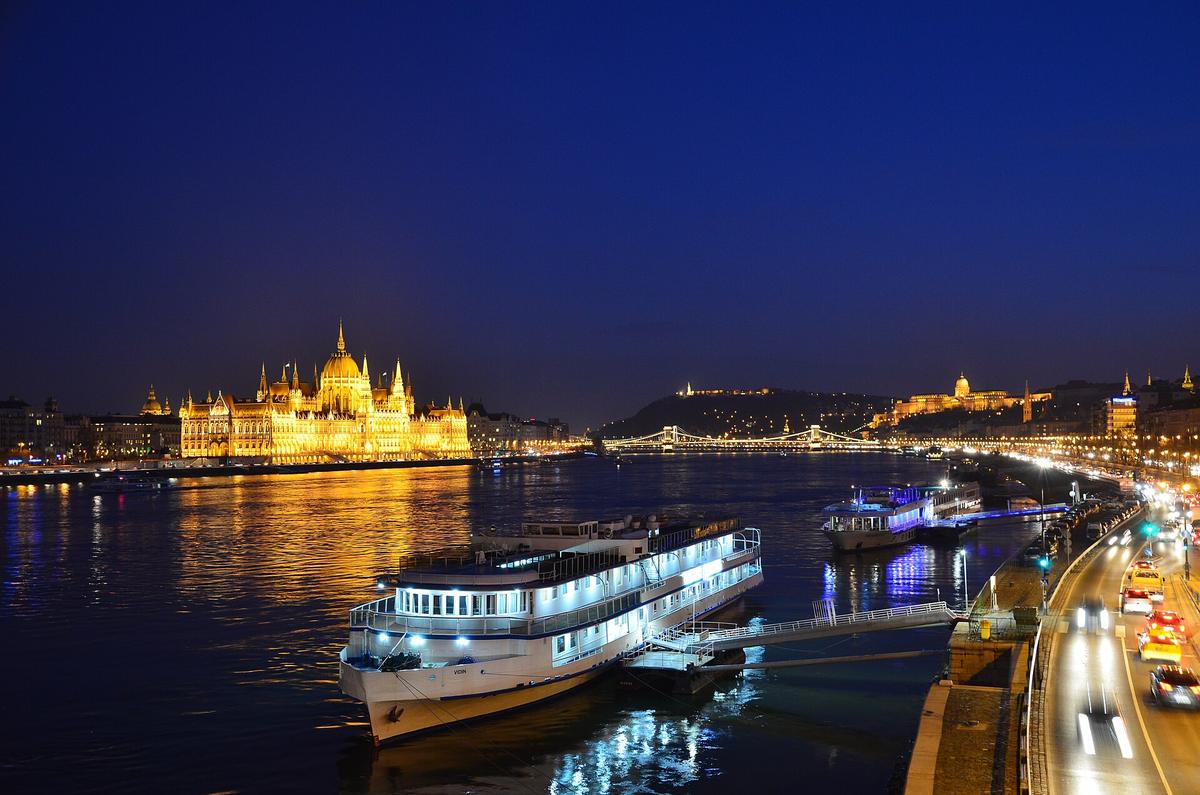
The Hungarian Parliament Building interior tour takes 45 to 60 minutes. You cannot buy a ticket at the door. Purchase online in advance, by named visitor, for a timed slot. If you do not do this before you leave home, the chance is gone. The exterior, viewed from Kossuth Square or the Pest embankment, is free and worth a look any time. The guided tour inside is the only way to see the dome hall and the crown jewels. Budget for it at the top of your list.
Buda Castle Hill, One Walkable Half-Day
Buda Castle, Matthias Church, Fisherman's Bastion, and the Castle Hill caves form one contiguous walkable area. Treat it as a single half day. Arrive by 08:30 and climb the hill from Clark Ádám Square via the Funicular (separate ticket) or a 10-minute uphill walk. The free lower terraces of Fisherman's Bastion give the same view of the Danube and Parliament as the paid upper ones. Pay for the Matthias Church interior only if you need the ornate roof tiles close up. The tower is a separate ticket, and the view is good but not better than the bastion. Skip the palace museum unless you have a second Buda morning. Crowds at Fisherman's Bastion peak at midday. Go early or late.
Széchenyi Bath, Worth It Only Before 09:00
Széchenyi is the largest medicinal bath in Europe by pool count: 18 pools, 10 saunas and steam cabins, a huge Neo-Baroque outdoor section. The photos show steam rising from yellow water at dawn. The reality from 10:00 onward is shoulder-to-shoulder bathers, loud groups, and a queue for the entrance. Buy your online ticket with dated entry and choose a cabin or locker at purchase. Arrive at opening. Leave by 10:00. Or skip it entirely and go to Gellért instead. Gellért is Art Nouveau, smaller, calmer, and takes 2 to 3 hours. It is not quiet either, but the crowd density is lower. For a different experience, Rudas has the original 1550 Turkish octagonal pool under a dome. Check the gender schedule. Men-only, women-only, and mixed days rotate weekly.
The Great Synagogue, Book a Timed Entry
The Dohány Street Great Synagogue is the largest in Europe. Your ticket includes a mandatory guided tour lasting 45 to 60 minutes. Book the timed entry online. It is closed Saturdays and Jewish holidays. The tour covers the main sanctuary, the Jewish Museum, and the poignant courtyard memorial. Combine it with a walk through the Jewish Quarter (District VII), where the ruin bars are.
Budapest Ruin Bars: Worth it for the Scene, Not the Drink
Budapest ruin bars cluster in District VII, mainly around Kazinczy Street and Klauzál Square. Szimpla Kert, the original from 2002, is the most famous. It is crowded every evening. The courtyard fills by 21:00. Drink prices remain reasonable by European standards. The experience is worth one evening: the mismatched furniture, art installations, and multiple bars are genuinely unique. Go early, around 19:00, to see the interior before it becomes a sweaty crush. For a quieter ruin bar atmosphere, walk two streets away from Szimpla and pick any that is not on the first three search results. They are all built in the same abandoned-building style and serve the same beer for less. Do not bother with the ruin bar in the daytime. Most open after 16:00.
Budapest Baths Worth It: Which and When
The baths are the single most overrated experience on the Budapest itinerary if you arrive at the wrong hour. The water comes from natural hot springs, 21 to 40 degrees Celsius depending on the pool. Serenity is not a feature. The baths are social, loud, and in July and August the outdoor pools at Széchenyi feel like a public swimming pool. Gellért is a better bet for a relaxed soak. The Art Nouveau hall, the indoor wave pool, and the smaller set of pools make it feel more contained. Rudas is the choice for solo visitors or anyone wanting the original Turkish dome. All three require a towel (rental available) and flip-flops. Swim caps are not required in most pools.


Budapest Sightseeing Priorities: Three Days, Six Blocks
Here is how the above ranking fits into three full days:
- Day 1: Parliament interior (booked), Danube riverside walk from Parliament to Liberty Bridge (half day), Shoes on the Danube Bank (free, 10 min), Central Market Hall (ground floor produce, upstairs food stalls). Closed Sundays.
- Day 2: Buda Castle District (half day, start early), afternoon at Gellért or Széchenyi (arrive by 08:00), evening in Jewish Quarter ruin bars.
- Day 3: City Park half-day: Heroes' Square (20-30 min), Vajdahunyad Castle (free grounds), optional museum or Széchenyi if you skipped it. Afternoon at St Stephen's Basilica (free interior, pay 364 steps or elevator for panorama) or the Great Synagogue (booked). Evening on Andrássy Avenue walk (60-90 min from Deák Ferenc tér to Heroes' Square).
If you have a fourth day, add Margaret Island (car free, 2.5 km, musical fountain, running track) or a day trip to Szentendre (40 min by HÉV suburban rail from Batthyány tér).
Who Should Skip Budapest
Budapest suits first-time Central Europe visitors who want a big, affordable capital. Couples and friend groups who enjoy nightlife and hot-spring baths. Architecture and history lovers. Food-focused travellers on a mid-range budget. Digital nomads wanting a cheap, well-connected base. It is not for travellers wanting a compact, walkable old town, those seeking pristine, polished streetscapes, visitors who dislike crowds at major sights, anyone expecting quiet spa-like calm at the baths in high season, or travellers with limited mobility given the hills, cobbles, and long metro escalators. The single thing that most often goes wrong: arriving without booked entries for the Parliament and the Great Synagogue, then spending the trip looking at their exterior.
Common Questions
Do I need to book tickets for the main sights in advance?
Yes for the Parliament interior (online, named visitor, timed slot), the Great Synagogue (timed entry, closed Saturdays), and the Hungarian State Opera House (guided tour only). Széchenyi recommends advance booking. The House of Terror does not require advance booking for individuals, but may apply timed entry at peak periods. Everything else you can buy on arrival.
Which thermal bath is least crowded?
Gellért is smaller and less crowded than Széchenyi. Rudas is also quieter, but check the gender schedule because men-only, women-only, and mixed days rotate. Any bath at 09:00 on a Tuesday is quiet. Any bath at 14:00 on a Saturday in August is not.
How many days do I need for Budapest?
Three full days minimum. That covers the Pest core, one bath, Buda Castle Hill, and a ruin bar evening without rushing. If you only have two days, drop the bath and pick one side of the river per day.
Is the Buda Castle Funicular worth it?
It is a 1.5 minute ride for a separate fare. Walking up the hill takes 10 minutes and gives you a better view. Skip the funicular unless you have mobility issues.
What is the biggest mistake first time visitors make?
Staying only on the Pest side and treating Buda as a half day afterthought. The Castle District, Gellért Hill, and the Buda baths each deserve their own unhurried block of time.
Read next
-
 Budapest Hotels What Each Price Band Actually Gets You
Budapest hotels span from cheap courtyard rooms to grand Danube-view addresses. Here is what each price band actually gets you.
-
 Where to Stay in Budapest District by District
Where to stay in Budapest depends on how much noise, walking, and nightly rate you will accept. Here is the district-by-district trade-off.
-
 Budapest Flights, Flying Into Ferenc Liszt Airport and Getting Out
Flying into Budapest Ferenc Liszt Airport: what to expect on arrival and how to get into central Pest by bus or taxi.
-
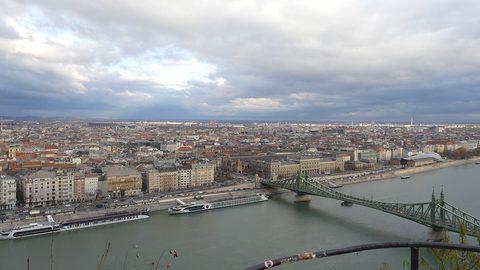 Best Time to Visit Budapest and What Each Season Does to It
The best time to visit Budapest depends on how much heat, crowd, and seasonal closure you will tolerate. Here is what each season does.
-
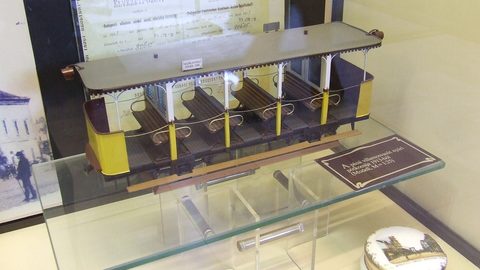 Getting Around Budapest Without Wasting Half the Trip
Getting around Budapest means mastering the per-vehicle ticket rule, the validation boxes, and the BudapestGO app before you board.
-
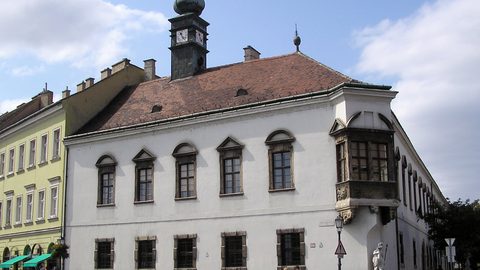 Budapest Itinerary, How to Spend Two or Three Days in Budapest
A realistic Budapest itinerary for two or three days, balancing Pest's core, Buda Castle Hill, one thermal bath and a ruin bar evening.
-
 Hungarian Parliament
How a Hungarian Parliament Building visit works, where tours start, when they sell out, and how to avoid queueing twice.
-
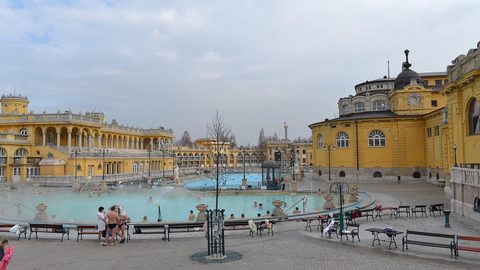 Széchenyi Thermal Bath
What Széchenyi Thermal Bath Budapest is really like, how crowds shift by season and hour, and how to plan a visit that matches your tolerance.
-
 Fisherman's Bastion
How Fisherman's Bastion Budapest works, which terraces cost money, and when to go for the Danube panorama without tour bus crowds.