Shopping in Budapest Markets Streets and What Is Actually Local
Shopping in Budapest means knowing which markets and streets are local and which are souvenir-heavy. Here is the honest split.
The Single Most Useful Fact About Shopping in Budapest
The Great Market Hall, called Nagycsarnok, closes on Sunday. So does every other main market hall in Budapest. That means Saturday and Sunday are not equal for a weekend trip. If you arrive Friday and leave Sunday, Saturday is your only day for the halls. Build your shopping plan around that closure. The central halls are the Great Market Hall in District IX, Hold Street Market Hall in District V, Lehel Market Hall in District XIII, Rákóczi Square Market Hall in District VIII, Hunyadi Square Market Hall in District VI, Batthyány Square Market Hall in District I, and Fehérvári Road Market Hall in District XI. All of them shut on Sunday. If Sunday is your only free day, head for the weekend farmers' markets instead. These run Saturday morning at Czakó Piacz in District I, Saturday at Szimpla Farmers' Market in District VII, Saturday morning at MOM Park Farmers' Market in District XII, and Sunday morning at Városmajor Farmers' Market in District XII. The Christmas markets at Vörösmarty Square and St Stephen's Basilica Square, open mid-November to early January, also trade on Sundays.
Central Market Hall Budapest: the Tourist Floor and the Local Floor
The Great Market Hall on Fővám Square, District IX, is Budapest's most famous market and the one every visitor walks into. The ground floor sells produce, meat, dairy, and paprika. The upper floor is a food court with heavy tourist foot traffic and souvenir stalls selling the same embroidered tablecloths and shot glasses you saw on Váci Street.
What to Buy
Buy a string of dried paprika from Szeged or Kalocsa. Pick up a jar of Pick salami made in Szeged. Grab Tokaji aszú wine from the Tokaj region. Genuine Unicum herbal liqueur, made by Zwack in District IX of Budapest, is worth buying here because it is made in the city and you can verify the seal.
What to Skip
Skip the mass-produced paprika gift packs with the label printed in English. Avoid porcelain marked 'Herend style' instead of bearing the Herend factory mark. Walk past anything made of plastic painted to look like ceramic. Real Herend porcelain is manufactured in Herend, not Budapest, and real Zsolnay porcelain comes from Pécs. Both are sold in speciality shops across the city, not on the upper floor of the market. The same applies to Ajka crystal, which is made in Ajka. If the price seems too low for a hand-painted porcelain piece, it is not Herend.
Budapest Markets Beyond the Tourist Trail
Lehel Market Hall In District XIII
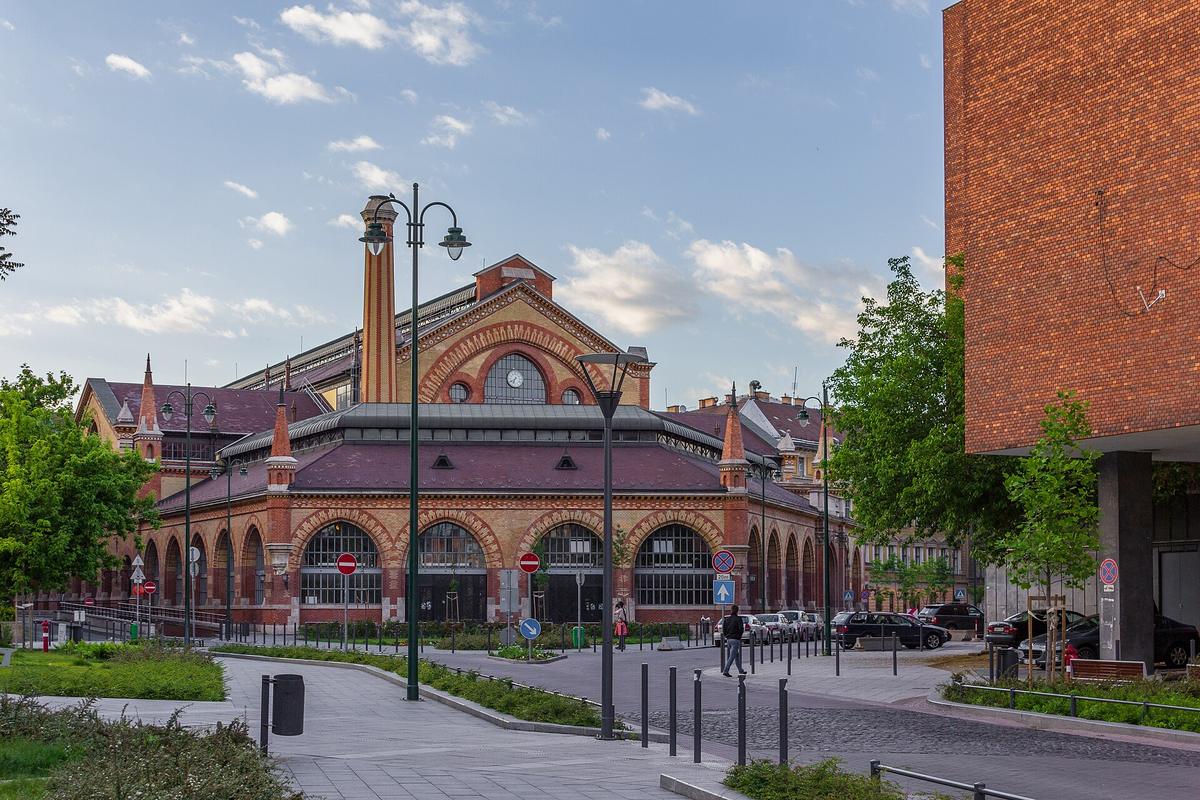
Lehel Market Hall, in the residential neighbourhood of Újlipótváros, has no tourist merchandise on its upper floor. Locals shop here for meat, cheese, produce, and household goods. Prices run lower than at the Great Market Hall and the vendors do not speak English by default. Bring cash in forint. Smaller stalls do not accept cards. The building is an odd modernist structure that looks like an upside-down ship, but the interior is functional and direct. It operates daily except Sunday.
Hunyadi Square Market Hall In District VI
Hunyadi Square Market Hall in Terézváros, District VI, is a smaller covered market about a fifteen-minute walk from Andrássy út. It has a butcher, a fishmonger, a bakery, and a few produce stalls. The upstairs is largely unused. Stop here for a quick breakfast of körözött cheese spread on fresh bread, not for souvenirs. Sunday closure applies.
Rákóczi Square Market Hall In District VIII
Rákóczi Square Market Hall, in the Palace Quarter of District VIII, underwent renovation in recent years and now houses a clean, quiet market with ground-floor food stalls and a handful of cafés. The surrounding square has a popular street food scene in the evening. The market itself is open daily except Sunday. Use it for produce and butcher meat.
Hold Street Market Hall In District V
Hold Street Market Hall sits in central District V, a short walk from the Parliament building. It is smaller than the Great Market Hall and draws fewer tourists. The ground floor has high-quality meat, dairy, and produce. The basement sells wine and spirits. Choose this hall if you are staying in the tourist core but want to dodge the crowds at the Great Market Hall. Closed Sunday.
Budapest Souvenirs Local: What is Actually Made Here
The question of what is genuinely local comes down to production location. Unicum is made in District IX by Zwack and is genuinely Budapest. Szamos marzipan is made in Budapest. Stühmer chocolate is made in Budapest. Dreher beer is brewed in District X. Hungarian paprika is grown in Szeged and Kalocsa but sold everywhere in the city. The best place to buy it is a dedicated paprika shop rather than a souvenir stand. Look for shops that sell only paprika in multiple grades, sweet and hot, and let you smell the difference. Tisza shoes are a Hungarian brand with some production in Martfű. Hungarian folk embroidery comes from Kalocsa and Matyó regions, not from Budapest, but it is sold in the city. If a vendor tells you the embroidery was hand-stitched by a grandmother in the village of Kalocsa, that may be true. If the same embroidery is sold on Váci Street, it is machine-made.
Design Markets and Vintage Streets
Pálinka fruit brandy, made across Hungary, is reliably local when sold by a distillery shop rather than a general souvenir store. The monthly WAMP design market, held on Sundays from March to December at Erzsébet Square in District V, features Budapest-based designers making ceramics, leather goods, and fashion items. The WAMP stands are where you find handmade ceramic and pottery from District VII and District VIII workshops rather than imported stock. Antique and vintage shopping clusters on Falk Miksa utca in District V, Lónyay utca in District IX, and around Klauzál Square in District VII.
Budapest Shopping Streets: the Tourist Streets and the Local Streets
Váci Street in District V is the most famous shopping street in Budapest and the most crowded. It runs from Vörösmarty Square to the Great Market Hall. The stores are international chains, mid-range fashion, and souvenir shops with identical merchandise. It is pedestrianised and busy from mid-morning through evening. Fashion Street, which is Deák Ferenc utca in District V, connects Vörösmarty Square to Deák Ferenc Square and hosts higher-end international brands in a more polished setting. Neither street sells much that is Hungarian.
Where the Locals Shop
Andrássy út in District VI is the grand boulevard running from Deák Ferenc Square to Heroes' Square. It has luxury brands, Hungarian fashion stores, and the Hungarian State Opera House. The bookshops here are worth a stop. Király utca in District VII, running through the Jewish Quarter, is where local designers and vintage shops concentrate. The street runs parallel to Andrássy út one block north and has lower rents, which attracts independent stores. The area around Klauzál Square in District VII is the centre of the local design scene. Ráday utca in District IX is a pedestrian street lined with restaurants and cafés, not fashion shops. Bartók Béla Boulevard in District XI is the best street for a calm, local shopping experience. It runs from the Gellért Hill area south through Újbuda. The street has Hungarian bookshops, independent clothing stores, and a handful of antiques dealers. It sees almost no tourists.
The Malls
WestEnd City Center in District XIII, Arena Mall in District VIII, Mammut I and II in District II, Allee in District XI, Corvin Plaza in District VIII, Etele Plaza in District XI, and Árkád in District X are the seven major malls within city limits. They contain the same stores you find in any European capital. Use them for basics, not souvenirs.
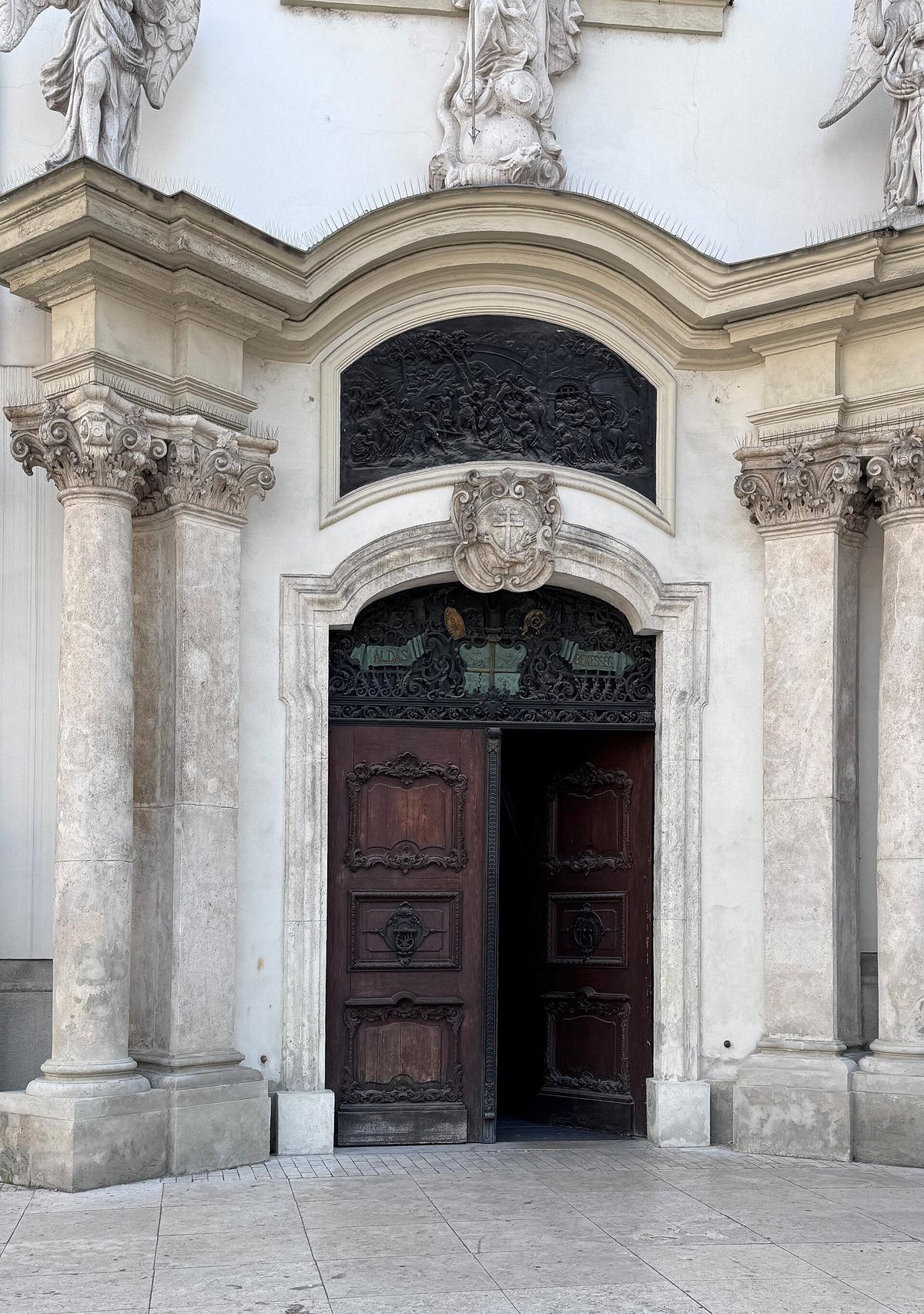


| Market Hall | District | Best For | Sunday |
|---|---|---|---|
| Great Market Hall (Nagycsarnok) | IX | Paprika, Unicum, tourist food court, produce | Closed |
| Hold Street Market Hall | V | Meat, dairy, wine, short walk from Parliament | Closed |
| Lehel Market Hall | XIII | Produce, meat, no tourists, best prices | Closed |
| Rákóczi Square Market Hall | VIII | Produce, butcher, quiet surroundings | Closed |
| Hunyadi Square Market Hall | VI | Baker, butcher, quick breakfast stop | Closed |
| Batthyány Square Market Hall | I | Produce on the Buda side | Closed |
| Fehérvári Road Market Hall | XI | Local produce in Újbuda | Closed |
| Szimpla Farmers' Market | VII | Organic produce, Saturday only | Closed |
| Czakó Piacz | I | Saturday morning farmers' market | Open |
| Városmajor Farmers' Market | XII | Sunday morning farmers' market | Open |
Common Questions
Do Budapest markets accept credit cards?
Larger stalls at the Great Market Hall and malls accept cards. Smaller stalls at Lehel Market Hall, Hunyadi Square Market Hall, and farmers' markets expect cash in Hungarian forint. Carry small denominations because change can be slow. ATMs are common in central districts, but check your bank's foreign transaction fee before you travel. Public toilets cost coins and require 200 to 300 forint.
What is the most local souvenir to buy in Budapest?
Unicum herbal liqueur, made by Zwack in District IX of Budapest, is the single item genuinely produced within the city limits. Szamos marzipan and Stühmer chocolate are also made in Budapest. Hungarian paprika is grown in Szeged and Kalocsa, and is local to Hungary if not to Budapest proper. Avoid 'Unicum style' liqueurs sold in decorative bottles. Real Unicum has a distinct bitter taste from over forty herbs and comes in a dark bottle with a yellow label.
Which Budapest shopping street is best for local designers?
Király utca in District VII has the highest concentration of Budapest-based designers, vintage shops, and independent clothing stores. The surrounding streets around Klauzál Square in District VII also host small workshops. Bartók Béla Boulevard in District XI is the second-best option, with lower foot traffic and a calmer shopping environment. Váci Street and Andrássy út are dominated by international chains with little local content.
Can I buy authentic Herend porcelain at the Great Market Hall?
The upper floor of the Great Market Hall sells porcelain that looks like Herend but is usually unmarked or marked as 'Herend style'. Real Herend porcelain is manufactured in Herend, a town west of Budapest, and sold in dedicated Herend shops in the city centre. The distinction is the factory stamp on the base of the piece. The same applies to Zsolnay porcelain from Pécs and Ajka crystal from Ajka. If the price seems too low for a hand-painted porcelain piece, it is not Herend.
What time do Budapest shops close on Saturday for Sunday closures?
Main market halls close late Saturday afternoon. The Great Market Hall closes at 15:00 on Saturday and does not open Sunday. Most independent shops on Király utca and Bartók Béla Boulevard close by 18:00 on Saturday and are closed Sunday. Malls like WestEnd City Center and Arena Mall stay open until 20:00 or 21:00 Saturday and open Sunday from 10:00 to 18:00. Schedule your market hall visits for weekdays or Saturday morning. If you arrive on a Sunday, the farmers' markets at Városmajor in District XII or the Christmas markets at Vörösmarty Square are your options.
Read next
-
 Budapest Hotels What Each Price Band Actually Gets You
Budapest hotels span from cheap courtyard rooms to grand Danube-view addresses. Here is what each price band actually gets you.
-
 Where to Stay in Budapest District by District
Where to stay in Budapest depends on how much noise, walking, and nightly rate you will accept. Here is the district-by-district trade-off.
-
 Budapest Flights, Flying Into Ferenc Liszt Airport and Getting Out
Flying into Budapest Ferenc Liszt Airport: what to expect on arrival and how to get into central Pest by bus or taxi.
-
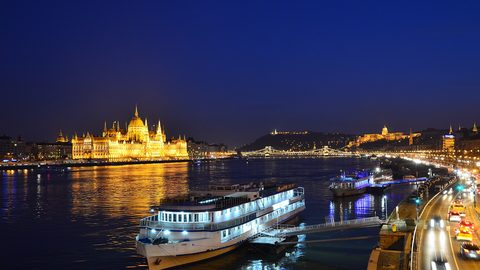 Budapest Things to Do Ordered by Whether It Is Worth the Time
Budapest things to do ordered by whether they are worth the time, the queue, and the crowd they demand.
-
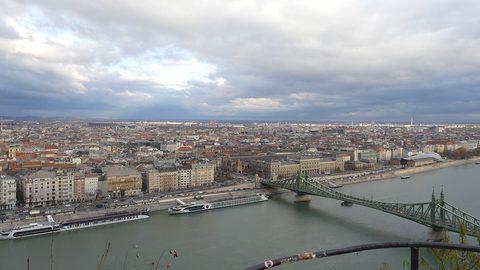 Best Time to Visit Budapest and What Each Season Does to It
The best time to visit Budapest depends on how much heat, crowd, and seasonal closure you will tolerate. Here is what each season does.
-
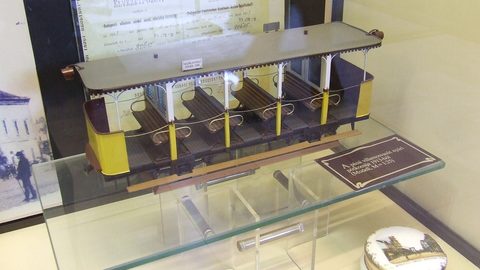 Getting Around Budapest Without Wasting Half the Trip
Getting around Budapest means mastering the per-vehicle ticket rule, the validation boxes, and the BudapestGO app before you board.
-
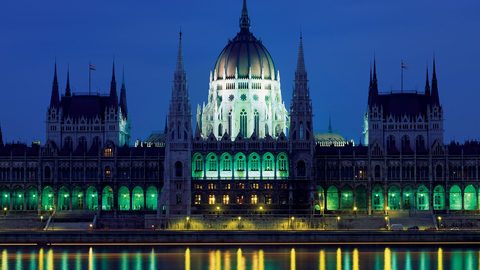 Hungarian Parliament
How a Hungarian Parliament Building visit works, where tours start, when they sell out, and how to avoid queueing twice.
-
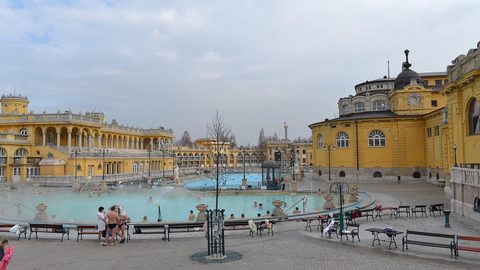 Széchenyi Thermal Bath
What Széchenyi Thermal Bath Budapest is really like, how crowds shift by season and hour, and how to plan a visit that matches your tolerance.
-
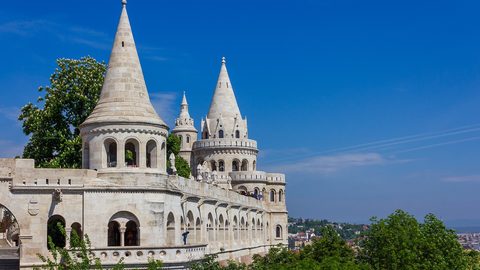 Fisherman's Bastion
How Fisherman's Bastion Budapest works, which terraces cost money, and when to go for the Danube panorama without tour bus crowds.