What Each Price Band Actually Gets You in Budapest Hotels
Budapest hotels span from cheap courtyard rooms to grand Danube-view addresses. Here is what each price band actually gets you.
What 30,000 HUF Actually Buys You in Budapest Hotels
The real trade-off in Budapest is not which neighbourhood to choose, but what each price band forces you to accept. Pay under 30,000 HUF per night and you get a room in the Jewish Quarter that faces a lightwell, street noise until 3am, and no air conditioning. Pay 80,000 HUF and you get a Danube view in the city centre with a lift, air conditioning, and breakfast included. The price gap between them is not about cleanliness or safety. It is about sleep quality, temperature control, and whether you spend your morning queuing for the shower or staring at Parliament. This is what each band of Budapest hotels actually delivers, and what it costs you in the trade-offs nobody mentions.
Budapest Hotel Price Bands: What Your Money Covers
Budapest's hotel market breaks into four bands: budget, mid-range, upscale, and luxury. The bands shift with one main driver: distance to Deák Ferenc tér and the Danube. A 40,000 HUF room south of the centre gets you a larger room and a lift. The same money in the government district gets you a windowless interior room on the third floor of a converted 19th-century building with a lift that holds one suitcase and one person. Know the band you are buying into.
Budget Hotels: The Jewish Quarter And The Acceptable Trade-Offs
Budget hotels in Budapest cluster in the former Jewish Quarter. The nightly rate runs 20,000 to 35,000 HUF for a double room. You get a private bathroom, a bed, Wi-Fi, and a window that often opens onto a lightwell rather than the street. Air conditioning is not guaranteed. Many buildings from the 1800s have no lift, so check if you are on the fourth floor. Street noise is the real cost. This neighbourhood is loud until late, and thin windows amplify every tram, group, and garbage truck. The tourism tax applies on top. Budget hotels rarely include breakfast. You save money. You lose sleep.
Mid-Range Hotels: The Centre And What You Actually Get
Mid-range Budapest hotels sit mostly in the government and embassy districts and along Andrássy út. The nightly rate runs 40,000 to 80,000 HUF. You get air conditioning as standard. You get a lift. You get breakfast included, usually a buffet with hot options. The room will be 18 to 25 square metres, not generous by Western European standards but comfortable for one or two travellers. The government district puts you steps from the Parliament and the Danube. Andrássy út puts you near the opera and ruin bars. The downside: mid-range properties in the centre often lack character. Many are business hotels from Hungarian chains or international groups. You trade a bit of personality for reliability. You also face higher weekday rates because corporate demand raises prices Monday to Thursday in these areas.
Upscale And Luxury: What The Top Bands Deliver
Budapest hotel standards at the upscale and luxury level match Western Europe, and sometimes exceed it. Upscale runs 80,000 HUF and above. Luxury sits at the top of the market. At this level you get a Danube view or a Parliament view. You get a grand hotel lobby, a concierge, thermal bath access at affiliated spas, and a room with soundproofed windows, proper blackout curtains, and a generously sized bathroom. The city centre holds most of the luxury stock, including the grand Danube-view properties. The Castle District has a smaller stock of high-end hotels but offers quieter nights and heritage buildings. The trade-off: you pay for the view even if your room faces the back. Book a courtyard room on the far side from the lift and you lose the view but gain silence. Avoid the week around St Stephen's Day, 20 August, when fireworks draw huge crowds and the same room can cost double. Major trade fairs at Hungexpo in spring and autumn also spike prices across all bands.
When The Price Jumps: Seasonality And Events
Peak season runs April, May, September, and October. Mild weather and long daylight push Budapest hotels to their highest annual rates. December is a secondary peak for Christmas markets. Summer, July and August, brings heat and crowds, but prices drop because demand falls among locals and the lack of air conditioning in older buildings becomes a problem. The best value comes in November, January, and February, excluding New Year. But watch for events. Formula 1 weekend in late July raises prices across the city. Major conferences and trade fairs at Hungexpo compress availability in the centre and along Andrássy út. Book three months ahead for spring and autumn weekends. For St Stephen's Day week, book five months ahead or stay south of the centre or on the Buda side, where rates rise less sharply.
Budapest Hotel Locations: District by District Value
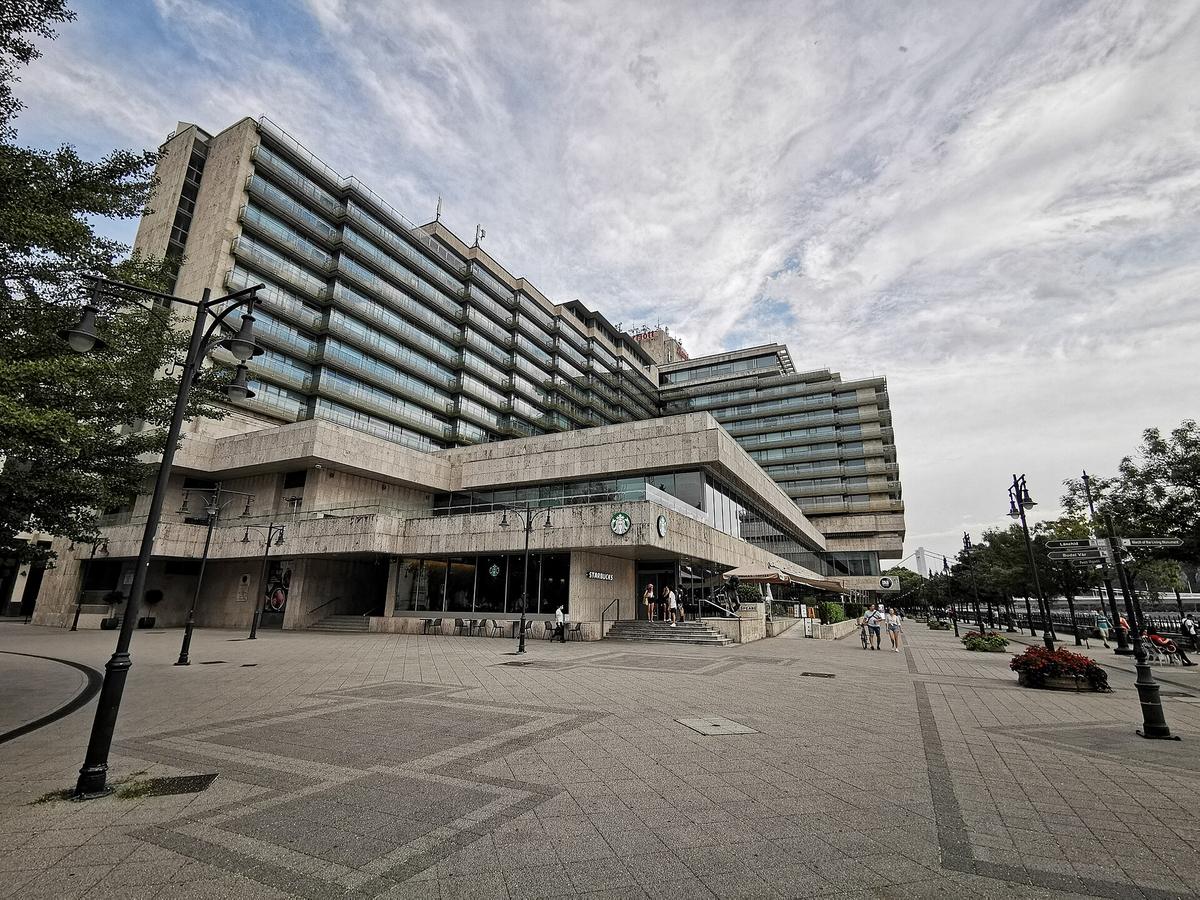
Budapest hotel locations determine your experience more than the room category. The city centre is the government and tourist core, with the highest concentration of upscale and luxury properties. Andrássy út runs through a busy, central strip with a strong mix of boutique hotel options. The Jewish Quarter is the nightlife zone, dense with hostels, budget hotels, and short-term rentals. South of the centre around Ráday utca offers lower rates with a strong restaurant strip. The Castle District on the Buda side offers quiet and heritage but limited stock. Higher-numbered Buda neighbourhoods suit longer stays with a slower pace. The central areas are served by metro lines M1, M2, M3, and M4, plus trams and night buses. The centre and Andrássy út are closest to the airport shuttle bus stop at Deák Ferenc tér. There is no direct rail link from the airport, so the Bus 100E to Deák Ferenc tér is your main option. A Bolt taxi to the centre takes 30 to 40 minutes.
What A Boutique Hotel Buys On Andrássy út
Andrássy út and its side streets hold the best boutique hotel options. These are independent properties in converted 19th-century buildings with small room counts, local design, and often a courtyard room that opens onto a quiet interior. Mid-range boutique properties run 50,000 to 90,000 HUF. The trade-off: they rarely have on-site parking, and the lift may be small or absent. Street-facing rooms on the avenue get tram noise. Book a courtyard room on the far side from the lift. You sacrifice a view of the grand avenue for silence and a proper night's sleep.
Short-Term Rentals And Apart-Hotels: When They Beat Hotels
Private short-term rentals in Budapest are concentrated in the centre, the Jewish Quarter, and parts of the neighbouring district. They are subject to municipal registration and tourism tax rules. Apart-hotels, which combine hotel services with apartment rental space, are common south of the centre and in the newer developments along the Danube. These are worth booking for groups of three or more, or stays longer than five days. The downside: you handle your own check-in timing, and buildings in the nightlife quarter often have small lifts or no lift at all. A private rental with a dedicated workspace, decent Wi-Fi, and a washing machine beats a mid-range hotel room for a week-long stay. For a weekend, a hotel with breakfast included is the better call.


What the Checkout Adds: VAT, Tax, and Hidden Costs
Every Budapest hotel adds VAT at 5% on accommodation services in Hungary, as published by the National Tax and Customs Administration (NAV). The tourism tax (IFA) at 4% per person per night is added after VAT. Some properties add a service charge or resort fee. Short-term rentals may require a damage deposit. Most city hotels accept card and cash, but some small rentals and budget hostels are cash-only. Many hotels pre-authorise a credit card for incidentals. The standard check-in is from mid-afternoon, checkout by late morning. Flexible rates cost more than non-refundable rates, which are common across all bands. The mismatch that catches travellers: a 60,000 HUF room in a mid-range hotel ends up costing more after VAT and tourism tax for two adults. Budget for this gap. Do not assume the booking site total is final until you see the breakdown including the municipal tourism tax rate in effect, which the municipality of Budapest publishes annually.
Accessibility And Lifts: Know Before You Book
Newer international chain hotels and larger apart-hotels are most likely to have step-free access and accessible rooms. Older buildings in the centre and the Jewish Quarter often have limited lift access or lifts too small for a wheelchair. Lifts are common in full-service hotels but absent or tiny in many converted apartment buildings and hostels. If you have limited mobility, book a hotel built or renovated after 2010 in the government district or along the tram routes on the Pest side. Avoid the Castle District, the nightlife quarter, and any hotel whose description mentions "no lift" in the fine print.
Common Questions
Do Budapest hotels include the tourism tax in the advertised rate?
Most do not. The tourism tax (idegenforgalmi adó, IFA) is 4% of the room rate per person per night, capped at an annually adjusted limit set by the municipality of Budapest. It is added at checkout for guests aged 18 and over.
Is air conditioning standard in all Budapest hotels?
No. Air conditioning is standard in chain hotels and newer apart-hotels. It is not guaranteed in older budget hotels, especially in the Jewish Quarter, or in private short-term rentals. Check the amenity list and the year the building was renovated.
Which neighbourhood should I avoid for a quiet stay?
The Jewish Quarter. It is loud until 3am on weekends. The Castle District and the residential Pest side offer quiet streets and better sleep. The nightlife zone is fine if you plan to stay out late. If you want to sleep by 23:00, stay in the government district, the Castle District, or the residential Pest side.
When do hotel prices spike the most in Budapest?
Spring and autumn: April, May, September, and October. The week around 20 August for St Stephen's Day. Any period with a major trade fair at Hungexpo. Formula 1 weekend in late July. Christmas and New Year are a secondary spike. Book far ahead for these windows.
Read next
-
 Where to Stay in Budapest District by District
Where to stay in Budapest depends on how much noise, walking, and nightly rate you will accept. Here is the district-by-district trade-off.
-
 Budapest Flights, Flying Into Ferenc Liszt Airport and Getting Out
Flying into Budapest Ferenc Liszt Airport: what to expect on arrival and how to get into central Pest by bus or taxi.
-
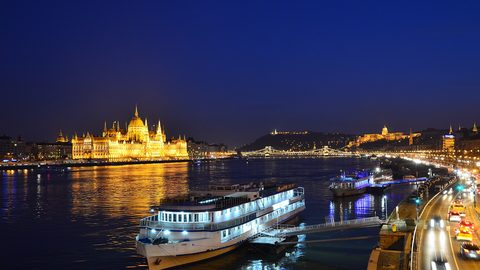 Budapest Things to Do Ordered by Whether It Is Worth the Time
Budapest things to do ordered by whether they are worth the time, the queue, and the crowd they demand.
-
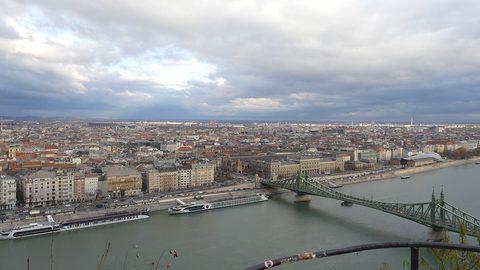 Best Time to Visit Budapest and What Each Season Does to It
The best time to visit Budapest depends on how much heat, crowd, and seasonal closure you will tolerate. Here is what each season does.
-
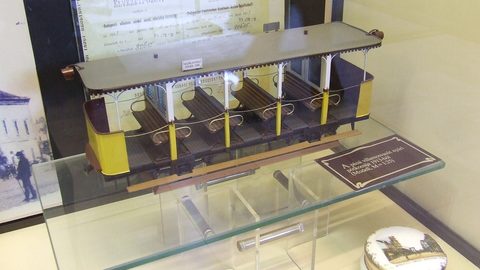 Getting Around Budapest Without Wasting Half the Trip
Getting around Budapest means mastering the per-vehicle ticket rule, the validation boxes, and the BudapestGO app before you board.
-
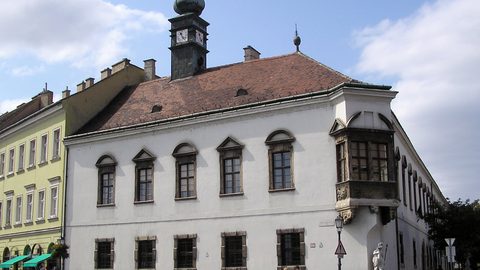 Budapest Itinerary, How to Spend Two or Three Days in Budapest
A realistic Budapest itinerary for two or three days, balancing Pest's core, Buda Castle Hill, one thermal bath and a ruin bar evening.
-
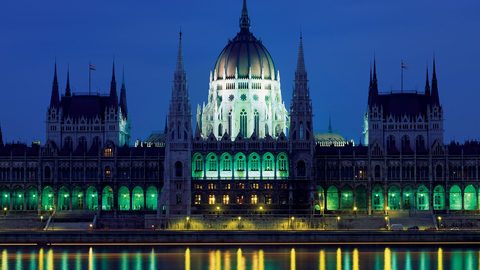 Hungarian Parliament
How a Hungarian Parliament Building visit works, where tours start, when they sell out, and how to avoid queueing twice.
-
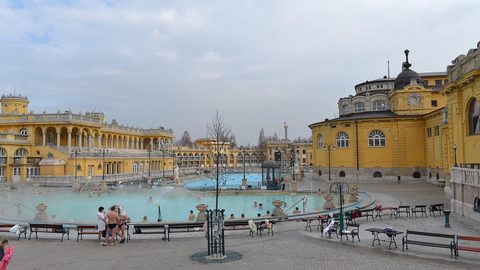 Széchenyi Thermal Bath
What Széchenyi Thermal Bath Budapest is really like, how crowds shift by season and hour, and how to plan a visit that matches your tolerance.
-
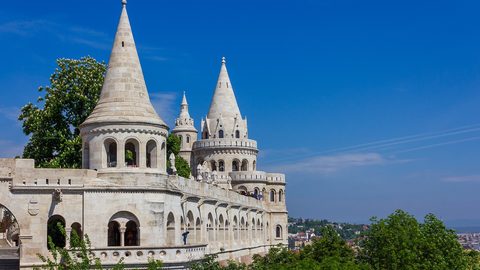 Fisherman's Bastion
How Fisherman's Bastion Budapest works, which terraces cost money, and when to go for the Danube panorama without tour bus crowds.