What to Order and Where Locals Eat in Budapest
What to eat in Budapest and where locals actually go, from market hall lángos to Jewish Quarter street food and traditional lunch rooms.
What to Order and Where Locals Eat in Budapest
At 11:45 on a Tuesday, the queue already reaches the door of Kádár Étkezde in District VII. No English menu board. No one soliciting you from the street. Just a narrow room where regulars order töltött káposzta and a beer without looking at the chalkboard. That gap, between a tourist-menu goulash in a bread bowl on the Danube promenade and a proper Budapest meal, is what you came for. Here is what Hungarians eat, where they eat it, and how to skip the version aimed at people who leave after one lunch.
Hungarian Food in Budapest: the Shape of a Meal
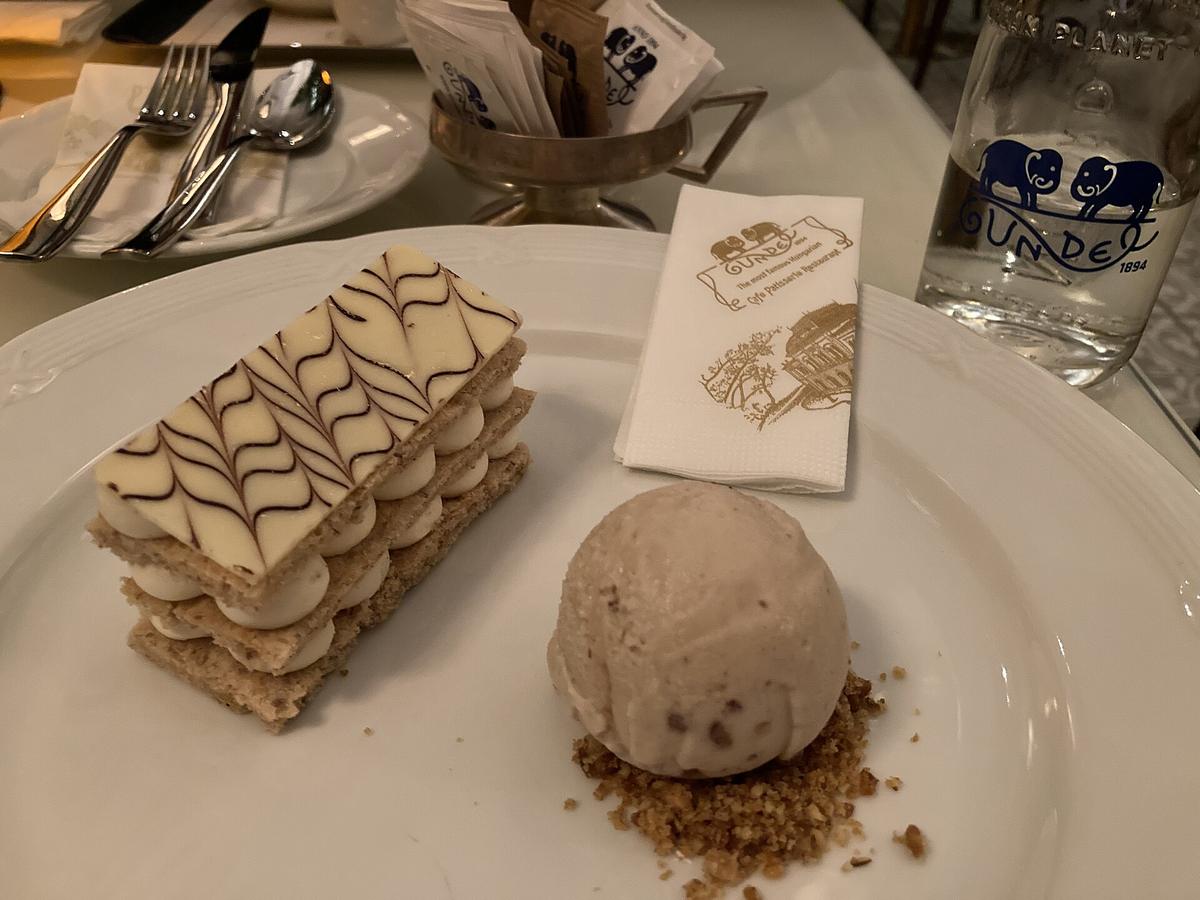
A weekday Hungarian lunch runs 12:00 to 14:00. Soup comes first. Order gulyás (goulash soup): broth with beef, root vegetables, paprika, and csipetke pasta. It is not the thick stew tourists expect. The main course is meat-heavy. Choose pörkölt (a paprika-forward stew served with nokedli dumplings and cucumber salad), paprikás csirke (chicken paprikash), or rakott krumpli (layered potato casserole with egg, sausage, and sour cream). A small dessert follows. Get somlói galuska (sponge cake layered with chocolate, walnut cream, and rum) or a slice of dobos torta. Dinner is lighter and later, 18:00 to 22:00. Book a table Thursday through Saturday.
Three Dishes That Never Appear on Tourist Menus
Lecsó is a summer stew of peppers, tomatoes, onion, and paprika, sometimes with sausage or egg. It appears when fresh vegetables peak. Főzelék is a thick vegetable purée, pea, lentil, or spinach, eaten as a main with a topping of meatballs, fried egg, or pörkölt. Find it at self-service lunch counters and market canteens, nowhere near the Váci utca zone. Rántott sajt is breaded fried cheese served with tartare sauce, rice, or fries. Hungarians order it when they want comfort food at a cheap büfé.
Where to Eat in Budapest: District by District
District V (Belváros-Lipótváros) packs the highest concentration of tourist-oriented spots, classic coffeehouses, and upmarket traditional dining. Avoid anything on Váci utca or the Danube promenade with menus in six languages and staff standing outside. Walk one street back. The holdouts worth your time: the ground-floor produce stalls at Central Market Hall, where lángos is fried fresh with sour cream and cheese, and the upstairs food counters if you arrive before 11:00 and accept limited seating. The market is closed Sundays.
District VII: Jewish Quarter Street Food and Ruin Bars
District VII is where most of your eating should happen. Kazinczy Street and Gozsdu Court form the street food core. The Karaván food court offers multiple stalls under one open-air roof. Bors GasztroBár on Kazinczy does a single changing menu daily, soups and sandwiches. Expect a queue. For a sit-down meal, the Jewish Quarter holds Jewish-Hungarian specialities: matzo ball soup, cholent, and flódni (layered poppy seed, walnut, apple, and plum jam cake) at bakeries near the Dohány Street Synagogue. Reserve one to three days ahead Thursday and Saturday.
District VIII and XIII: Where Locals Eat
District VIII (Józsefváros), around Rákóczi Square, is where menus appear in Hungarian only and prices drop. Pacal (pörkölt-style tripe stew with paprika and onion) is common here. The Rákóczi Square Market is open daily. Its lunch counters serve the city's most honest food. District XIII (Újlipótváros) is residential and calm, anchored by Lehel Market (closed Sundays). The food stalls there, fried cheese, kolbász, grilled szalonna, feed the neighbourhood, not the tour bus. Carry cash for smaller counters in both districts. Card works at most sit-down places.
Budapest Traditional Dishes: Where Each One Lives
Each dish has a correct setting and a wrong one. Order gulyás at a traditional spot in District V or District VII, served from a cauldron as soup with csipetke pasta. Skip goulash in a bread bowl at a Danube-promenade restaurant with English-only signage. Halászlé (fisherman's soup) is a paprika-rich soup with river fish, carp, catfish, pike-perch. It is most common at fish-focused places along the Danube in District V and District XIII. It appears more often in winter. Töltött káposzta (stuffed cabbage) is a slow-cooked dish of cabbage rolls with sour cream and smoked meat. Eat it at a low-key lunch spot in District VII or District VIII where it appears on the daily board, not the laminated menu.
Street Food: Lángos and Kürtőskalács
Lángos is fried dough the size of a dinner plate. The correct version is fresh-fried, topped with sour cream and grated cheese. The wrong version sits under a heat lamp at a stall directly on Váci utca. Head to Central Market Hall or Lehel Market. Kürtőskalács (chimney cake) cooks over coals on a rotating spit, coated in sugar, cinnamon, or nuts. Get it warm, pulled off the spit in front of you. Skip the pre-made, reheated version at a souvenir shop. Street stalls and Christmas markets from late November through December are where it peaks.
Coffeehouses and Confectioneries
Dobos torta and somlói galuska belong at classic coffeehouses: Gerbeaud in District V, Ruszwurm in District I, Művész on Andrássy út. Rétes (strudel) fills with apple, sour cherry, poppy seed, or túró (quark cheese). Find it at strudel houses in District I and District V. Palacsinta appears two ways: sweet with jam, túró, or chocolate, or savoury as Hortobágyi palacsinta, a crêpe filled with minced meat and topped with paprika sour cream sauce. Order that savoury version at a traditional restaurant, not a pancake house.
Budapest Ruin Bar Food: Eating at a Romkocsma
Ruin bars (romkocsma) in District VII serve food, but not the kind you book a table for. Simple street food dominates: lángos, kolbász (grilled sausage with mustard and bread), and sandwiches from permanent or pop-up stalls inside the courtyard. Quality varies by venue. Karaván, the outdoor food court on Kazinczy Street, operates like a permanent ruin bar kitchen without the bar part. Multiple stalls, one seating area, open late. For genuine ruin bar food at 1:00 AM, head to the larger venues around Wesselényi Street. Kitchens there serve until 23:00 to 00:00. After that, your options narrow to the handful of 24-hour kebab shops on Király Street. Most ruin bars take card. The smaller stalls inside them are cash-only.


Budapest Food Guide: Seasonal Patterns and Practical Details
Kürtőskalács and roasted chestnuts peak in winter at the Christmas markets on Vörösmarty Square and beside St Stephen's Basilica from late November through December. Lángos and outdoor food stalls peak spring through autumn when terraces are open, roughly April to October, weather-dependent. Halászlé is more common in winter. Lecsó and főzelék hit their stride in summer when fresh vegetables are at the market.
Many shops and smaller museums close on Sundays, and this includes market halls: Central Market Hall and Lehel Market are both closed Sundays. Rákóczi Square Market is open daily. Many spots close or reduce hours on 24 to 26 December, 1 January, and Easter Sunday. Some reopen for pre-booked holiday meals. Check the restaurant's own website or social media for the year's specific dates. Budapest's restaurant inspection data is published by the National Food Chain Safety Office (Nébih), which releases updates periodically. Check their site for the latest inspections.
Open the BudapestGO app. Search for Kádár Étkezde. Arrive by 11:30 on any weekday to experience what a real Hungarian lunch room feels like before it sells out of töltött káposzta.
Common Questions
What is the difference between an étkezde and a tourist restaurant?
An étkezde is a working lunch room with a weekday napi menü (daily menu) served 11:30 to 15:00, Hungarian-only or Hungarian-first menus. A tourist restaurant has staff outside, menus in six languages, photographs of food, and fixed-price 'Hungarian platters' that combine items no Hungarian would eat together. Kádár Étkezde in District VII is a classic étkezde. Belvárosi Disznótoros in District V is a reliable lunch counter. Rosenstein in District VIII is a sit-down restaurant that locals book.
What dishes should a first-time visitor order?
Gulyás (soup), pörkölt with nokedli, one lángos from a market hall, one warm kürtőskalács from a street stand, rántott sajt from a lunch counter, and somlói galuska from a coffeehouse. That covers the range of Budapest's traditional dishes without committing to heavy meals you might not finish.
Are the restaurants on Váci utca worth eating at?
No. The restaurants with menu boards on the street, staff soliciting entry, and menus in six languages on Váci utca and the Danube promenade are the tourist-facing versions to avoid. Goulash served in bread bowls is their signature dish. Walk two blocks inland to find the same cuisine at half the price and triple the quality.
What time do Budapest restaurants serve dinner?
Dinner runs 18:00 to 22:00. Kitchens close 21:00 to 22:00 at most sit-down restaurants. Late food is available at street food spots and some District VII venues until 23:00 to 00:00. Make reservations Thursday and Saturday for popular places in District V, VI, and VII. Same-day booking often works Monday and Wednesday.
Is the Central Market Hall worth visiting for food?
Yes, for the ground floor produce and the fresh lángos. The upstairs food stalls are tourist-heavy and overpriced. Arrive by 10:00 to avoid the worst crowds. The market is closed Sundays. Lehel Market in District XIII is a better bet for a less crowded, more local experience with food counters and stools.
Can I find vegetarian Hungarian food?
Limited options in traditional restaurants because lard and meat stock are standard. Főzelék (thick vegetable purée) and lecsó (pepper-tomato stew) can be vegetarian if ordered without sausage. Rántott sajt is vegetarian. Túrós csusza (pasta with túró cheese, sour cream, and bacon) can be ordered without the bacon in some places. Dedicated vegetarian and vegan spots are concentrated in District VI and District VII.
What should I know about tipping and payment?
A 10% tip is common if a service charge is not already included. Round up in cash or add it on the card terminal. Card payment is widely accepted at sit-down restaurants. Some market stalls and smaller vendors are cash-only. Keep small notes for the 200 to 300 HUF public toilet fee and market purchases.
Read next
-
 Budapest Hotels What Each Price Band Actually Gets You
Budapest hotels span from cheap courtyard rooms to grand Danube-view addresses. Here is what each price band actually gets you.
-
 Where to Stay in Budapest District by District
Where to stay in Budapest depends on how much noise, walking, and nightly rate you will accept. Here is the district-by-district trade-off.
-
 Budapest Flights, Flying Into Ferenc Liszt Airport and Getting Out
Flying into Budapest Ferenc Liszt Airport: what to expect on arrival and how to get into central Pest by bus or taxi.
-
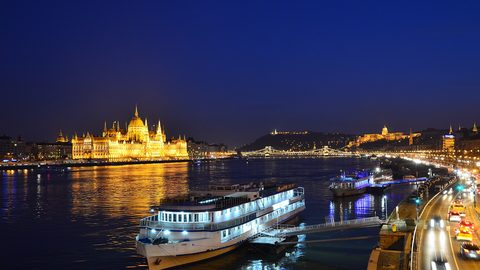 Budapest Things to Do Ordered by Whether It Is Worth the Time
Budapest things to do ordered by whether they are worth the time, the queue, and the crowd they demand.
-
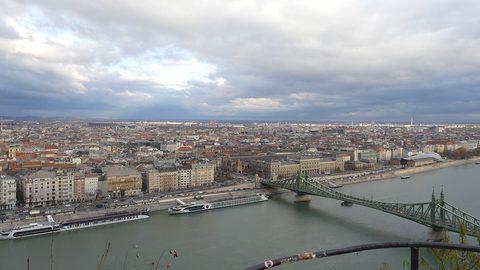 Best Time to Visit Budapest and What Each Season Does to It
The best time to visit Budapest depends on how much heat, crowd, and seasonal closure you will tolerate. Here is what each season does.
-
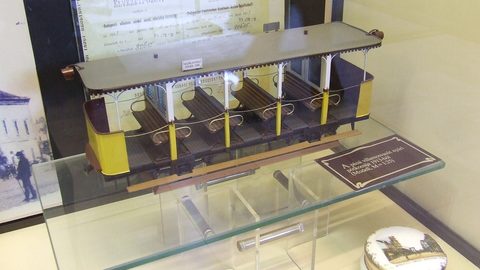 Getting Around Budapest Without Wasting Half the Trip
Getting around Budapest means mastering the per-vehicle ticket rule, the validation boxes, and the BudapestGO app before you board.
-
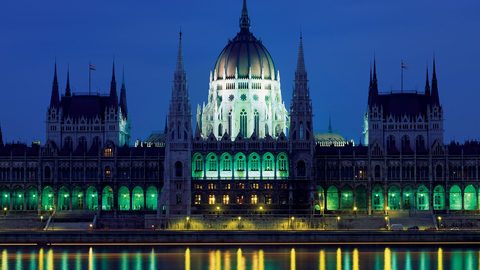 Hungarian Parliament
How a Hungarian Parliament Building visit works, where tours start, when they sell out, and how to avoid queueing twice.
-
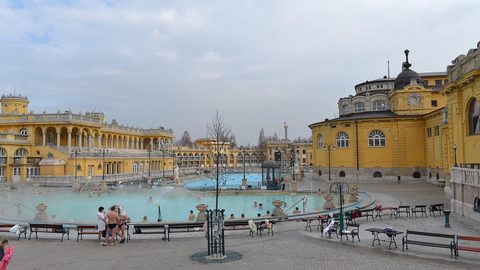 Széchenyi Thermal Bath
What Széchenyi Thermal Bath Budapest is really like, how crowds shift by season and hour, and how to plan a visit that matches your tolerance.
-
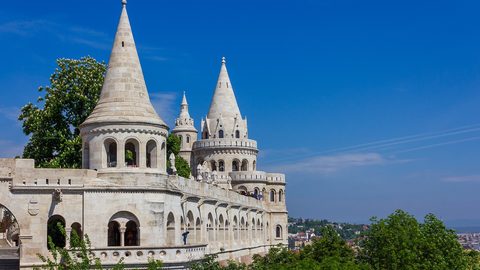 Fisherman's Bastion
How Fisherman's Bastion Budapest works, which terraces cost money, and when to go for the Danube panorama without tour bus crowds.