District VII Budapest: Erzsébetváros, the Jewish Quarter and Ruin Bars
District VII Budapest, Erzsébetváros: the Jewish Quarter's synagogues, ruin bars and street food, and who should actually stay there.
- Flag
-

- ISO code
- HU
- Currency
- HUF
- Timezone
- Europe/Budapest
District VII Budapest: Erzsébetváros, the Jewish Quarter and Ruin Bars
At 11pm on a Friday night in July, Kazinczy Street is a river of bodies. Groups queue for Szimpla Kert's courtyard. Others spill out of Gozsdu Udvar clutching mulled wine. The noise bounces off the peeling 19th-century plaster of the tenements above. This is the core tension of District VII Budapest: a place where Europe's largest shul sits three blocks from a courtyard party that runs until 4am. The question is not whether to visit. It is whether you can sleep through it.
Erzsébetváros Budapest: What This District Actually is
Erzsébetváros Budapest is District VII, a 2.09 km² grid of 1880-1910 tenement blocks squeezed between Andrássy út and the Grand Boulevard. Its inner section holds the city's historic Jewish Quarter. Its outer section near Dózsa György út is quieter and more residential. The area has one of the lowest green space per resident figures in Budapest, so Klauzál tér's 1.2 hectare park functions as the main lung. Expect narrow pavements, patchy lift coverage in older buildings, and a population density among the highest in the city.

Jewish Quarter Budapest: Synagogues, Memorials and Daytime Walking
The Jewish Quarter Budapest is roughly bounded by Király utca, Dohány utca, Károly körút and Erzsébet körút. Its anchor is the Dohány Street Synagogue, the largest in Europe with roughly 3,000 seats. Book a timed entry online. Note it closes Saturdays. The Hungarian Jewish Museum and Archives sits adjacent. A five-minute walk west on Rumbach Street brings you to the Rumbach Street Synagogue. Further north on Kazinczy Street, the Orthodox congregation serves the active local community.
Raoul Wallenberg Memorial Park
Behind the Dohány Street Synagogue, the Raoul Wallenberg Memorial Park contains the Holocaust memorial designed as a weeping willow. It is free and quiet. Visit it before 10am, before the guided tour groups arrive from Deák Ferenc tér.
Walking the Quarter
From Klauzál tér you can reach the Great Synagogue in five to seven minutes on foot. The Danube embankment takes about twenty. The area is highly walkable; most daily needs sit within a ten-minute radius. Street art concentrates on Kazinczy, Dob and Akácfa streets. Over fifty documented murals exist in the district. Budget time to look up between addresses.
Ruin Bars Budapest: Szimpla Kert, Gozsdu Udvar and the Courtyard Scene
The ruin bar concept started in 2002 at Szimpla Kert on Kazinczy utca, where a derelict courtyard became a bar filled with mismatched furniture and exposed brick. Now the district holds over ten ruin bars. Because the setting is a converted residential courtyard, sound carries upward into apartments. The trip-up for light sleepers: the courtyards are busiest May through September when outdoor spaces open fully.
Gozsdu Udvar
Gozsdu Udvar is a covered pedestrian passage running between Király utca and Dob utca, lined with bars, restaurants and a weekend market. It is the loudest single location in the district after 11pm. Daytime, it is family-friendly. Nighttime, it is the main crowd axis.
Quieter Alternatives
Walk two blocks off Király utca onto Wesselényi or Akácfa and the noise drops sharply. Outer Erzsébetváros, near Dózsa György út, functions as the main residential cluster with none of the late-night spill. If the ruin bars scene is your reason for visiting, book accommodation in District VI or District XIII. That puts you a ten-minute walk from the party but outside the blast radius.
Where to Stay in District VII Budapest: Street by Street
Knowing where to stay means reading the street grid, not the star rating. Hotel presence is limited. Most accommodation consists of short-term rentals and apart-hotels in converted tenements. A typical apartment measures 40-70 m² with high ceilings, courtyard or street facing, and often without a lift. Air conditioning is not universal. That becomes a problem in July and August when non-air-conditioned older rentals turn uncomfortable.
The Noisy Core: Kazinczy and Gozsdu
Apartments on Kazinczy utca, Dob utca and inside Gozsdu Udvar itself guarantee weekend noise until at least 3am. Only book here if you plan to be out until the bars close. Earplugs will not block bass through a courtyard wall.
The Quiet Compromise: Klauzál Square and Király Utca
Klauzál tér park side and the section of Király utca near Andrássy út sit within a five-minute walk of everything but rest on residential floors above shops that close by 10pm. Trams 4 and 6 run 24 hours on the Grand Boulevard one block east. You hear traffic, not techno.
Outer Erzsébetváros
The part of the district between Grand Boulevard and Dózsa György út is almost entirely residential, with low nightlife density. You walk fifteen minutes to reach Kazinczy Street. The trade-off: lift access is more common, streets are quieter, and supermarket options like Aldi and Lidl sit at the edges.
Street Food, Markets and Eating in the Jewish Quarter
Street food clusters on Dob utca and Kazinczy utca. Gozsdu Udvar's weekend market runs Saturday and Sunday with a mix of Hungarian street food and international stalls. For a proper Budapest breakfast, find körözött, cheese spread with paprika, on fresh bread at a traditional pastry shop like Fröhlich Cukrászda on Dob utca, which is kosher.
The main market hall for the district is Klauzál tér market hall, renovated and small-scale. Use it for groceries and a quick lángos. It is not a destination like the Central Market Hall in District V. Kosher eateries number under ten; most cluster on Kazinczy utca near the Orthodox congregation. For a low-key Hungarian lunch, look for a traditional étkezde serving töltött káposzta (stuffed cabbage) or goulash from a cauldron, not a tourist menu. Those are on Rákóczi út and the quieter side of Dob utca, not on the Gozsdu passage.

| Factor | District VII (Erzsébetváros) | District VI (Terézváros) | District V (Belváros) |
|---|---|---|---|
| Nightlife density | Highest in Budapest, core stays loud until 4am | High along Andrássy, but more upscale bars and restaurants | Lower, concentrated around Basilica and Vörösmarty tér |
| Hotel stock | Mostly short-term rentals and apart-hotels; few full-service hotels | Mix of boutique hotels and mid-range chain properties | The main hotel district of Pest, majority of full-service hotels |
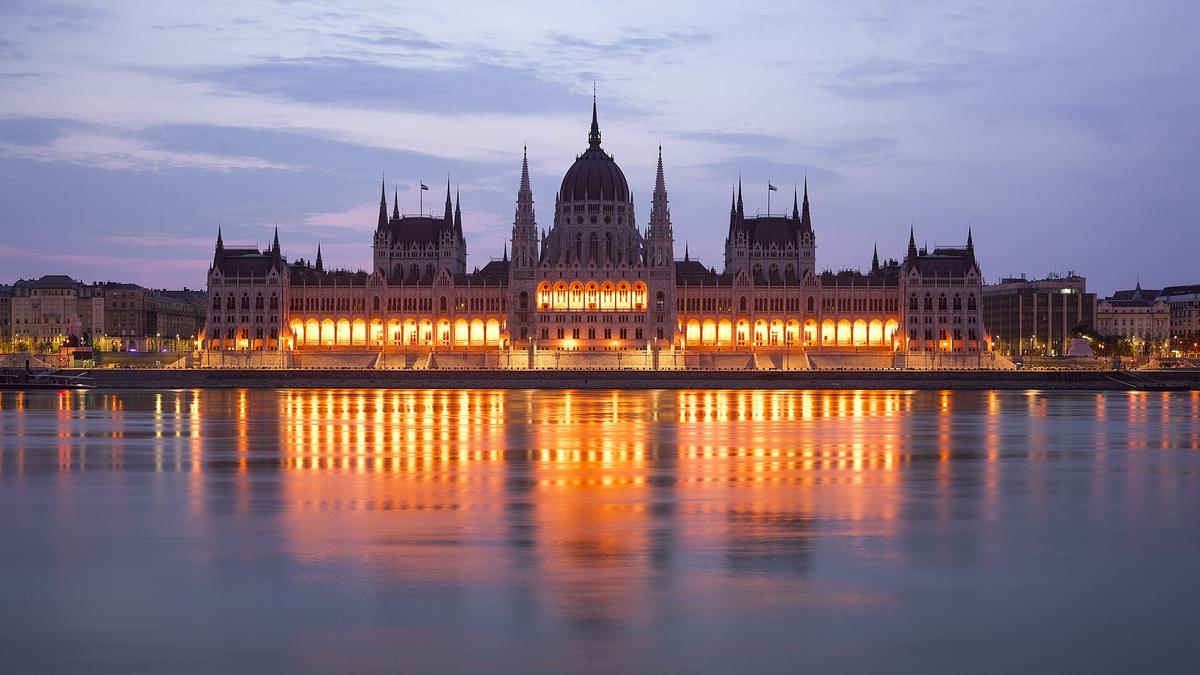
| Daytime atmosphere | Street food, ruin bar courtyards, street art, synagogues | Opera House, luxury shopping on Andrássy út, cafés | Parliament, Danube promenade, monument pedestrian streets |
| Accommodation noise risk | High in inner grid, low in outer section | Moderate; Andrássy has traffic but limited late-night party spill | Low; primarily office and institutional, quiet by midnight |
| Walk to Keleti Station | 15-20 minutes from Klauzál tér | 20 minutes from Opera station | 25-30 minutes from Deák Ferenc tér |
Noise, Crowds and the Honest Trade-Off
District VII Budapest suits travellers who want to step out of their rental and be in a street food court or a ruin bar courtyard within sixty seconds. It does not suit anyone who wants quiet after 10pm. The weekend noise level in the core nightlife blocks is high, especially after 23:00. Weekday daytime noise is moderate. The real issue: Tuesday night stays calm until a stag party returns to the apartment next door at 2am. Blaha Lujza tér and Astoria function as night bus hubs; the tram 6 runs 24 hours and is not quiet.
The district belongs to first-time Central Europe visitors on a mid-range budget who actively want nightlife, to friend groups who will stay out late, and to digital nomads who treat a cheap rental as a base and leave each morning. It is not for travellers who value pristine, polished streetscapes. Not for anyone expecting compact walkability in the historic core. Not for visitors who dislike crowds. If you are the type who books a hotel for its blackout curtains and soundproofing, choose District V or the quieter parts of District XIII instead. The ruin bars scene will still be a ten-minute metro ride away.
Other areas in Budapest
Common Questions
Is District VII Budapest safe at night?
Yes, the inner core is busy until 4am with tourists and locals. However, stick to the main nightlife streets, Kazinczy, Király, Dob and the Gozsdu passage, and take Bolt to your accommodation outside that zone after midnight. Ticketless pickpockets work the tram 6 crowd on the Grand Boulevard; keep your phone in a front pocket.
Can you visit the synagogues on a Saturday?
The Dohány Street Synagogue is closed Saturdays. The Rumbach Street Synagogue may have limited hours. Plan any visit to a shul for Sunday through Thursday, morning hours. Friday hours are shortened for Shabbat preparations.
How far is the Jewish Quarter from Buda Castle?
From Klauzál tér, walk to Deák Ferenc tér in 10-12 minutes, then take bus 16 to the Castle District. Total journey: about 30 minutes. Buda Castle, Fisherman's Bastion and Matthias Church deserve their own half-day; do not treat Buda as a quick detour.
What does a typical ruin bar drinks cost?
Expect 1,200-1,800 HUF for a domestic beer, 2,500-3,500 HUF for a cocktail. Bottled water at ruin bars costs more than beer. Food at the street food courts runs 2,000-4,000 HUF per item.
Is the district good for families?
The inner core is not. Noise, crowds and late-night street life make it unsuitable for families with young children after 8pm. Outer Erzsébetváros near Dózsa György út has playgrounds at Klauzál tér and Almássy tér and is fine for family accommodation.
Which metro line serves District VII?
Three lines cross the district: M1 along Andrássy út (western boundary), M2 at Astoria and Blaha Lujza tér (southern edge), and M4 at Keleti pályaudvar (eastern edge). The main interchange is Deák Ferenc tér just outside the western boundary at District V.
When is the quietest time to stay in Erzsébetváros?
January and February have the lowest tourist density. Ruin bar courtyards close or empty by midnight. Weeknights from November to March are noticeably calmer than weekends in peak season.
Read next
-
 Budapest Hotels What Each Price Band Actually Gets You
Budapest hotels span from cheap courtyard rooms to grand Danube-view addresses. Here is what each price band actually gets you.
-
 Where to Stay in Budapest District by District
Where to stay in Budapest depends on how much noise, walking, and nightly rate you will accept. Here is the district-by-district trade-off.
-
 Budapest Flights, Flying Into Ferenc Liszt Airport and Getting Out
Flying into Budapest Ferenc Liszt Airport: what to expect on arrival and how to get into central Pest by bus or taxi.
-
 Budapest Things to Do Ordered by Whether It Is Worth the Time
Budapest things to do ordered by whether they are worth the time, the queue, and the crowd they demand.
-
 Best Time to Visit Budapest and What Each Season Does to It
The best time to visit Budapest depends on how much heat, crowd, and seasonal closure you will tolerate. Here is what each season does.
-
 Getting Around Budapest Without Wasting Half the Trip
Getting around Budapest means mastering the per-vehicle ticket rule, the validation boxes, and the BudapestGO app before you board.
-
 Castle District
Buda Castle District Budapest: Castle Hill's museums, Fisherman's Bastion and cobbled streets, and what staying there is really like.
-
 Belváros
District V Budapest, the Belváros: what it feels like, who it suits, and what is within walking distance of Parliament and the Danube.
-
 Józsefváros
District VIII Budapest, Józsefváros: the elegant Palace Quarter, the edgier outer streets, and what staying there is actually like.