District V Budapest: Belváros, Parliament and the Danube Promenade
District V Budapest, the Belváros: what it feels like, who it suits, and what is within walking distance of Parliament and the Danube.
- Flag
-

- ISO code
- HU
- Currency
- HUF
- Timezone
- Europe/Budapest
District V Budapest: Belváros, Parliament and the Danube Promenade
Most first-time visitors assume the tourist core of Pest is a tidy postcard. It is not. District V is grand on the riverfront: the Gothic Revival mass of the Hungarian Parliament Building reflected in the Danube, the terrace crowds at Gerbeaud on Vörösmarty Square. Walk one street back. The plaster peels on 19th-century apartment blocks. Narrow pavements are blocked by parked cars. Aggressive ticket inspectors work metro line 1. This is a real Central European capital, not a stage set. The question is whether you should make it your base or pass through for the sights. The answer depends on how much you value proximity over quiet.
Belváros Budapest: the Shape of the District
Where Everything Sits
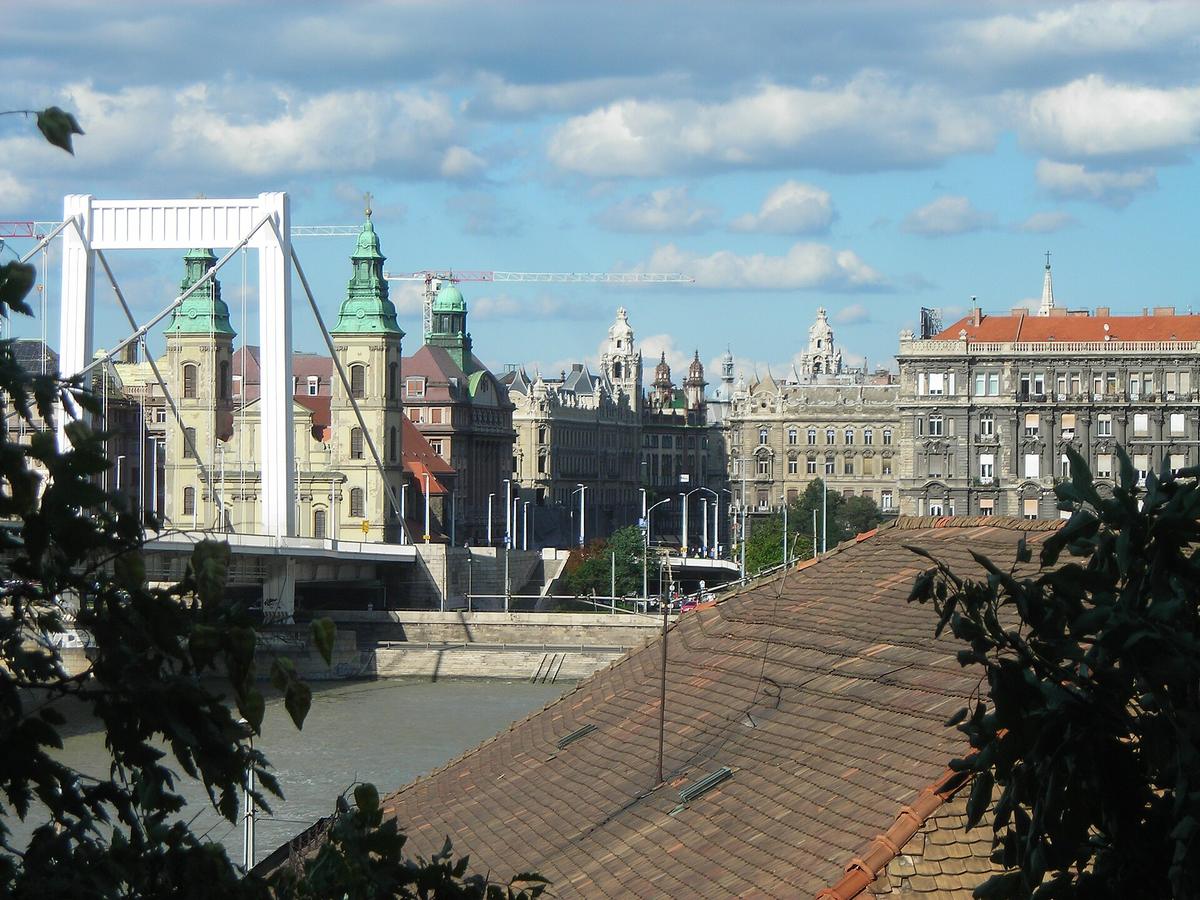
Belváros Budapest is the southern half of District V, running from the Chain Bridge down to the Central Market Hall at Fővám tér. Lipótváros, the northern half, holds the Parliament building at Kossuth Square and the embassies around Liberty Square. Together they form Belváros-Lipótváros, the administrative, commercial and tourist core of the city. The main axis is the Kiskörút, the Small Boulevard, though you will spend most of your time on foot. Váci Street, the main pedestrian spine, runs from Vörösmarty Square to the market hall, lined with international fast fashion, overpriced souvenir stands and the occasional traditional café terrace worth sitting at.
The Street Grid And The Noise Divide
The street pattern is a dense grid of narrow streets that feel claustrophobic at peak hours. Károlyi kert and the small park at Szabadság tér offer the only significant green space. Do not expect sprawling lawns. The building stock is a mix of grand institutional headquarters and ornate 19th-century apartment blocks, many of which now house short-term rentals. The noise level is high on the main thoroughfares and drops sharply on side streets where local residents actually live. That split defines everything about staying here.

Where to Stay in District V Budapest
The short answer is on a side street between the Basilica and the river. The hotel density in District V is the highest in Budapest, with international chains, boutique hotels and hostels concentrated around Deák Ferenc tér and Váci utca. Rooms with a direct Parliament view or a Danube frontage cost a premium. Rooms one block back on a quieter residential street offer the same walkability at a noticeably lower price. The key interchange at Deák Ferenc tér gives you metro lines M1, M2 and M3, plus the 100E airport bus and the night bus hub. Sleep a few streets away and you are still at any sight in under 20 minutes on foot.
What To Watch For
Check whether the building has air conditioning. Many older apartments in District V do not, and July and August daytime temperatures run 20 to 30 degrees. The Budapest Eye ferris wheel in Erzsébet tér is seasonal and weather-dependent. Do not count on it as a landmark. Book accommodation well ahead for December, when the Christmas markets at Vörösmarty tér and St Stephen's Basilica square fill every room, and for May and September, the peak shoulder months with the best weather.
Budapest Parliament Area: What to See and Skip
The Parliament Building
The Hungarian Parliament Building dominates Kossuth Lajos Square and demands real planning. Interior tours require a ticket booked days ahead, not on arrival. Security screening is thorough, and availability varies with the parliamentary session, so check the official schedule. The building is exactly 96 metres high, the same as the dome of St Stephen's Basilica, a symbolic number tied to the year of the Hungarian conquest. The free thing to do is walk the perimeter and cross the square to the riverbank, where the Shoes on the Danube Bank memorial sits between the Parliament and the Chain Bridge. Created in 2005 by Gyula Pauer and Can Togay, the sixty pairs of iron shoes mark where victims were shot into the river in 1944-45. It is one of the most affecting Holocaust memorials in Europe. It is free.
Liberty Square And Tram Line 2
From Kossuth Square, tram line 2 runs the length of the Danube Promenade. Ride it south a few stops to the Elisabeth Bridge or walk the full stretch between the parliament and the market hall. Do not skip Liberty Square, a few minutes east of the river. It holds the Hungarian National Bank, the Budapest Stock Exchange and a controversial monument that still sparks debate. The square itself is a calm pocket of Lipótváros with benches and a small park, a useful break from the Váci Street crowds.
Danube Promenade Budapest: Walking the Riverfront
Technically the Danube Promenade Budapest stretches from the Chain Bridge to the Elisabeth Bridge. In practice it runs all the way north past the Parliament building. Tram line 2 follows it for almost its entire length. Walk it at least once. The best time is late afternoon, when the low sun hits the Buda Castle and Gellért Hill across the river and the café terraces along the embankment start to fill. The promenade is wide, paved and completely flat, making it one of the few reliably accessible routes in the district. Flood markers on the embankment walls show the water levels from past surges. The embankment itself is regulated with raised barriers, so flooding is rare.
Gresham Palace stands at the Chain Bridge end, now a Four Seasons hotel, but its art nouveau facade is free to admire from the pavement. Across the bridge is the Castle District, a 10- to 15-minute walk into District I. Do not treat Buda as a half-day afterthought. The Castle District, Gellért Hill and the baths on that side each deserve an unhurried block of time. You will regret the common mistake of giving them one morning.
| District | Character | Best For |
|---|---|---|
| District V (Belváros-Lipótváros) | Monumental riverfront, dense grid, highest tourist density | First-time visitors, short stays, Parliament sightseeing, walkers |
| District VI (Terézváros) | Andrássy út, Opera, ruin bars, busy boulevards | Museum and shopping days, architecture along the avenue |
| District VII (Erzséváros) | Jewish Quarter, street food, loud nightlife | Evening and nightlife, Gozsdu Udvar bars, weekend brunch |
| District I (Castle District) | Hilly Buda, cobbled streets, Buda Castle | Panorama views, Fisherman's Bastion, quieter daytime exploration |

St Stephen’s Basilica, Váci Street and Everyday Realities
The Basilica And Its Square
St Stephen's Basilica dominates Szent István tér, the northern end of the district's walkable core. The Neoclassical church holds the mummified right hand of Hungary's first king, visible from a side chapel. Entry to the church is free. The tower costs extra and gives you a 96-metre-high view over the city. Organ concerts happen seasonally. The square in front of the basilica hosts one of the two main Christmas markets, and in warmer months the steps are full of people eating chimney cake from street stands.
Váci Street And The Market Hall
Váci Street runs from Vörösmarty Square to Fővám tér at the Central Market Hall. The northern stretch is tourist retail at its most concentrated. The market hall itself, opened in 1897 with a steel frame and Zsolnay ceramic roof, is worth the walk even if you do not buy anything. Ground floor produce, upper floor prepared food stalls and the inevitable crowded lángos queue.
Sunday Closures And Local Friction
Many shops and smaller museums in District V close on Sundays, even in central locations. The Central Market Hall is one of the few exceptions, open on Sunday until late afternoon. Pavements are narrow, cracked and often blocked. Public toilets are scarce and cost coins. Carry them. Restaurants on Váci Street are overpriced compared to the side streets off Ferenciek tere, where the same bowl of goulash costs roughly a third less. Tipping is 10 to 15 percent in restaurants. Check your bill for service charges before adding extra.
Getting Around and When to Visit
Transit And Tickets
Deák Ferenc tér is your operational centre. It connects metro lines M1, M2 and M3 and is the hub for night buses and the 100E airport bus. A single ticket is valid for one vehicle only, not for a journey with a transfer. Use the BudapestGO app for digital tickets or buy paper tickets and validate them in the orange boxes at the metro entrance or on the tram. Ticket inspectors are aggressive and fine on the spot. There is no warning system. Taxis not ordered via Bolt or the Főtaxi app can overcharge, especially at the airport and near the Parliament building.
Timing Your Trip
Plan for three full days to cover Pest's core, one thermal bath, Buda Castle Hill and a ruin bar evening without rushing. The best months are April, May, September and October. July and August bring heat and crowds in non-air-conditioned older hotels and on metro line M1, which lacks cooling. The week around 20 August, St Stephen's Day, draws fireworks crowds and can close some venues. Major trade fairs at Hungexpo spike hotel prices, especially in spring and autumn. December is a secondary peak for the Christmas markets, not a quiet month.
Who District V Budapest Suits and Who Should Look Elsewhere
Who Should Stay Here
District V is the right choice for first-time Central Europe visitors who want a big, affordable capital and do not mind crowds at the major landmarks. It works for couples and friend groups focused on nightlife and thermal baths, for architecture and history lovers, and for food-focused travellers on a mid-range budget. Digital nomads will find a cheap, connected base with strong mobile signal and free Wi-Fi in cafés and public squares.
Who Should Look Elsewhere
It is not the right choice for travellers who want a compact, walkable old town free of crowds. The beauty of Budapest is uneven, and the grittier streets behind the grand facades will frustrate anyone expecting a polished streetscape. Quiet seekers should look at the leafy Buda hills in District II or the calm residential streets of District XIII (Újlipótváros) across the northern border. Budget travellers will find better value in District IX, a short walk from the market hall with fast-gentrifying food halls, or in District XI near Gellért Hill, where local life replaces the tourist throng.
Other areas in Budapest
Common Questions
How much time do I need in District V Budapest?
Three full days covers Pest's core, one thermal bath, Buda Castle Hill and a ruin bar evening. District V sights are compact enough to see the Parliament, Basilica, Danube Promenade and market hall in a single day if you walk fast.
Is District V Budapest walkable?
Yes. Most central sights are within 20 minutes on foot. Pavements are narrow, cracked and often blocked by parked cars. The district is flat, which helps, but cobbles on side streets and the metro escalators can challenge limited mobility.
Where is the best view of Parliament?
Cross the Chain Bridge halfway and look back towards the Pest bank. The Danube Promenade between the Parliament and the Elisabeth Bridge gives the standard postcard angle. The free lower terraces at Fisherman's Bastion in Buda offer a higher perspective.
What closes on Sundays in District V?
Many shops and smaller museums. The Central Market Hall stays open until late afternoon. Cafés, restaurants and the Basilica remain open. Check individual museum websites before Sunday, especially the House of Terror and the Great Synagogue.
Read next
-
 Budapest Hotels What Each Price Band Actually Gets You
Budapest hotels span from cheap courtyard rooms to grand Danube-view addresses. Here is what each price band actually gets you.
-
 Where to Stay in Budapest District by District
Where to stay in Budapest depends on how much noise, walking, and nightly rate you will accept. Here is the district-by-district trade-off.
-
 Budapest Flights, Flying Into Ferenc Liszt Airport and Getting Out
Flying into Budapest Ferenc Liszt Airport: what to expect on arrival and how to get into central Pest by bus or taxi.
-
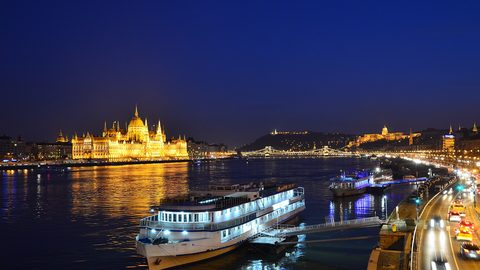 Budapest Things to Do Ordered by Whether It Is Worth the Time
Budapest things to do ordered by whether they are worth the time, the queue, and the crowd they demand.
-
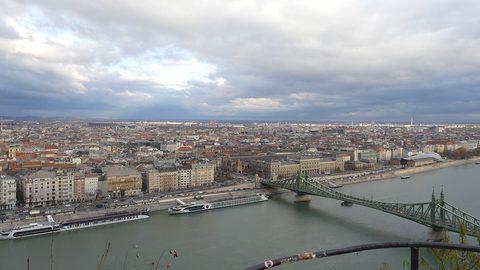 Best Time to Visit Budapest and What Each Season Does to It
The best time to visit Budapest depends on how much heat, crowd, and seasonal closure you will tolerate. Here is what each season does.
-
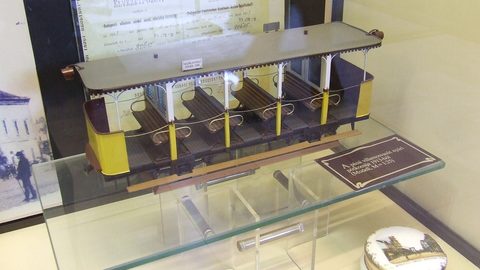 Getting Around Budapest Without Wasting Half the Trip
Getting around Budapest means mastering the per-vehicle ticket rule, the validation boxes, and the BudapestGO app before you board.
-
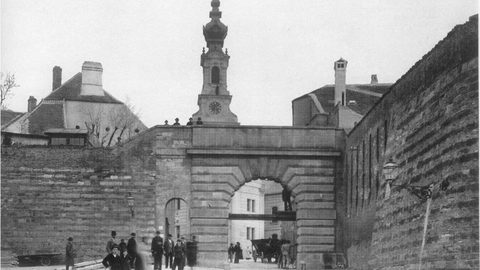 Castle District
Buda Castle District Budapest: Castle Hill's museums, Fisherman's Bastion and cobbled streets, and what staying there is really like.
-
 Józsefváros
District VIII Budapest, Józsefváros: the elegant Palace Quarter, the edgier outer streets, and what staying there is actually like.
-
 Erzsébetváros
District VII Budapest, Erzsébetváros: the Jewish Quarter's synagogues, ruin bars and street food, and who should actually stay there.