Buda Castle District Budapest: Castle Hill, Fisherman's Bastion and Cobbles
Buda Castle District Budapest: Castle Hill's museums, Fisherman's Bastion and cobbled streets, and what staying there is really like.
- Flag
-

- ISO code
- HU
- Currency
- HUF
- Timezone
- Europe/Budapest
Buda Castle District Budapest: Castle Hill, Fisherman’s Bastion and Cobbles
A woman in heels stops on Tóth Árpád sétány to pull a cobblestone out of her sole. A guide herds thirty people past her toward the viewing terraces, cameras raised. That is the Buda Castle District Budapest at 11:30 on a Saturday in May. By 19:00 the same street belongs to a waiter sweeping crumbs, two locals walking a dog, and a view across the Danube that feels like a secret.
The most common mistake first-time visitors make is treating Buda as a half-day afterthought. Pest gets the ruin bars, the basilica, the market hall, and two thirds of the itinerary. Buda gets a hurried funicular ride, a photo at the turrets, and a walk back to the bridge. That plan misses the point. The Buda Castle District is not a sight. It is a neighbourhood that happens to contain a palace, a UNESCO World Heritage Site, and several of the city’s best viewpoints. It has its own rhythm, its own quiet corners, and its own frustrations. Whether you stay here or just visit depends on how you want to spend your daylight.

Castle District Budapest: What it Actually is
The Lay of the Land
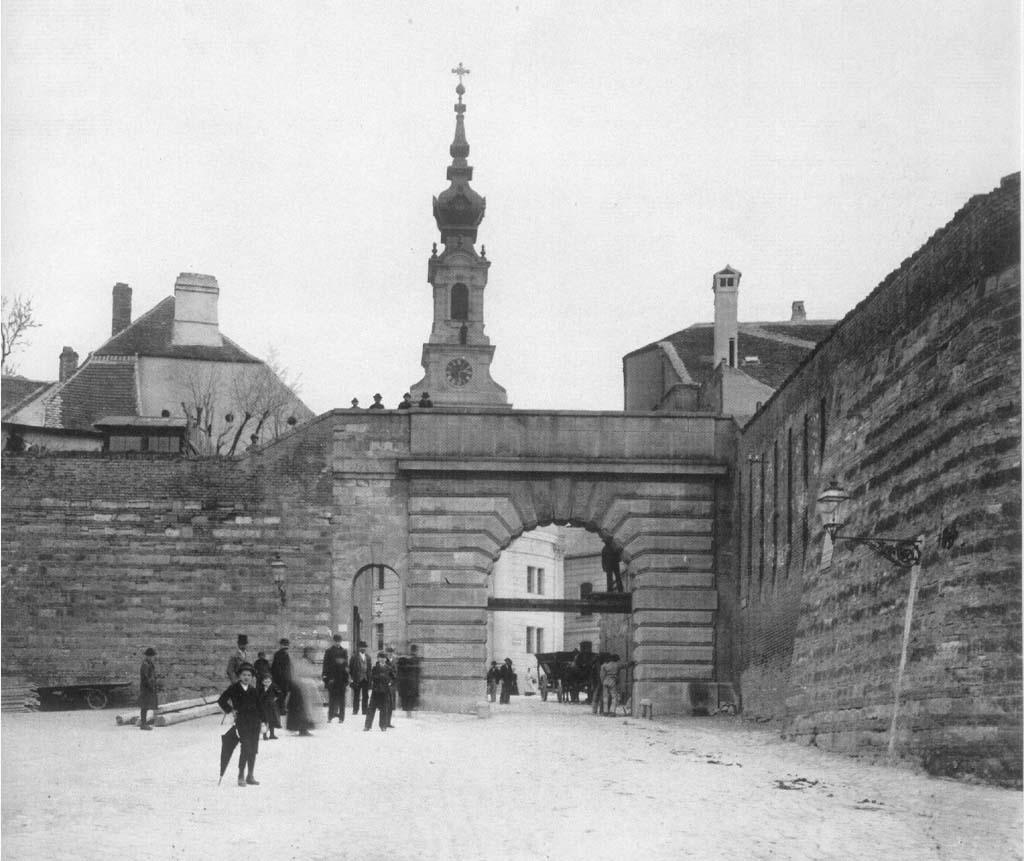
The Castle District is the Old Town on the Buda side, a 1.5 km limestone plateau 170 metres above the river. Administratively it is part of District I of Budapest, which covers 3.41 km² and holds about 24,203 residents according to the 2022 census from the Hungarian Central Statistical Office. The building stock is almost entirely 18th-century Baroque residential blocks with medieval foundations, laid out on an irregular street grid that makes the hill feel smaller than it is. You can cross the main spine from Bécsi kapu to the Palace in fifteen minutes at a slow walk. The district’s small squares, courtyard passages and dead-end lanes stretch that into an afternoon.
Getting Up the Hill
Two bus lines serve the hill: 16 and 16A. Number 16 runs from Deák Ferenc tér in Pest up to the Palace and continues to Széll Kálmán tér on the Buda side. The Várbusz (castle bus) is the same service. A funicular called the Budavári Sikló has hauled passengers from Clark Ádám tér up to the Palace since 1870, rebuilt in 1986. It saves the steep climb but puts you straight into the densest tourist flow. The walk up through the Víziváros staircases or via the gardens on the Danube side takes about ten minutes longer and drops you onto quieter streets.
When to Be Here
The daylight pattern matters. Peak footfall hits between 10:00 and 16:00, concentrated around Buda Castle, Matthias Church, and the lookout terraces. Before 09:00 and after 18:00 the district is noticeably quieter. The cobbled streets empty, the tour buses leave, and the place reverts to what it actually is: a low-traffic residential neighbourhood with Baroque doorways and a view.
Buda Castle Hill: the Palace and Its Museums
The Buda Castle Palace complex dominates the southern end of the plateau. It houses three institutions: the Hungarian National Gallery, the Budapest History Museum, and the National Széchényi Library. The gallery is the largest draw, with a collection that ranges from medieval stone carvings to 20th-century Hungarian painting. Plan two hours minimum. The Budapest History Museum covers the castle’s medieval predecessor and the city’s development; one hour is enough. The library is a research institution with limited public exhibition space, worth a quick look for the interior and the reading room but not a dedicated stop unless you need a quiet place to work.
Entry fees and opening hours are published by each institution individually. The Hungarian National Gallery and the Budapest History Museum each maintain their own official site. Check both before you go, especially on Mondays when museums across Budapest tend to close.
Hospital in the Rock
Beneath the hill, the Hospital in the Rock Nuclear Bunker Museum preserves a Cold War emergency hospital carved into the limestone. It operates on guided tours only. Book ahead online, not on arrival, because tour sizes are capped and English-language slots sell out. The tour lasts about an hour and takes you through operating rooms, a chapel, and a simulation of a nuclear alert. It is not for anyone with claustrophobia. The temperature inside stays cool year round; bring a layer even in summer.
What to Skip
The Buda Castle Labyrinth operates on a variable schedule. Verify current status on its official site before making the trip. If it is open, it is a short walk through cellars with sound and light installations, not a true maze. If it is closed, do not substitute it for the Hospital in the Rock; they are different experiences and the Hospital is the stronger one.
Fisherman’s Bastion Budapest: the View That Everyone Photographs
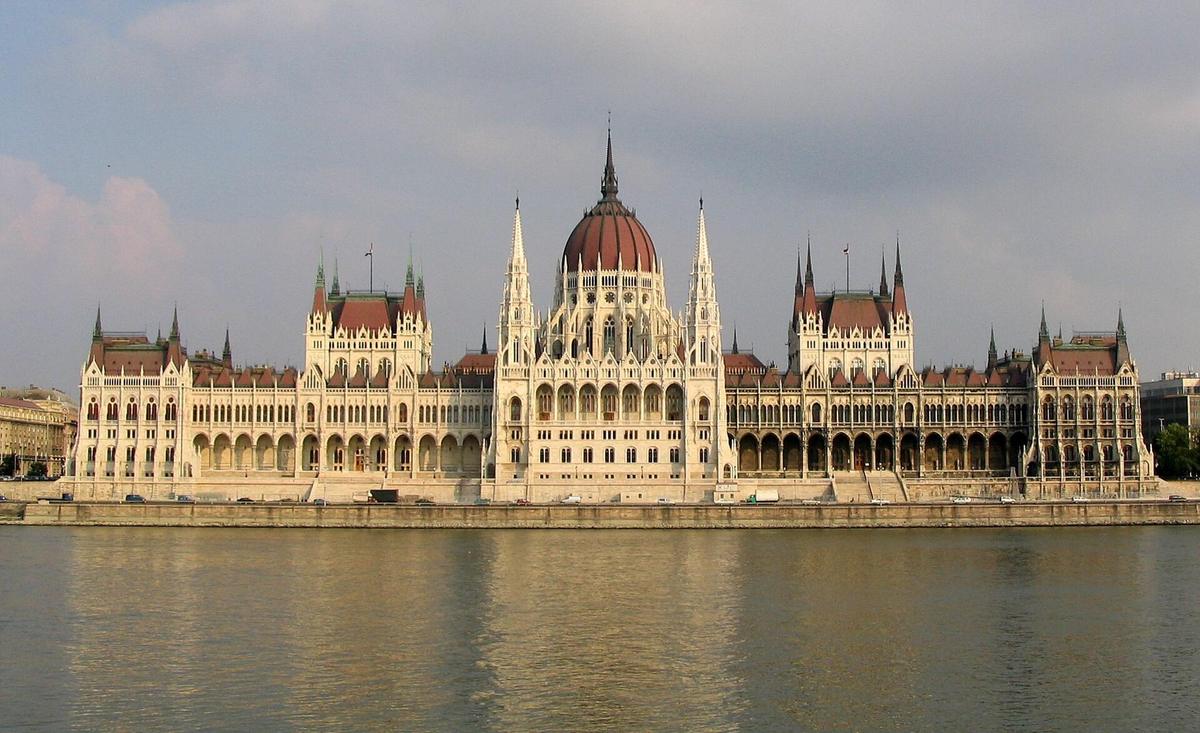
The Fisherman’s Bastion is a neo-Gothic and neo-Romanesque lookout terrace built between 1895 and 1902. Its seven turrets represent the seven Magyar tribes that settled the Carpathian Basin. The lower terraces are free. The upper towers require a paid ticket. The free level gives you the same panoramic view over the Danube, the Parliament building, and Pest, just from a slightly lower angle. Arrive by 08:30 and you will share the space with fewer than twenty people. Arrive at 11:00 and you will queue for a spot at the railing.
Matthias Church stands immediately beside the bastion, its tiled roof visible from across the river. The church was founded in the 13th century and rebuilt in its current form largely in the 19th century. Entry is paid. The interior is ornate and the crypt holds archaeological remains from the original building. If you skip the inside, at least walk around the exterior and through the courtyard on Szentháromság tér, the main public square of the district. The square holds the Holy Trinity column and a good vantage point for photographs of the church facade.
Cobbled Streets, Steep Climbs and How to Pace Your Visit
Mobility Realities
The Castle District is not wheelchair accessible in any practical sense. The cobbles, the hills, the staircases and the funicular’s limited capacity make it a challenging destination for anyone with mobility issues. The Budapest History Museum and the Hungarian National Gallery have lifts, but getting to them requires crossing uneven surfaces. Plan for a steep climb if you walk up from the river, and budget for rest stops if you are sensitive to heat. July and August are the warmest months, and many older buildings on the hill lack air conditioning.
The Day-Trip Rhythm
For visitors who want to see the Castle District without staying there, a single block of time works best. Start at the bottom by the Chain Bridge at 09:00. Take the funicular up or walk through the Víziváros stairs. Visit Matthias Church, walk the free level of the viewing terraces, and choose one museum: the Hungarian National Gallery if you want art, the Hospital in the Rock if you want something unusual. That takes about three hours. Add another hour if you walk the Tóth Árpád sétány promenade along the western bastion for a different perspective over the Buda hills. By 13:00 the crowds peak and the tour groups arrive. Leave downhill to Pest for lunch and avoid the midday crush.
Staying Overnight
For visitors staying overnight, the rhythm changes. Arrive in the late afternoon, check into your accommodation, and walk the district after 18:00 when the day-trippers have gone. The evening light on the Parliament from the bastion is better than the midday version anyway. Dinner options on the hill are limited and close earlier than Pest restaurants. Fortify with a reservation at a restaurant on Úri utca or Fortuna utca, or walk down to the Víziváros for a wider range. Breakfast in the district is strong, with several small cafes serving körözött cheese spread on fresh bread and paprika. That is a proper Budapest breakfast and a good way to start before the tour buses arrive.

Where to Stay in Buda Castle District: Who it Suits and Who it Does Not
Accommodation in the Buda Castle District comes in small hotels, boutique guesthouses, and short-term rental apartments. Room stock is limited relative to demand in high season, especially in spring, September, and December. Booking lead time should be longer than for Pest hotels. Prices per square metre run higher than outer Pest districts, with strong variation by season and view category. A room overlooking the Danube or the Parliament commands a premium.
The district suits visitors who prioritise quiet, historic setting, walkable sightseeing, and early mornings. It suits less well anyone who wants late dining, frequent public transport interchanges, or large-scale shopping. After 22:00 the hill is very quiet. There are no standalone late bars on the Castle District. Nightlife requires a walk or a bus ride down to the Víziváros or across the Chain Bridge to Pest. If your trip centres on ruin bars, street food, and late nights in the Jewish Quarter, stay in District VII or District VI and visit the Castle District as a daytime excursion.
For a short stay of one to three nights, the Castle District works best as a calm base for the Buda side, with Pest accessible via a 15 to 20 minute walk across the Chain Bridge to Széchenyi István tér. The nearest metro is M2 at Batthyány tér or Széll Kálmán tér, both a downhill walk from the hilltop. Tram lines 19 and 41 run along the Buda lower quay; lines 4, 6, 17, and several others connect at Széll Kálmán tér.
| Factor | Castle District (District I) | Belváros (District V, Pest) | Terézváros (District VI, Pest) |
|---|---|---|---|
| Street surface | Cobbled, uneven, largely pedestrianised | Paved, flat, cracked in places | Paved, flat, some pedestrian streets |
| Nightlife density | Very low; wine bars, hotel bars | High; restaurants, ruin bars, clubs | Very high; Andrássy út spine, ruin bars |
| Public transport access | Buses 16, 16A; funicular; walk to tram/metro | Metro M2/M3, trams 2, 47, 49, many buses | Metro M1, tram 4/6, many buses |
| Typical noise level at 22:00 | Quiet, residential | Moderate, tourist areas active | Loud, bars open late |
| Grocery shopping | Small convenience shops only | Supermarkets, Central Market Hall | Supermarkets, street food markets |
Mary Magdalene Tower, the Gardens, and the Evening Quiet
The Mary Magdalene Tower stands in the northern part of the district near Bécsi kapu. It is the surviving bell tower of a medieval church demolished in the 18th century. It adds context to a walk that otherwise focuses on the Palace and the Bastion. The gardens on the Danube side of the hill, Castle Hill Gardens, offer a green alternative to the cobbled streets. The Tóth Árpád sétány promenade runs along the western bastion with views over the Buda hills, not the river. It is quieter than the lookout terraces and worth the detour on a clear afternoon.
By 18:00 the tour groups are gone. The funicular runs later, but the atmosphere changes. A quiet evening in the Castle District means a slow walk from Bécsi kapu down to the Palace, a drink at a courtyard cafe, and the city lights coming on across the Danube. That is the version of Buda that justifies staying here, not rushing through. The practical next step is to open the BudapestGO app, buy a 72-hour travelcard, and book your first museum slot before you pack. If you put the Palace and the Bastion on the same morning as a thermal bath, you will rush both and enjoy neither. Give Buda its own morning and its own evening, and the rest of your trip will run slower and better.
Other areas in Budapest
Common Questions
Is the Buda Castle District walkable from Pest?
Yes. Cross the Chain Bridge from Széchenyi István tér in Pest. That takes about 15 to 20 minutes to reach the district edge at Clark Ádám tér. From there, the funicular or a staircase climb gets you onto the hilltop.
How much time should I budget for the Castle District if I am not staying here?
Three hours minimum to see Matthias Church, the free level of Fisherman’s Bastion, and one museum. Add one hour for the Tóth Árpád sétány walk and another hour if you want the Hungarian National Gallery. Arrive by 09:00 to avoid the worst crowds.
Can I drive into the Buda Castle District?
Car access is restricted to residents and limited hotel or service access. Parking is scarce, paid, and concentrated at the periphery. Do not rent a car for a stay on the hill.
What is the nearest metro station to the Castle District?
Batthyány tér on metro line M2. It is on the Buda side, downhill from the district. Széll Kálmán tér is also on M2 and serves the western edge of the hill. From either station, bus 16 or a walk up the stairs gets you to the top.
Is the Fisherman’s Bastion free?
The lower terraces are free. The upper towers require a paid ticket. The free level gives you the same panoramic view from a slightly lower angle. Arrive early to avoid queues for the paid section.
Read next
-
 Budapest Hotels What Each Price Band Actually Gets You
Budapest hotels span from cheap courtyard rooms to grand Danube-view addresses. Here is what each price band actually gets you.
-
 Where to Stay in Budapest District by District
Where to stay in Budapest depends on how much noise, walking, and nightly rate you will accept. Here is the district-by-district trade-off.
-
 Budapest Flights, Flying Into Ferenc Liszt Airport and Getting Out
Flying into Budapest Ferenc Liszt Airport: what to expect on arrival and how to get into central Pest by bus or taxi.
-
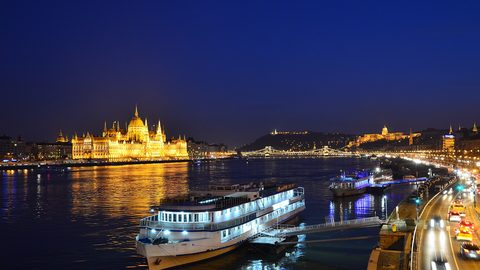 Budapest Things to Do Ordered by Whether It Is Worth the Time
Budapest things to do ordered by whether they are worth the time, the queue, and the crowd they demand.
-
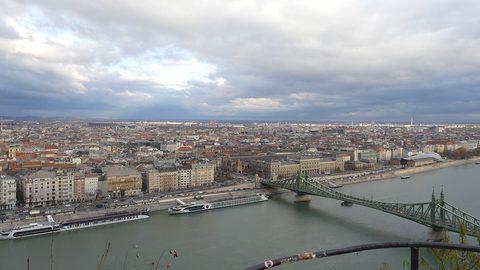 Best Time to Visit Budapest and What Each Season Does to It
The best time to visit Budapest depends on how much heat, crowd, and seasonal closure you will tolerate. Here is what each season does.
-
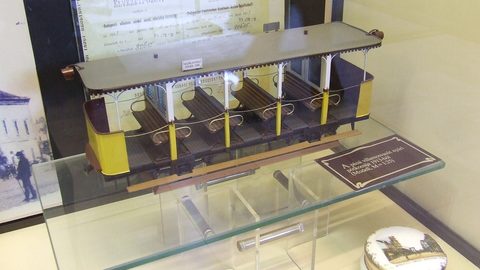 Getting Around Budapest Without Wasting Half the Trip
Getting around Budapest means mastering the per-vehicle ticket rule, the validation boxes, and the BudapestGO app before you board.
-
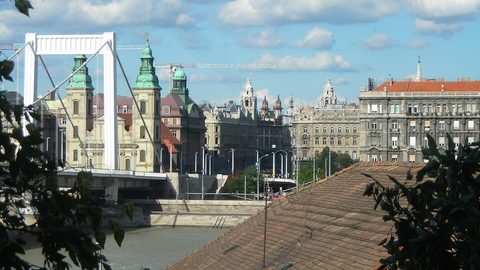 Belváros
District V Budapest, the Belváros: what it feels like, who it suits, and what is within walking distance of Parliament and the Danube.
-
 Józsefváros
District VIII Budapest, Józsefváros: the elegant Palace Quarter, the edgier outer streets, and what staying there is actually like.
-
 Erzsébetváros
District VII Budapest, Erzsébetváros: the Jewish Quarter's synagogues, ruin bars and street food, and who should actually stay there.