Best Time to Visit Budapest and What Each Season Does to It
The best time to visit Budapest depends on how much heat, crowd, and seasonal closure you will tolerate. Here is what each season does.
At 8:30 on a Tuesday in late September, the queue for Széchenyi Thermal Bath already snakes past the ticket windows and into the park. The outdoor pools are dense with bodies thirty minutes after opening. That is what the best time to visit Budapest looks like on paper: mild air, long daylight, and everyone else who read the same advice. The real question is not which month to pick but what you are willing to trade. Warmth for space. Festivals for quiet. Holiday markets for hotel prices that double overnight.
Budapest Seasons: What Each One Does to the City
Budapest runs on a continental climate with cold winters, hot summers, and mild springs and autumns. That sounds straightforward until you try to walk down a July afternoon on Váci Street or find an open restaurant on the 24th of December. Each season reshapes what is possible, which districts feel lively, and how much your accommodation costs.
Spring And Autumn: The Mild Sweet Spot
April, May, September, and October are the mildest and the busiest months. High temperatures sit in the pleasant range, daylight runs long, and the Danube river cruise season operates at full capacity. Outdoor terraces at ruin bars open. The outdoor pools at Gellért and Széchenyi baths are comfortable. The city rewards slow wandering along the Danube embankment. The trade-off is that everyone knows this. Hotel rates hit their highest levels from May to September, and queues at the Hungarian Parliament Building and Fisherman's Bastion can stretch forty minutes by mid-morning.
Winter: Markets And Empty Streets
Winter runs from December to February, with low temperatures commonly between -4 and 0°C and daylight dropping to about 8.5 hours in late December. The city turns inward. Outdoor bath pools close, the Buda Castle funicular may shut for annual maintenance, and air quality can be poor due to heating and temperature inversion. But the Christmas markets operate from mid-November to early January, the open-air ice rink in City Park opens, and hotel rates bottom out in January and February, often half of what you would pay in August.
Summer: Festivals And Stifling Heat
Summer means July and August, when high temperatures commonly hit 26-30°C with noticeable humidity. The indoor classical music and opera season pauses between June and September, but outdoor festivals fill the calendar: Sziget, the Budapest Summer Festival, the National Gallop. The failure case is heat and crowds together. Older hotels without air conditioning become uncomfortable. Metro line M1 gets packed and stuffy. The thermal baths, already crowded, feel less like a retreat and more like a public pool.
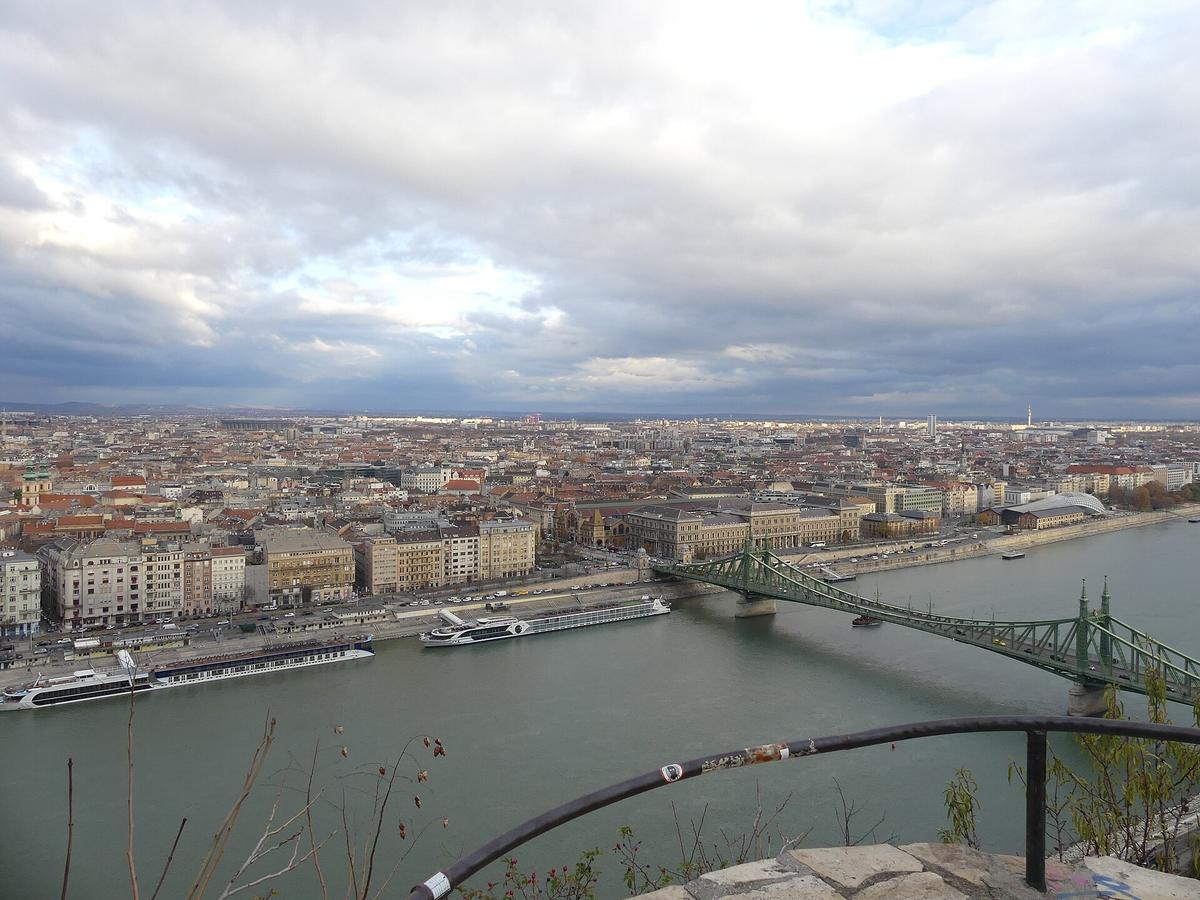
Budapest Weather by Month: What You Actually Feel
January and February are the coldest and the quietest. Low temperatures sit between -4 and 0°C. Snow is possible but not guaranteed; grey skies are. Many restaurants close for the first two weeks of January, and some small thermal baths shut for annual cleaning. Pack for cold and expect reduced hours at smaller museums. The upside is near-empty streets at Buda Castle and hotel prices that hit their annual floor.
March and April are shoulder season. Snow melts, rain increases, late spring is the wettest period, and outdoor attractions begin reopening. The Budapest Spring Festival runs in March or April. By late April the outdoor sections of Széchenyi and Gellért baths are open and pleasant. Crowds are moderate, not oppressive.
May and June bring the first real heat. High temperatures climb toward 26°C. Daylight stretches past 15 hours by late May. This is when the city feels most alive: ruin bar courtyards fill, Margaret Island's outdoor attractions are fully active, and the Danube river cruise season is in full swing. The Budapest Wine Festival and the Gourmet Festival fall in this window. Book accommodation at least six weeks ahead.
July and August are the hottest and most expensive. High temperatures routinely reach 30°C. Humidity makes the heat feel heavier. The Formula 1 Hungarian Grand Prix weekend in late July or early August spikes hotel prices across the city. Sziget Festival week in mid-August congests Margaret Island and nearby transport. St Stephen's Day around August 20 draws huge crowds for fireworks over the Danube, and many venues close for the national holiday. If you travel in summer, confirm that your hotel has working air conditioning and avoid metro line M1 during rush hours. It has no cooling and runs packed.
September and October are the sweet spot for mild weather and maximum daylight. September still carries summer heat, high temperatures around 24-26°C, without the humidity. October cools to 15-18°C but stays pleasant. The Budapest Wine Festival and the Budapest Marathon fall in this period. Crowds remain heavy, but the quality of the experience is higher than in August. You can sit outside at a Gozsdu Udvar bar without sweating, and the baths are usable without feeling crammed.
November and December shift into winter. November is grey and damp, with low tourism and the lowest hotel rates outside January and February. December brings the Christmas markets, the Budapest Christmas Fair at Vörösmarty Square and the Advent Basilica market, creating a secondary peak season. Hotel rates spike for the Christmas and New Year period. Many restaurants and shops close from the 24th to the 26th. Public transport runs a reduced Sunday schedule on those same two days. If you want the markets, go in early December before the holiday closures.
Budapest Crowds by Season: Where They Gather and When
Peak crowds run from May to September and again in December. The busiest weeks are those around St Stephen's Day (August 20), Sziget Festival (mid-August), the Formula 1 Grand Prix (late July or early August), and the Christmas market period (late November to early January). In these windows, the tourist core can feel overwhelmed: District V around the Parliament and Vörösmarty Square, District VII in the Jewish Quarter, Buda Castle Hill, and the Széchenyi Baths.
Trade fairs at Hungexpo spike hotel prices unpredictably, especially in spring and autumn. If you find accommodation costs suddenly doubling for a random week in April, check the Hungexpo calendar before you assume surge pricing is a mistake.
Shoulder season months, March, April, October, and November, have moderate crowds. You will share the main sights with other travellers but will not queue thirty minutes for a Parliament tour or fight for a sun lounger at Gellért. Low season in January and February delivers the fewest visitors and the lowest prices, at the cost of cold weather, shorter hours, and occasional closures for maintenance at the Buda Castle funicular and some smaller baths.
| Season | Months | Weather | Crowds | Hotel Rates |
|---|---|---|---|---|
| Peak | May–September | Mild to hot, 20–30°C | Heavy, especially August | Highest May–September |
| Secondary Peak | December | Cold, -4 to 4°C | Heavy at markets | High Christmas/New Year |
| Shoulder | March–April, October–November | Cool to mild, 8–18°C | Moderate | Moderate |
| Low | January–February | Cold, -4 to 0°C | Low | Lowest |
Budapest Christmas Markets: What They Cost and When They Run
The Budapest Christmas markets operate from mid-November to early January, with the main fair at Vörösmarty Square and the Advent Basilica market in front of St Stephen's Basilica. Prioritise the Basilica market. It has better food vendors, a smaller crowd, and an ice rink in front of the church. Vörösmarty Square is larger, more commercial, and packed from late afternoon onward.
Go early December if you can. The week before Christmas is the most crowded, and from the 24th to the 26th many restaurants and shops close entirely. Public transport runs a reduced schedule on those two days. The markets themselves close after early January. Arrive in mid-January and you miss them entirely.
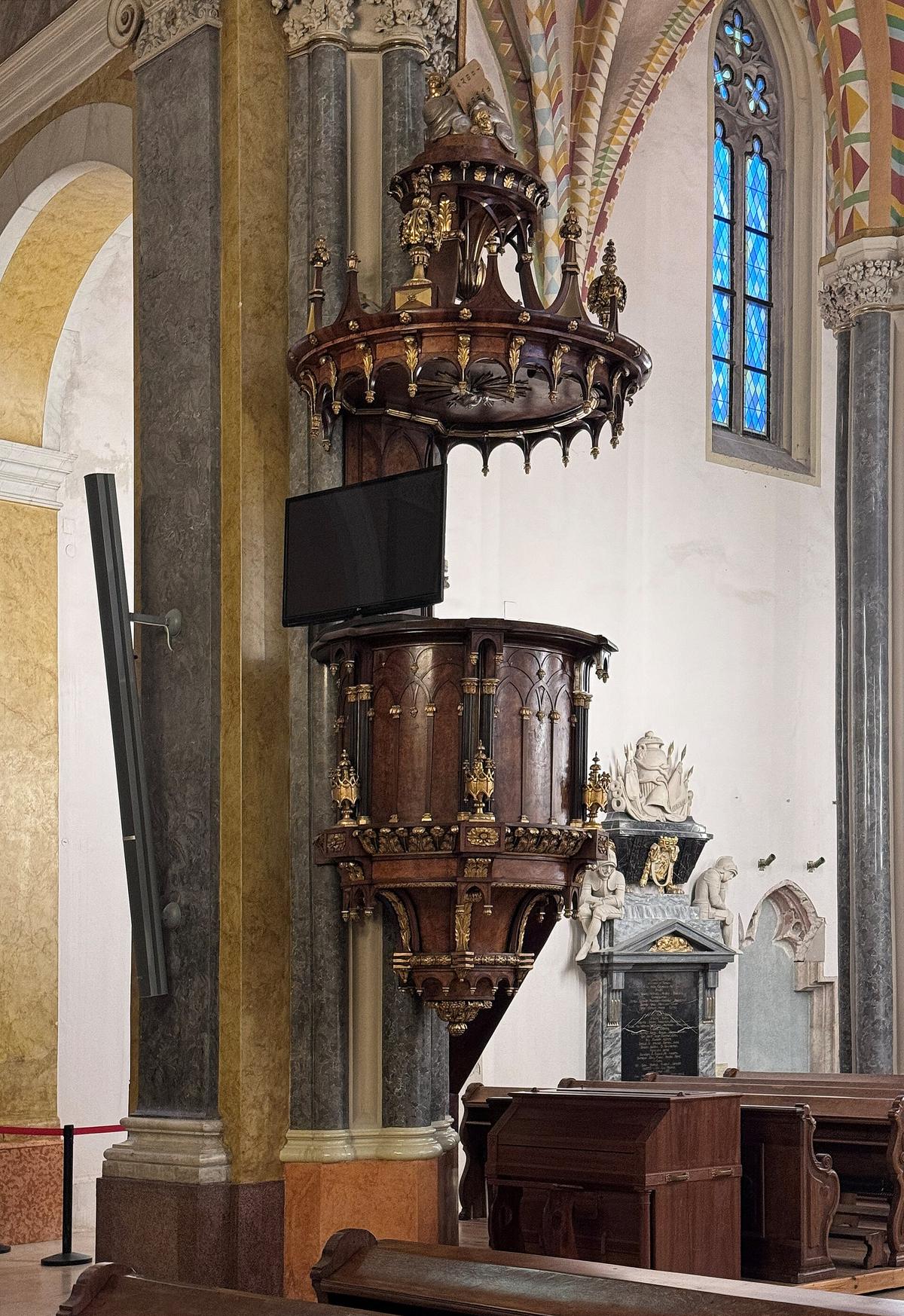


Budapest Summer Heat: What Breaks and What Still Works
Summer in Budapest is manageable if you plan around the heat. High temperatures commonly reach 26-30°C, and humidity makes it feel warmer. The biggest problem is older hotels without air conditioning. Many buildings in District V and District VII are 19th-century structures where window units are the only cooling. Confirm air conditioning before you book. If your room does not have it, budget for a hotel with a pool or plan your day around the thermal baths.
Metro line M1, the historic yellow line running under Andrássy Avenue, has no air conditioning. In July and August the cars become stuffy and crowded. Walk Andrássy Avenue instead, or use tram routes that have open windows. The outdoor pools at Széchenyi and Gellért baths are the best place to be between 1:00 PM and 4:00 PM, but arrive by opening time to avoid the worst crowds. The Danube river cruise season operates through October, so you can still book a sightseeing boat in the late evening when the temperature drops.
When Budapest is Not Worth It: Weeks to Skip
Five periods cause more problems than they solve for most travellers. The week around August 20 for St Stephen's Day brings huge crowds for fireworks over the Danube, many venue closures for the national holiday, and accommodation at peak rates. Christmas week through New Year has peak hotel prices, extensive closures from the 24th to the 26th, and limited public transport on those days. Sziget Festival week in mid-August congests Margaret Island and surrounding transport. The Formula 1 Hungarian Grand Prix weekend in late July or early August spikes hotel prices citywide and disrupts traffic near the Hungaroring. Easter weekend sees many shops closed from Good Friday to Easter Monday with high domestic tourism.
The first two weeks of January are also problematic: many restaurants and smaller attractions close for a post-holiday break, and the city feels subdued. If you want low-season prices and open services, travel in late January or February instead.
Who Budapest Suits and Who Should Look Elsewhere
Budapest is for first-time Central Europe visitors who want a big, affordable capital; couples and friend groups who prioritise nightlife and thermal baths; architecture and history lovers who can tolerate uneven streetscapes; food-focused travellers on a mid-range budget; and digital nomads wanting a cheap, well-connected base with strong mobile signal and widespread free Wi-Fi.
Budapest is not for travellers wanting a compact, walkable old town. The city is larger and more spread out than photographs suggest. It is not for those seeking pristine, polished streets; peeling 19th-century plaster sits next to high-end ruin bars. It is not for visitors who dislike crowds at major sights, especially from May to September. It is not for anyone expecting quiet, spa-like calm at the thermal baths in high season; Széchenyi in August is a busy public pool. And it is not for travellers with limited mobility, given the hills, cobbles, and long metro escalators.
The single thing that most often goes wrong here is staying only on the Pest side and treating Buda as a half-day afterthought. The Castle District, Gellért Hill, and the Buda-side baths each deserve their own unhurried block of time. Budget three full days minimum, enough for Pest's core, one bath, Buda Castle Hill, and one ruin bar evening without rushing, and split them evenly across both sides of the Danube.
Common Questions
What is the best month to visit Budapest for good weather and fewer crowds?
Late September or early October. The weather is still mild, high temperatures around 20-24°C, but the summer peak has passed and the Christmas market crowds have not arrived. Hotel rates are lower than in August, and outdoor baths and ruin bar courtyards remain open.
Can I visit Budapest in winter and still enjoy the thermal baths?
Yes, but only the indoor sections. The outdoor pools at Széchenyi and Gellért baths close in winter. Rudas Baths and other indoor-only baths operate year-round. The experience is better in cold weather, since the contrast between the hot water and freezing air is part of the appeal, but check individual bath websites for seasonal schedules.
Are the Christmas markets worth the December hotel prices?
Only if you arrive in early December. The week before Christmas is overcrowded, and the 24th to the 26th sees widespread restaurant and shop closures. The markets themselves are atmospheric, but the Basilica market at St Stephen's Basilica is better than the larger one at Vörösmarty Square. If you cannot come before mid-December, skip the markets and visit in January for lower prices.
How bad is the August heat in Budapest?
High temperatures commonly hit 30°C with humidity, and older hotels without air conditioning become uncomfortable. Metro line M1 has no cooling. Plan your day around morning sightseeing, afternoon baths or indoor museums, and evening walks along the Danube. Confirm your hotel has air conditioning before booking.
What happens in Budapest during St Stephen's Day week?
Around August 20, the city draws huge crowds for fireworks over the Danube. Many venues close for the national holiday. Accommodation prices spike. If you are not attending the fireworks specifically, this is a week to avoid. The same applies to the Formula 1 Grand Prix weekend and Sziget Festival week.
Read next
-
 Budapest Hotels What Each Price Band Actually Gets You
Budapest hotels span from cheap courtyard rooms to grand Danube-view addresses. Here is what each price band actually gets you.
-
 Where to Stay in Budapest District by District
Where to stay in Budapest depends on how much noise, walking, and nightly rate you will accept. Here is the district-by-district trade-off.
-
 Budapest Flights, Flying Into Ferenc Liszt Airport and Getting Out
Flying into Budapest Ferenc Liszt Airport: what to expect on arrival and how to get into central Pest by bus or taxi.
-
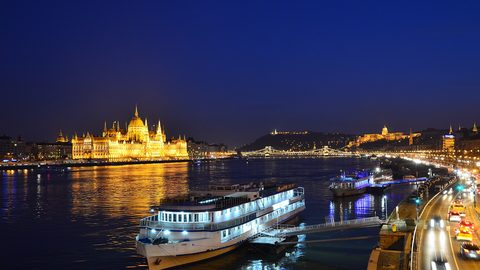 Budapest Things to Do Ordered by Whether It Is Worth the Time
Budapest things to do ordered by whether they are worth the time, the queue, and the crowd they demand.
-
 Getting Around Budapest Without Wasting Half the Trip
Getting around Budapest means mastering the per-vehicle ticket rule, the validation boxes, and the BudapestGO app before you board.
-
 Budapest Itinerary, How to Spend Two or Three Days in Budapest
A realistic Budapest itinerary for two or three days, balancing Pest's core, Buda Castle Hill, one thermal bath and a ruin bar evening.
-
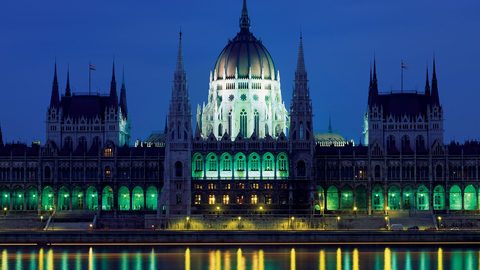 Hungarian Parliament
How a Hungarian Parliament Building visit works, where tours start, when they sell out, and how to avoid queueing twice.
-
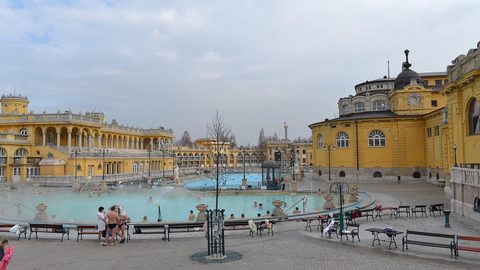 Széchenyi Thermal Bath
What Széchenyi Thermal Bath Budapest is really like, how crowds shift by season and hour, and how to plan a visit that matches your tolerance.
-
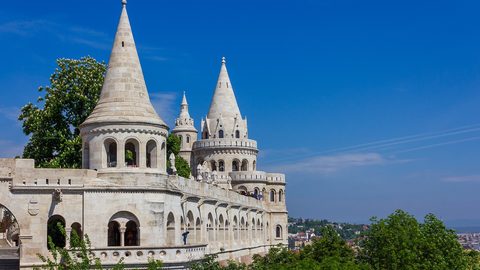 Fisherman's Bastion
How Fisherman's Bastion Budapest works, which terraces cost money, and when to go for the Danube panorama without tour bus crowds.